
Butterflies in Brazilian Amazon: Ultimate Guide!

Quick Summary: The Brazilian Amazon is home to an astounding diversity of butterflies, estimated to be in the thousands of species. These butterflies boast vibrant colors, intricate patterns, and play crucial roles in the Amazon rainforest ecosystem as pollinators and indicators of environmental health. Spotting these beauties requires patience, a keen eye, and a respectful approach to their natural habitat.
Have you ever dreamed of wandering through a rainforest alive with the flutter of butterfly wings? The Brazilian Amazon is one of the best places in the world to witness this spectacle! But with so much dense jungle to explore, knowing where to start can feel overwhelming.
Don’t worry! As a lifelong butterfly enthusiast, I’m here to guide you. Together, we’ll explore the hidden world of Amazonian butterflies. I’ll share tips on where to find them, how to identify them, and how to appreciate their vital role in this incredible ecosystem. Get ready for an unforgettable journey into the heart of butterfly paradise!
Frequently Asked Questions About Amazonian Butterflies
- What makes the Brazilian Amazon so special for butterflies?
- The Amazon’s warm, humid climate and diverse plant life provide the perfect conditions for a huge variety of butterfly species to thrive.
- How many different kinds of butterflies live in the Amazon?
- Scientists estimate that thousands of butterfly species call the Brazilian Amazon home. It’s a true biodiversity hotspot!
- Are Amazonian butterflies poisonous?
- Some Amazonian butterflies are indeed poisonous. They obtain toxins from the plants they eat as caterpillars, making them distasteful or even deadly to predators.
- What do Amazonian butterflies eat?
- Adult butterflies primarily feed on nectar from flowers. Caterpillars, on the other hand, have a much broader diet, munching on leaves, fruits, and even seeds.
- Can I attract Amazonian butterflies to my garden?
- While you can’t recreate the Amazon rainforest in your backyard, you can plant native flowering plants that provide nectar and host plants for caterpillars in your region. This will attract local butterfly species.
- Why are butterflies important to the Amazon rainforest?
- Butterflies play a vital role in pollination, helping to ensure the survival of many plant species. They are also an important food source for birds and other animals, and serve as indicators of environmental health.
- What can I do to help protect Amazonian butterflies?
- Supporting organizations that work to protect the Amazon rainforest and its biodiversity is a great way to help. You can also reduce your carbon footprint and make eco-friendly choices in your daily life.
Discovering the Butterflies of the Brazilian Amazon

The Amazon rainforest is a treasure trove of biodiversity, and its butterfly population is no exception. From the dazzling blue Morpho to the delicate glasswing, these insects add a touch of magic to the rainforest canopy. Let’s explore where to find them, how to identify some of the most iconic species, and why they are so important.
Where to Find Butterflies in the Amazon
Finding butterflies in the vast Amazon can seem daunting, but knowing where to look will significantly increase your chances of spotting these winged jewels. Here are some key areas to focus on:
- Riverbanks and Forest Edges: These areas offer a mix of sunlight and vegetation, attracting butterflies seeking nectar and basking spots.
- Flowering Plants: Keep an eye out for areas with abundant flowering plants. Butterflies are naturally drawn to nectar-rich blooms.
- Mud Puddles and Damp Soil: Male butterflies often gather at mud puddles to obtain minerals and nutrients. This behavior is known as “puddling.”
- Butterfly Farms and Reserves: Consider visiting established butterfly farms or reserves within the Amazon region. These locations provide controlled environments where you can observe a variety of species up close.
Identifying Common Amazonian Butterflies
The Amazon is home to thousands of butterfly species, but here are a few of the most iconic and easily recognizable:
- Blue Morpho (Morpho menelaus): This large butterfly is famous for its iridescent blue wings. The underside is brown with eyespots, providing camouflage when the butterfly is at rest.
- Owl Butterfly (Caligo memnon): These butterflies have large eyespots on their hindwings that resemble owl eyes. This adaptation helps to startle predators.
- Glasswing Butterfly (Greta oto): As the name suggests, the wings of this butterfly are mostly transparent, with a delicate, glass-like appearance.
- Monarch Butterfly (Danaus plexippus): While primarily known from North America, Monarchs can also be found in parts of South America, including the Amazon. They are recognized by their orange wings with black veins and white spots.
- Zebra Longwing (Heliconius charithonia): This butterfly has distinctive long, narrow wings with black and white stripes. It is one of the few butterfly species that feeds on pollen as an adult.
The Ecological Importance of Amazonian Butterflies
Butterflies play a vital role in the health and functioning of the Amazon rainforest ecosystem. Their contributions include:
- Pollination: Butterflies are important pollinators, transferring pollen from flower to flower as they feed on nectar. This process is essential for the reproduction of many plant species.
- Food Source: Butterflies and caterpillars serve as a food source for a variety of animals, including birds, monkeys, and reptiles.
- Bioindicators: Butterfly populations are sensitive to environmental changes, making them useful indicators of habitat quality and overall ecosystem health.
Preparing for Your Butterfly Adventure
Embarking on a butterfly-watching expedition in the Amazon requires careful planning and preparation. From packing the right gear to understanding safety precautions, here’s how to make the most of your experience:
Essential Gear and Equipment
Having the right equipment can significantly enhance your butterfly-watching experience. Consider packing the following items:
- Binoculars: A good pair of binoculars will allow you to observe butterflies from a distance without disturbing them. Look for models with good close-focusing capabilities.
- Camera: Capture stunning photos of the butterflies you encounter. A macro lens is ideal for close-up shots.
- Butterfly Net: If you plan to collect butterflies for scientific study, a lightweight butterfly net is essential. Be sure to obtain any necessary permits before collecting.
- Field Guide: A field guide specific to Amazonian butterflies will help you identify the species you encounter.
- Notebook and Pen: Keep a detailed record of your observations, including the date, time, location, and species of butterflies you see.
- Insect Repellent: Protect yourself from mosquito bites and other insects with a reliable insect repellent.
- Sunscreen and Hat: The Amazon sun can be intense. Protect your skin with sunscreen and a wide-brimmed hat.
- Water Bottle: Stay hydrated by carrying plenty of water with you.
- First-Aid Kit: Be prepared for minor injuries with a well-stocked first-aid kit.
Safety Precautions and Guidelines
The Amazon rainforest is a wild and unpredictable environment. It’s important to take necessary safety precautions:
- Hire a Local Guide: A knowledgeable local guide can help you navigate the rainforest safely and point out the best butterfly-watching spots.
- Stay on Marked Trails: Avoid venturing off established trails, as it’s easy to get lost in the dense vegetation.
- Be Aware of Wildlife: The Amazon is home to a variety of potentially dangerous animals, including snakes, spiders, and jaguars. Be aware of your surroundings and avoid approaching wildlife.
- Avoid Touching Butterflies: Handle butterflies with care. Avoid touching their wings, as this can damage their delicate scales.
- Respect the Environment: Leave no trace behind. Pack out everything you pack in and avoid disturbing the natural habitat.
Best Time to Visit the Amazon for Butterfly Watching
The best time to visit the Amazon for butterfly watching is during the dry season, which typically runs from June to November. During this time, the weather is more predictable, and there are fewer mosquitoes. However, butterflies can be found in the Amazon year-round.
Butterfly Habitats and Conservation in the Amazon

The long-term survival of Amazonian butterflies depends on the preservation of their natural habitats and the implementation of effective conservation strategies. Let’s examine the threats these butterflies face and the actions we can take to protect them.
Threats to Butterfly Habitats
Several factors threaten the habitats of Amazonian butterflies, including:
- Deforestation: The clearing of rainforest for agriculture, logging, and mining is the biggest threat to butterfly habitats.
- Climate Change: Changes in temperature and rainfall patterns can disrupt butterfly life cycles and alter the availability of food plants.
- Pesticide Use: The use of pesticides in agriculture can directly harm butterflies and their caterpillars.
- Habitat Fragmentation: The division of large, continuous habitats into smaller, isolated patches can reduce butterfly populations and limit their ability to disperse.
Conservation Efforts and Initiatives
Numerous organizations and initiatives are working to protect Amazonian butterflies and their habitats. These efforts include:
- Protected Areas: Establishing and maintaining protected areas, such as national parks and reserves, is crucial for safeguarding butterfly habitats.
- Sustainable Agriculture: Promoting sustainable agricultural practices that minimize deforestation and pesticide use can help reduce the impact on butterfly populations.
- Reforestation: Planting trees in deforested areas can help restore butterfly habitats and create corridors that connect fragmented populations.
- Community Involvement: Engaging local communities in conservation efforts is essential for ensuring the long-term success of these initiatives.
- Research and Monitoring: Conducting research on butterfly populations and their habitats can help inform conservation strategies and track the effectiveness of these efforts.
How You Can Help Protect Amazonian Butterflies
Even if you can’t travel to the Amazon, there are still many ways you can help protect these incredible creatures:
- Support Sustainable Products: Choose products that are made from sustainably sourced materials and avoid products that contribute to deforestation.
- Reduce Your Carbon Footprint: Take steps to reduce your carbon footprint, such as using public transportation, conserving energy, and eating less meat.
- Donate to Conservation Organizations: Support organizations that are working to protect the Amazon rainforest and its biodiversity. Some reputable organizations include the Rainforest Trust and the Amazon Conservation Association.
- Educate Others: Share your knowledge about Amazonian butterflies and the importance of conservation with your friends, family, and community.
Butterfly Species Table
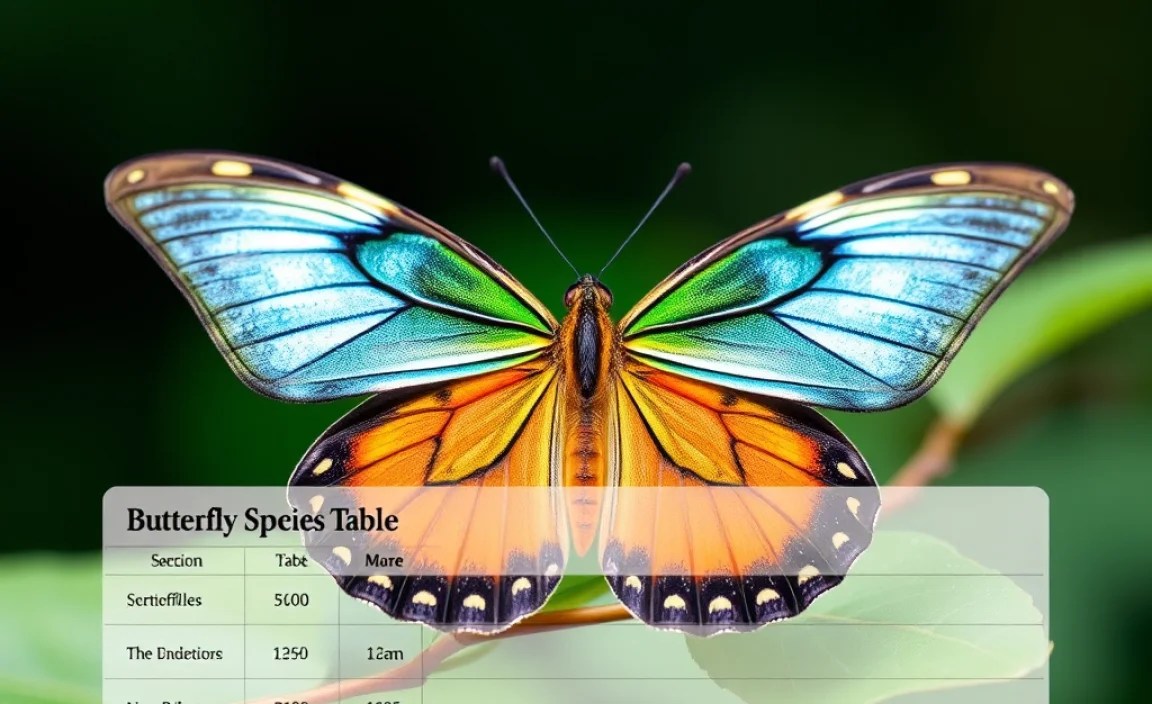
| Butterfly Species | Scientific Name | Key Characteristics | Habitat |
|---|---|---|---|
| Blue Morpho | Morpho menelaus | Iridescent blue wings, brown underside with eyespots | Rainforest canopy |
| Owl Butterfly | Caligo memnon | Large eyespots on hindwings | Forest understory |
| Glasswing Butterfly | Greta oto | Transparent wings with delicate markings | Humid forests |
| Monarch Butterfly | Danaus plexippus | Orange wings with black veins and white spots | Open fields and forests |
| Zebra Longwing | Heliconius charithonia | Long, narrow wings with black and white stripes | Tropical and subtropical forests |
Butterfly Life Cycle Stages
| Stage | Description | Duration |
|---|---|---|
| Egg | Small, often laid on a host plant | Several days to weeks |
| Larva (Caterpillar) | Feeding stage, molts several times as it grows | Several weeks |
| Pupa (Chrysalis) | Transformation stage, enclosed in a protective shell | Several weeks |
| Adult | Reproductive stage, feeds on nectar and mates | Several weeks to months |
Understanding Butterfly Behavior
To truly appreciate the butterflies of the Brazilian Amazon, it’s helpful to understand their behavior. Here are some common behaviors you might observe:
- Basking: Butterflies often bask in the sun to raise their body temperature, which is necessary for flight and other activities.
- Nectaring: Butterflies feed on nectar from flowers to obtain energy.
- Puddling: Male butterflies gather at mud puddles to obtain minerals and nutrients.
- Courtship: Butterflies engage in elaborate courtship rituals to attract mates.
- Migration: Some butterfly species migrate long distances to find suitable breeding grounds or overwintering sites.
The Cultural Significance of Butterflies
Butterflies have long held cultural significance in many societies around the world. In some cultures, they are seen as symbols of transformation, rebirth, and hope. In others, they are associated with the souls of the departed.
In the Amazon region, butterflies often feature in indigenous folklore and mythology. They may be seen as messengers from the spirit world or as symbols of good luck. The vibrant colors and delicate beauty of butterflies have also inspired countless artists and writers throughout history. You can find more on cultural meanings at sites like The Smithsonian
Continuing Your Butterfly Education
The world of butterflies is vast and fascinating. If you’re eager to learn more, here are some resources to explore:
- Books: Look for field guides and other books about butterflies in your region or around the world.
- Websites: Visit websites like National Geographic and the Xerces Society to learn more about butterfly biology, conservation, and identification.
- Museums: Visit natural history museums and butterfly houses to see butterfly collections and learn from experts.
- Butterfly Clubs: Join a local butterfly club to connect with other enthusiasts and participate in field trips and other activities.
Conclusion
The butterflies of the Brazilian Amazon are a true wonder of the natural world. Their vibrant colors, intricate patterns, and vital ecological roles make them an essential part of this incredible ecosystem. By learning about these butterflies, understanding the threats they face, and supporting conservation efforts, we can all play a role in ensuring their survival for generations to come.
So, the next time you see a butterfly, take a moment to appreciate its beauty and its importance. And remember, even small actions can make a big difference in protecting these delicate creatures and the habitats they call home. Happy butterfly watching!


