
Butterflies of Burundi: Discover the Beauty!

The butterflies of Burundi are incredibly diverse, with over 600 species identified! These butterflies play crucial roles in the local ecosystem as pollinators and indicators of environmental health. Spotting these winged jewels requires patience and a keen eye, but it’s a rewarding experience.
Have you ever dreamed of exploring a world filled with vibrant colors and delicate wings? Burundi, a small East African country, is home to an astounding variety of butterflies. These creatures aren’t just beautiful; they’re vital to the environment. But with so many species, identifying them can feel overwhelming. Don’t worry, I’m here to guide you! Together, we’ll uncover the secrets of Burundi’s butterflies, learn how to spot them, and understand why protecting them matters.
Butterflies of Burundi: A Complete Guide to Identification, Habitats, and Conservation

Burundi is a hidden paradise for butterfly lovers, offering a rich and colorful world filled with over 600 recorded species. From bright swallowtails to tiny blues, these butterflies bring life to forests, grasslands, and gardens across the country. But they are more than just beautiful insects. Butterflies play a key role in pollination and help maintain healthy ecosystems. Their presence often signals a balanced and thriving environment.
Exploring the butterflies of Burundi is both exciting and educational. With the right knowledge, anyone can learn to spot and identify different species. This guide will help you understand their basic features, habitats, and behaviors. It will also show why protecting them is so important. Whether you are a beginner or a nature enthusiast, this journey into Burundi’s butterfly world will open your eyes to the beauty and value of these delicate winged creatures.
Why Study Butterflies?
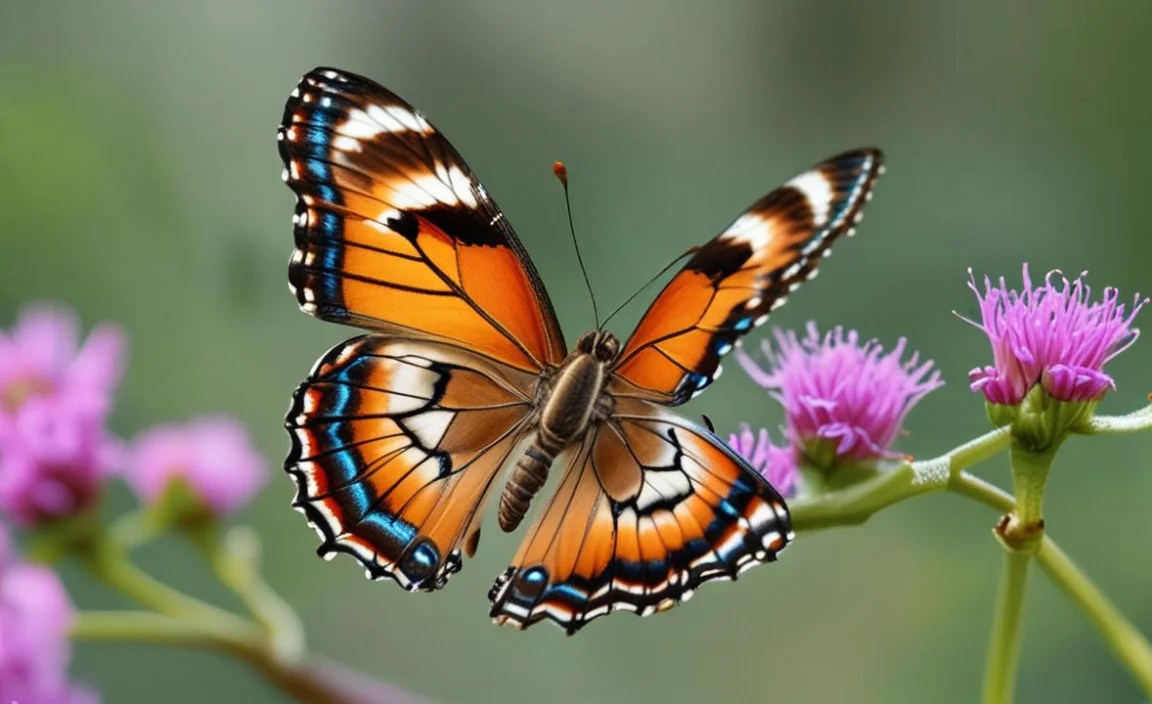
Butterflies are more than just pretty insects. They are:
- Pollinators: Like bees, butterflies help plants reproduce by carrying pollen from flower to flower.
- Indicators of environmental health: Butterfly populations are sensitive to changes in their habitat, making them excellent indicators of pollution or habitat destruction.
- A source of beauty and inspiration: Observing butterflies can bring joy and a sense of wonder, connecting us to the natural world.
Getting Started: Butterfly Basics
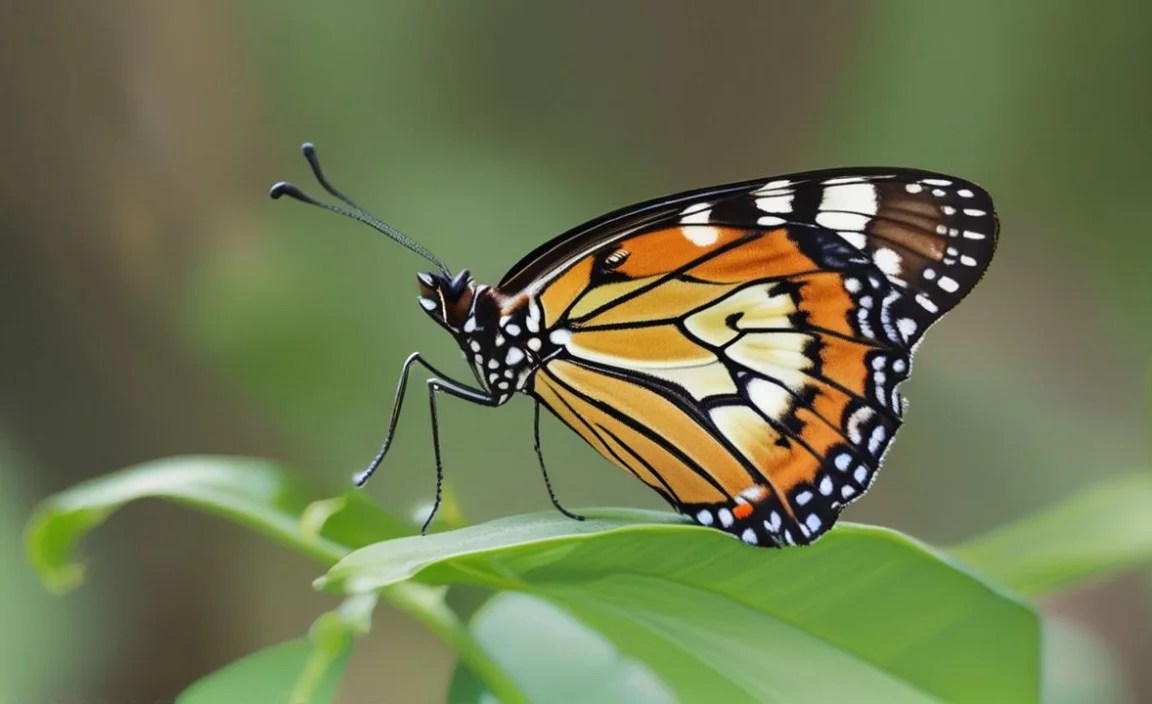
Before diving into specific species, let’s cover some essential butterfly knowledge.
Butterfly Anatomy
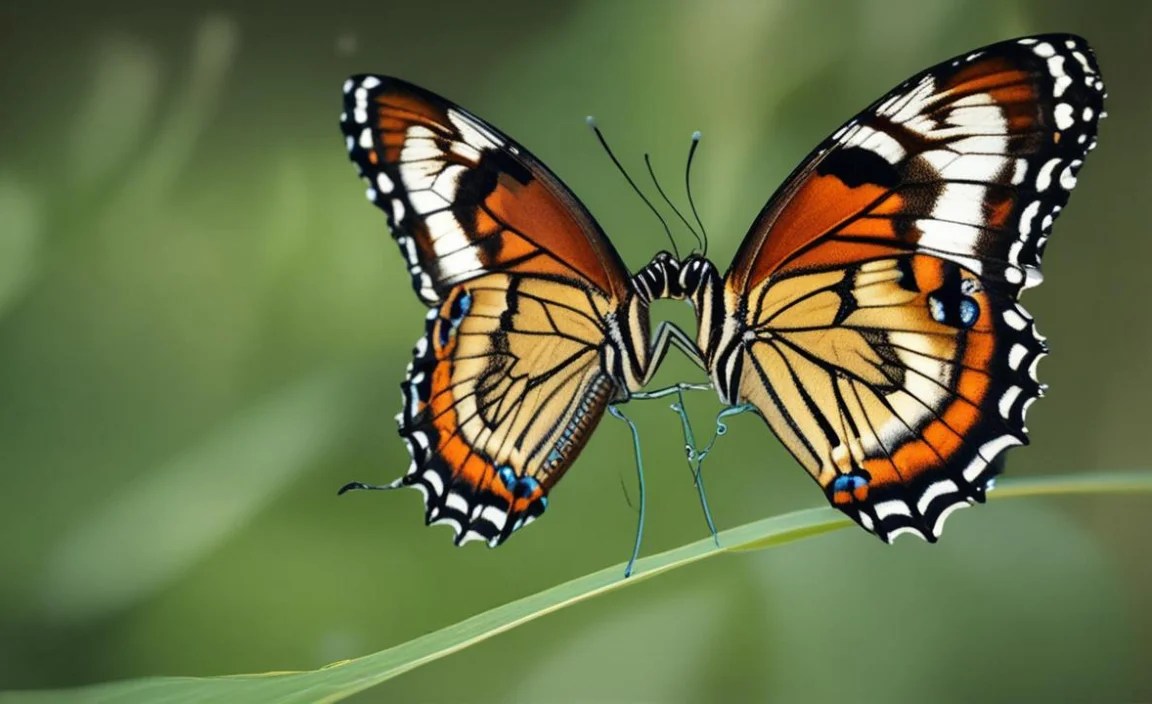
Understanding butterfly anatomy helps with identification. Key features include:
- Wings: Butterflies have four wings covered in tiny scales that create their colors and patterns.
- Antennae: These are used to sense smells and navigate their environment.
- Proboscis: A long, straw-like tongue used to drink nectar. When not in use, it’s coiled up.
- Body: Composed of three parts: head, thorax, and abdomen.
Butterfly Life Cycle
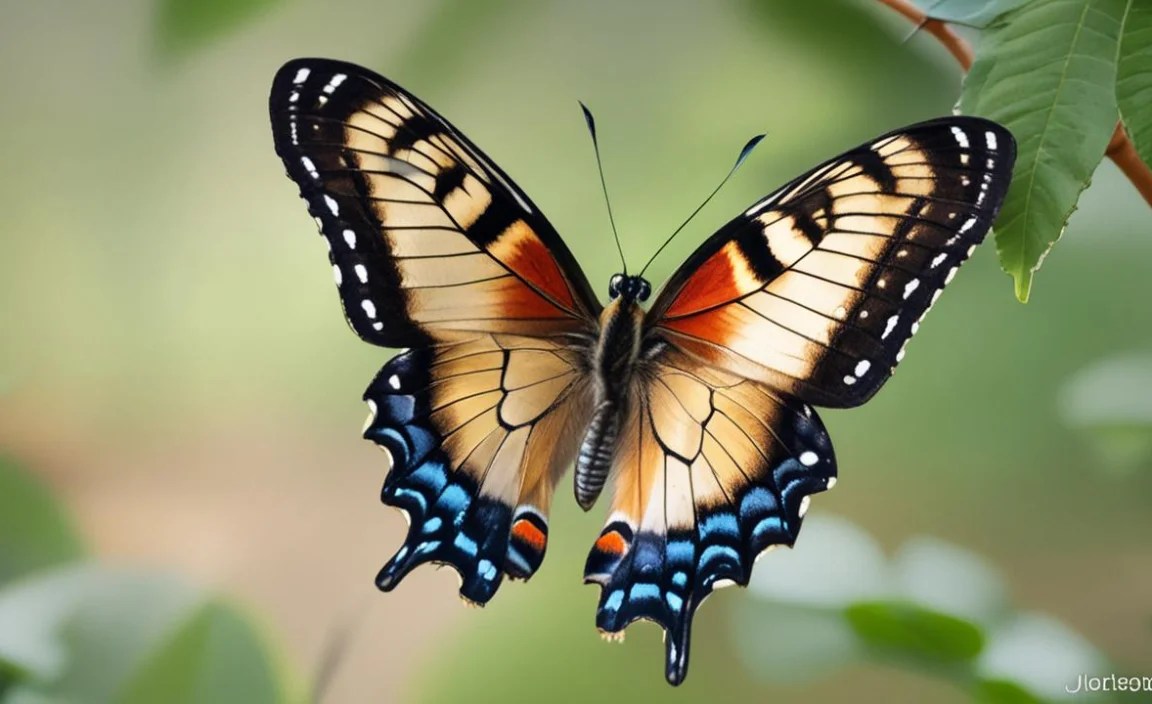
Butterflies undergo complete metamorphosis, meaning they have four distinct life stages:
- Egg: Butterflies lay their eggs on specific host plants.
- Larva (Caterpillar): The caterpillar eats and grows, molting its skin several times.
- Pupa (Chrysalis): The caterpillar transforms inside a protective shell.
- Adult Butterfly: The butterfly emerges from the pupa, ready to reproduce.
Common Butterfly Families in Burundi

Burundi’s butterfly diversity is categorized into several families. Here are some of the most prominent:
- Papilionidae (Swallowtails): Often large and brightly colored with distinctive “tails” on their hindwings.
- Pieridae (Whites and Yellows): Typically white, yellow, or orange, and often found in open areas.
- Nymphalidae (Brush-footed Butterflies): A large and diverse family with many different shapes and colors. They often have reduced front legs.
- Lycaenidae (Blues, Coppers, and Hairstreaks): Small butterflies, often brightly colored, with delicate patterns.
- Hesperiidae (Skippers): Small, stout-bodied butterflies with hooked antennae and rapid, erratic flight.
Spotting Butterflies in Burundi: A Step-by-Step Guide

Ready to start your butterfly adventure? Here’s how to find and identify these beautiful creatures.
Step 1: Choose the Right Time and Place

Butterflies are most active on warm, sunny days. Look for them in:
- Gardens: Plant butterfly-friendly flowers to attract them to your backyard.
- Forests: Explore forest edges and clearings where butterflies can find sunlight and nectar.
- Grasslands: Open grasslands are home to many butterfly species.
- Near water sources: Butterflies often gather near puddles or streams to drink water and minerals.
Step 2: Equip Yourself
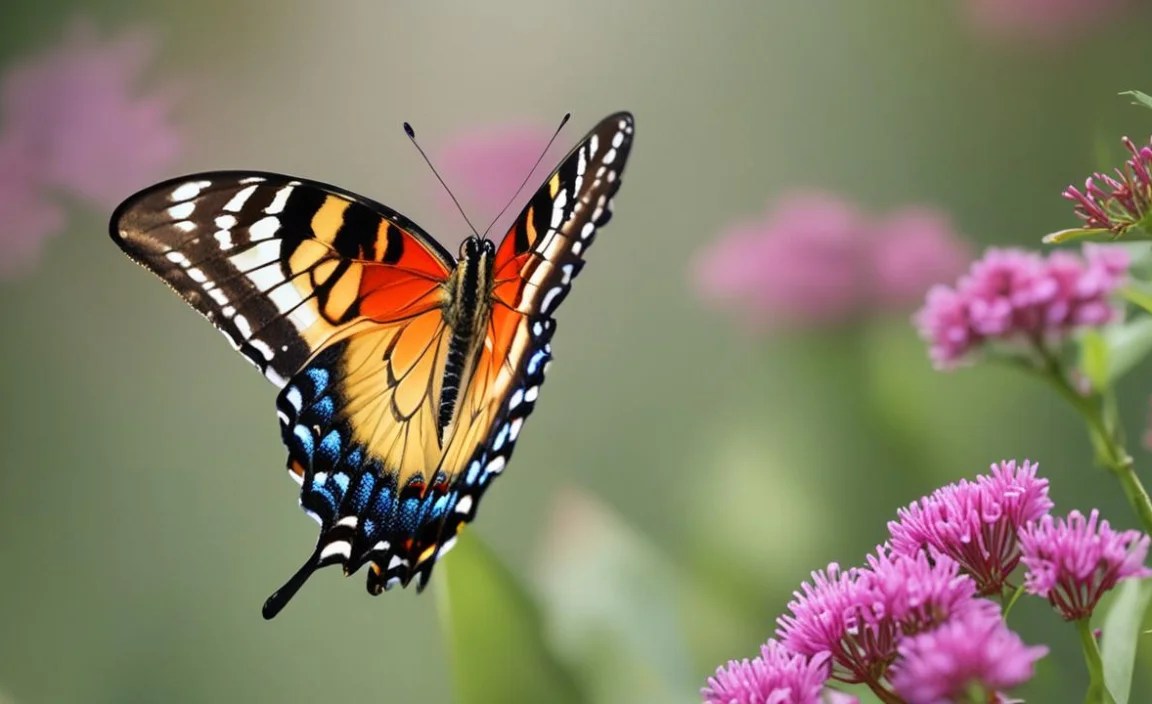
You don’t need much to start butterfly watching, but these items can be helpful:
- Binoculars: Get a closer look without disturbing the butterflies.
- Butterfly Guide: A field guide specific to East African butterflies is essential for identification. (See recommendations below).
- Notebook and Pen: Record your observations, including location, date, time, and butterfly descriptions.
- Camera: Capture photos for later identification and to share your discoveries. A macro lens is especially useful.
- Water and Snacks: Stay hydrated and energized during your explorations.
Step 3: Observe Carefully
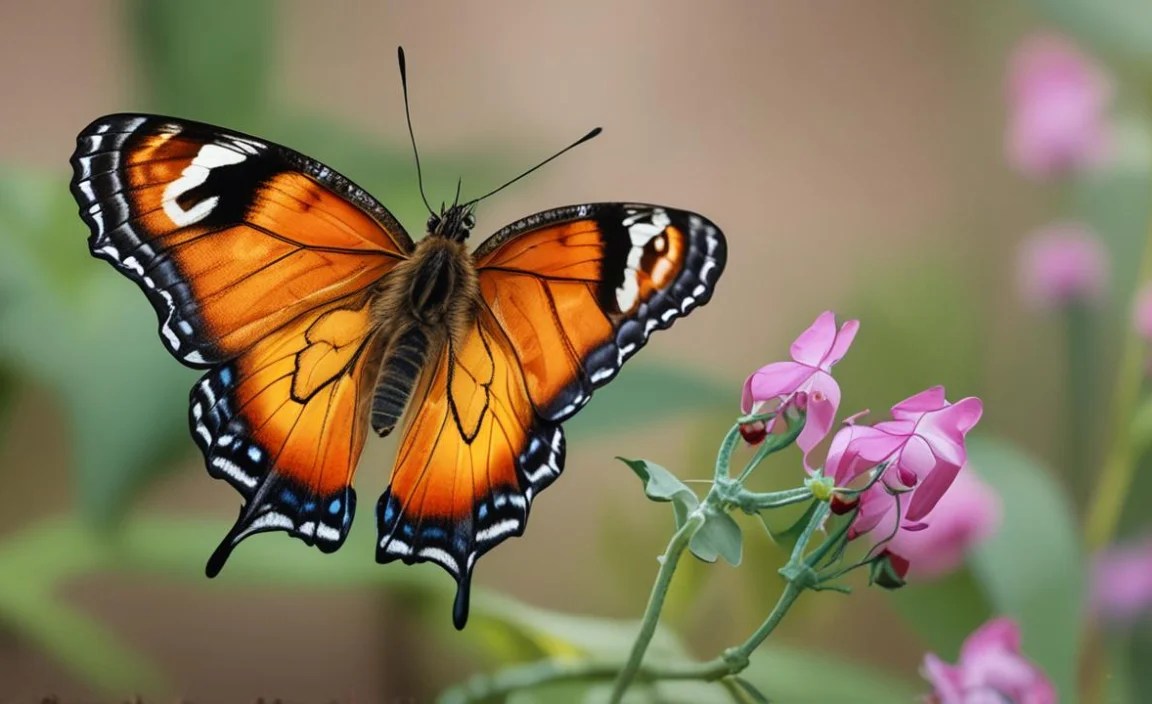
When you spot a butterfly, take your time to observe it closely. Note the following:
- Size and Shape: Is it large or small? What is the shape of its wings?
- Color and Pattern: What colors are present? Are there spots, stripes, or other markings?
- Behavior: What is the butterfly doing? Is it feeding, flying, or resting?
- Habitat: Where did you find the butterfly? What plants are nearby?
Step 4: Identify the Butterfly
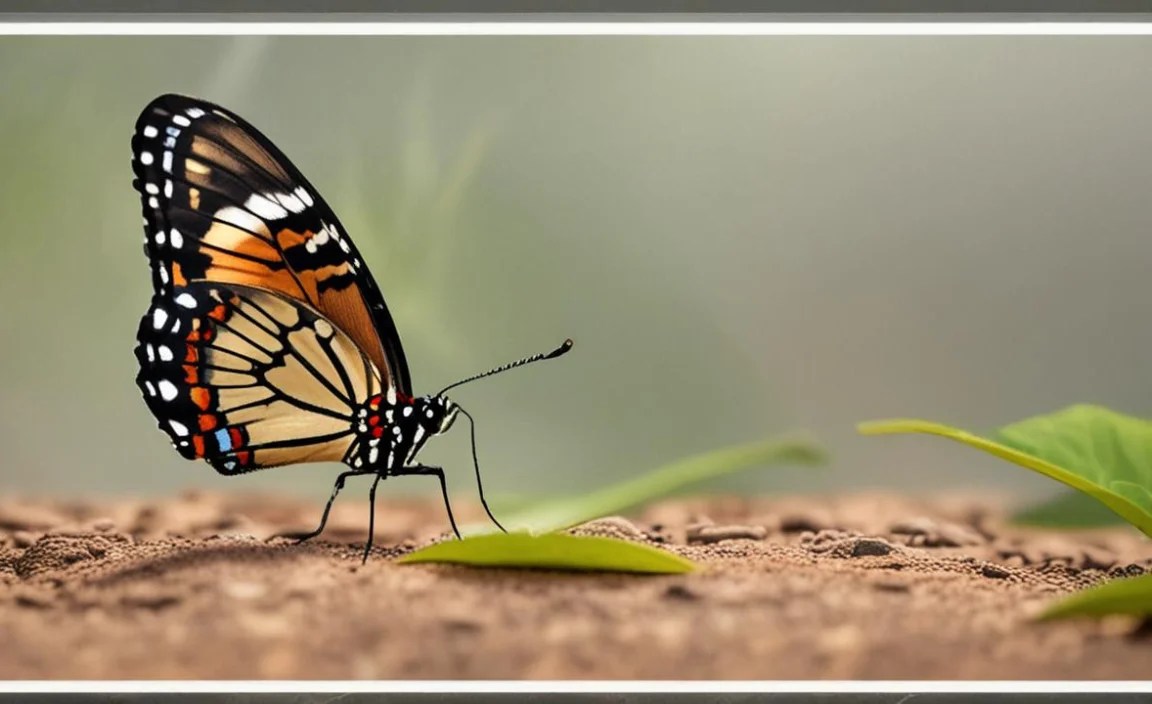
Use your field guide and your observations to identify the butterfly. Start by narrowing down the family, then look for specific species that match your description. Online resources like iNaturalist can also be helpful for identification.
Step 5: Record Your Findings
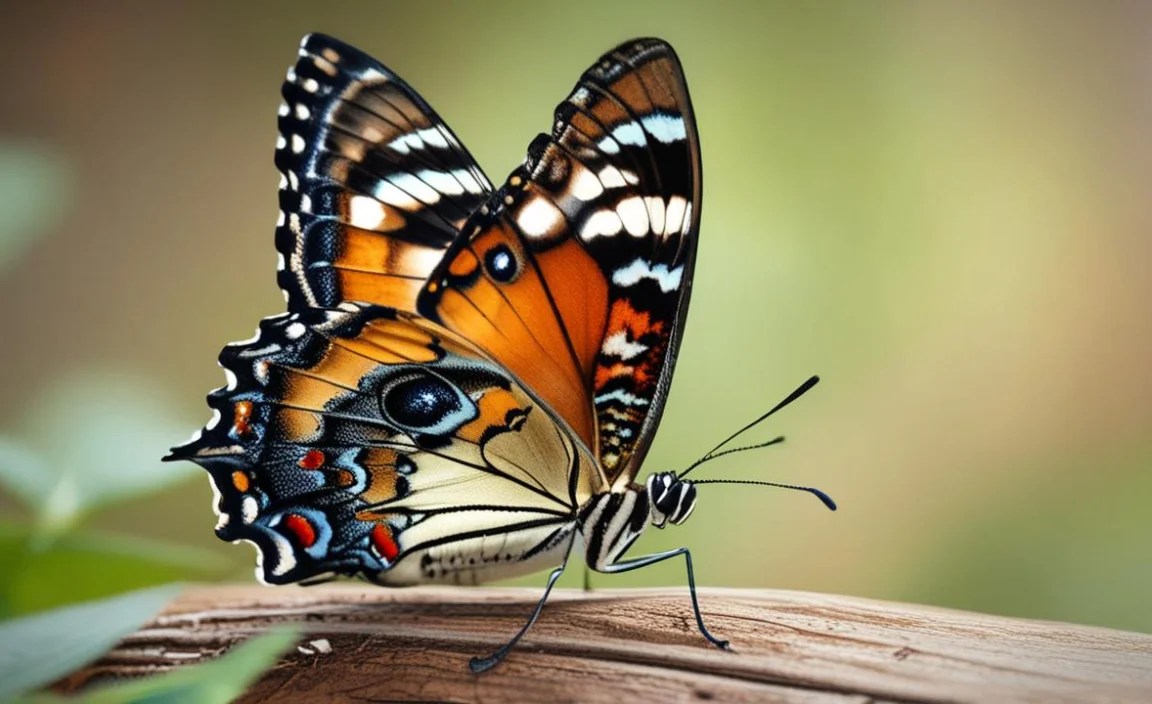
Keep a record of the butterflies you see. This information can be valuable for monitoring butterfly populations and contributing to conservation efforts. You can submit your sightings to citizen science projects or share them with local butterfly experts.
Key Butterfly Species to Look For in Burundi

Here are a few notable butterfly species you might encounter in Burundi:
- African Giant Swallowtail (Papilio antimachus): One of the largest butterflies in Africa, with striking orange and black markings.
- Mocker Swallowtail (Papilio dardanus): Known for its mimicry, with females exhibiting different color patterns to resemble unpalatable butterflies.
- African Monarch (Danaus chrysippus): A common orange butterfly with black and white markings, similar to the Monarch butterfly of North America.
- Common Diadem (Hypolimnas misippus): Another mimic, with females resembling the unpalatable African Monarch.
- Painted Lady (Vanessa cardui): A widespread butterfly found on almost every continent, known for its migratory behavior.
Butterfly Habitats in Burundi

Burundi’s diverse landscapes support a wide range of butterfly habitats.
Kibira National Park
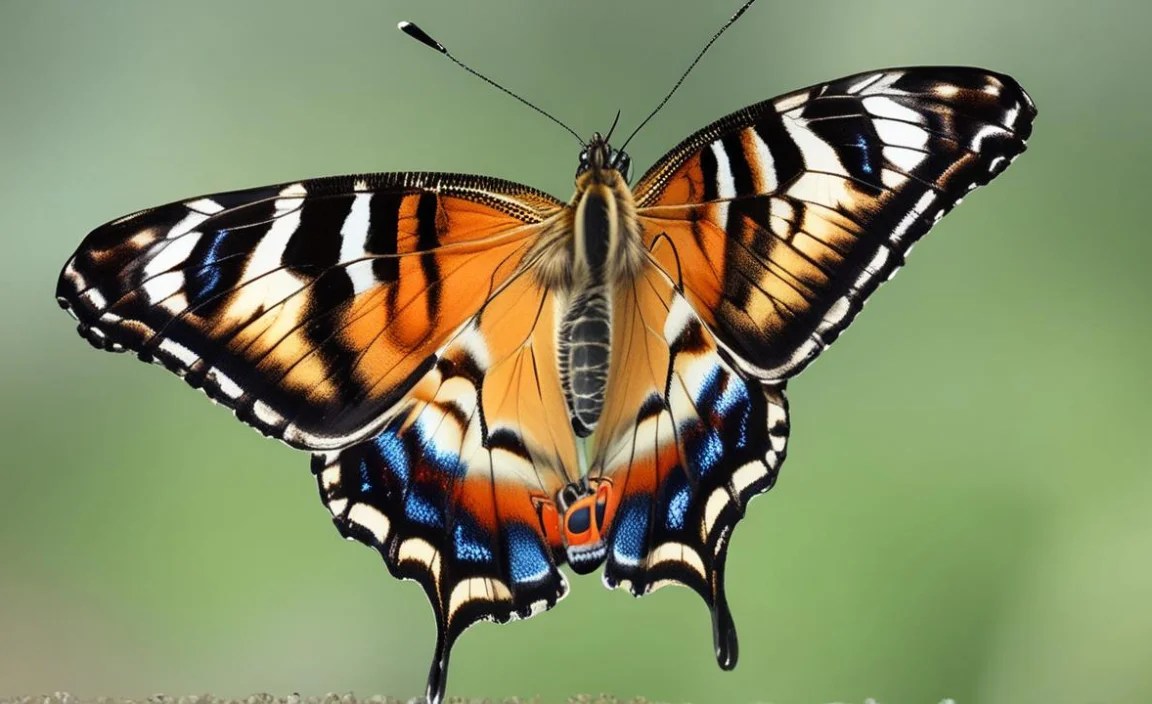
This large rainforest in northwestern Burundi is a haven for many butterfly species. The park’s dense vegetation and varied elevations create a diverse range of microclimates, supporting a rich insect fauna.
Ruvubu National Park
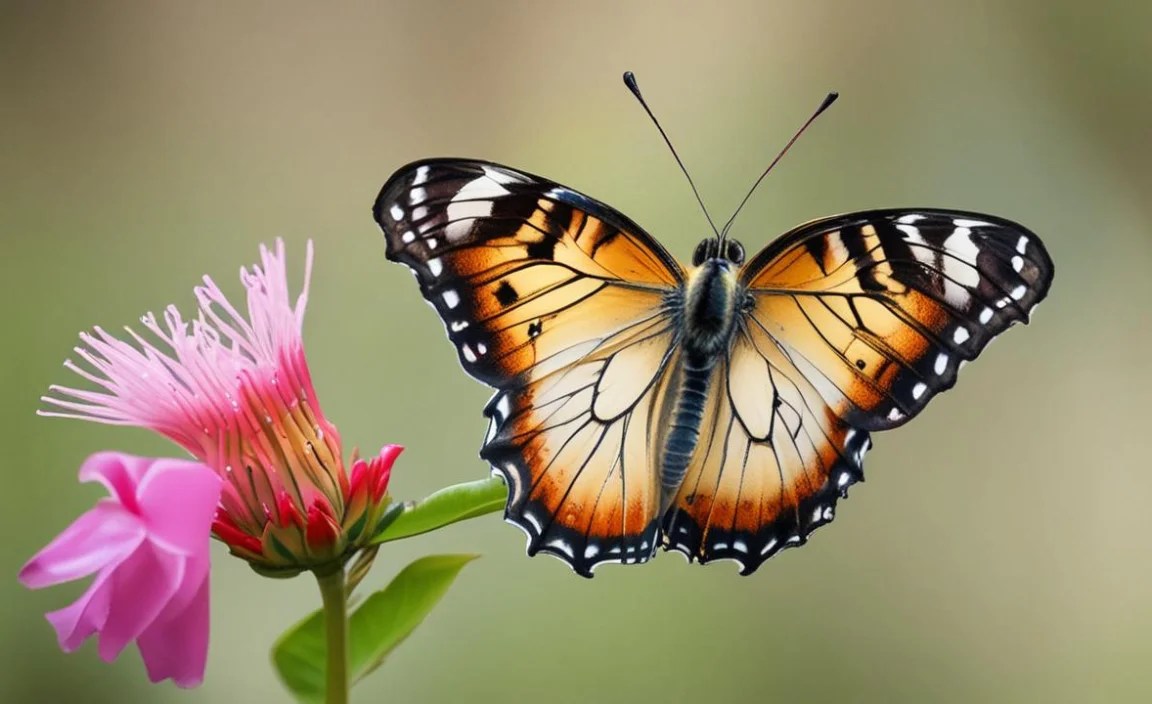
Located in eastern Burundi, Ruvubu National Park features savanna and woodland habitats. This park is home to a variety of butterflies adapted to drier conditions.
Agricultural Areas
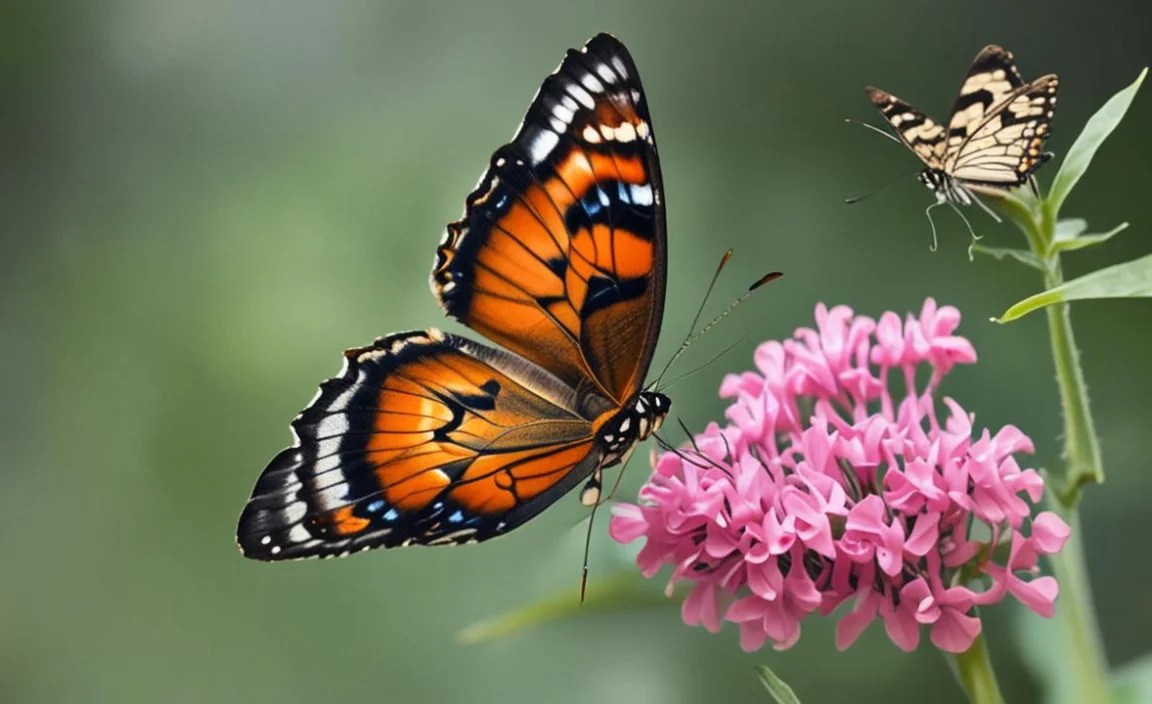
Even agricultural areas can provide habitat for butterflies, especially if farmers plant butterfly-friendly crops and avoid excessive pesticide use. Smallholder farms with diverse plantings can be surprisingly good for butterflies.
Attracting Butterflies to Your Garden

Want to see more butterflies? Create a butterfly-friendly garden!
Plant Host Plants
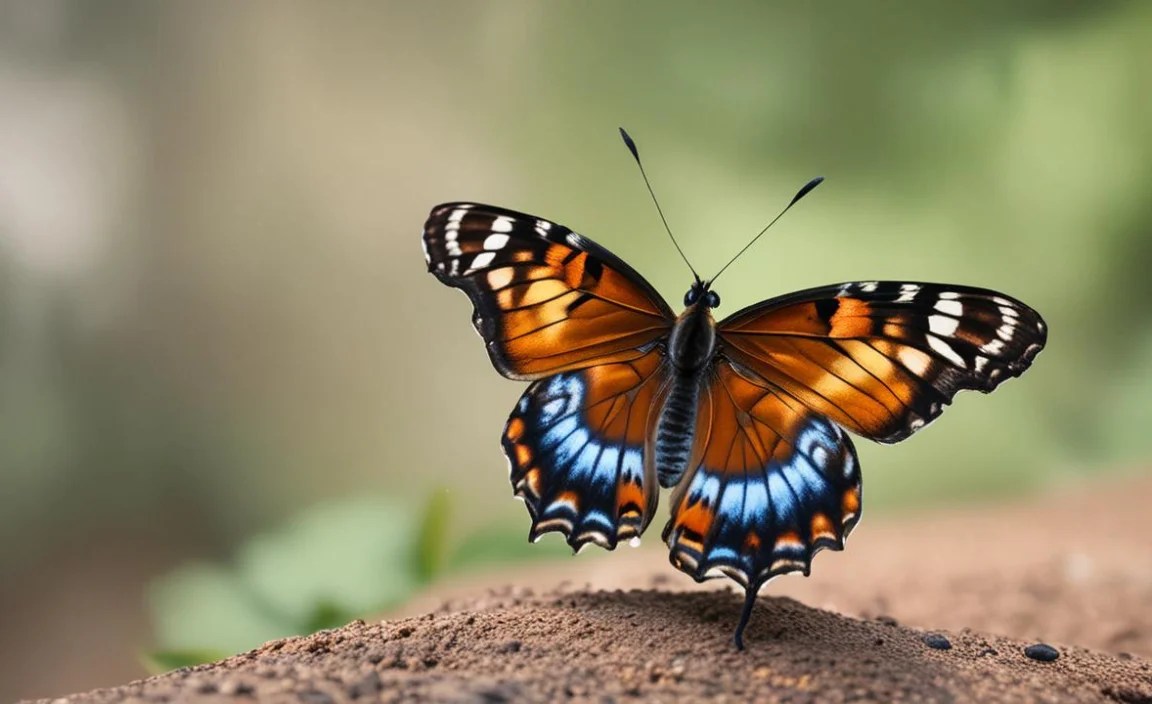
Butterflies need specific plants to lay their eggs on. Research which host plants are native to your area and plant them in your garden. Examples include:
- Milkweed: Host plant for the African Monarch butterfly.
- Citrus Trees: Host plant for Citrus Swallowtail butterflies.
- Acacia Trees: Host plant for many Lycaenid butterflies.
Provide Nectar Sources
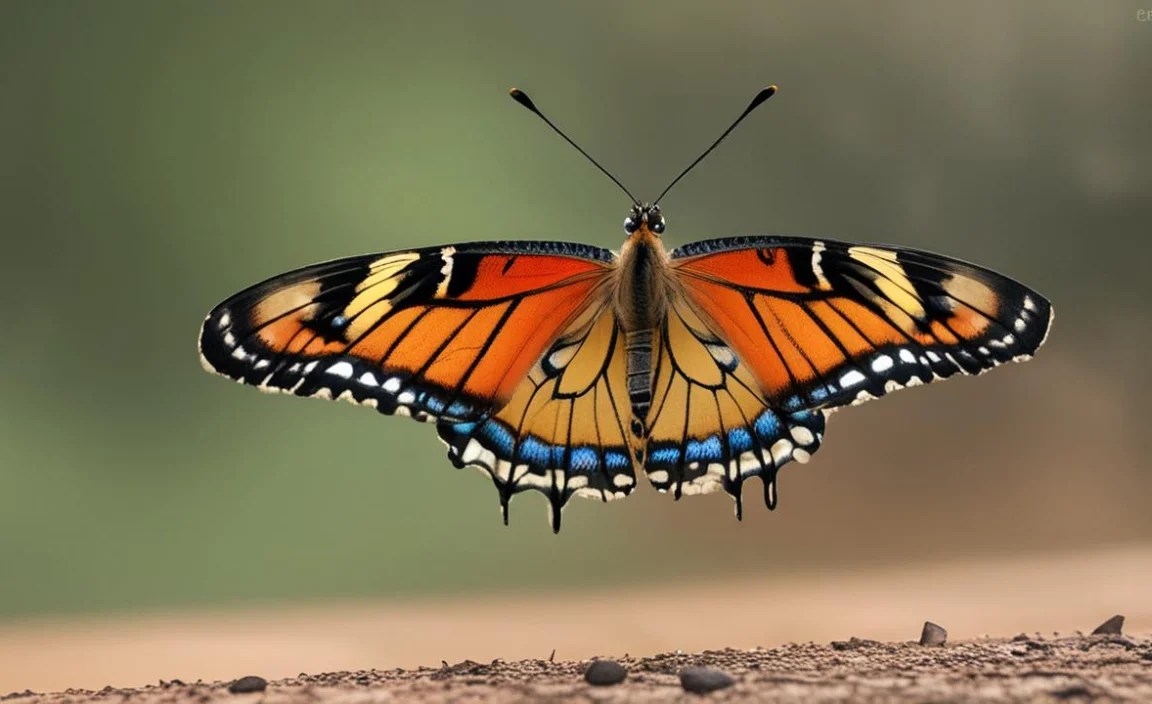
Plant flowers that provide nectar for adult butterflies. Choose a variety of colors and shapes to attract different species. Some good choices include:
- Lantana
- Hibiscus
- Bougainvillea
- Pentas
Offer Water and Shelter

Butterflies need water, especially during dry periods. Provide a shallow dish of water with pebbles or sand for them to land on. Also, plant shrubs and trees to provide shelter from wind and predators.
Avoid Pesticides
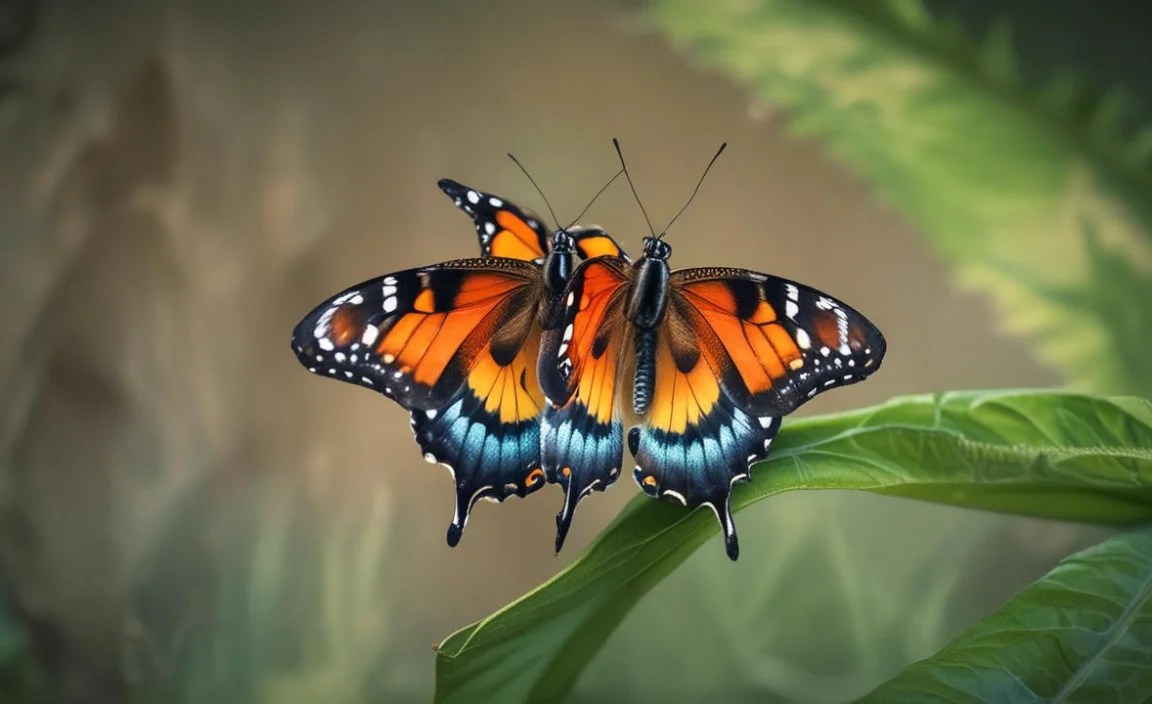
Pesticides can harm or kill butterflies and other beneficial insects. Avoid using pesticides in your garden, or choose organic alternatives.
Conservation Efforts for Burundi’s Butterflies

Many butterfly species are threatened by habitat loss, climate change, and pesticide use. Conservation efforts are essential to protect these beautiful creatures.
Habitat Preservation
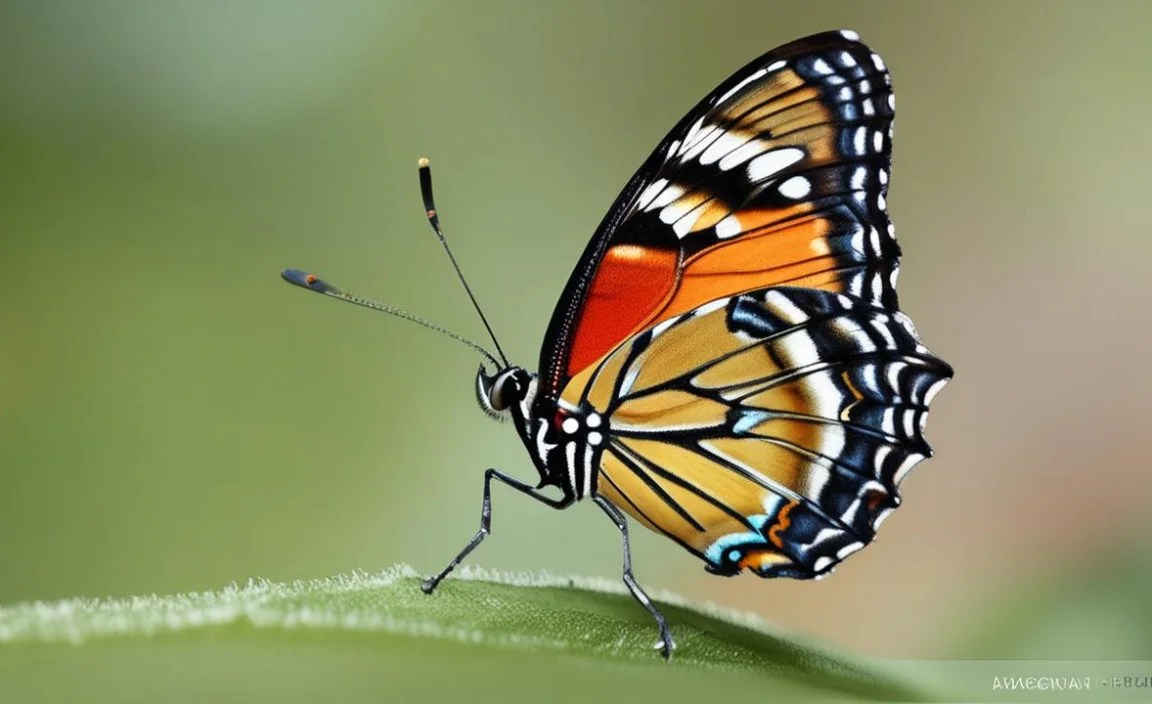
Protecting and restoring butterfly habitats is crucial. This includes conserving forests, grasslands, and wetlands, as well as promoting sustainable land management practices.
Sustainable Agriculture

Encouraging farmers to adopt sustainable agricultural practices can help protect butterflies and other wildlife. This includes reducing pesticide use, planting hedgerows and windbreaks, and promoting crop diversity.
Education and Awareness
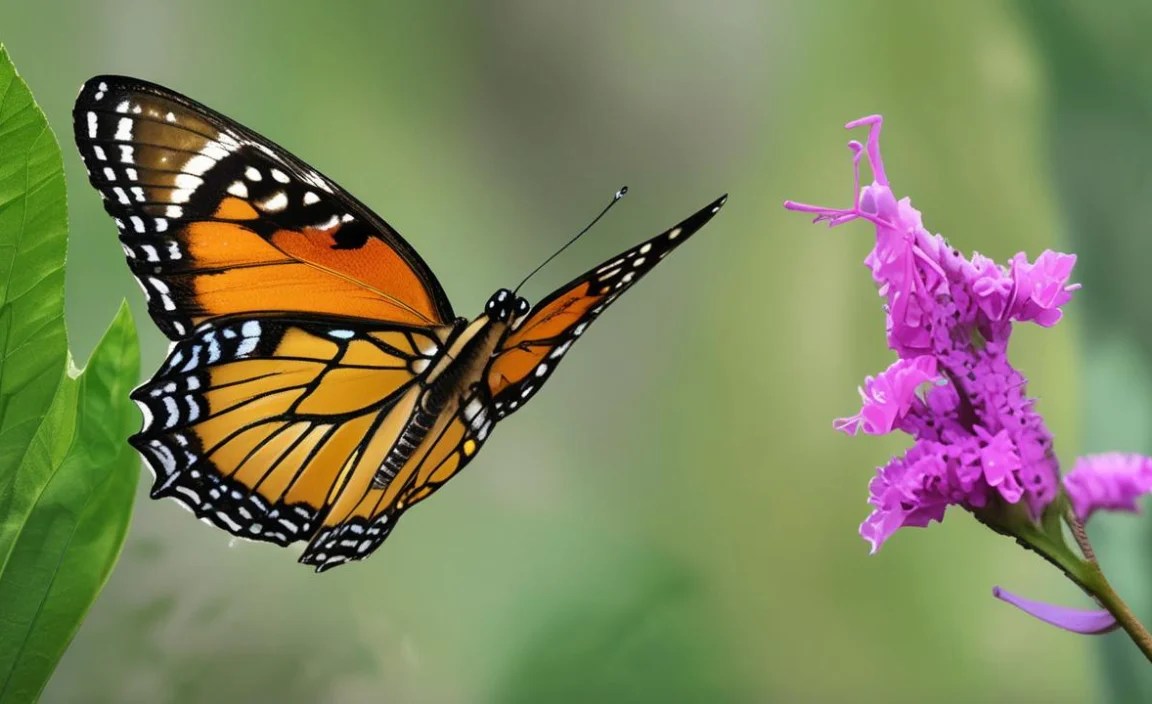
Raising awareness about the importance of butterflies and their conservation is essential. This can be done through educational programs, workshops, and outreach events.
Citizen Science
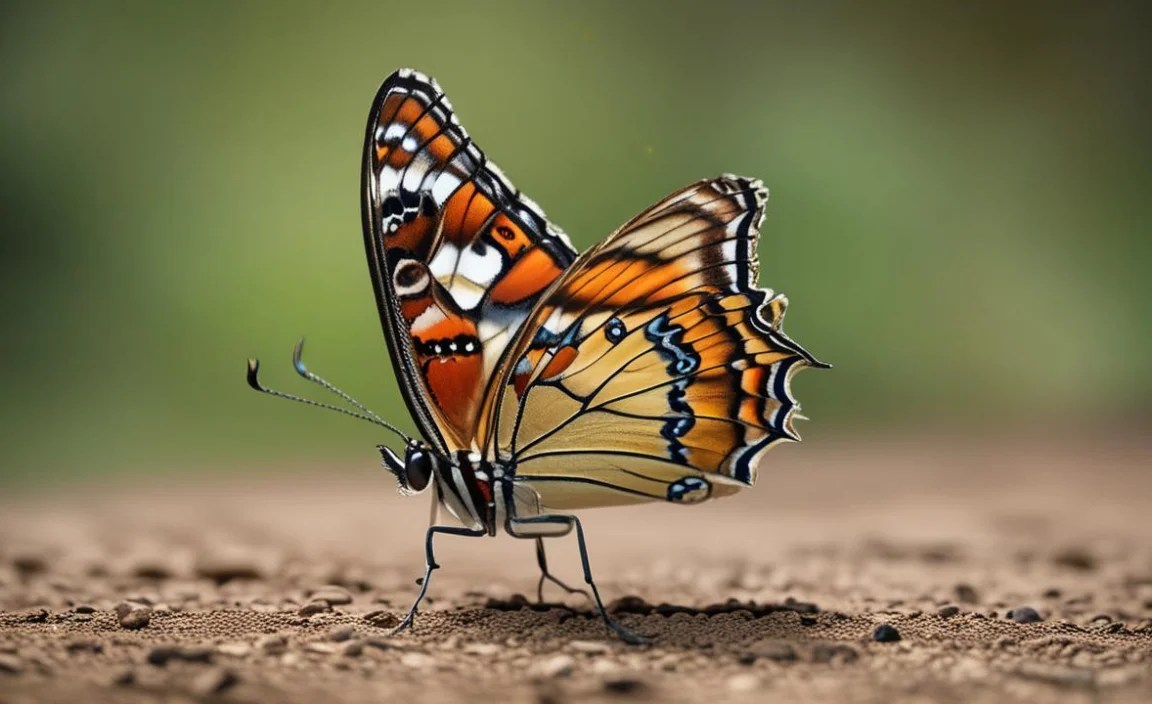
Citizen science projects allow volunteers to collect data on butterfly populations and distribution. This information can be used to monitor trends and inform conservation decisions. Consider participating in butterfly counts or other citizen science initiatives.
Resources for Further Learning
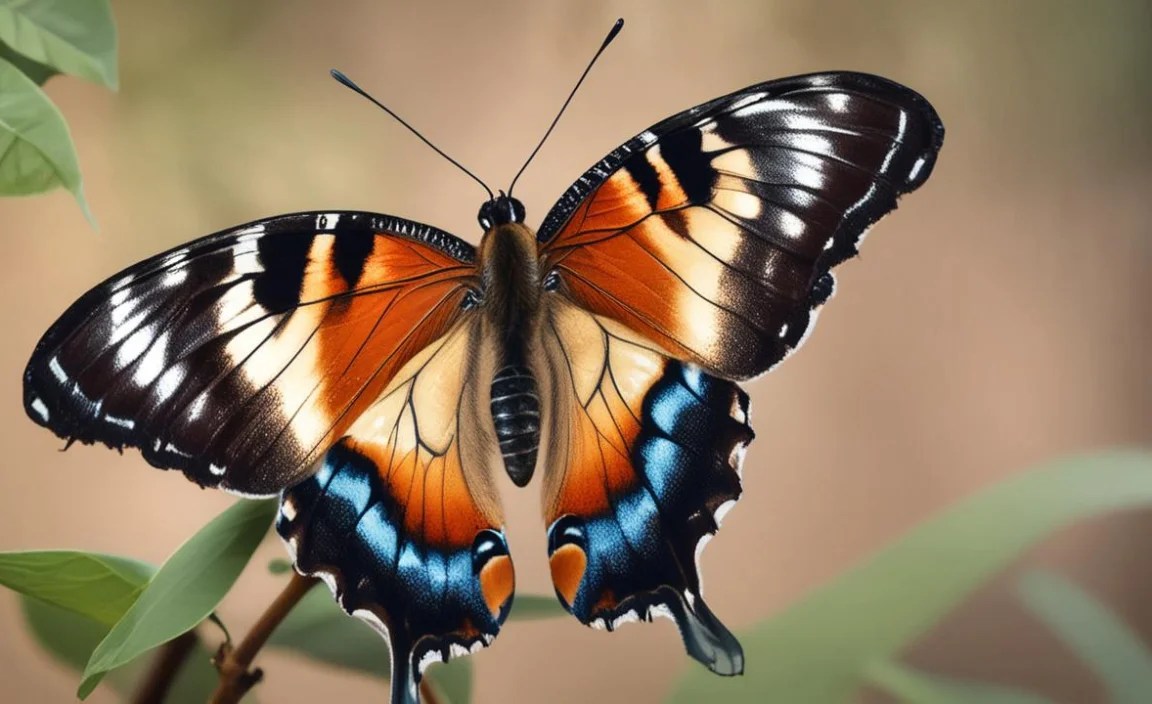
Want to learn more about butterflies? Here are some helpful resources:
- Field Guides: Look for field guides specific to East African butterflies. Some popular titles include “Butterflies of East Africa” by T.B. Larsen and “Field Guide to Butterflies of South Africa” which includes many species found in Burundi.
- Websites: Explore websites like The Lepidopterists’ Society of Africa for information on African butterflies.
- Organizations: Support organizations like the Xerces Society, which works to protect butterflies and other invertebrates.
The Cultural Significance of Butterflies in Burundi

Butterflies often hold symbolic meaning in different cultures. While specific information on the cultural significance of butterflies in Burundi may be limited, butterflies generally represent:
- Transformation: Reflecting their life cycle from caterpillar to butterfly.
- Hope: Signifying new beginnings and positive change.
- Beauty: Appreciated for their vibrant colors and delicate forms.
- Spiritual Connection: In some cultures, butterflies are believed to represent the souls of the departed.
Butterfly Photography Tips
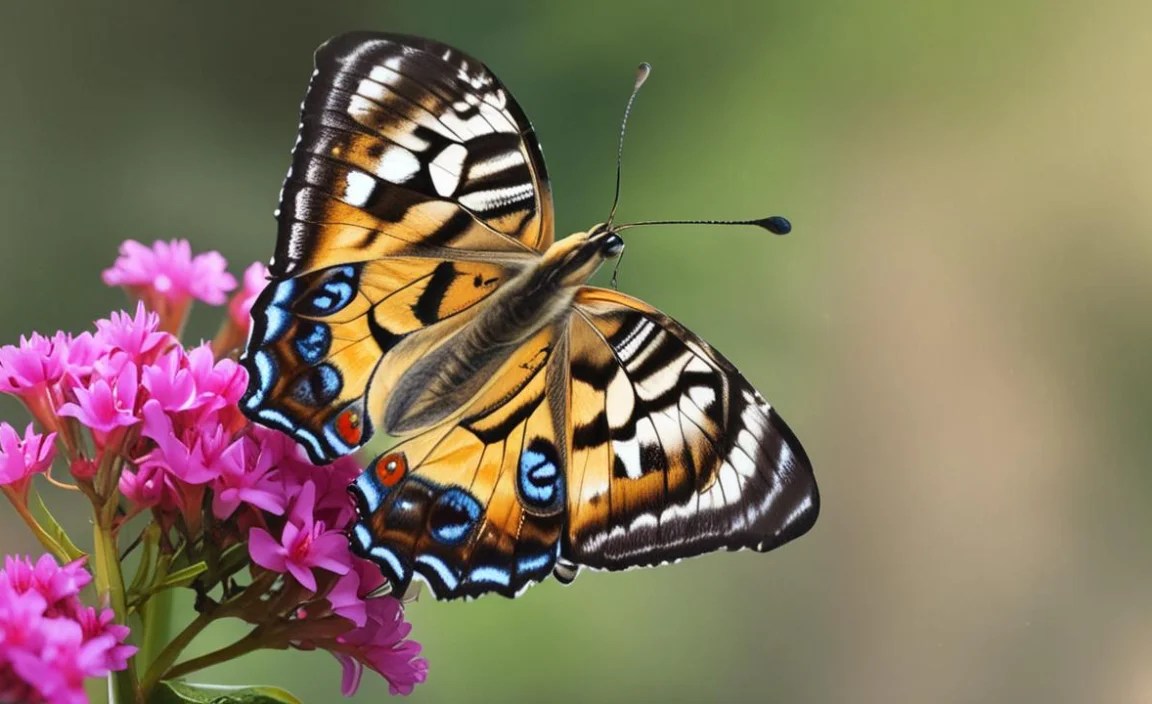
Capturing stunning photos of butterflies requires patience and a few key techniques.
- Use a Macro Lens: A macro lens allows you to focus closely on the butterfly and capture intricate details.
- Shoot in Natural Light: Avoid using flash, which can startle the butterfly and create harsh shadows.
- Focus Carefully: Focus on the butterfly’s eyes or antennae for the sharpest image.
- Be Patient: Butterflies are constantly moving, so be prepared to wait for the perfect shot.
- Consider the Background: Choose a background that complements the butterfly’s colors and doesn’t distract from the subject.
Table: Comparing Butterfly Families Found in Burundi

| Family | Common Name | Characteristics | Examples |
|---|---|---|---|
| Papilionidae | Swallowtails | Large, brightly colored, often with “tails” on hindwings | African Giant Swallowtail, Mocker Swallowtail |
| Pieridae | Whites and Yellows | White, yellow, or orange; often found in open areas | African Emigrant, Common Grass Yellow |
| Nymphalidae | Brush-footed Butterflies | Diverse shapes and colors; reduced front legs | African Monarch, Common Diadem |
| Lycaenidae | Blues, Coppers, and Hairstreaks | Small, often brightly colored; delicate patterns | African Cupid, Common Blue |
| Hesperiidae | Skippers | Small, stout-bodied; hooked antennae; rapid flight | African Skipper, Common Dart |
Table: Butterfly-Friendly Plants for Your Burundi Garden
| Plant Name | Type | Attracts | Notes |
|---|---|---|---|
| Lantana | Flowering Shrub | Various butterflies | Available in many colors; drought-tolerant |
| Hibiscus | Flowering Shrub | Swallowtails, Monarchs | Requires well-drained soil |
| Bougainvillea | Flowering Vine | Various butterflies | Needs support; attracts many nectar-feeding insects |
| Pentas | Flowering Plant | Various butterflies | Easy to grow; attracts hummingbirds too |
| Milkweed | Herbaceous Plant | African Monarch (host plant) | Essential for Monarch caterpillars |
FAQ: Butterflies of Burundi
What is the best time of year to see butterflies in Burundi?
The best time to see butterflies in Burundi is during the rainy season (October to May), when flowers are abundant and butterflies are most active.
Are there any endangered butterfly species in Burundi?
Yes, some butterfly species in Burundi are threatened by habitat loss and other factors. Conservation efforts are underway to protect these species.
What should I do if I find an injured butterfly?
If you find an injured butterfly, you can try to help it by providing it with sugar water (mix sugar and water) on a cotton ball. Place the cotton ball near the butterfly’s proboscis, and it may drink from it. You can also try to protect it from predators by placing it in a sheltered location.
Can I raise butterflies at home?
Yes, you can raise butterflies at home, but it’s important to do it responsibly. Make sure you have the correct host plants for the caterpillars and provide a safe and suitable environment for them to develop. Release the butterflies back into the wild in the same area where you found the eggs or caterpillars.
How can I contribute to butterfly conservation in Burundi?
You can contribute to butterfly conservation in Burundi by supporting local conservation organizations, planting butterfly-friendly gardens, avoiding pesticide use, and participating in citizen science projects.
What is the role of butterflies in the Burundian ecosystem?
Butterflies are important pollinators and play a vital role in the food chain. They also serve as indicators of environmental health, reflecting the quality and stability of their habitats.
Are there any butterfly farms or sanctuaries in Burundi?
While specific butterfly farms or sanctuaries in Burundi may be limited, ecotourism initiatives in national parks and protected areas often focus on showcasing the region’s biodiversity, including its butterflies. Check with local tourism offices for up-to-date information.
Conclusion
Exploring the butterflies of Burundi is a journey into a world of vibrant beauty and ecological importance. By learning to identify these fascinating creatures, creating butterfly-friendly habitats, and supporting conservation efforts, we can all play a part in protecting them for future generations. So, grab your binoculars, head out into nature, and prepare to be amazed by the fluttering jewels of Burundi!


