
Butterflies of Andes Mountains: Secret Beauty

Quick Summary: The Andes Mountains are home to a stunning variety of butterflies, adapted to different altitudes and climates. From the vibrant Andean Swallowtail to the camouflaged Metalmark, these butterflies showcase unique adaptations, behaviors, and crucial roles in their ecosystems. Observing them involves visiting national parks, respecting their habitats, and understanding their life cycles to support conservation efforts.
Have you ever imagined a world where colorful butterflies dance among snow-capped peaks? The Andes Mountains, a majestic range stretching across South America, are home to an incredible diversity of these winged jewels. It can feel overwhelming to identify the different species and understand their lives. But don’t worry! This guide will help you explore the fascinating butterflies of the Andes, understand their unique adaptations, and discover how you can help protect them. Get ready to embark on a journey through this high-altitude paradise, where every flutter tells a story.
Why are Butterflies of the Andes Special?

The Andes Mountains are a biodiversity hotspot, meaning they have a high concentration of different plant and animal species. The unique climate and varied elevations create distinct habitats, each supporting its own set of butterfly species. These butterflies have adapted to survive in challenging conditions, showcasing remarkable evolutionary adaptations. Understanding these adaptations is key to appreciating the unique nature of these insects.
Adaptations to High Altitudes
Living in the Andes requires special adaptations. Andean butterflies have evolved to cope with:
- Lower oxygen levels: Some butterflies have more efficient respiratory systems.
- Extreme temperature fluctuations: Many are darker in color to absorb more heat.
- Strong winds: Some species have smaller wings or behaviors to avoid winds.
- Intense UV radiation: Butterflies have developed pigments that act as natural sunscreens.
Ecological Roles
Like butterflies everywhere, Andean species are vital for their ecosystems:
- Pollination: Butterflies help pollinate many plants, including some that are important food sources.
- Food source: They are an important food source for birds, reptiles, and other insects.
- Indicators of environmental health: Changes in butterfly populations can indicate environmental problems.
Identifying Common Andean Butterflies
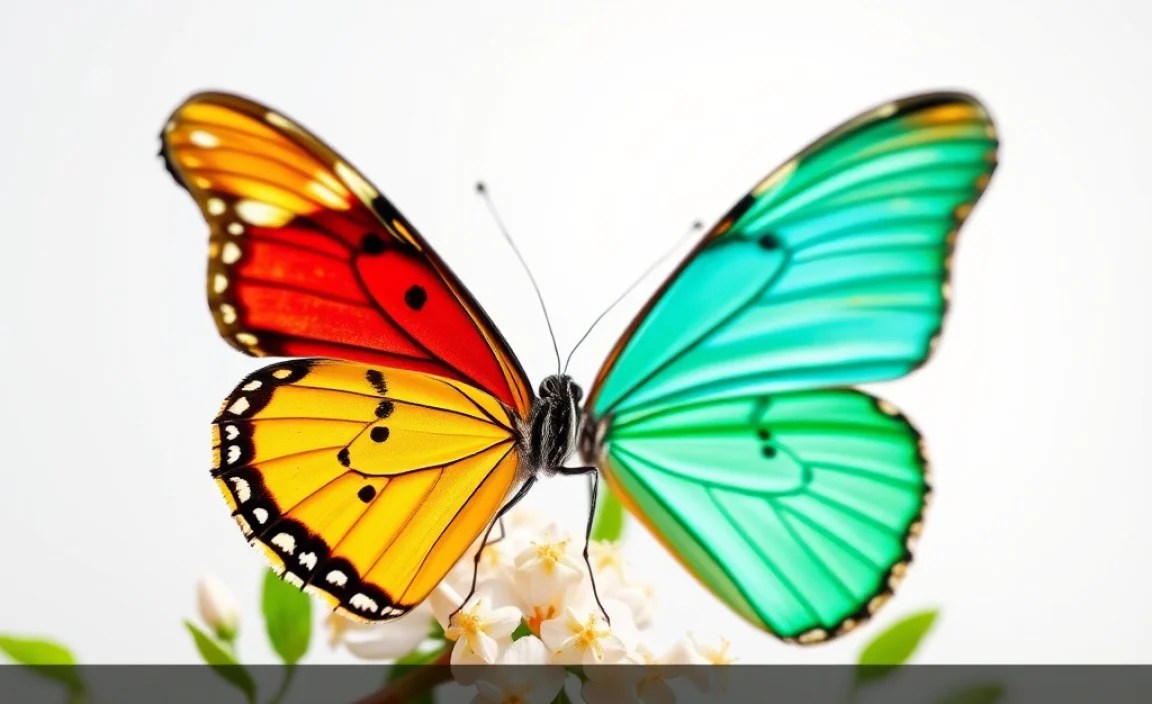
Identifying butterflies can be a fun and rewarding experience. Here are some of the most common and fascinating species you might encounter in the Andes:
Andean Swallowtail (Heraclides thoas ecuadoriensis)
This striking butterfly is known for its large size and distinctive swallowtail wings. It’s often seen flitting around open areas and forest edges.
- Appearance: Black with yellow bands and a long “tail” on each hindwing.
- Habitat: Prefers subtropical forests and open areas.
- Fun Fact: Its caterpillars feed on citrus trees, making it both a beautiful sight and, sometimes, a pest in agricultural areas.
Metalmarks (Riodinidae family)
Metalmarks are a diverse group of small butterflies, often with iridescent spots on their wings. They can be challenging to identify to species level, but their metallic markings make them easy to recognize as a group.
- Appearance: Small, with metallic spots or lines on their wings. Colors vary widely.
- Habitat: Found in a variety of habitats, from forests to grasslands.
- Fun Fact: Many metalmark caterpillars are associated with ants, receiving protection in exchange for providing the ants with sugary secretions.
Admirals and Relatives (Nymphalidae family)
This large family includes many familiar butterflies, such as admirals, fritillaries, and emperors. Andean species often have unique color patterns and adaptations.
- Appearance: Highly variable, but often brightly colored with intricate patterns.
- Habitat: Found in diverse habitats across the Andes.
- Fun Fact: Many nymphalids have evolved elaborate camouflage to avoid predators.
Clouded Yellows (Colias species)
These fast-flying butterflies are often seen in open meadows and grasslands. Their bright yellow or orange wings make them easy to spot.
- Appearance: Yellow or orange wings, often with dark borders.
- Habitat: Prefers open meadows and grasslands.
- Fun Fact: Clouded yellows are known for their migratory behavior, with populations sometimes moving long distances in search of food or suitable breeding grounds.
Checkered Whites (Pontia species)
These small, delicate butterflies are common in disturbed habitats and gardens. Their black-and-white checkered patterns provide excellent camouflage.
- Appearance: White wings with black checkered patterns.
- Habitat: Found in disturbed habitats, gardens, and open areas.
- Fun Fact: Checkered whites are highly adaptable and can thrive in a variety of environments, including urban areas.
Skippers (Hesperiidae family)
Skippers are small, fast-flying butterflies with hooked antennae. They are often overlooked, but they are an important part of the Andean butterfly fauna.
- Appearance: Small, with robust bodies and hooked antennae.
- Habitat: Found in a variety of habitats, from forests to grasslands.
- Fun Fact: Skippers get their name from their rapid, skipping flight pattern.
Where to See Andean Butterflies

Several national parks and reserves offer excellent opportunities to observe Andean butterflies in their natural habitats. Here are a few suggestions:
- Ecuador: Podocarpus National Park, Sangay National Park
- Peru: Manu National Park, Huascarán National Park
- Colombia: Cocuy National Park, Puracé National Park
- Bolivia: Madidi National Park, Sajama National Park
- Chile: Lauca National Park, Torres del Paine National Park
- Argentina: Nahuel Huapi National Park, Los Glaciares National Park
When visiting these areas, remember to stay on marked trails, avoid disturbing vegetation, and never collect butterflies. Respecting their habitat is crucial for their survival.
Tips for Butterfly Watching
To make the most of your butterfly watching experience, consider these tips:
- Bring binoculars: Binoculars will help you get a closer look at butterflies without disturbing them.
- Use a field guide: A field guide will help you identify different species.
- Wear appropriate clothing: Wear light-colored clothing and a hat to protect yourself from the sun.
- Be patient: Butterflies can be elusive, so be patient and take your time.
- Observe their behavior: Take note of what the butterflies are doing, such as feeding, mating, or laying eggs.
- Take photos: Capture your observations with a camera to share with others or use for later identification.
Attracting Butterflies to Your Garden

Even if you don’t live in the Andes, you can help support butterfly populations by creating a butterfly-friendly garden. Here’s how:
- Plant native flowers: Native flowers provide the best source of nectar for butterflies.
- Provide host plants: Host plants are plants that butterfly caterpillars eat.
- Provide a water source: Butterflies need water to drink. You can provide a shallow dish of water with pebbles for them to land on.
- Avoid pesticides: Pesticides can harm butterflies and other beneficial insects.
- Provide shelter: Plant shrubs and trees to provide shelter from the wind and sun.
The Butterfly Life Cycle
Understanding the butterfly life cycle is key to appreciating these creatures. Butterflies undergo complete metamorphosis, which means they have four distinct life stages:
- Egg: Butterflies lay their eggs on host plants. The eggs can be tiny and come in various shapes and colors.
- Larva (Caterpillar): The larva hatches from the egg and spends its time eating and growing. Caterpillars molt several times as they grow, shedding their skin.
- Pupa (Chrysalis): Once the caterpillar is fully grown, it forms a pupa or chrysalis. Inside the chrysalis, the caterpillar transforms into a butterfly.
- Adult: The adult butterfly emerges from the chrysalis. It spends its time feeding, mating, and laying eggs.
Conservation Efforts
Many Andean butterfly species are threatened by habitat loss, climate change, and other factors. Several organizations are working to protect these butterflies and their habitats. Here are some ways you can help:
- Support conservation organizations: Donate to organizations that are working to protect Andean butterflies and their habitats. Some examples are the Amazon Conservation Association and the Nature Conservancy.
- Reduce your carbon footprint: Climate change is a major threat to butterflies. Reduce your carbon footprint by driving less, using less energy, and eating less meat.
- Educate others: Share your knowledge about Andean butterflies with others. The more people who care about these creatures, the better chance they have of surviving.
- Participate in citizen science: Contribute to butterfly monitoring programs by reporting your sightings. This data helps scientists track butterfly populations and identify areas that need protection.
Symbolism and Cultural Significance
Butterflies have long held symbolic and cultural significance in many cultures around the world. In the Andes, butterflies are often associated with:
- Transformation: The butterfly’s metamorphosis from caterpillar to butterfly symbolizes transformation and rebirth.
- Hope: Butterflies are often seen as symbols of hope and new beginnings.
- Souls: In some cultures, butterflies are believed to represent the souls of the dead.
- Good luck: Seeing a butterfly is often considered a sign of good luck.
| Butterfly Aspect | Symbolic Meaning |
|---|---|
| Transformation | Represents change, growth, and renewal. |
| Beauty | Symbolizes the delicate and ephemeral nature of beauty. |
| Freedom | Represents the ability to move freely and pursue one’s dreams. |
| Resurrection | Linked to spiritual rebirth and new life in some cultures. |
Gear Recommendations for Butterfly Watching
Having the right gear can significantly enhance your butterfly watching experience. Here’s a list of recommended items:
- Binoculars: Essential for getting a close-up view of butterflies without disturbing them. Look for binoculars with good magnification and clarity.
- Butterfly Field Guide: A comprehensive guide to help you identify different butterfly species in the Andes region.
- Camera: A camera with a macro lens is ideal for capturing detailed photos of butterflies.
- Notebook and Pen: For recording your observations, including species, location, and behavior.
- Backpack: To carry your gear, water, snacks, and other essentials.
- Comfortable Hiking Shoes: Comfortable shoes are crucial for exploring the Andean trails.
- Sunscreen and Hat: To protect yourself from the intense Andean sun.
- Insect Repellent: To ward off mosquitoes and other biting insects.
- Water Bottle: Staying hydrated is essential, especially at high altitudes.
Photographing Andean Butterflies
Photographing butterflies can be a challenging but rewarding experience. Here are some tips for capturing stunning butterfly photos:
- Use a macro lens: A macro lens will allow you to get close-up shots of butterflies.
- Shoot in natural light: Natural light is the best light for photographing butterflies. Avoid using flash, which can scare them away.
- Focus carefully: Focus on the butterfly’s eyes or antennae for the sharpest image.
- Use a fast shutter speed: A fast shutter speed will help you freeze the butterfly’s motion.
- Be patient: Butterflies can be restless, so be patient and wait for the right moment.
- Respect their space: Avoid getting too close to butterflies, which can scare them away.
Butterfly-Friendly Plants for Andean Gardens
If you live in the Andes region, you can attract butterflies to your garden by planting native butterfly-friendly plants. Here are some recommended species:
| Plant Name | Description | Attracts |
|---|---|---|
| Lantana (Lantana camara) | A flowering shrub with clusters of colorful flowers. | Various butterfly species, especially swallowtails. |
| Verbena (Verbena bonariensis) | A tall, slender plant with clusters of purple flowers. | Monarchs, swallowtails, and other butterflies. |
| Salvia (Salvia spp.) | A diverse group of plants with colorful flowers and aromatic foliage. | Hummingbirds and butterflies. |
| Cosmos (Cosmos bipinnatus) | A daisy-like flower with delicate petals in various colors. | Monarchs, painted ladies, and other butterflies. |
| Zinnia (Zinnia elegans) | A bright and cheerful flower with a variety of colors and shapes. | Monarchs, swallowtails, and other butterflies. |
FAQ: Butterflies of the Andes Mountains
Here are some frequently asked questions about butterflies of the Andes Mountains:
- What is the biggest threat to Andean butterflies?
- Habitat loss due to deforestation and agricultural expansion is the biggest threat. Climate change also poses a significant risk.
- Are Andean butterflies poisonous?
- Some Andean butterflies are poisonous. Their caterpillars feed on toxic plants and retain the toxins, making them unpalatable to predators. Bright colors often warn predators of their toxicity.
- Do Andean butterflies migrate?
- Some Andean butterflies migrate short distances, moving to lower altitudes during the colder months. However, long-distance migration is less common compared to butterflies in North America.
- How can I tell the difference between a male and female Andean butterfly?
- In some species, males and females have different color patterns or wing shapes. Males are often brighter or have more elaborate markings. A butterfly field guide can help you identify these differences.
- What do Andean butterflies eat?
- Adult Andean butterflies feed on nectar from flowers. Caterpillars feed on the leaves of specific host plants, which vary depending on the butterfly species.
- Are there any endangered Andean butterfly species?
- Yes, several Andean butterfly species are endangered or threatened due to habitat loss and other factors. Conservation efforts are crucial to protect these species.
- When is the best time to see butterflies in the Andes?
- The best time to see butterflies in the Andes is during the warmer months, typically from November to April. During this time, butterflies are more active and easier to spot.
Conclusion
The butterflies of the Andes Mountains are a testament to the incredible biodiversity of our planet. These delicate creatures have adapted to thrive in challenging environments, showcasing the power of evolution. By understanding their unique adaptations, ecological roles, and conservation needs, we can play a part in protecting these winged jewels for future generations. Whether you’re exploring the Andean highlands or creating a butterfly-friendly garden, every effort counts. Let’s continue to learn, appreciate, and protect the butterflies of the Andes and the ecosystems they call home.


