
Butterflies of Brahmaputra Valley: A Colorful Guide

The Brahmaputra Valley is home to a stunning array of butterflies! This biodiverse region boasts vibrant species like the Common Peacock, the elusive Bhutan Glory, and the dazzling Yellow Gorgon. To identify them, look for unique wing patterns, sizes, and flight behaviors. Protecting their habitats is key to keeping these beauties fluttering!
Have you ever been mesmerized by the sight of a butterfly flitting through your garden? In the lush Brahmaputra Valley, this experience is amplified by the incredible diversity of butterfly species. Identifying these delicate creatures can seem daunting, but it’s an enriching journey that connects you to the heart of nature. Let’s explore the colorful world of Brahmaputra Valley butterflies together!
In this guide, we’ll walk you through the steps to identify some of the most common and unique butterflies in the region. You’ll learn about their habitats, behaviors, and the vital role they play in our ecosystem. Plus, we’ll share tips on how to create a butterfly-friendly garden right at home. So, grab your binoculars, and let’s get started!
Identifying Butterflies of the Brahmaputra Valley: A Beginner’s Guide

The Brahmaputra Valley, nestled in northeastern India, is a biodiversity hotspot teeming with life. Among its many treasures are the butterflies, with their delicate wings and vibrant colors. Identifying these butterflies can be a rewarding experience, connecting you to the intricate web of life in this unique ecosystem.
Understanding Butterfly Basics
Before diving into specific species, let’s cover some fundamental aspects of butterfly identification:
- Wing Patterns: Butterflies have distinct patterns on their wings. These patterns can be spots, stripes, bands, or intricate designs that vary widely among species.
- Size: Butterfly sizes range from tiny to quite large. Note the wingspan to help narrow down the possibilities.
- Color: Color is a key identifier. Butterflies display a wide spectrum of colors, including vibrant hues and subtle shades.
- Shape: The shape of the wings and body can also be distinctive. Some butterflies have elongated wings, while others have rounded ones.
- Behavior: Observe how the butterfly flies and where it feeds. Some butterflies are fast fliers, while others glide gracefully.
Common Butterfly Families in the Brahmaputra Valley
Understanding the different butterfly families can make identification easier. Here are some of the most common families you’ll encounter in the Brahmaputra Valley:
- Papilionidae (Swallowtails): These butterflies are known for their elegant tails and vibrant colors. They are often large and striking.
- Pieridae (Whites and Yellows): As the name suggests, these butterflies are typically white or yellow. They are often seen fluttering in open fields.
- Nymphalidae (Brush-footed Butterflies): This large family includes many familiar butterflies, such as monarchs and admirals. They often have reduced front legs, giving them the appearance of only having four legs.
- Lycaenidae (Blues, Coppers, and Hairstreaks): These small butterflies are often brightly colored, with intricate patterns. They are known for their close association with specific host plants.
- Hesperiidae (Skippers): Skippers are small, stout-bodied butterflies with hooked antennae. They have a rapid, darting flight.
Step-by-Step Guide to Identifying Brahmaputra Valley Butterflies

Let’s break down the identification process into manageable steps:
Step 1: Observe the Butterfly Closely
The first step in identifying a butterfly is careful observation. Use binoculars if necessary to get a good look without disturbing the butterfly.
- Note the Size: Is the butterfly small, medium, or large? Estimate the wingspan.
- Examine the Colors: What are the dominant colors on the wings? Are there any distinct patterns or markings?
- Observe the Shape: What is the shape of the wings? Are they rounded, elongated, or angular?
- Watch the Behavior: How does the butterfly fly? Where does it feed? Does it prefer sunny or shady areas?
Step 2: Identify the Butterfly Family
Based on your observations, try to determine which family the butterfly belongs to. Use the descriptions above to guide you.
| Family | Characteristics | Common Colors |
|---|---|---|
| Papilionidae (Swallowtails) | Tails on wings, large size | Black, yellow, blue, red |
| Pieridae (Whites and Yellows) | White or yellow wings | White, yellow |
| Nymphalidae (Brush-footed Butterflies) | Reduced front legs, varied patterns | Orange, brown, black, white |
| Lycaenidae (Blues, Coppers, and Hairstreaks) | Small size, intricate patterns | Blue, copper, brown |
| Hesperiidae (Skippers) | Hooked antennae, stout body | Brown, orange |
Step 3: Consult Field Guides and Online Resources
Once you have a general idea of the butterfly’s family, consult field guides and online resources to narrow down the possibilities. Some excellent resources include:
- Field Guides: A field guide specific to Indian butterflies is invaluable. Look for guides with detailed descriptions and photographs.
- Online Databases: Websites like “Butterflies of India” and iNaturalist are great resources for identifying butterflies. You can search by region, family, or color.
- Butterfly Forums and Communities: Join online forums or communities dedicated to butterflies. Share your photos and ask for help from experienced enthusiasts.
Step 4: Compare Your Observations
Compare your observations with the descriptions and images in your field guides or online resources. Pay close attention to the details of the wing patterns, colors, and markings.
- Match the Patterns: Look for specific patterns that match the butterfly you observed.
- Check the Range: Make sure the butterfly species is known to occur in the Brahmaputra Valley.
- Consider Similar Species: Be aware of similar species that might be confused with the one you are trying to identify.
Step 5: Confirm with Experts
If you’re still unsure about the identification, seek confirmation from experts. Share your photos and observations with local butterfly experts or natural history museums. Their expertise can help you accurately identify the butterfly.
Notable Butterflies of the Brahmaputra Valley

Let’s explore some of the most fascinating butterflies you might encounter in the Brahmaputra Valley:
The Common Peacock (Papilio polyctor)
The Common Peacock is a stunning swallowtail butterfly with iridescent blue-green wings. It’s a common sight in gardens and forests throughout the region.
- Identification: Look for the iridescent blue-green wings with black borders and a small red spot on the hindwing.
- Habitat: Gardens, forests, and open woodlands.
- Host Plant: Citrus plants.
The Bhutan Glory (Bhutanitis lidderdalii)
The Bhutan Glory is a rare and elusive swallowtail butterfly found in the eastern Himalayas. It’s known for its striking black and white wings with red spots.
- Identification: Look for the black and white wings with long tails and red spots.
- Habitat: Forests and woodlands.
- Host Plant: Aristolochia species.
The Yellow Gorgon (Meandrusa payeni draconis)
The Yellow Gorgon is a large and impressive butterfly with bright yellow wings and black markings. It’s a strong flier and can be seen soaring through the forest canopy.
- Identification: Look for the bright yellow wings with black markings and a distinctive shape.
- Habitat: Forests and woodlands.
- Host Plant: Litsea species.
The Common Rose (Pachliopta aristolochiae)
The Common Rose is a beautiful butterfly with black wings and bright pink or red markings. It is often seen in gardens and open areas.
- Identification: Look for the black wings with pink or red markings, and a row of red spots on the hindwings.
- Habitat: Gardens, open areas, and forests.
- Host Plant: Aristolochia indica.
The Chocolate Albatross (Appias lyncida)
The Chocolate Albatross is a medium-sized butterfly with white wings and chocolate-brown markings. It is a common sight in the Brahmaputra Valley and can be found in a variety of habitats.
- Identification: Look for the white wings with chocolate-brown markings, particularly along the wing margins.
- Habitat: Forests, gardens, and open areas.
- Host Plant: Various species of Crateva.
Creating a Butterfly-Friendly Habitat
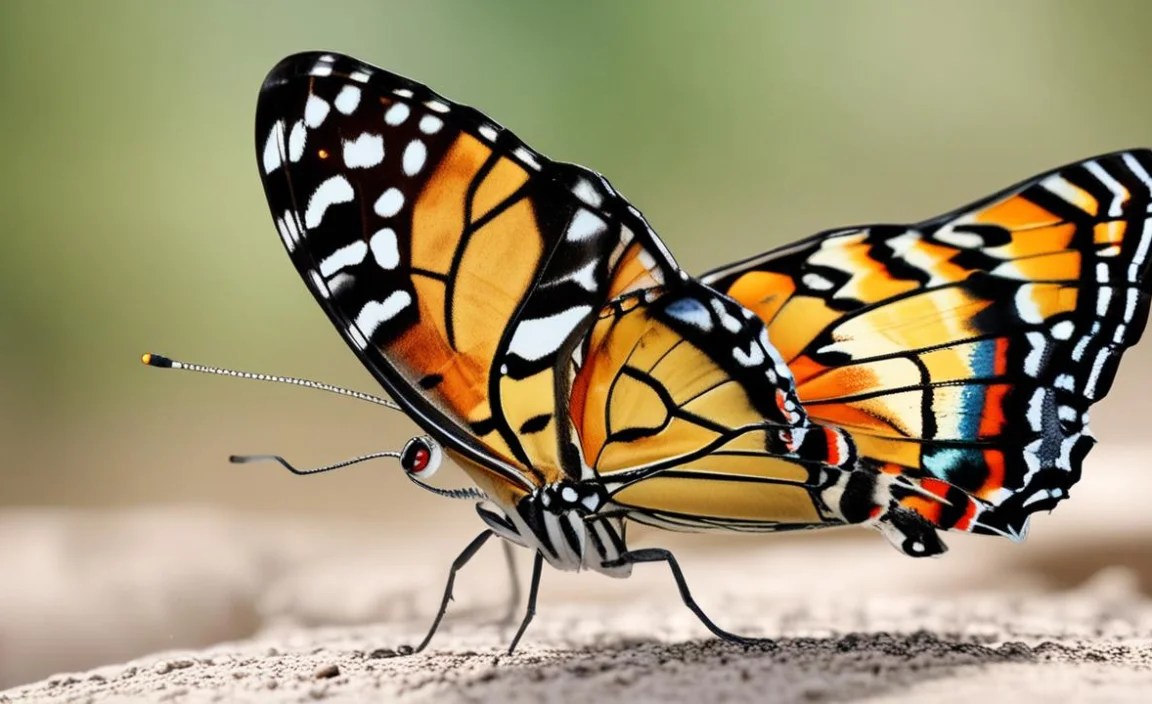
Attracting butterflies to your garden is a wonderful way to enjoy their beauty up close and support their conservation. Here are some tips for creating a butterfly-friendly habitat:
- Plant Host Plants: Butterflies need specific host plants for their caterpillars to feed on. Research which host plants are suitable for the butterflies in your area and plant them in your garden.
- Provide Nectar Sources: Butterflies feed on nectar from flowers. Plant a variety of nectar-rich flowers that bloom throughout the season.
- Offer Shelter: Butterflies need shelter from wind and rain. Provide shrubs, trees, and other plants that offer protection.
- Provide Water: Butterflies need water to drink. Create a shallow puddle or birdbath with stones for them to land on.
- Avoid Pesticides: Pesticides can harm or kill butterflies and other beneficial insects. Avoid using pesticides in your garden.
Here are some butterfly-friendly plants that thrive in the Brahmaputra Valley:
| Plant Name | Type | Attracts |
|---|---|---|
| Marigold (Tagetes spp.) | Flower | Many butterfly species |
| Zinnia (Zinnia elegans) | Flower | Swallowtails, Monarchs |
| Butterfly Bush (Buddleja davidii) | Shrub | Various butterfly species |
| Citrus Trees (Citrus spp.) | Tree | Common Peacock caterpillars |
| Aristolochia (Aristolochia spp.) | Vine | Bhutan Glory caterpillars, Common Rose caterpillars |
The Importance of Butterfly Conservation

Butterflies are not only beautiful, but they also play a vital role in the ecosystem. They are important pollinators, helping to fertilize plants and ensure the production of fruits and seeds. Butterflies are also an important food source for birds, bats, and other animals.
Unfortunately, butterfly populations are declining in many parts of the world due to habitat loss, pesticide use, and climate change. By protecting butterfly habitats and creating butterfly-friendly gardens, we can help ensure that these beautiful creatures continue to thrive.
Threats to Butterflies in the Brahmaputra Valley
Several factors threaten butterfly populations in the Brahmaputra Valley:
- Habitat Loss: Deforestation and urbanization are destroying butterfly habitats.
- Pesticide Use: Pesticides kill butterflies and other beneficial insects.
- Climate Change: Changes in temperature and rainfall patterns can disrupt butterfly life cycles.
- Illegal Collection: Some butterflies are illegally collected for trade.
How You Can Help
Here are some ways you can help protect butterflies in the Brahmaputra Valley:
- Support Conservation Organizations: Donate to or volunteer with organizations that work to protect butterfly habitats.
- Create a Butterfly-Friendly Garden: Plant host plants and nectar sources in your garden.
- Avoid Pesticides: Use natural pest control methods in your garden.
- Educate Others: Share your knowledge about butterflies with friends, family, and neighbors.
- Advocate for Conservation: Support policies that protect butterfly habitats and reduce pesticide use.
Frequently Asked Questions (FAQ)
What is the best time of year to see butterflies in the Brahmaputra Valley?
The best time to see butterflies in the Brahmaputra Valley is during the post-monsoon and winter months, from October to March. During this period, the weather is pleasant, and many butterfly species are active.
How can I attract more butterflies to my garden?
To attract more butterflies to your garden, plant a variety of nectar-rich flowers and host plants. Provide a water source, offer shelter, and avoid using pesticides.
Are there any endangered butterfly species in the Brahmaputra Valley?
Yes, several butterfly species in the Brahmaputra Valley are considered endangered or threatened due to habitat loss and other factors. The Bhutan Glory (Bhutanitis lidderdalii) is one such species.
What is the role of butterflies in the ecosystem?
Butterflies are important pollinators, helping to fertilize plants. They also serve as a food source for birds, bats, and other animals, playing a vital role in the food chain.
How can I distinguish between a butterfly and a moth?
Butterflies typically have slender bodies, clubbed antennae, and hold their wings upright when at rest. Moths, on the other hand, have fuzzy bodies, feathery antennae, and usually rest with their wings spread out.
What are host plants, and why are they important for butterflies?
Host plants are specific plants that butterfly caterpillars feed on. They are essential for the survival of butterfly larvae. Different butterfly species require different host plants.
Where can I find reliable information about butterflies in the Brahmaputra Valley?
You can find reliable information about butterflies in the Brahmaputra Valley from field guides, online databases like “Butterflies of India” and iNaturalist, and by consulting with local butterfly experts or natural history museums.
Conclusion
Exploring the butterflies of the Brahmaputra Valley is an enchanting journey into a world of vibrant colors and delicate beauty. By learning to identify these fascinating creatures, you gain a deeper appreciation for the biodiversity of this unique region. Remember, every small action, from planting a butterfly-friendly garden to supporting conservation efforts, contributes to protecting these vital pollinators for generations to come. So, step outside, observe, and let the butterflies of the Brahmaputra Valley inspire you to connect with nature in a meaningful way.


