
Butterflies of Congo Basin: A Colorful Secret

Quick Summary: The Congo Basin is home to a stunning array of butterflies! Identifying them involves observing wing patterns, size, and habitat. Some common species include the African Giant Swallowtail, various Charaxes butterflies, and the Mocker Swallowtail. Conservation efforts are crucial to protect these beautiful insects and their rainforest habitat, facing threats from deforestation and climate change.
Have you ever wondered about the dazzling butterflies flitting through the dense rainforests of the Congo Basin? It’s a place of incredible biodiversity, and the butterflies are no exception! Figuring out which butterfly is which can seem tricky, but with a little knowledge and a keen eye, you can unlock the secrets of these winged jewels. Don’t worry, it’s easier than you think!
This guide will walk you through the steps to identify some of the most common and fascinating butterflies of the Congo Basin. We’ll explore their unique characteristics, habitats, and the vital role they play in this precious ecosystem. Get ready to be amazed!
Identifying Butterflies of the Congo Basin: A Beginner’s Guide

The Congo Basin, the world’s second-largest rainforest, is a treasure trove of biodiversity. Among its many wonders are the butterflies, whose vibrant colours and intricate patterns add to the region’s allure. Identifying these butterflies can be a rewarding experience, connecting you to the natural world in a profound way. Let’s dive in!
Step 1: Observe the Butterfly’s Size and Shape

The first step in identifying any butterfly is to get a general sense of its size and shape. Is it a large, impressive butterfly, or a smaller, more delicate one? Note the overall shape of the wings – are they rounded, pointed, or swallow-tailed? These initial observations can help narrow down the possibilities.
- Large Butterflies: Often belong to the Swallowtail (Papilionidae) or Nymphalidae families.
- Medium-sized Butterflies: Many Brush-footed butterflies (Nymphalidae) fall into this category.
- Small Butterflies: Blues (Lycaenidae) and Skippers (Hesperiidae) are often small.
Step 2: Examine the Wing Patterns and Colours
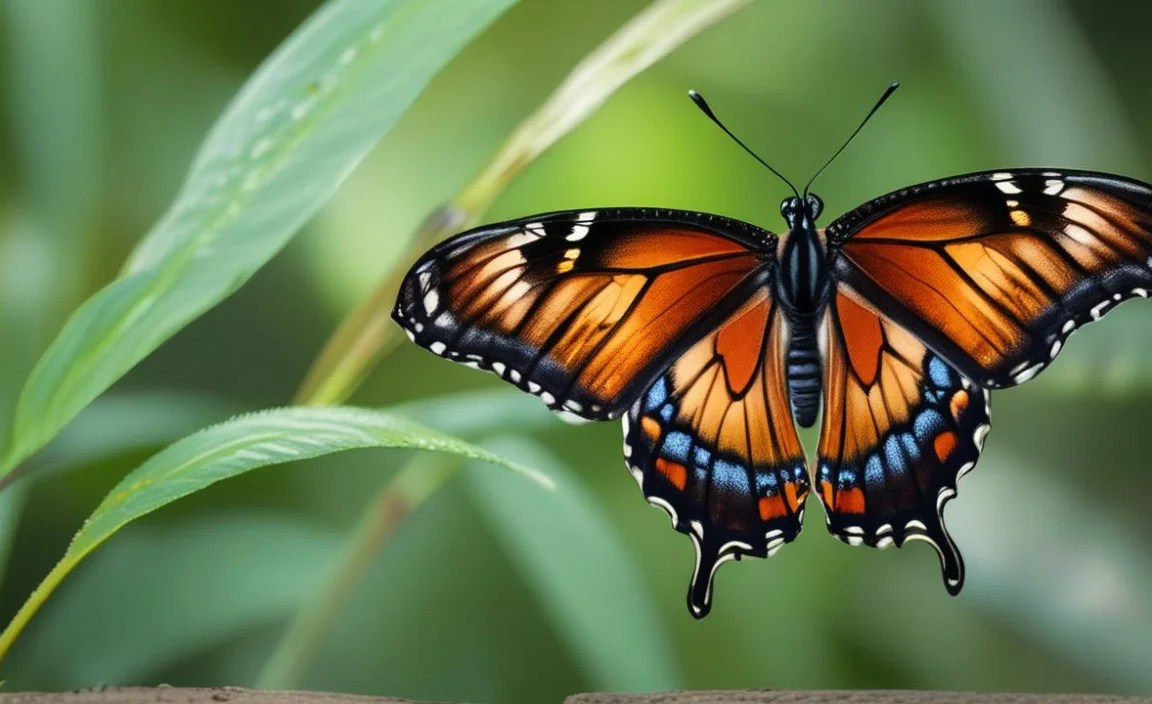
The colours and patterns on a butterfly’s wings are its most distinctive features. Pay close attention to the arrangement of spots, stripes, and bands. Are the colours bright and bold, or muted and camouflaged? Does the butterfly have eye-spots, tails, or other unique markings?
Here are some things to look for:
- Colour combinations: Note the dominant colours and any contrasting patterns.
- Spots and stripes: Are they regular or irregular? What shape are they?
- Eye-spots: These can be a defense mechanism, startling predators.
- Tails: Some butterflies have elongated tails on their hindwings.
Step 3: Note the Butterfly’s Behaviour and Habitat
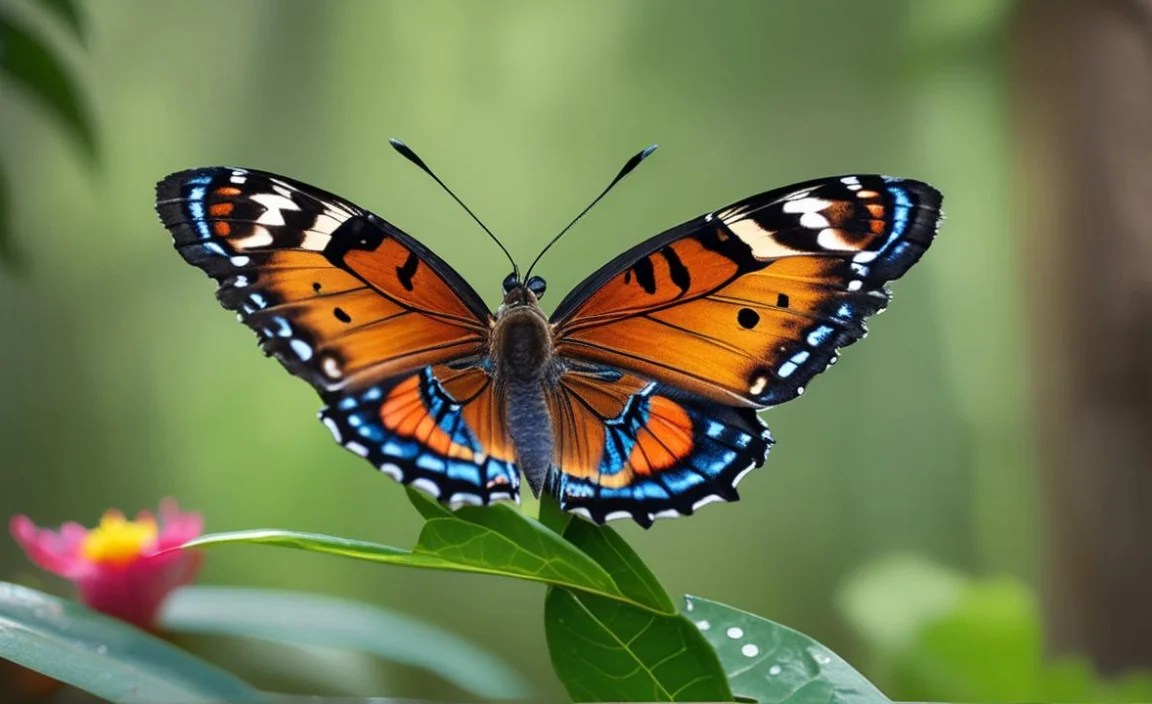
Where you see a butterfly and how it behaves can also provide clues to its identity. Some butterflies are found only in specific habitats, such as forests, swamps, or grasslands. Others have particular feeding habits or flight patterns.
Consider these factors:
- Habitat: Is it a forest butterfly, a grassland butterfly, or a wetland butterfly?
- Flight pattern: Is it a strong, fast flier, or a weak, fluttering one?
- Feeding habits: What flowers does it visit? Does it feed on rotting fruit or sap?
Step 4: Consult Field Guides and Online Resources

Once you’ve gathered your observations, it’s time to consult field guides and online resources. There are many excellent books and websites dedicated to butterfly identification. Look for resources that specifically cover the butterflies of Central Africa or the Congo Basin.
Here are some helpful resources:
- Field Guides: Look for guides with detailed descriptions and colour photos of butterflies in the region.
- Websites: Butterfly identification websites often have searchable databases and interactive keys.
- Museum Collections: Online museum collections can provide access to high-quality images and scientific information.
Step 5: Key Butterfly Species of the Congo Basin

Now, let’s explore some of the key butterfly species you might encounter in the Congo Basin. Knowing these common species will give you a head start in your identification efforts.
African Giant Swallowtail (Papilio antimachus)

The African Giant Swallowtail is one of the largest butterflies in the world. Its wingspan can reach up to 25 cm (almost 10 inches!). The wings are typically orange-brown with black markings.
- Size: Very large
- Colour: Orange-brown with black markings
- Habitat: Forests
Mocker Swallowtail (Papilio dardanus)
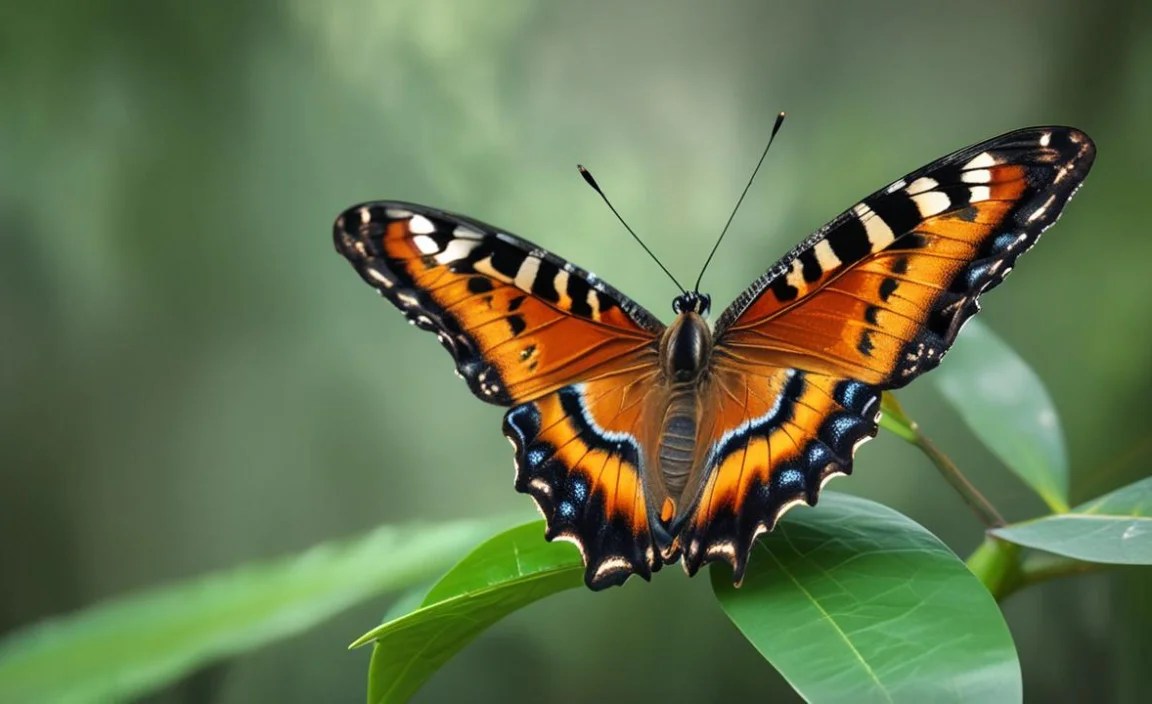
The Mocker Swallowtail is famous for its mimicry. Females mimic poisonous butterflies to avoid predators. There are many different forms of this butterfly, each mimicking a different poisonous species.
- Size: Medium to large
- Colour: Varies depending on the form, often black and white or orange and black
- Habitat: Forests and woodlands
Charaxes Butterflies
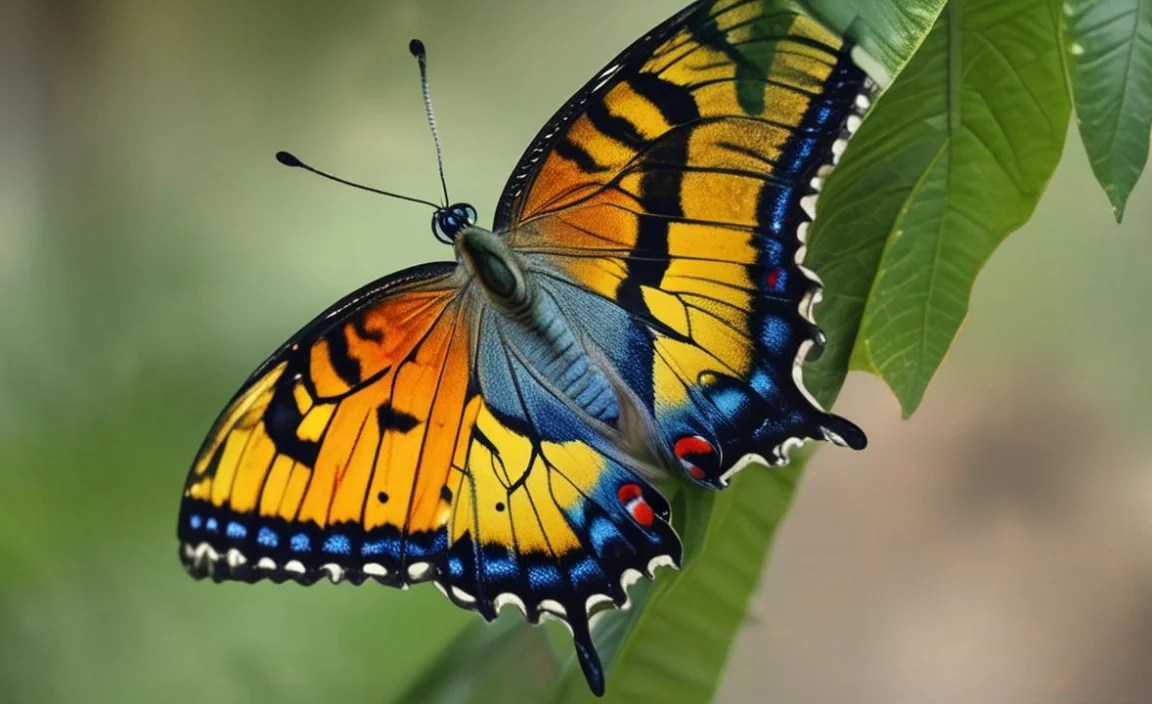
The genus *Charaxes* includes many species of fast-flying, brightly coloured butterflies. They are known for their strong flight and often perch high in trees.
- Size: Medium to large
- Colour: Varies widely, often with metallic colours and intricate patterns
- Habitat: Forests and woodlands
Here’s a table summarizing some of the key characteristics of these and other Congo Basin butterflies:
| Species | Size | Colour | Habitat | Notes |
|---|---|---|---|---|
| African Giant Swallowtail (Papilio antimachus) | Very Large | Orange-brown with black markings | Forests | One of the largest butterflies in the world |
| Mocker Swallowtail (Papilio dardanus) | Medium to Large | Varies, often black and white or orange and black | Forests, Woodlands | Females mimic poisonous butterflies |
| Charaxes species | Medium to Large | Varies widely, often metallic colours | Forests, Woodlands | Fast-flying butterflies |
| Forest Mother-of-Pearl (Protogoniomorpha parhassus) | Medium | Brown with pearly white markings | Forests | Elegant and distinctive pattern |
| Various Nymphalidae | Small to Medium | Diverse, often brightly coloured | Various | Brush-footed butterflies with many species |
Step 6: Understanding Butterfly Biology and Ecology

To truly appreciate the butterflies of the Congo Basin, it’s helpful to understand their biology and ecology. Butterflies are not just beautiful insects; they are also important pollinators and indicators of environmental health.
Butterfly Life Cycle
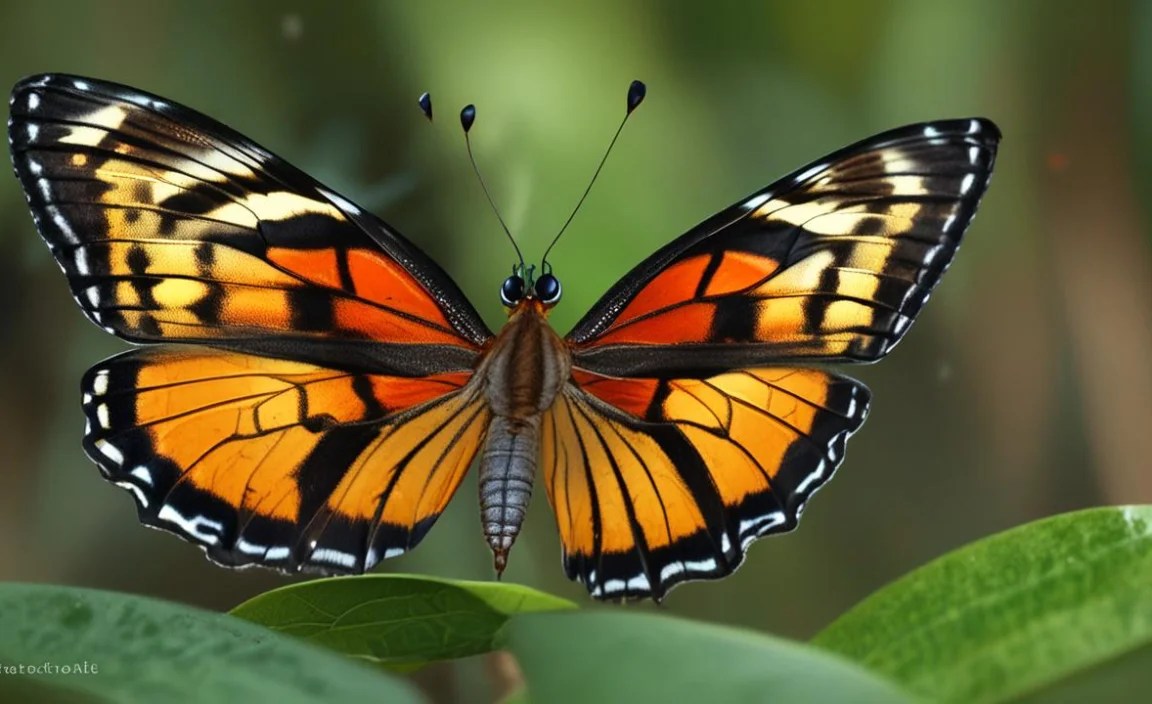
Butterflies undergo complete metamorphosis, with four distinct life stages:
- Egg: Butterflies lay their eggs on specific host plants.
- Larva (Caterpillar): The caterpillar feeds on the host plant and grows rapidly.
- Pupa (Chrysalis): The caterpillar transforms into a pupa, inside which the butterfly develops.
- Adult: The adult butterfly emerges from the pupa, ready to reproduce.
Butterfly Habitats and Food Sources

Butterflies rely on specific habitats and food sources to survive. Caterpillars need host plants to feed on, while adult butterflies need nectar from flowers. Protecting these habitats and food sources is essential for butterfly conservation.
Consider planting these native plants to attract butterflies:
- Acacia species (for caterpillars)
- Lantana species (for nectar)
- Hibiscus species (for nectar)
Butterfly Conservation
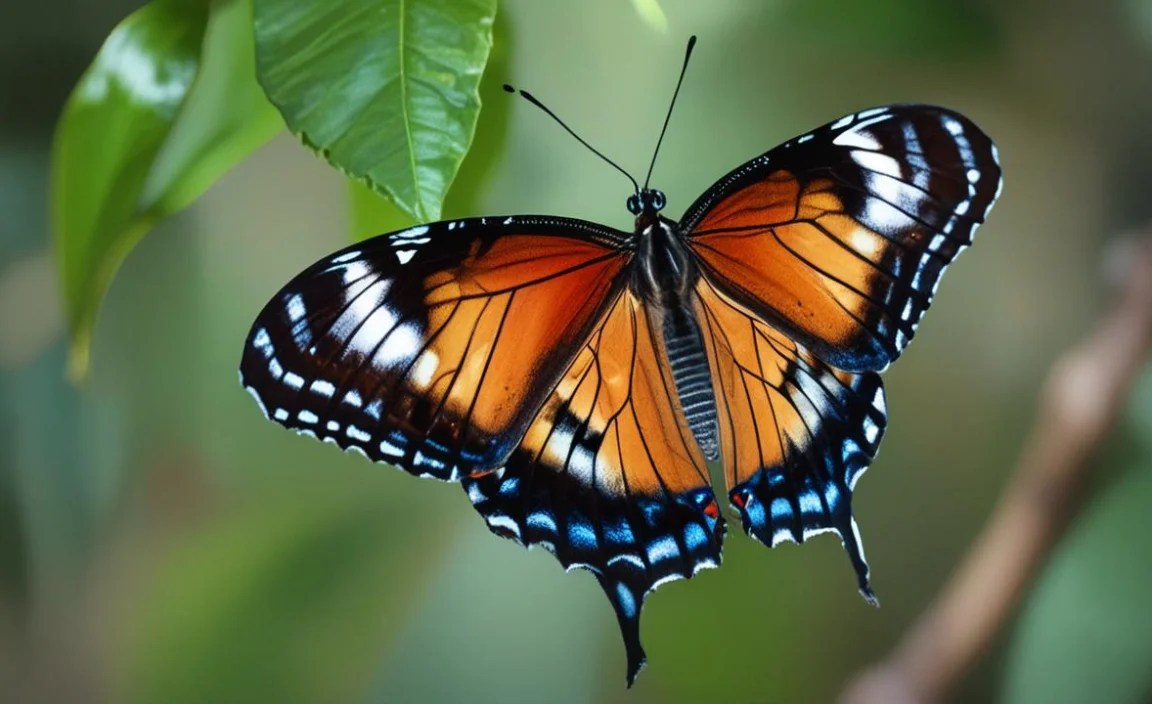
Many butterfly species are threatened by habitat loss, climate change, and pesticide use. Conservation efforts are crucial to protect these vulnerable insects.
Here are some ways you can help:
- Support conservation organizations: Donate to organizations working to protect butterfly habitats.
- Create butterfly-friendly habitats: Plant native flowers and avoid using pesticides in your garden.
- Educate others: Share your knowledge and passion for butterflies with friends and family.
Step 7: The Role of Butterflies in the Ecosystem

Butterflies play a vital role in the Congo Basin ecosystem. As pollinators, they help to ensure the reproduction of many plant species. They also serve as a food source for birds, reptiles, and other animals. Their presence or absence can indicate the health of the environment.
Pollination
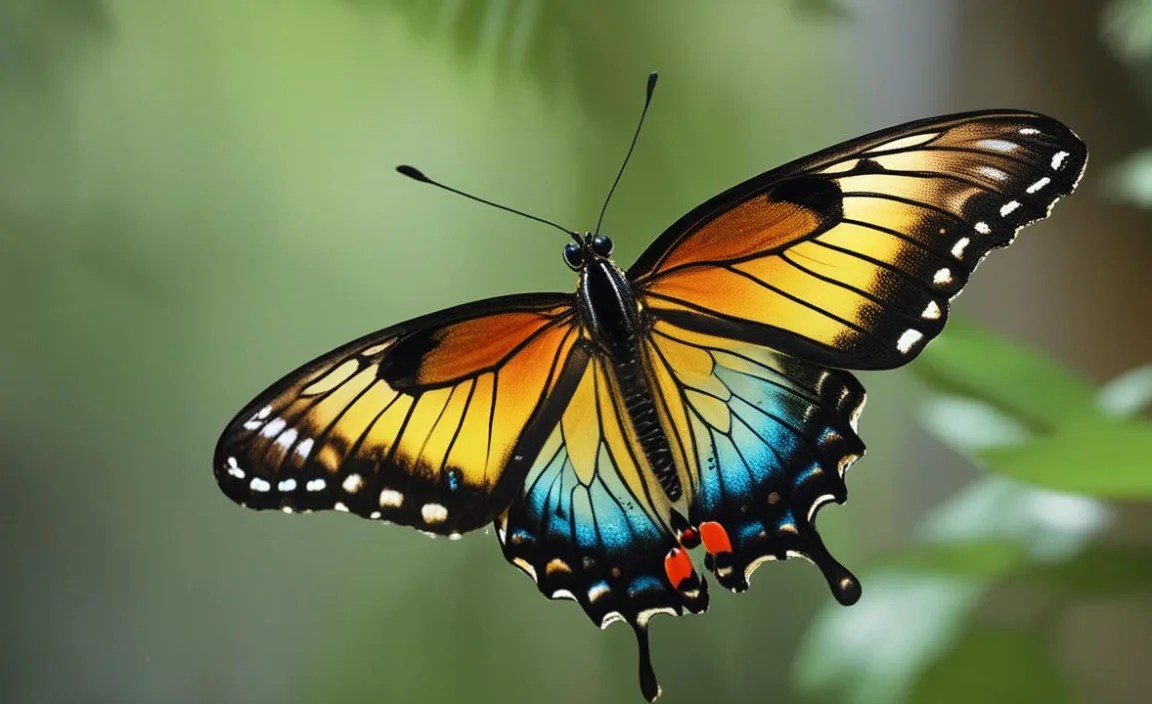
Butterflies are important pollinators, transferring pollen from one flower to another as they feed on nectar. This process is essential for the reproduction of many plant species, including some that are important for human food and medicine.
Indicator Species
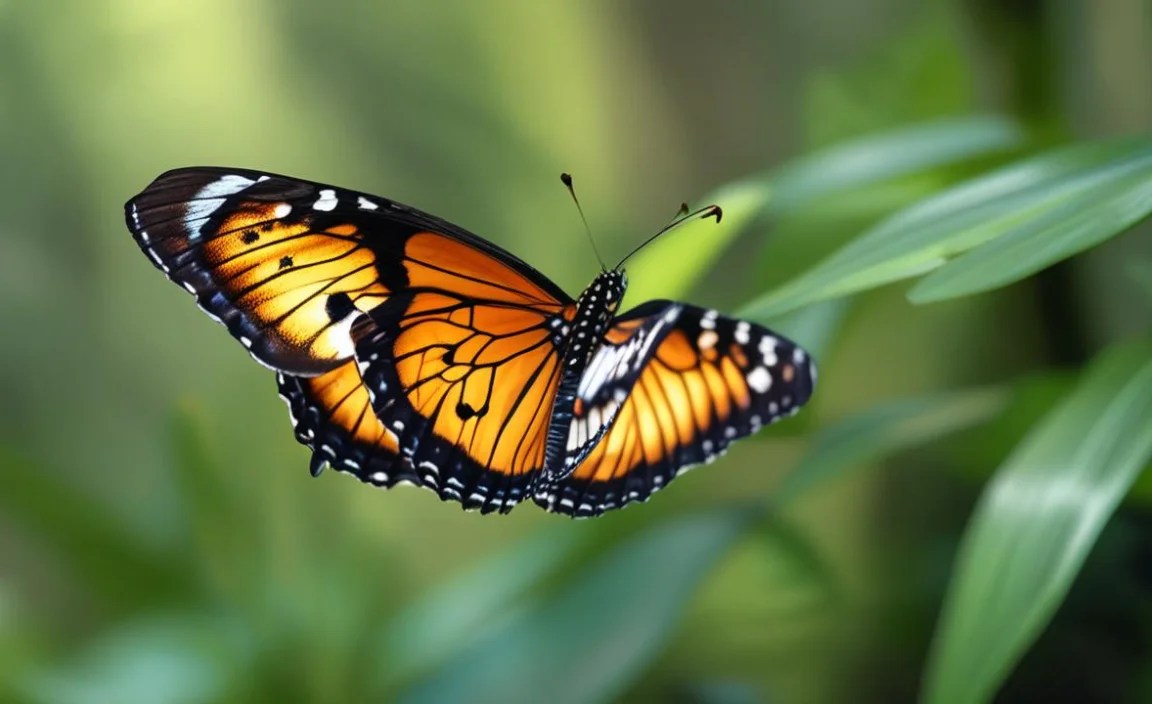
Butterflies are sensitive to changes in their environment, making them valuable indicator species. A decline in butterfly populations can signal problems such as habitat loss, pollution, or climate change.
Step 8: Threats to Butterflies in the Congo Basin

The butterflies of the Congo Basin face numerous threats, primarily due to human activities. Understanding these threats is essential for developing effective conservation strategies.
Deforestation
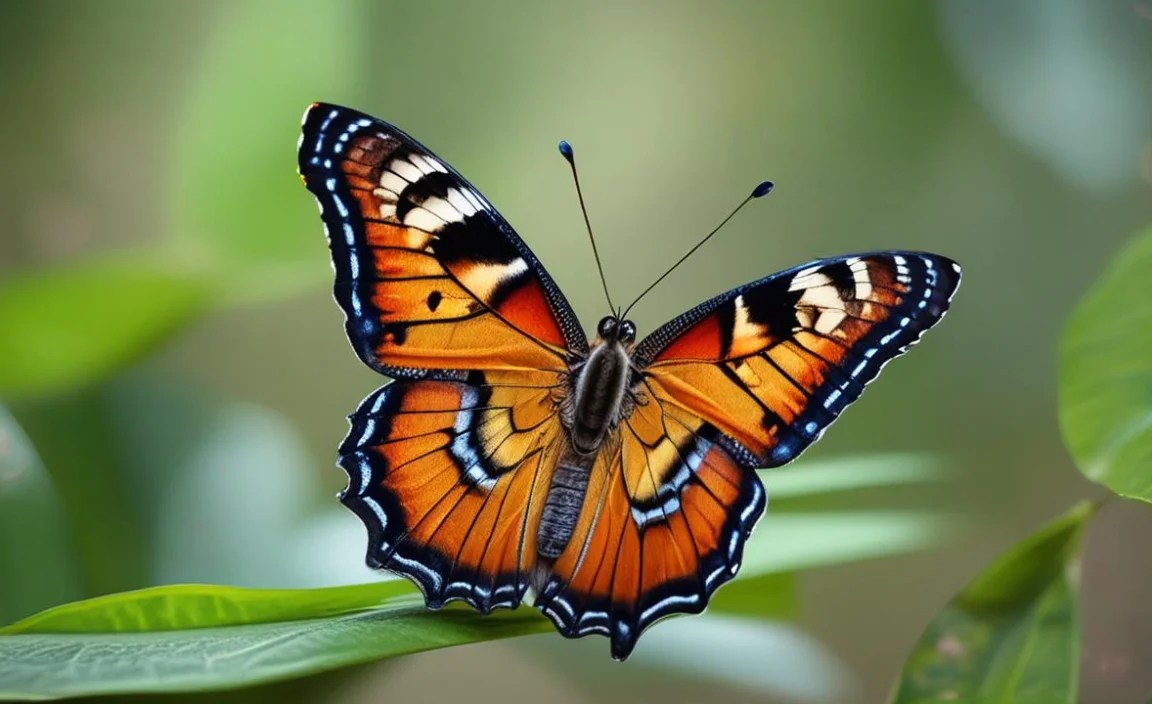
Deforestation is one of the biggest threats to butterflies in the Congo Basin. As forests are cleared for agriculture, logging, and mining, butterfly habitats are destroyed, and butterfly populations decline. According to the World Wildlife Fund, deforestation rates are alarmingly high in some areas of the Congo Basin.
Climate Change
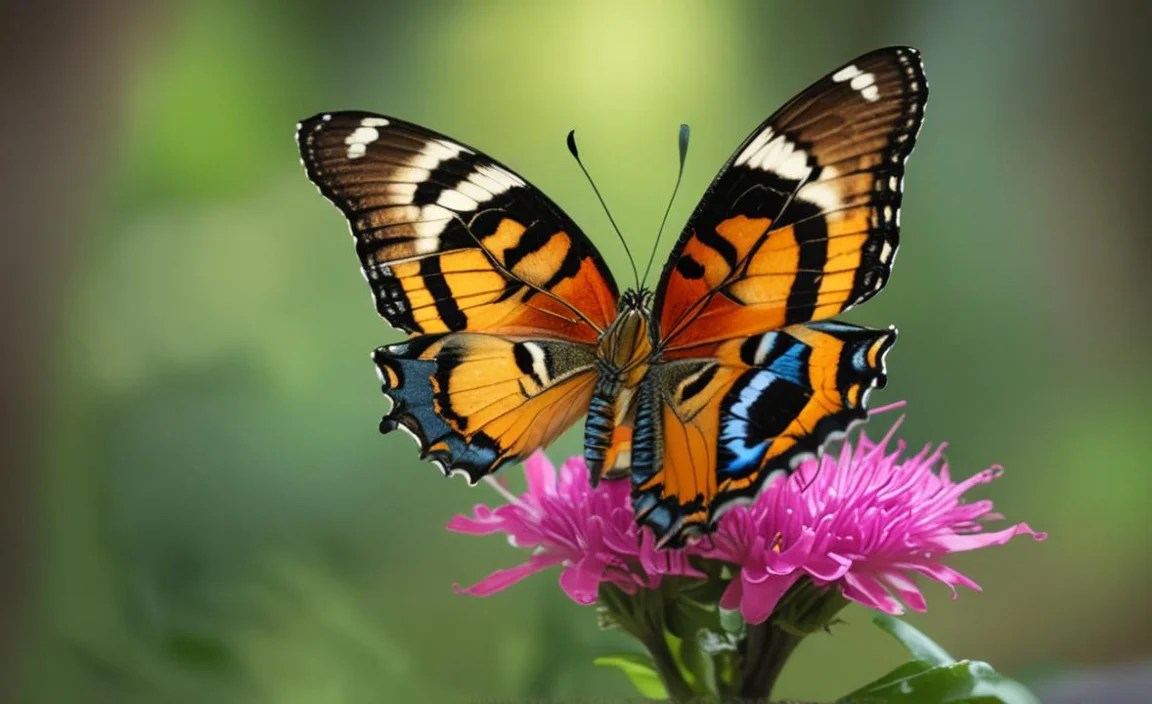
Climate change is another major threat to butterflies. Changes in temperature and rainfall patterns can disrupt butterfly life cycles and alter the distribution of their host plants. Some butterfly species may be unable to adapt to these changes, leading to population declines or extinctions.
Pesticide Use
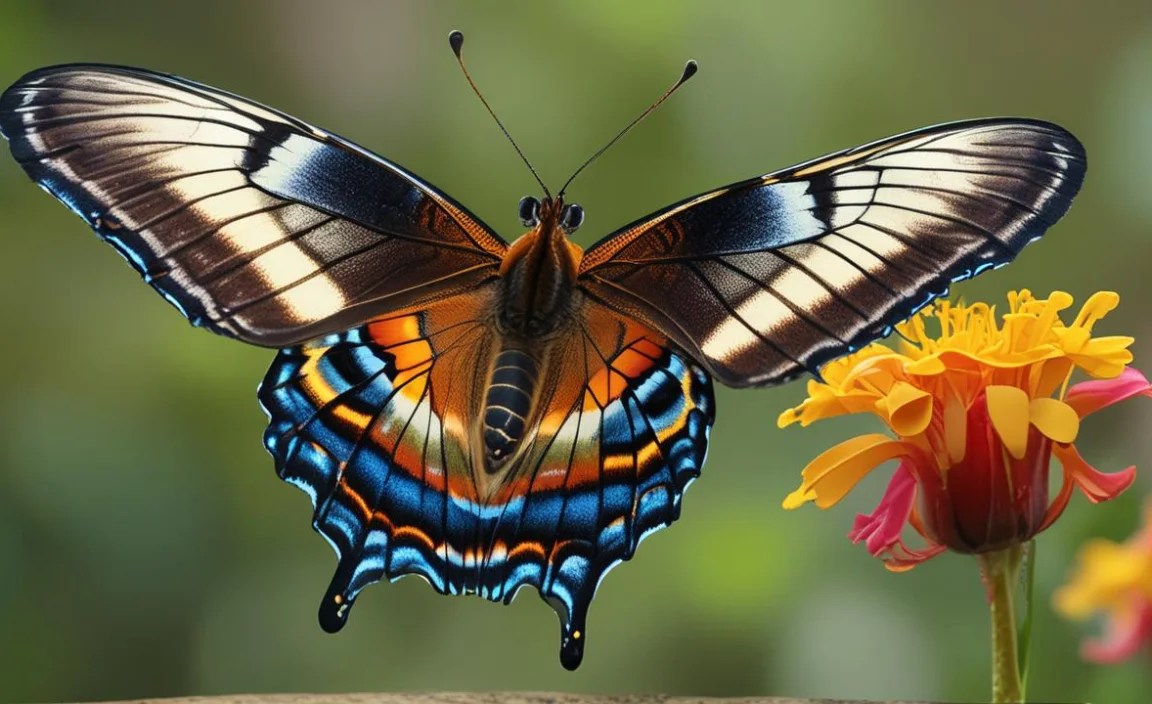
Pesticides can be harmful to butterflies, both directly and indirectly. Direct exposure to pesticides can kill butterflies, while indirect exposure can reduce the availability of their food sources. Pesticide use is a growing problem in many parts of the Congo Basin, as farmers try to increase crop yields.
Step 9: Conservation Efforts and What You Can Do

Fortunately, there are many organizations and individuals working to protect butterflies and their habitats in the Congo Basin. These conservation efforts are essential for ensuring the survival of these beautiful and important insects.
Protected Areas
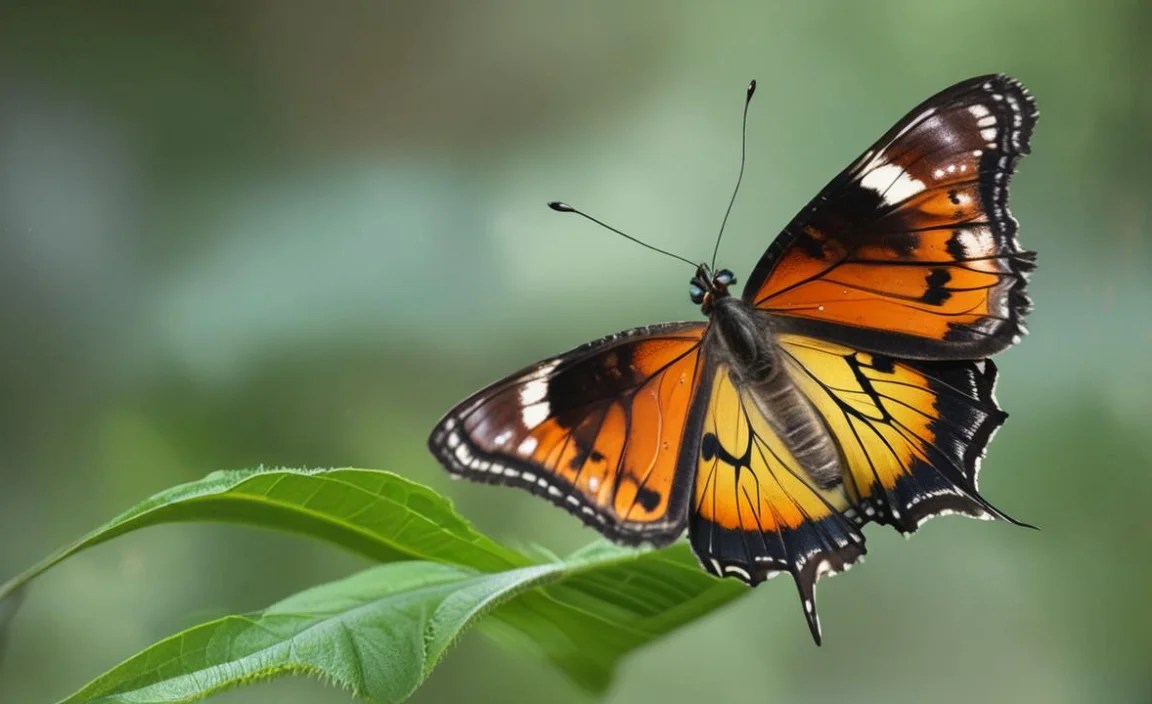
Establishing and maintaining protected areas, such as national parks and reserves, is one of the most effective ways to protect butterfly habitats. These areas provide safe havens for butterflies and other wildlife, allowing them to thrive without the threat of deforestation or other human disturbances.
Sustainable Agriculture

Promoting sustainable agricultural practices can help to reduce the impact of farming on butterfly populations. This includes using fewer pesticides, planting native vegetation around farms, and practicing agroforestry, which integrates trees into agricultural systems.
Community Involvement
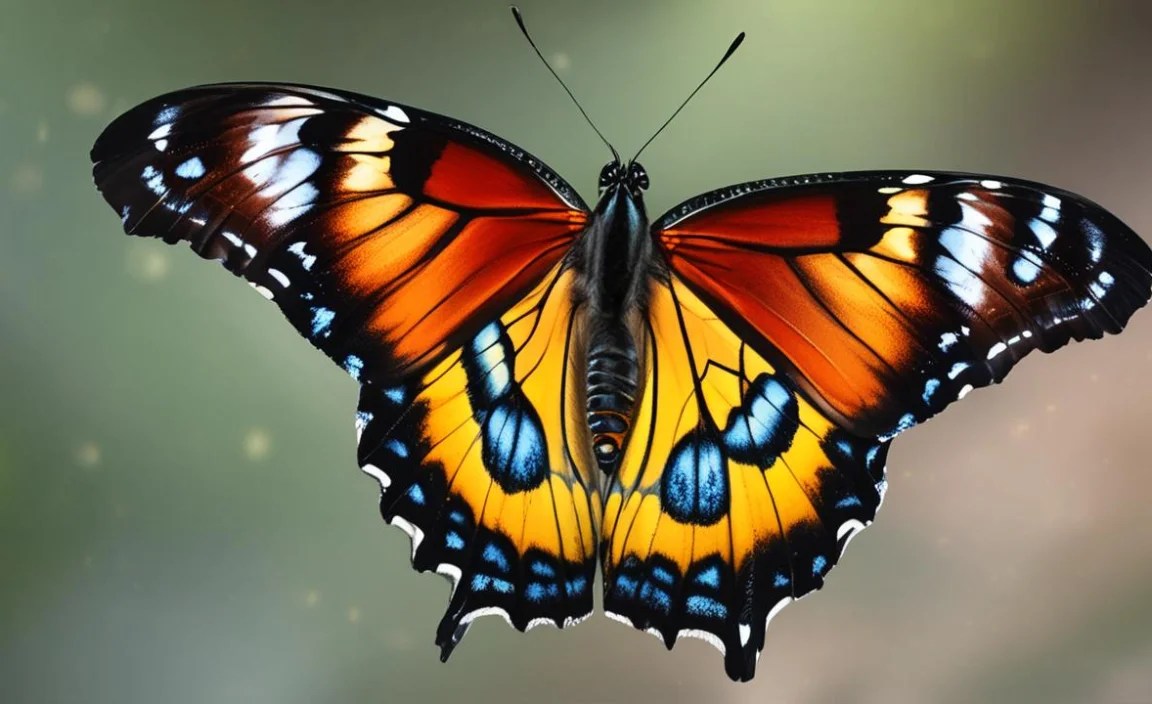
Engaging local communities in conservation efforts is crucial for their success. By providing communities with economic incentives to protect butterfly habitats, such as ecotourism opportunities, it is possible to create a win-win situation for both people and butterflies.
What You Can Do
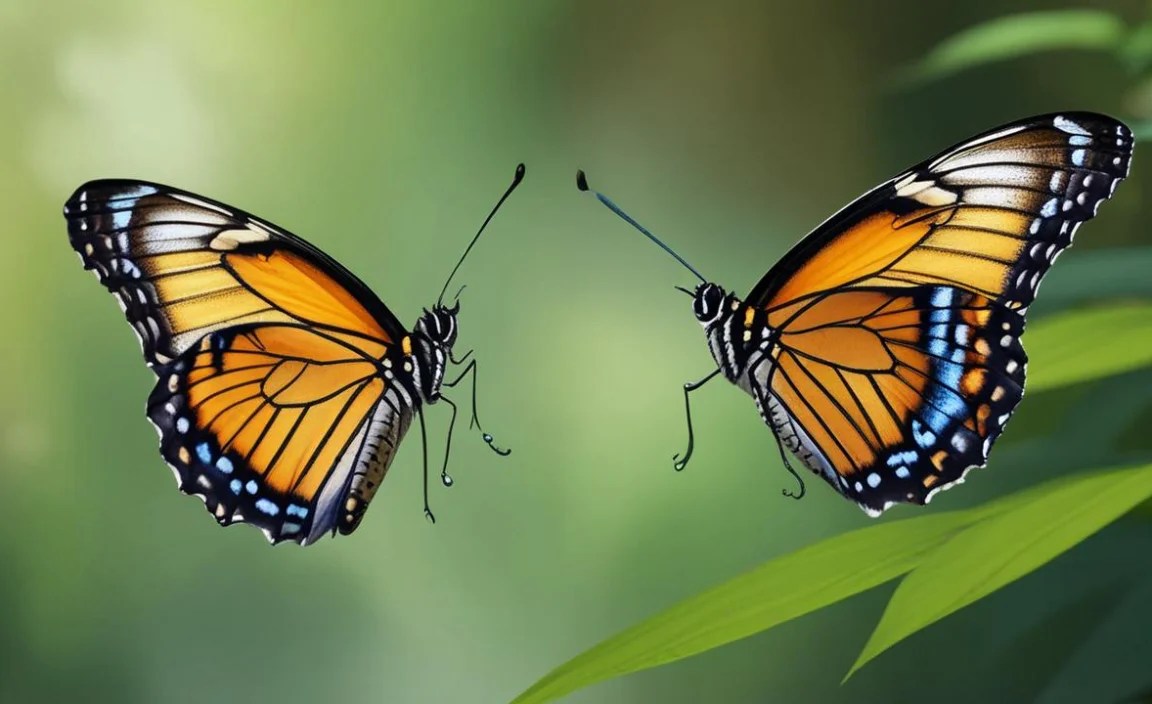
Even if you don’t live in the Congo Basin, there are still many things you can do to help protect butterflies and their habitats. Here are a few ideas:
- Support sustainable products: Choose products that are made from sustainably harvested materials, such as wood and palm oil.
- Reduce your carbon footprint: Take steps to reduce your energy consumption and greenhouse gas emissions, such as driving less, using public transportation, and conserving electricity.
- Donate to conservation organizations: Support organizations that are working to protect butterfly habitats in the Congo Basin and other parts of the world.
- Educate others: Share your knowledge and passion for butterflies with your friends, family, and community.
Step 10: Appreciating the Beauty and Importance of Butterflies

Finally, take the time to simply appreciate the beauty and importance of butterflies. These delicate creatures are a reminder of the wonders of nature and the importance of protecting our planet’s biodiversity.
Butterfly Photography
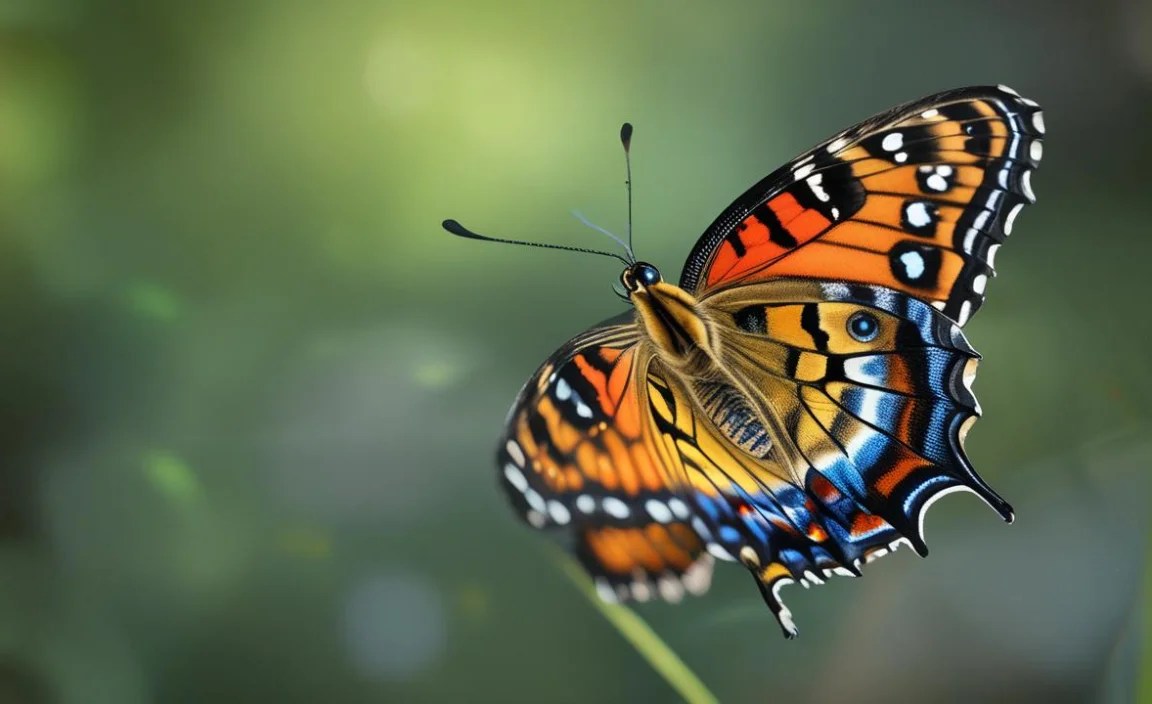
Butterfly photography is a great way to connect with nature and capture the beauty of these insects. Whether you’re using a professional camera or your smartphone, taking photos of butterflies can be a rewarding and educational experience.
Butterfly Gardening
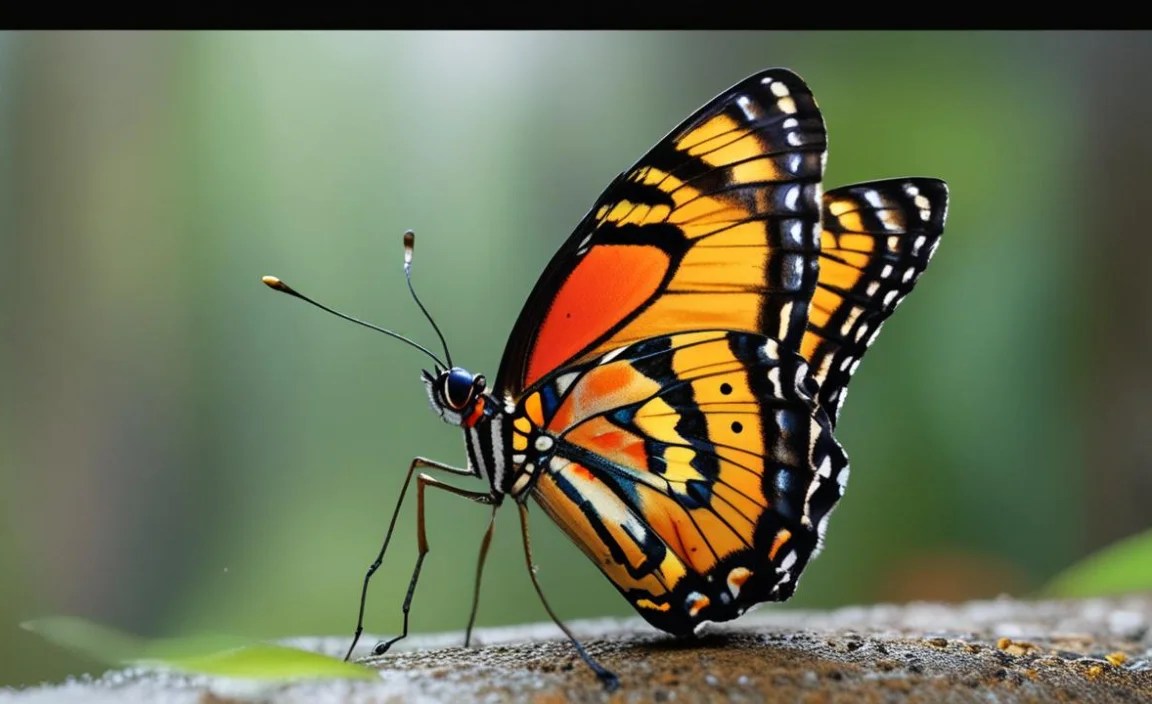
Creating a butterfly garden is another great way to support butterfly populations and enjoy their beauty up close. By planting native flowers and providing a source of water, you can create a haven for butterflies in your own backyard.
Butterfly Watching
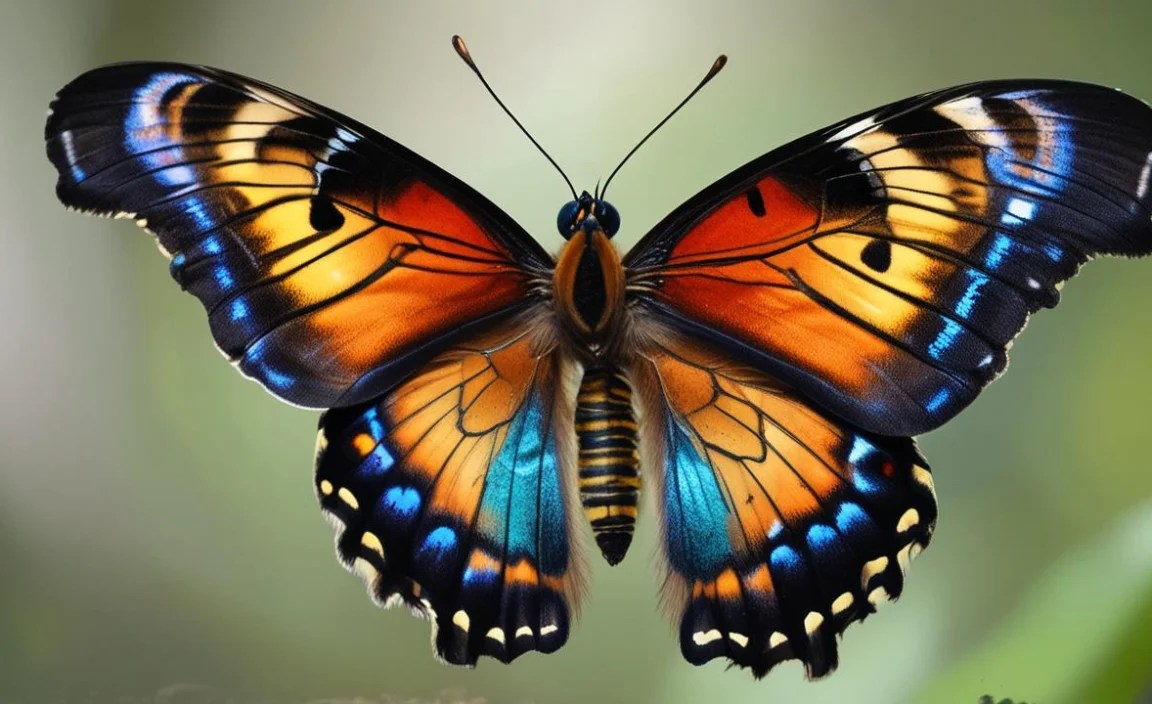
Simply taking the time to observe butterflies in their natural habitat can be a rewarding experience. Pay attention to their behaviour, their interactions with other species, and the beauty of their surroundings. Butterfly watching can help you to develop a deeper appreciation for the natural world.
FAQ: Butterflies of the Congo Basin
Here are some frequently asked questions about the butterflies of the Congo Basin:
Q1: What makes the Congo Basin so important for butterflies?
A: The Congo Basin’s vast rainforests provide diverse habitats and food sources crucial for many butterfly species. Its rich biodiversity makes it a butterfly hotspot!
Q2: How many butterfly species are found in the Congo Basin?
A: It’s hard to say exactly, but estimates suggest there are hundreds of butterfly species in the Congo Basin, with new ones still being discovered!
Q3: Are there any endangered butterflies in the Congo Basin?
A: Yes, many butterfly species are threatened due to habitat loss and climate change. Conservation efforts are essential to protect them.
Q4: What can I do to help protect Congo Basin butterflies from home?
A: Support sustainable products, reduce your carbon footprint, donate to conservation organizations, and educate others about the importance of butterfly conservation.
Q5: What is the biggest threat to butterflies in the Congo Basin?
A: Deforestation is the biggest threat, as it destroys butterfly habitats and reduces their food sources.
Q6: What role do butterflies play in the Congo Basin ecosystem?
A: Butterflies are important pollinators, helping plants reproduce. They also serve as a food source for other animals and are indicators of environmental health.
Q7: Where can I find more information about Congo Basin butterflies?
A: Consult field guides, butterfly identification websites, and online museum collections for detailed information and images.
Conclusion
Identifying the butterflies of the Congo Basin is a fascinating journey that connects you to one of the world’s most biodiverse regions. By observing their size, shape, colour patterns, and behaviour, and by consulting field guides and online resources, you can unlock the secrets of these winged jewels. Remember, butterflies are not just beautiful insects; they are also important pollinators and indicators of environmental health. By supporting conservation efforts and appreciating their beauty, you can help to protect these vulnerable creatures for generations to come. So, step into the rainforest, keep your eyes peeled, and prepare to be amazed by the butterflies of the Congo Basin!


