
Butterflies of Arid Zones: Discover Hidden Beauty

Quick Summary: Butterflies in arid zones have special adaptations to survive the harsh desert climate. These include behaviors like seeking shade, flying at cooler times, and obtaining moisture from various sources. Some species have unique life cycles that align with brief rainy seasons. Understanding these adaptations helps us appreciate the resilience of these beautiful insects in challenging environments.
Have you ever wondered how delicate butterflies can thrive in scorching deserts? It seems impossible, right? The arid zones of our planet, with their extreme temperatures and scarce water, present a real challenge for survival. Yet, many butterfly species have adapted in amazing ways to not only survive but flourish in these harsh environments. In this article, we’ll explore the fascinating world of butterflies of arid zones, uncovering their secrets to survival. Get ready to discover the remarkable adaptations that allow these beautiful creatures to call the desert home!
Understanding Arid Zones
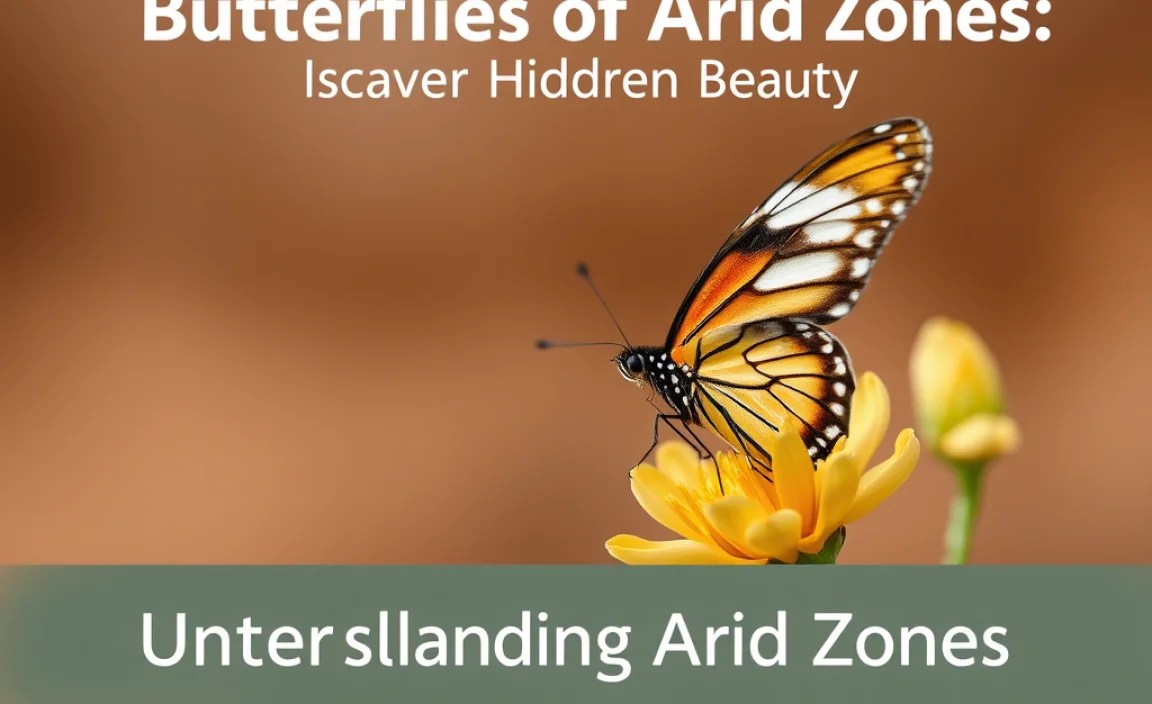
Before diving into the butterflies themselves, let’s understand what makes an arid zone unique. Arid zones, or deserts, are regions characterized by very low rainfall. This leads to dry conditions, sparse vegetation, and extreme temperatures. These conditions create a tough environment for most living things, including butterflies.
Key Characteristics of Arid Zones:
- Low Rainfall: Typically less than 250 mm (10 inches) per year.
- High Temperatures: Extreme heat during the day, with significant drops at night.
- Sparse Vegetation: Plants are adapted to conserve water, such as cacti and succulents.
- High Evaporation Rates: Water evaporates quickly due to the heat and dry air.
These conditions mean that butterflies in arid zones face significant challenges in finding food, water, and shelter. They must have special adaptations to cope with these stresses.
Adaptations of Butterflies in Arid Zones

Butterflies in arid zones have developed a range of fascinating adaptations to survive. These adaptations can be behavioral, physical, or related to their life cycle.
Behavioral Adaptations
One of the most common strategies is adjusting behavior to avoid the harshest conditions.
- Seeking Shade: Butterflies often rest in shaded areas during the hottest parts of the day to avoid overheating. They may hide under rocks, in shrubs, or even in burrows created by other animals.
- Flying at Cooler Times: Many arid zone butterflies are most active in the early morning or late afternoon when temperatures are milder. This reduces the risk of overheating and water loss.
- Orientation to the Sun: Some butterflies position their bodies to minimize exposure to direct sunlight, reducing heat absorption.
- Hilltopping: This behavior involves flying to the tops of hills or other high points to find mates. It’s common in many butterfly species, but in arid zones, it may also help them find cooler, windier spots.
Physical Adaptations
Physical adaptations help butterflies cope with the harsh desert environment.
- Wing Coloration: Many arid zone butterflies have pale or reflective wings to reduce heat absorption. Some also have intricate patterns that provide camouflage, helping them avoid predators.
- Body Size: Smaller butterflies tend to be more common in arid zones. Their smaller size allows them to heat up and cool down more quickly, helping them regulate their body temperature.
- Scales: The scales on a butterfly’s wings help insulate them from heat. Some arid zone butterflies have thicker or more reflective scales.
Life Cycle Adaptations
The life cycle of a butterfly can be significantly affected by the arid environment.
- Dormancy: Some species enter a state of dormancy (diapause) during the driest periods, emerging only when conditions are more favorable. This allows them to survive long periods without food or water.
- Rapid Development: Many arid zone butterflies have very short larval development times, allowing them to take advantage of brief periods of rainfall and plant growth.
- Host Plant Specificity: These butterflies often rely on specific host plants that are well-adapted to arid conditions. The butterflies’ life cycles are closely tied to the availability of these plants.
Examples of Butterflies in Arid Zones

Let’s look at some specific examples of butterflies that have successfully adapted to arid environments.
Anthocharis cethura (Desert Orangetip)
The Desert Orangetip is found in the deserts of the southwestern United States and Mexico. It’s known for its bright orange wingtips and its ability to thrive in harsh, dry conditions.
- Adaptations: Flies during the cooler spring months, uses specific host plants like desert rockcress.
- Habitat: Desert washes and rocky slopes.
- Conservation Status: Relatively common within its range.
Euchloe hyantis (Pearly Marble)
The Pearly Marble is another butterfly found in arid regions of North America. It has a delicate, marbled pattern on its wings that helps it blend in with its surroundings.
- Adaptations: Short larval development, uses mustard family plants as hosts.
- Habitat: Dry, open areas with sparse vegetation.
- Conservation Status: Not currently considered threatened.
Colias alexandra (Queen Alexandra’s Sulphur)
This butterfly is found in western North America, including some arid regions. It is known for its yellowish wings and its ability to tolerate a range of habitats.
- Adaptations: Can use a variety of legume species as host plants, allowing it to survive in different environments.
- Habitat: Open woodlands, meadows, and arid areas.
- Conservation Status: Generally stable populations.
Zerynthia rumina (Spanish Festoon)
The Spanish Festoon is a striking butterfly found in arid regions of Spain and North Africa. It has bright colors and patterns that warn predators of its toxicity.
- Adaptations: Feeds on toxic plants as a larva, making it unpalatable to predators.
- Habitat: Rocky, arid hillsides.
- Conservation Status: Protected in some areas due to habitat loss.
How Butterflies Find Water in Arid Zones

Water is scarce in arid zones, so butterflies have developed several strategies to obtain the moisture they need.
- Nectar: While nectar is primarily a food source, it also contains water. Butterflies visit flowers to drink nectar, getting both energy and hydration.
- Puddling: Butterflies often gather at puddles, damp soil, or even animal droppings to drink water and absorb minerals. This behavior, known as “puddling,” is particularly important for males, as the minerals help with reproduction.
- Dew: Some butterflies drink dew that collects on plants in the early morning.
- Plant Sap: Butterflies may also drink sap from plants, which can provide both water and nutrients.
The Role of Host Plants

Host plants are essential for butterfly survival. They provide food for the larvae (caterpillars) and, in some cases, nectar for the adults. In arid zones, these plants must be able to withstand drought and heat.
Examples of Host Plants in Arid Zones:
- Desert Rockcress (Arabis perennans): A host plant for the Desert Orangetip.
- Mustard Family (Brassicaceae): Used by many butterfly species, including the Pearly Marble.
- Legumes (Fabaceae): A diverse group of plants that provide food for many butterfly larvae.
- Pipevines (Aristolochiaceae): Host plants for swallowtail butterflies, some species of which can be found in drier areas.
The availability of these host plants is crucial for the survival of butterfly populations in arid zones. Conservation efforts often focus on protecting these plants and their habitats.
Threats to Butterflies in Arid Zones
Despite their adaptations, butterflies in arid zones face numerous threats. Understanding these threats is essential for protecting these vulnerable creatures.
- Habitat Loss: Development, agriculture, and grazing can destroy or degrade butterfly habitats.
- Climate Change: Rising temperatures and changing rainfall patterns can disrupt butterfly life cycles and affect the availability of host plants.
- Pesticide Use: Pesticides can directly kill butterflies and their larvae, as well as harm their host plants.
- Invasive Species: Invasive plants can outcompete native host plants, reducing food sources for butterflies.
- Over-Collection: Although less common today, over-collecting can still threaten rare or localized butterfly species.
Conservation Efforts
Protecting butterflies in arid zones requires a multi-faceted approach. Here are some ways we can help:
- Habitat Preservation: Protecting and restoring natural habitats is crucial. This can involve creating protected areas, managing grazing, and controlling invasive species.
- Sustainable Land Management: Encouraging sustainable agricultural practices that minimize pesticide use and protect natural habitats.
- Climate Change Mitigation: Reducing greenhouse gas emissions to slow down climate change and its impacts on butterfly habitats.
- Citizen Science: Participating in butterfly monitoring programs to track populations and identify areas of concern.
- Education and Awareness: Raising awareness about the importance of butterflies and their conservation needs.
Attracting Butterflies to Arid Gardens
Even in arid environments, you can create a garden that attracts butterflies. Here are some tips:
- Plant Native Host Plants: Choose host plants that are native to your area and well-suited to arid conditions.
- Provide Nectar Sources: Plant a variety of flowering plants that provide nectar throughout the butterfly season.
- Offer a Water Source: Create a shallow dish of water with pebbles or sand for butterflies to drink from.
- Avoid Pesticides: Use natural pest control methods to protect butterflies and their larvae.
- Provide Shelter: Plant shrubs or create rock piles to provide shade and shelter from the wind and sun.
Butterfly Watching in Arid Zones
Butterfly watching in arid zones can be a rewarding experience. Here are some tips for making the most of your adventure:
- Go Early or Late: Butterflies are most active during the cooler parts of the day.
- Bring Water: Stay hydrated in the dry environment.
- Wear Appropriate Clothing: Wear light-colored, loose-fitting clothing to protect yourself from the sun.
- Use Binoculars: Binoculars can help you get a closer look at butterflies without disturbing them.
- Carry a Field Guide: A field guide can help you identify the butterflies you see.
- Respect the Environment: Stay on trails, avoid disturbing plants and animals, and pack out all your trash.
Symbolism and Cultural Significance
Butterflies have long held symbolic and cultural significance in many societies. In arid zones, where life is often precarious, butterflies can represent hope, transformation, and resilience.
- Transformation: The butterfly’s metamorphosis from caterpillar to chrysalis to winged adult symbolizes transformation and new beginnings.
- Resilience: The ability of butterflies to thrive in harsh environments represents resilience and adaptability.
- Beauty: The beauty of butterflies can be a source of inspiration and joy in the often stark landscape of the desert.
- Spiritual Significance: In some cultures, butterflies are believed to carry the spirits of the dead or to bring messages from the spirit world.
Table: Butterfly Adaptations in Arid Zones
| Adaptation Type | Description | Example |
|---|---|---|
| Behavioral | Adjusting behavior to avoid harsh conditions | Seeking shade during the hottest part of the day |
| Physical | Physical traits that help cope with the environment | Pale or reflective wings to reduce heat absorption |
| Life Cycle | Adaptations related to the butterfly’s life cycle | Dormancy during the driest periods |
| Water Acquisition | Strategies for finding water in arid environments | Puddling at damp soil or puddles |
Table: Common Butterflies of North American Arid Zones
| Butterfly Species | Host Plant | Habitat | Key Adaptation |
|---|---|---|---|
| Desert Orangetip (Anthocharis cethura) | Desert Rockcress | Desert washes and rocky slopes | Flies during cooler spring months |
| Pearly Marble (Euchloe hyantis) | Mustard Family Plants | Dry, open areas with sparse vegetation | Short larval development |
| Queen Alexandra’s Sulphur (Colias alexandra) | Various Legume Species | Open woodlands, meadows, and arid areas | Uses a variety of host plants |
| Anise Swallowtail (Papilio zelicaon) | Anise, Fennel, and other Umbellifers | Open areas, hillsides, and gardens | Tolerance of varied climates and host plants |
FAQ: Butterflies of Arid Zones
What are arid zones?
Arid zones are regions with very little rainfall, leading to dry conditions, sparse vegetation, and extreme temperatures.
How do butterflies survive in the desert?
Butterflies in arid zones have adaptations like seeking shade, flying at cooler times, having pale wings, and entering dormancy during dry periods.
What do butterflies in arid zones eat?
They primarily feed on nectar from flowers. Larvae feed on host plants adapted to arid conditions.
How do butterflies find water in the desert?
Butterflies obtain water from nectar, puddling (drinking from damp soil), dew, and plant sap.
What is “puddling” behavior?
Puddling is when butterflies gather at puddles or damp soil to drink water and absorb minerals, especially important for males.
What are some threats to butterflies in arid zones?
Threats include habitat loss, climate change, pesticide use, and invasive species.
How can I help protect butterflies in arid zones?
Support habitat preservation, sustainable land management, reduce pesticide use, and participate in citizen science programs.
Conclusion
The butterflies of arid zones are a testament to the incredible adaptability of life. These delicate creatures have evolved a range of strategies to survive and thrive in some of the harshest environments on Earth. By understanding their adaptations and the threats they face, we can take action to protect these beautiful insects and their unique habitats. Whether you’re a nature enthusiast, a gardener, or simply someone who appreciates the beauty of butterflies, there are many ways to get involved in their conservation. Let’s work together to ensure that these amazing creatures continue to grace our arid landscapes for generations to come. So, next time you find yourself in a desert, take a moment to appreciate the resilient butterflies that call it home. You might just be surprised by what you discover!


