
Butterflies of Argentina: Your Ultimate Guide

Argentina boasts a stunning array of butterflies, from the vibrant swallowtails to the delicate blues. With over 1,200 species flitting across diverse landscapes, Argentina is a butterfly lover’s paradise. This guide will help you identify some common Argentinian butterflies, understand their habitats, and learn how to attract them to your garden.
Have you ever dreamed of strolling through a garden alive with colorful butterflies? Argentina, with its varied climates and landscapes, is a butterfly hotspot! But knowing where to start identifying these fluttering jewels can feel overwhelming. Don’t worry! This guide will walk you through the most beautiful and fascinating butterflies of Argentina, showing you how to spot them and even create your own butterfly haven. Get ready to discover the magic of Argentinian butterflies!
Butterflies of Argentina: A Beginner’s Guide

Argentina’s diverse geography, ranging from subtropical rainforests to arid Patagonian steppes, supports a rich variety of butterfly species. Identifying these butterflies can be a rewarding experience, connecting you to the natural world in a profound way.
Why Study Argentinian Butterflies?
Butterflies are more than just beautiful; they are vital indicators of environmental health. Their presence, abundance, and diversity reflect the condition of local ecosystems. Studying them helps us understand:
- Ecosystem Health: Butterfly populations are sensitive to changes in habitat and climate.
- Pollination: Many butterfly species are important pollinators, contributing to plant reproduction.
- Conservation Needs: By understanding which species are threatened, we can take steps to protect them.
Common Butterfly Families in Argentina
Before diving into specific species, let’s explore the major butterfly families you’ll encounter in Argentina:
- Nymphalidae (Brush-footed Butterflies): This is the largest family, known for their vibrant colors and reduced front legs. Examples include Monarchs and Admirals.
- Papilionidae (Swallowtail Butterflies): These are large, striking butterflies with characteristic “tails” on their hindwings.
- Pieridae (Whites and Yellows): Typically white or yellow, these butterflies are often seen fluttering in open fields.
- Lycaenidae (Gossamer-winged Butterflies): Small and often brightly colored, these butterflies include Blues, Coppers, and Hairstreaks.
- Hesperiidae (Skippers): Small, fast-flying butterflies with hooked antennae.
Identifying Argentinian Butterflies: A Step-by-Step Guide
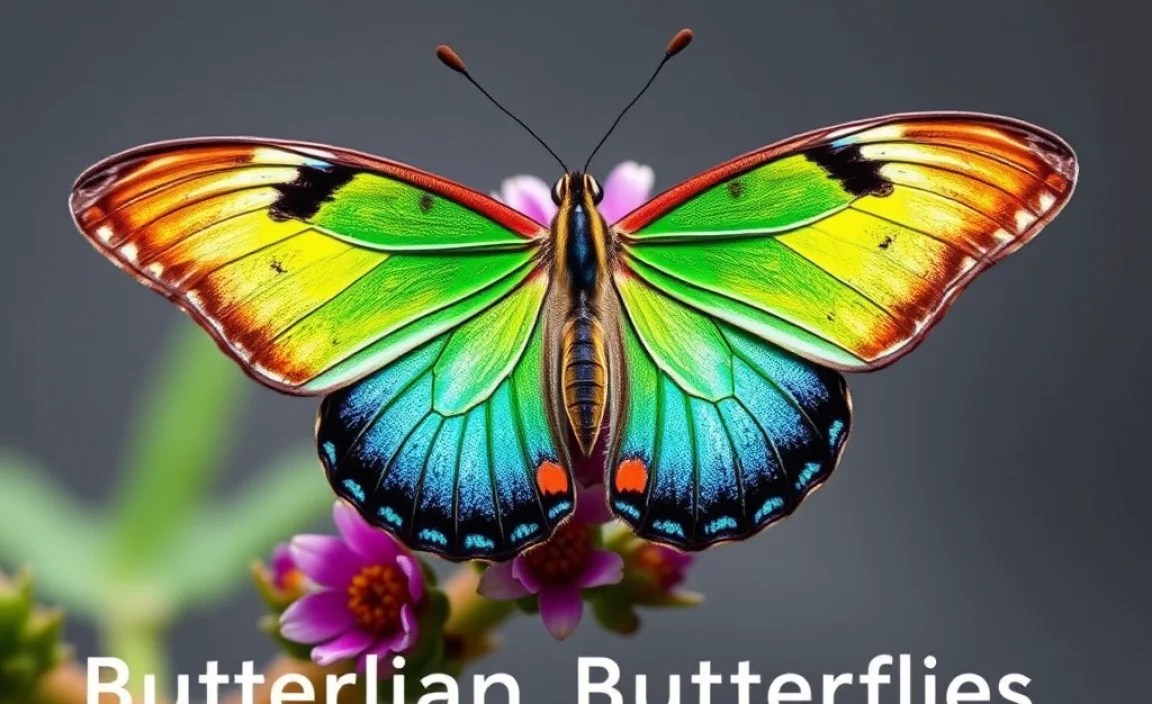
Identifying butterflies can be a fun and educational hobby. Here’s a step-by-step approach to help you get started:
Step 1: Observe the Butterfly’s Size and Shape
Start by noting the butterfly’s overall size and shape. Is it large and majestic, or small and delicate? Pay attention to the wing shape – are they rounded, angular, or do they have distinctive tails?
Step 2: Note the Colors and Patterns
Carefully observe the colors and patterns on both the upper and lower sides of the wings. Are there stripes, spots, or bands? Are the colors bright and bold, or muted and subtle?
Step 3: Examine the Antennae
Butterfly antennae come in various shapes. Most butterflies have clubbed antennae, but Skippers have hooked antennae.
Step 4: Consider the Habitat and Location
Where did you see the butterfly? Different species prefer different habitats, such as forests, grasslands, or gardens. Knowing the location can help narrow down the possibilities.
Step 5: Use a Field Guide or Online Resources
Field guides and online resources are invaluable tools for butterfly identification. Look for guides specific to Argentina or South America. Some excellent resources include:
- iNaturalist: A citizen science platform where you can upload photos and get help identifying species.
- Butterflies of America: A comprehensive website with detailed information and images of butterflies throughout the Americas.
- Local Natural History Museums: Many museums have collections and experts who can help with identification.
Ten Common Butterflies of Argentina

Let’s take a closer look at ten butterflies you’re likely to encounter in Argentina:
1. Southern Cattleheart (Parides agavus)
The Southern Cattleheart is a striking swallowtail butterfly found in northern Argentina. It is known for its large size and distinctive heart-shaped wings.
- Appearance: Black wings with green or blue iridescent markings and red spots on the hindwings.
- Habitat: Tropical and subtropical forests.
- Host Plants: Aristolochia species.
2. Schaus’ Swallowtail (Papilio cresphontes)
This large swallowtail is widespread in Argentina. It’s a beautiful butterfly with a striking presence.
- Appearance: Dark brown or black with yellow markings and a yellow “tail.”
- Habitat: Open woodlands, gardens, and citrus groves.
- Host Plants: Citrus and rue plants.
3. Red Admiral (Vanessa atalanta)
The Red Admiral is a migratory butterfly found throughout Argentina. It is easily recognized by its black wings with red bands and white spots.
- Appearance: Black wings with bright red bands and white spots near the tips.
- Habitat: Gardens, parks, and open woodlands.
- Host Plants: Nettles.
4. Monarch Butterfly (Danaus plexippus)
The Monarch is famous for its long-distance migrations. While more common in North America, they can be found in parts of Argentina.
- Appearance: Orange wings with black veins and a black border with white spots.
- Habitat: Open fields and gardens with milkweed.
- Host Plants: Milkweed.
5. Cloudless Sulphur (Phoebis sennae)
This bright yellow butterfly is a common sight in Argentina, often seen fluttering around gardens and fields.
- Appearance: Bright yellow wings, sometimes with a faint orange hue.
- Habitat: Open fields, gardens, and roadsides.
- Host Plants: Senna species.
6. Great Southern White (Ascia monuste)
A widespread white butterfly found in various habitats throughout Argentina.
- Appearance: White wings with a delicate appearance.
- Habitat: Coastal areas, gardens, and open fields.
- Host Plants: Mustard family plants.
7. Painted Lady (Vanessa cardui)
The Painted Lady is a cosmopolitan butterfly found on every continent except Antarctica. It is a migratory species, often seen in large numbers.
- Appearance: Orange and brown wings with black spots and white markings.
- Habitat: Open fields, gardens, and disturbed areas.
- Host Plants: Thistles and other weedy plants.
8. Gulf Fritillary (Agraulis vanillae)
This vibrant orange butterfly is a common sight in Argentina, particularly in gardens and parks.
- Appearance: Bright orange wings with elongated black spots.
- Habitat: Gardens, parks, and open fields.
- Host Plants: Passionflower vines.
9. Ceraunus Blue (Hemiargus ceraunus)
A small, delicate blue butterfly found in various habitats throughout Argentina.
- Appearance: Males have bright blue upper wings, while females are often blue with brown borders.
- Habitat: Open fields, gardens, and disturbed areas.
- Host Plants: Legumes.
10. Tropical Buckeye (Junonia genoveva)
This striking butterfly is known for its distinctive “eyespots” on its wings.
- Appearance: Brown wings with prominent eyespots and orange markings.
- Habitat: Open woodlands, fields, and gardens.
- Host Plants: Various plants, including acanthus and snapdragons.
Attracting Butterflies to Your Garden

Creating a butterfly-friendly garden is a rewarding way to support these beautiful creatures. Here’s how you can make your garden a butterfly haven:
Plant Host Plants
Host plants are essential for butterfly caterpillars. These are the plants that caterpillars feed on. Research which butterfly species are common in your area and plant their specific host plants. Some popular choices include:
- Milkweed: For Monarchs
- Passionflower: For Gulf Fritillaries
- Citrus and Rue: For Schaus’ Swallowtails
- Nettles: For Red Admirals
Provide Nectar Sources
Nectar-rich flowers provide energy for adult butterflies. Choose a variety of flowers that bloom at different times of the year to provide a continuous food source. Good options include:
- Lantana
- Salvia
- Zinnia
- Butterfly Bush (Buddleja)
- Cosmos
Offer a Water Source
Butterflies need water, but they can’t drink from deep puddles. Provide a shallow dish of water with pebbles or sand for them to land on.
Provide Shelter
Butterflies need shelter from wind and rain. Plant shrubs and trees to provide protected areas in your garden.
Avoid Pesticides
Pesticides can harm or kill butterflies and other beneficial insects. Avoid using pesticides in your garden, or choose organic options that are less harmful.
Create a Sunning Area
Butterflies are cold-blooded and need to bask in the sun to warm up. Provide flat stones or bare patches of ground where they can sun themselves.
Butterfly Conservation in Argentina
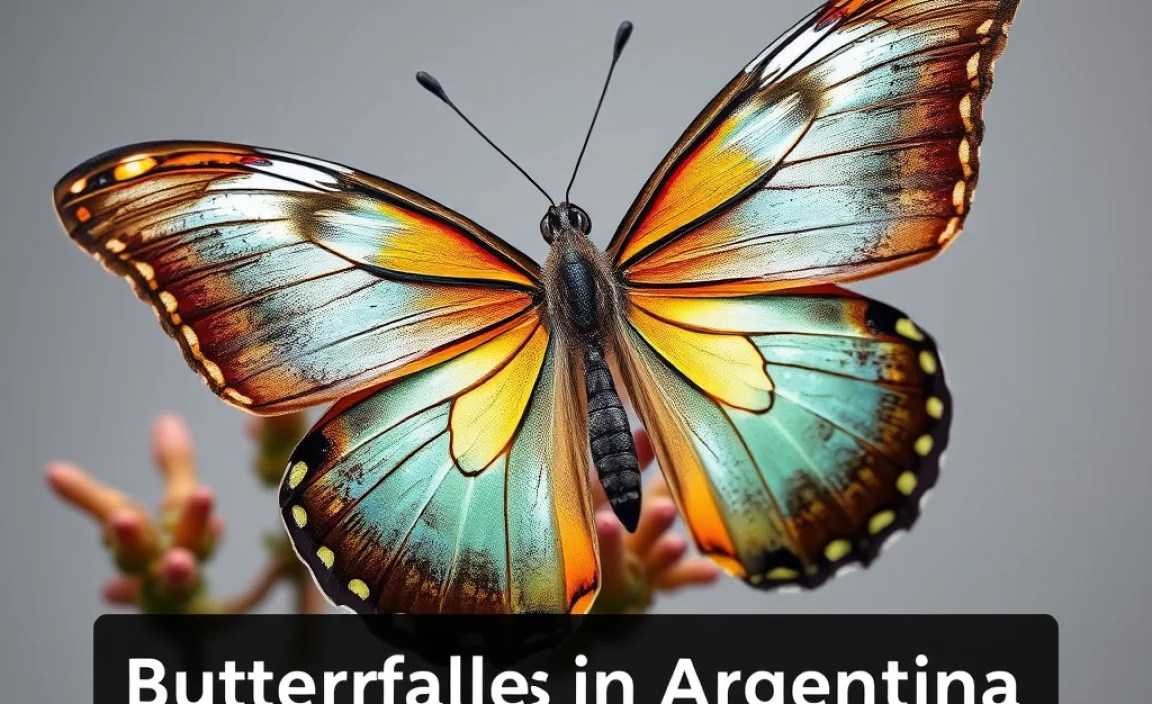
Many butterfly species are facing threats due to habitat loss, climate change, and pesticide use. Supporting butterfly conservation efforts is crucial for protecting these beautiful and important creatures.
Threats to Butterflies
Here are some of the main threats to butterfly populations in Argentina:
- Habitat Loss: Deforestation and urbanization are destroying butterfly habitats.
- Climate Change: Changes in temperature and rainfall patterns can disrupt butterfly life cycles.
- Pesticide Use: Pesticides can kill butterflies and their caterpillars.
- Invasive Species: Invasive plants can outcompete native host plants.
Conservation Strategies
There are many ways to help protect butterflies in Argentina:
- Support Conservation Organizations: Donate to or volunteer with organizations that work to protect butterfly habitats.
- Create Butterfly-Friendly Gardens: Plant host plants and nectar sources in your garden.
- Advocate for Sustainable Practices: Support policies that protect natural habitats and reduce pesticide use.
- Educate Others: Share your knowledge about butterflies with friends, family, and your community.
Organizations to Support
Consider supporting these organizations dedicated to conservation and butterfly research:
- Fundación Vida Silvestre Argentina: Works to protect Argentina’s biodiversity.
- Aves Argentinas: Focuses on bird conservation but also supports broader habitat protection.
- Local Conservation Groups: Many local groups are dedicated to preserving natural areas in specific regions of Argentina.
Butterfly Symbolism and Cultural Significance
Butterflies have captivated humans for centuries, symbolizing transformation, beauty, and hope. In many cultures, butterflies are seen as messengers of the spirit world or symbols of the soul.
Symbolism Across Cultures
Here are some common interpretations of butterfly symbolism:
- Transformation: The butterfly’s metamorphosis from caterpillar to pupa to butterfly represents personal growth and transformation.
- Hope: Butterflies are often seen as symbols of hope and new beginnings.
- Beauty: Their delicate wings and vibrant colors make them symbols of beauty and grace.
- Soul: In some cultures, butterflies are believed to represent the souls of the departed.
Butterflies in Art and Literature
Butterflies have inspired artists and writers throughout history. They appear in paintings, poems, and stories, often representing themes of change, freedom, and beauty.
Butterflies in Spiritual Practices
In some spiritual practices, butterflies are seen as guides or messengers, offering insights and guidance on our life journeys.
Resources for Further Learning
Want to learn more about butterflies? Here are some helpful resources:
- Field Guides: Purchase a field guide to South American butterflies for easy identification in the field.
- Websites: Explore websites like Butterflies of America and iNaturalist for detailed information and images.
- Books: Read books about butterfly biology, ecology, and conservation.
- Museums: Visit natural history museums to see butterfly collections and exhibits.
- Local Experts: Connect with local butterfly enthusiasts or experts for guidance and support.
Frequently Asked Questions (FAQ)
What is the best time of year to see butterflies in Argentina?
The best time to see butterflies in Argentina is during the warmer months, from spring to early autumn (September to April). This is when most butterflies are active and breeding.
How can I tell the difference between a butterfly and a moth?
Butterflies and moths can be distinguished by their antennae, wing position, and body shape. Butterflies have clubbed antennae, hold their wings upright at rest, and have slender bodies. Moths have feathery or thread-like antennae, hold their wings flat at rest, and have thicker bodies.
Are butterflies endangered in Argentina?
Yes, some butterfly species in Argentina are endangered due to habitat loss, climate change, and pesticide use. Conservation efforts are crucial to protect these vulnerable species.
What should I do if I find an injured butterfly?
If you find an injured butterfly, gently move it to a safe location, such as a sheltered area in your garden. Provide a shallow dish of sugar water for it to drink. If the butterfly is severely injured, you can contact a local wildlife rehabilitator for assistance.
How can I attract more butterflies to my balcony or small garden?
Even a small space can be made butterfly-friendly by planting host plants and nectar sources in containers. Choose compact varieties of flowers and herbs that attract butterflies, and provide a shallow dish of water.
What are the best flowers to plant for attracting butterflies in Argentina?
Some of the best flowers to plant for attracting butterflies in Argentina include Lantana, Salvia, Zinnia, Butterfly Bush (Buddleja), and Cosmos. These flowers provide nectar-rich sources that butterflies love.
Do butterflies have any natural predators?
Yes, butterflies have several natural predators, including birds, lizards, spiders, and praying mantises. Caterpillars are also vulnerable to predators such as wasps and ants.
Conclusion
Exploring the butterflies of Argentina is a journey into a world of vibrant colors, delicate beauty, and ecological importance. By learning to identify these fascinating creatures, creating butterfly-friendly habitats, and supporting conservation efforts, we can help ensure that future generations will continue to enjoy the magic of Argentinian butterflies. So, grab your field guide, head outdoors, and let the adventure begin! Each fluttering wing tells a story, waiting to be discovered.


