
Butterflies of Australia: Spot Them All!

Quick Summary: Australia boasts around 400 butterfly species, each uniquely adapted to diverse habitats from rainforests to deserts. Identifying them involves observing size, color, wing patterns, and behavior. Key species include the Ulysses Butterfly, Cairns Birdwing, and Monarch. Attracting butterflies to your garden is easy with native plants like milkweed and grevillea. Conservation is crucial to protect these beautiful pollinators.
Have you ever been mesmerized by the fluttering wings of a butterfly in your garden? Australia is home to a stunning array of these colorful creatures, but identifying them can feel overwhelming. Don’t worry! Understanding the butterflies of Australia doesn’t require a degree in entomology. This guide will walk you through the basics of butterfly identification, introduce you to some iconic Australian species, and show you how to create a butterfly-friendly garden. Get ready to unlock the fascinating world of Australian butterflies!
Understanding Australian Butterflies
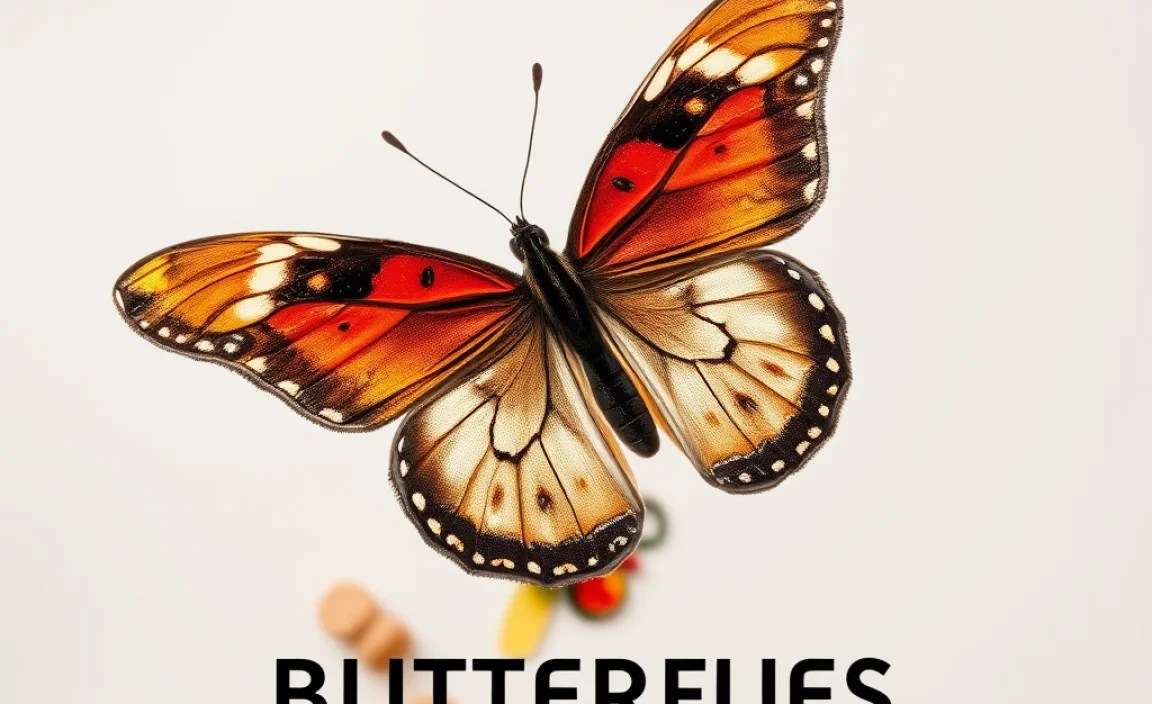
Australia’s butterfly fauna is incredibly diverse, reflecting the continent’s varied climates and ecosystems. From the tropical rainforests of Queensland to the arid landscapes of Western Australia, butterflies have adapted to thrive in almost every environment. Let’s explore some key aspects of these fascinating insects.
Butterfly Biology Basics
Butterflies belong to the order Lepidoptera, which also includes moths. They undergo complete metamorphosis, meaning they have four distinct life stages: egg, larva (caterpillar), pupa (chrysalis), and adult. Each stage plays a crucial role in the butterfly’s life cycle and its interaction with the environment.
- Egg: Butterflies lay their eggs on specific host plants, which will serve as food for the emerging caterpillars.
- Larva (Caterpillar): Caterpillars are voracious eaters, growing rapidly as they consume leaves. They molt several times as they increase in size.
- Pupa (Chrysalis): The caterpillar transforms into a pupa, often camouflaged to blend in with its surroundings. Inside the chrysalis, the butterfly’s body undergoes a remarkable transformation.
- Adult: The adult butterfly emerges from the chrysalis, ready to reproduce and continue the cycle.
Butterfly Habitats in Australia
Australian butterflies can be found in a wide range of habitats, including:
- Rainforests: Home to many brightly colored and exotic species, such as the Cairns Birdwing and Ulysses Butterfly.
- Woodlands: Providing shelter and food for a variety of butterflies, including Swallowtails and Skippers.
- Grasslands: Supporting butterflies that feed on grasses and other herbaceous plants.
- Deserts: Where butterflies have adapted to survive in arid conditions, often relying on specific flowering plants for nectar.
- Urban Gardens: Even in cities, butterflies can thrive in gardens that provide nectar sources and host plants.
Identifying Common Australian Butterflies

Identifying butterflies can be a rewarding experience. Here’s a guide to help you recognize some of the most common and striking species in Australia.
Key Identification Features
When identifying butterflies, pay attention to these features:
- Size: Butterfly sizes vary greatly, from small Skippers to large Birdwings.
- Color: Note the predominant colors and patterns on the wings.
- Wing Shape: Some butterflies have rounded wings, while others have pointed or elongated wings.
- Wing Patterns: Look for distinctive markings, such as spots, stripes, or eyespots.
- Behavior: Observe how the butterfly flies, feeds, and rests.
Popular Australian Butterfly Species
Here’s a table showcasing some well-known Australian butterflies:
| Species | Appearance | Habitat | Host Plant |
|---|---|---|---|
| Ulysses Butterfly (Papilio ulysses) | Brilliant blue wings with black borders | Rainforests of Queensland | Euodia species |
| Cairns Birdwing (Ornithoptera euphorion) | Large, black and green wings (female) or black and yellow wings (male) | Rainforests of Queensland | Aristolochia vines |
| Monarch Butterfly (Danaus plexippus) | Orange wings with black veins and white spots | Widespread across Australia | Milkweed (Asclepias species) |
| Australian Painted Lady (Vanessa kershawi) | Orange and brown wings with black and white markings | Widespread across Australia | Various Asteraceae plants |
| Common Blue (Lampides boeticus) | Blue wings with black borders (male) or brown wings with blue scales (female) | Widespread across Australia | Various legumes |
Detailed Butterfly Profiles
Let’s take a closer look at some of these iconic species:
Ulysses Butterfly (Papilio ulysses)
The Ulysses Butterfly is famous for its vibrant blue wings, which can be seen flashing through the rainforest canopy. These butterflies are found in northern Queensland and are a true spectacle of nature. The caterpillars feed on the leaves of the Euodia tree.
Cairns Birdwing (Ornithoptera euphorion)
The Cairns Birdwing is one of Australia’s largest butterflies, with females having a wingspan of up to 16 cm. The males are strikingly colored with black and yellow wings, while the females have black and green wings. They are found in the rainforests of northeastern Queensland and rely on Aristolochia vines as their host plant.
Monarch Butterfly (Danaus plexippus)
The Monarch Butterfly is a well-known species found worldwide, including Australia. Its orange wings with black veins and white spots make it easily recognizable. Monarchs are famous for their long migrations, although Australian populations do not migrate as extensively as their North American counterparts. They depend on milkweed plants for their caterpillars to feed on.
Australian Painted Lady (Vanessa kershawi)
The Australian Painted Lady is a common butterfly found throughout Australia. It has orange and brown wings with black and white markings. This butterfly is highly adaptable and can be found in a variety of habitats, from urban gardens to native bushland. The caterpillars feed on various plants in the Asteraceae family.
Common Blue (Lampides boeticus)
The Common Blue is a small but beautiful butterfly found across Australia. The males have blue wings with black borders, while the females have brown wings with blue scales. They are often seen flitting around gardens and grasslands, feeding on nectar from various flowers. The caterpillars feed on a variety of legumes.
Attracting Butterflies to Your Garden

Creating a butterfly-friendly garden is a wonderful way to support these important pollinators and enjoy their beauty up close. Here’s how you can transform your garden into a butterfly haven.
Choosing the Right Plants
The key to attracting butterflies is to provide both nectar sources for adult butterflies and host plants for caterpillars. Native plants are often the best choice, as they are adapted to the local climate and provide the specific nutrients that Australian butterflies need.
- Nectar Plants: Choose plants with brightly colored flowers that are rich in nectar. Some good options include:
- Grevillea
- Lantana
- Bottlebrush (Callistemon)
- Butterfly Bush (Buddleja davidii)
- Swan River Daisy (Brachyscome iberidifolia)
- Host Plants: These are the plants that caterpillars feed on. Research which butterflies are common in your area and provide their specific host plants. Some examples include:
- Milkweed (Asclepias species) for Monarchs
- Aristolochia vines for Cairns Birdwings
- Euodia species for Ulysses Butterflies
- Various legumes for Common Blues
Creating a Butterfly-Friendly Habitat
In addition to providing the right plants, there are other things you can do to make your garden more attractive to butterflies:
- Provide a Water Source: Butterflies need water, but they can’t drink from deep puddles. Place a shallow dish of water with pebbles or marbles for them to land on.
- Offer a Sunny Spot: Butterflies are cold-blooded and need to bask in the sun to warm up. Provide a sunny area with flat rocks or paving stones.
- Avoid Pesticides: Pesticides can harm or kill butterflies and other beneficial insects. Use organic gardening methods whenever possible.
- Provide Shelter: Butterflies need shelter from wind and rain. Plant shrubs and trees to create a protected environment.
A Step-by-Step Guide to Planting a Butterfly Garden
- Plan Your Garden: Consider the amount of sunlight, soil type, and space you have available.
- Choose Your Plants: Select a variety of nectar plants and host plants that are suitable for your local climate and the butterflies you want to attract.
- Prepare the Soil: Amend the soil with compost or other organic matter to improve drainage and fertility.
- Plant Your Plants: Follow the planting instructions for each plant, ensuring they have enough space to grow.
- Water Regularly: Keep the soil moist, especially during dry periods.
- Monitor for Pests: Check your plants regularly for pests and diseases, and take action if necessary.
- Enjoy Your Butterflies: Sit back and enjoy the beauty of the butterflies that visit your garden!
The Ecological Importance of Butterflies

Butterflies play a vital role in the ecosystem as pollinators. As they feed on nectar, they transfer pollen from one flower to another, helping plants to reproduce. They also serve as a food source for birds, lizards, and other animals. Unfortunately, many butterfly species are threatened by habitat loss, climate change, and pesticide use. By creating butterfly-friendly gardens and supporting conservation efforts, we can help protect these beautiful and important insects.
Butterfly Conservation Efforts in Australia
Several organizations are working to protect butterflies and their habitats in Australia. These include:
- Butterfly Conservation Australia: An organization dedicated to the conservation of Australian butterflies through research, education, and advocacy.
- The Australian National Insect Collection (ANIC): A research institution that maintains a comprehensive collection of Australian insects, including butterflies.
- Local Landcare Groups: Community groups that work to restore and protect natural habitats, including butterfly habitats.
How You Can Help
There are many ways you can contribute to butterfly conservation:
- Create a Butterfly Garden: As described above, providing nectar sources and host plants is a great way to support butterflies.
- Reduce Pesticide Use: Avoid using pesticides in your garden and support organic farming practices.
- Support Conservation Organizations: Donate to or volunteer with organizations that are working to protect butterflies and their habitats.
- Educate Others: Share your knowledge about butterflies with friends, family, and community members.
- Participate in Citizen Science Projects: Help researchers gather data on butterfly populations by participating in citizen science projects.
Butterfly Symbolism and Cultural Significance
Butterflies have long held symbolic meaning in various cultures around the world. They are often associated with transformation, rebirth, and hope. In some cultures, butterflies are seen as messengers from the spirit world.
Butterflies in Art and Literature
Butterflies have inspired countless artists and writers throughout history. They appear in paintings, poems, and stories, often representing beauty, fragility, and the ephemeral nature of life. Their delicate wings and vibrant colors make them a popular subject for artistic expression.
Spiritual Meanings of Butterflies
Many people believe that butterflies carry spiritual messages. Some common interpretations include:
- Transformation: The butterfly’s metamorphosis from caterpillar to butterfly symbolizes personal growth and transformation.
- Hope: The butterfly’s ability to emerge from its chrysalis represents hope and resilience in the face of adversity.
- Joy: The butterfly’s graceful flight and vibrant colors evoke feelings of joy and happiness.
- Love: Butterflies are often associated with love and romance, representing the beauty and fragility of relationships.
FAQ About Australian Butterflies
Here are some frequently asked questions about Australian butterflies:
What is the largest butterfly in Australia?
The largest butterfly in Australia is the Cairns Birdwing (Ornithoptera euphorion), with females reaching a wingspan of up to 16 cm.
Are Monarch butterflies native to Australia?
No, Monarch butterflies (Danaus plexippus) are not native to Australia. They are believed to have arrived in Australia in the 19th century.
What do butterfly caterpillars eat?
Butterfly caterpillars eat the leaves of specific host plants. The type of host plant varies depending on the butterfly species.
How can I attract butterflies to my balcony garden?
You can attract butterflies to your balcony garden by planting nectar-rich flowers and host plants in pots or containers. Provide a shallow dish of water and a sunny spot for basking.
Are any Australian butterflies endangered?
Yes, several Australian butterfly species are endangered or threatened due to habitat loss, climate change, and other factors. Examples include some species of Skippers and Swallowtails.
What is the lifespan of a butterfly?
The lifespan of a butterfly varies depending on the species. Some butterflies live only a few weeks, while others can live for several months.
Do butterflies migrate in Australia?
Some Australian butterflies, such as the Monarch, undertake migrations, although not as extensive as those of North American Monarchs. Other species may move locally in response to seasonal changes.
Conclusion
Exploring the world of Australian butterflies is a journey filled with beauty, discovery, and a deeper appreciation for the natural world. From the vibrant Ulysses Butterfly to the iconic Monarch, each species plays a unique role in our ecosystem. By understanding their biology, creating butterfly-friendly habitats, and supporting conservation efforts, we can help ensure that these delicate creatures continue to thrive for generations to come. So, step outside, plant some flowers, and get ready to be amazed by the butterflies of Australia!


