
Butterflies of Andes Cloud Forest: A Secret World

Discover the enchanting world of butterflies in the Andes cloud forests! This guide unveils the secrets of these vibrant creatures, from identifying common species to understanding their vital role in this unique ecosystem. Learn how to spot their dazzling colors, understand their life cycle, and appreciate the importance of protecting their fragile habitat. Get ready to be amazed by the beauty and diversity of these Andean jewels!
Have you ever dreamed of wandering through a misty forest, surrounded by the flutter of colorful wings? The Andes cloud forests are home to some of the most spectacular butterflies on Earth. But identifying these delicate creatures can feel overwhelming. Don’t worry! This guide will walk you through everything you need to know to start your butterfly adventure. We’ll explore common species, their habitats, and how you can help protect them. Get ready to unlock the secrets of these Andean butterflies!
Frequently Asked Questions About Andean Cloud Forest Butterflies
Here are some frequently asked questions to help you better understand the butterflies of the Andes cloud forest.
What is a cloud forest?
A cloud forest is a type of rainforest that is found at high altitudes, typically in mountainous regions. These forests are characterized by persistent, frequent or seasonal low-level cloud cover, usually forming at the canopy level.
Where are the Andes cloud forests located?
The Andes cloud forests stretch along the Andes Mountains in South America, from Venezuela and Colombia in the north, through Ecuador and Peru, and into Bolivia and Argentina.
Why are butterflies important to the Andes cloud forest?
Butterflies are vital pollinators for many plants in the cloud forest. They also serve as an important food source for birds, reptiles, and other insects, playing a crucial role in the food web.
What threats do butterflies face in the Andes cloud forest?
Habitat loss due to deforestation for agriculture, logging, and mining is the biggest threat. Climate change, which alters temperature and rainfall patterns, also poses a significant risk.
How can I help protect butterflies in the Andes cloud forest?
Support organizations working to conserve cloud forests. Choose sustainable products to reduce deforestation. Educate others about the importance of butterflies and their habitat.
What is the best time of year to see butterflies in the Andes cloud forest?
The best time to see butterflies is usually during the rainy season (typically November to April), when plants are flowering and butterflies are most active.
Are there any butterflies unique to the Andes cloud forest?
Yes, many butterfly species are endemic to specific regions of the Andes cloud forest, meaning they are found nowhere else in the world. This makes conservation efforts even more critical.
Exploring the Butterfly Diversity of the Andes Cloud Forest

The Andes cloud forests are biodiversity hotspots, teeming with life, and butterflies are no exception. Their vibrant colors and intricate patterns are a testament to the evolutionary forces at play in this unique environment. From the forest floor to the canopy, each butterfly species has adapted to its specific niche, contributing to the delicate balance of the ecosystem.
Factors Contributing to Butterfly Diversity
- Altitude: The varying altitudes within the cloud forests create different microclimates, each supporting unique butterfly species.
- Vegetation: The diverse plant life provides food and shelter for butterflies, with specific species often relying on particular host plants for their caterpillars.
- Rainfall: The consistent rainfall maintains the lush vegetation that butterflies depend on, especially during the dry season.
- Isolation: The isolated nature of many cloud forest patches has led to the evolution of endemic species found nowhere else.
Identifying Common Butterfly Families
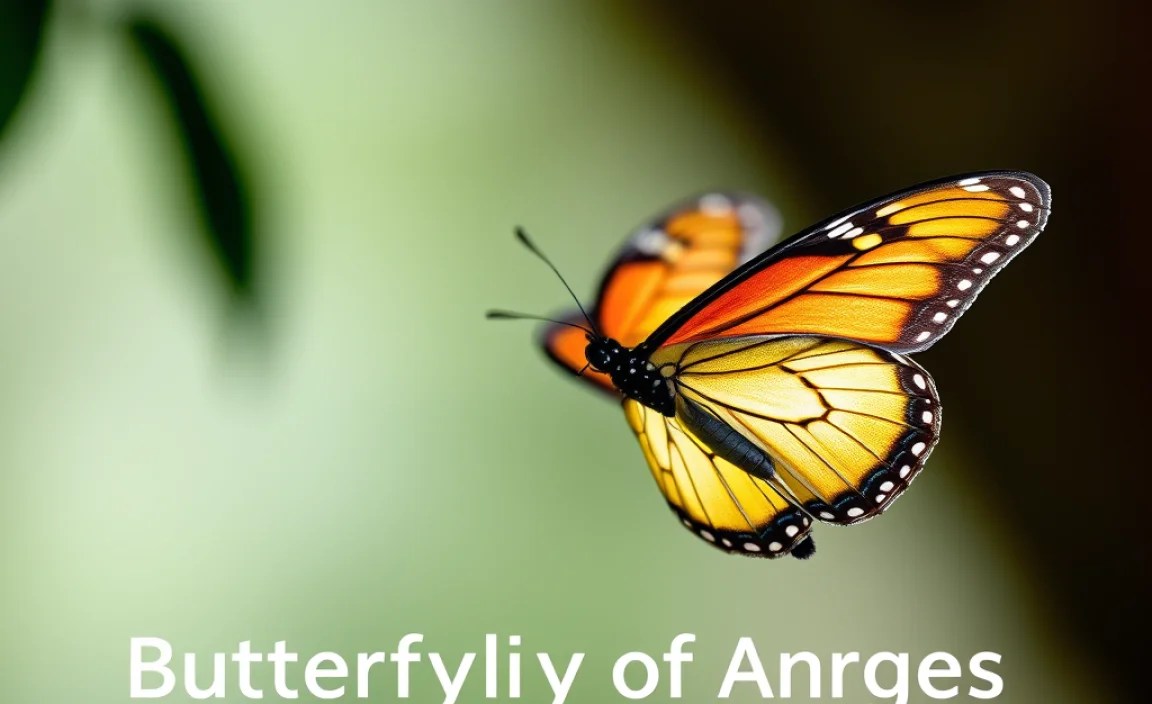
Learning to identify butterfly families is a great first step in understanding the diversity of butterflies in the Andes cloud forest. Here are some of the most common families you’ll encounter:
Nymphalidae (Brush-footed Butterflies)
Nymphalidae is one of the largest butterfly families, known for their reduced forelegs, which they use for tasting rather than walking. They often have vibrant colors and intricate patterns.
- Characteristics: Reduced forelegs, often brightly colored, diverse wing shapes.
- Examples: Monarchs, Admirals, Fritillaries, Morphos
- Andean Species: Many species of clearwing butterflies (Ithomiini tribe) and various nymphalids with vibrant patterns.
Pieridae (Whites and Sulphurs)
Pieridae butterflies are typically white, yellow, or orange, with black markings. They are often found in open areas and are strong fliers.
- Characteristics: White, yellow, or orange wings, often with black markings.
- Examples: Cabbage White, Orange Sulphur, Clouded Yellow
- Andean Species: Various species of Colias and Pieris.
Lycaenidae (Gossamer-winged Butterflies)
Lycaenidae are small, often brightly colored butterflies, with delicate wings. Many species have intricate patterns and false eyespots to confuse predators.
- Characteristics: Small size, bright colors, often with intricate patterns and tails.
- Examples: Blues, Coppers, Hairstreaks
- Andean Species: Numerous species of small, colorful blues and hairstreaks.
Papilionidae (Swallowtail Butterflies)
Papilionidae are large, striking butterflies with distinctive “tails” on their hindwings. They are often brightly colored and are strong fliers.
- Characteristics: Large size, tails on hindwings, often brightly colored.
- Examples: Tiger Swallowtail, Pipevine Swallowtail, Zebra Swallowtail
- Andean Species: Various species of Battus and Parides.
Hesperiidae (Skippers)
Skippers are small, stout-bodied butterflies with hooked antennae. They have a rapid, erratic flight pattern, giving them their name.
- Characteristics: Stout body, hooked antennae, rapid flight.
- Examples: Silver-spotted Skipper, Sachem, Checkered Skipper
- Andean Species: Many species of skippers adapted to high-altitude environments.
Spotlight on Specific Andean Cloud Forest Butterflies
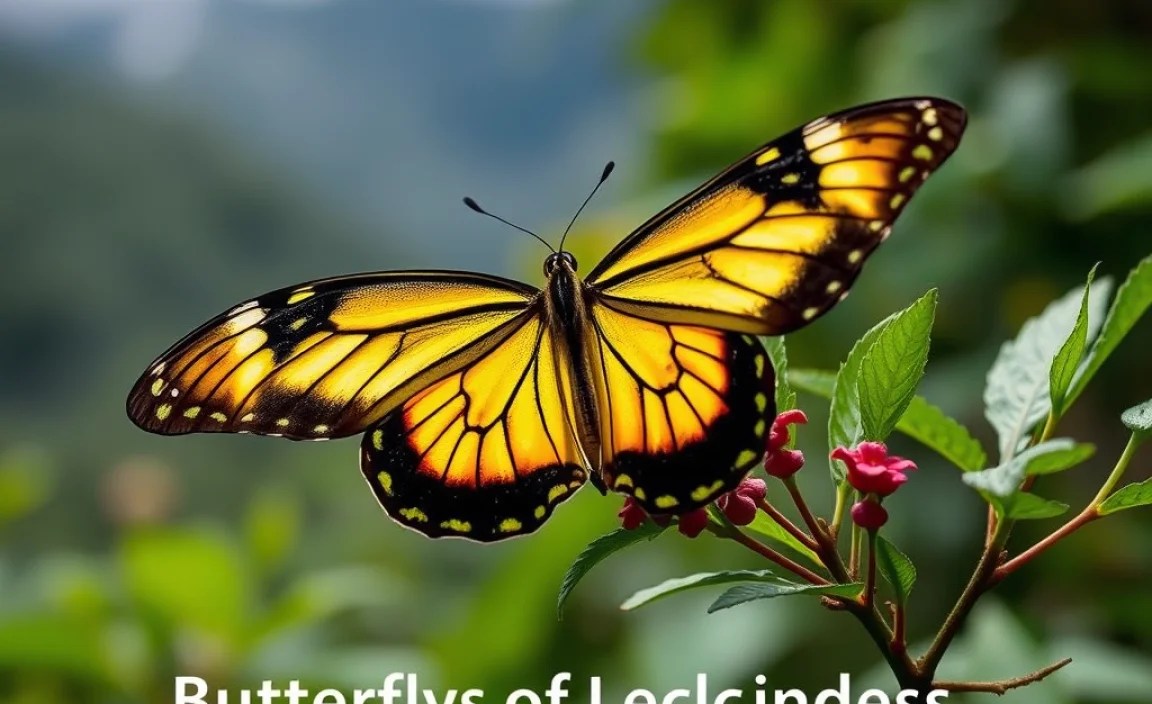
Let’s take a closer look at some of the fascinating butterfly species you might encounter in the Andes cloud forest:
Morpho Butterflies
Morpho butterflies are renowned for their iridescent blue wings, which shimmer in the sunlight. The blue color is not due to pigment but to the microscopic structure of the wing scales, which reflect light in a unique way.
- Habitat: Tropical forests, including cloud forests, from Mexico to South America.
- Diet: Adults feed on rotting fruit, tree sap, and fungi. Caterpillars feed on various plants.
- Conservation Status: Generally not endangered, but habitat loss is a concern.
Glasswing Butterflies (Ithomiini)
Glasswing butterflies have transparent wings, allowing them to blend seamlessly into their surroundings. This camouflage helps them avoid predators.
- Habitat: Tropical forests of Central and South America.
- Diet: Adults feed on nectar from flowers. Caterpillars feed on specific host plants containing toxins, which make the butterflies unpalatable to predators.
- Conservation Status: Generally not endangered, but habitat loss is a concern.
Metalmark Butterflies (Riodinidae)
Metalmark butterflies are small, often brightly colored butterflies with metallic markings on their wings. They are found in a variety of habitats, including cloud forests.
- Habitat: Primarily tropical forests of the Americas.
- Diet: Adults feed on nectar from flowers. Caterpillars often have complex relationships with ants.
- Conservation Status: Some species are threatened due to habitat loss.
Satyrinae (Browns)
Satyrinae butterflies are named for their typically brown or tan coloration, often adorned with eyespots. These butterflies are commonly found fluttering close to the ground in shaded areas of the Andes cloud forest. Their muted colors help them blend seamlessly with the leaf litter and undergrowth, providing excellent camouflage from predators. Satyrinae caterpillars often feed on grasses and sedges, contributing to the nutrient cycle of the forest floor.
- Habitat: Grassy and wooded areas, including cloud forests, worldwide.
- Diet: Adults feed on nectar, sap, and decaying fruit. Caterpillars feed on grasses and sedges.
- Conservation Status: Some species are threatened by habitat loss and climate change.
Butterfly Life Cycle in the Cloud Forest

Understanding the butterfly life cycle is key to appreciating their presence in the Andes cloud forest. Butterflies undergo complete metamorphosis, with four distinct stages:
- Egg: Butterflies lay their eggs on specific host plants, which will serve as food for the caterpillars.
- Larva (Caterpillar): The caterpillar hatches from the egg and spends its time eating and growing. It molts its skin several times as it grows larger.
- Pupa (Chrysalis): The caterpillar transforms into a pupa, or chrysalis. Inside the chrysalis, the caterpillar’s body undergoes a remarkable transformation.
- Adult Butterfly: The adult butterfly emerges from the chrysalis. It is now able to reproduce and continue the life cycle.
The Importance of Host Plants
Host plants are crucial for butterfly survival. Female butterflies lay their eggs on specific plants that provide food for their caterpillars. Without these host plants, the butterfly life cycle cannot continue.
Examples of Host Plants in the Andes Cloud Forest
- Passionflower (Passiflora): Host plant for many Heliconian butterflies.
- Milkweed (Asclepias): Host plant for Monarch butterflies.
- Citrus Trees (Citrus): Host plant for Giant Swallowtail butterflies.
Threats to Butterflies in the Andes Cloud Forest
Butterflies in the Andes cloud forest face numerous threats, primarily due to human activities:
Habitat Loss
Deforestation for agriculture, logging, and mining is the biggest threat to butterflies. As forests are cleared, butterflies lose their food sources, breeding grounds, and shelter.
Climate Change
Climate change is altering temperature and rainfall patterns, which can disrupt butterfly life cycles and affect the availability of host plants.
Pesticide Use
Pesticides used in agriculture can kill butterflies directly or indirectly by poisoning their food sources.
Collection
Over-collection of butterflies for commercial purposes can also threaten populations, particularly rare or endemic species.
Conservation Efforts
Protecting butterflies in the Andes cloud forest requires a multi-faceted approach:
Habitat Preservation
Establishing and maintaining protected areas, such as national parks and reserves, is crucial for conserving butterfly habitat. Organizations like the Nature Conservancy and Rainforest Trust work to protect these vital areas.
Sustainable Agriculture
Promoting sustainable agricultural practices that reduce deforestation and pesticide use can help protect butterfly habitat outside of protected areas.
Community Involvement
Engaging local communities in conservation efforts is essential. Providing education and economic incentives for conservation can help ensure the long-term success of these efforts.
Research and Monitoring
Conducting research to understand butterfly populations, their habitat needs, and the threats they face is crucial for developing effective conservation strategies. Monitoring butterfly populations can also help track the effectiveness of conservation efforts.
How to Observe Butterflies Responsibly
If you have the opportunity to visit the Andes cloud forest and observe butterflies, it’s important to do so responsibly:
- Stay on Marked Trails: Avoid disturbing vegetation or trampling butterfly habitat.
- Do Not Collect Butterflies: Collecting butterflies can harm populations, especially rare species.
- Observe from a Distance: Avoid getting too close to butterflies, as this can stress them.
- Use Binoculars: Binoculars can help you get a closer look at butterflies without disturbing them.
- Take Photos: Photography is a great way to document your observations and share your experiences with others.
- Support Local Conservation Efforts: By supporting local conservation organizations, you can help protect butterflies and their habitat.
Building a Butterfly-Friendly Garden
Even if you don’t live near the Andes cloud forest, you can still help butterflies by creating a butterfly-friendly garden. Here are some tips:
- Plant Host Plants: Provide food for caterpillars by planting host plants specific to your region.
- Plant Nectar Plants: Provide food for adult butterflies by planting nectar-rich flowers.
- Provide a Water Source: Butterflies need water, so provide a shallow dish of water with pebbles for them to land on.
- Avoid Pesticides: Pesticides can harm butterflies and other beneficial insects.
- Provide Shelter: Butterflies need shelter from wind and rain, so plant trees and shrubs.
- Provide Sunlight: Butterflies need sunlight to warm their bodies, so plant flowers in sunny locations.
Recommended Resources for Further Learning
To deepen your knowledge of butterflies and their conservation, here are some recommended resources:
| Resource | Description | Link |
|---|---|---|
| The Xerces Society | A non-profit organization dedicated to invertebrate conservation. | https://xerces.org/ |
| Butterfly Conservation | A UK-based organization dedicated to protecting butterflies and moths. | https://butterfly-conservation.org/ |
| National Geographic | Offers articles and documentaries on butterflies and other wildlife. | https://www.nationalgeographic.com/ |
| Smithsonian Institution | Provides research and educational resources on butterflies and insects. | https://www.si.edu/ |
| Rainforest Trust | An organization focused on protecting rainforests and their biodiversity. | https://www.rainforesttrust.org/ |
The Cultural Significance of Butterflies
Butterflies have long held cultural significance in many societies around the world. They are often seen as symbols of transformation, rebirth, and hope. In some cultures, butterflies are believed to carry the souls of the dead.
Butterflies in Art and Literature
Butterflies have inspired artists and writers for centuries. They appear in paintings, sculptures, poems, and stories, often as symbols of beauty, fragility, and the ephemeral nature of life.
Butterflies in Mythology and Folklore
Many cultures have myths and legends about butterflies. In some Native American cultures, butterflies are seen as messengers from the spirit world. In ancient Greece, Psyche, the goddess of the soul, was often depicted with butterfly wings.
Conclusion
The butterflies of the Andes cloud forest are a testament to the incredible biodiversity of our planet. By understanding their ecology, appreciating their beauty, and supporting conservation efforts, we can help ensure that these delicate creatures continue to thrive for generations to come. Whether you’re a seasoned naturalist or a curious beginner, exploring the world of butterflies is a rewarding experience that connects us to the wonders of nature. So, grab your binoculars, head out to your nearest butterfly garden or nature reserve, and prepare to be amazed by the beauty and diversity of these Andean jewels!


