
Butterflies in Middle East Desert: Amazing Secrets!

Navigating the desert to find butterflies in the Middle East requires knowing where to look! Many butterfly species thrive in surprising desert habitats, especially near oases, mountains, and seasonal water sources. With a bit of planning and understanding of their specific needs, you can find these delicate beauties even in arid landscapes.
Have you ever imagined butterflies fluttering against the backdrop of a Middle Eastern desert? It might seem unlikely, but these resilient insects find ways to thrive even in harsh conditions. The key is knowing where to look and understanding what attracts them. Many people assume deserts are devoid of life, but butterflies, with their vibrant colors and delicate wings, prove otherwise. In this guide, we’ll explore how to find these hidden gems, identify common species, and learn about the unique adaptations that allow them to survive in the desert.
Ready to uncover the secret world of butterflies in the Middle East desert? Let’s get started!
Butterflies in Middle East Desert: A Naturalist’s Guide

The Middle East, with its vast deserts and arid landscapes, might not seem like the ideal habitat for butterflies. However, these resilient creatures have adapted to survive in these challenging environments. Understanding where to find them and what attracts them is key to spotting butterflies in the desert.
Understanding Desert Butterfly Habitats
Butterflies are ectothermic, meaning they rely on external sources of heat to regulate their body temperature. In the desert, they seek out microclimates that offer shade, moisture, and food sources.
- Oases: These fertile spots provide water and vegetation, creating a haven for butterflies.
- Mountains: Higher altitudes offer cooler temperatures and diverse plant life, attracting various butterfly species.
- Wadis (Seasonal Watercourses): These dry riverbeds can temporarily fill with water after rainfall, supporting plant growth and attracting butterflies.
- Gardens and Farms: Cultivated areas in or near the desert can provide nectar sources and host plants for caterpillars.
Identifying Common Desert Butterfly Species
Several butterfly species have adapted to the arid conditions of the Middle East. Here are some of the most commonly found:
- African Babul Blue (Azanus jesous): Small and delicate, with pale blue wings, often found near acacia trees.
- Plain Tiger (Danaus chrysippus): A striking orange butterfly with black and white markings, known for its migratory behavior.
- Crimson Tip (Colotis danae): Recognizable by the bright red or orange tips on its forewings, common in dry, open areas.
- Small Orange Tip (Colotis etrida): Similar to the Crimson Tip but smaller, with a more muted orange tip.
- Painted Lady (Vanessa cardui): A widely distributed butterfly with intricate patterns on its orange and brown wings, known for its long-distance migrations.
Identifying butterflies requires careful observation of their size, color patterns, and behavior. A good field guide or mobile app can be invaluable for accurate identification.
Essential Gear for Butterfly Spotting
Before heading out to the desert, make sure you have the right equipment to ensure a safe and successful butterfly-spotting adventure.
- Binoculars: Essential for observing butterflies from a distance without disturbing them.
- Field Guide: A comprehensive guide to local butterfly species will help with identification.
- Camera: Capture stunning photos of the butterflies you encounter.
- Water and Snacks: Stay hydrated and energized, especially in the desert heat.
- Sun Protection: Wear a hat, sunglasses, and sunscreen to protect yourself from the sun.
- Appropriate Clothing: Choose light, breathable clothing that covers your skin to protect against sunburn and insect bites.
Step-by-Step Guide to Finding Butterflies in the Middle East Desert
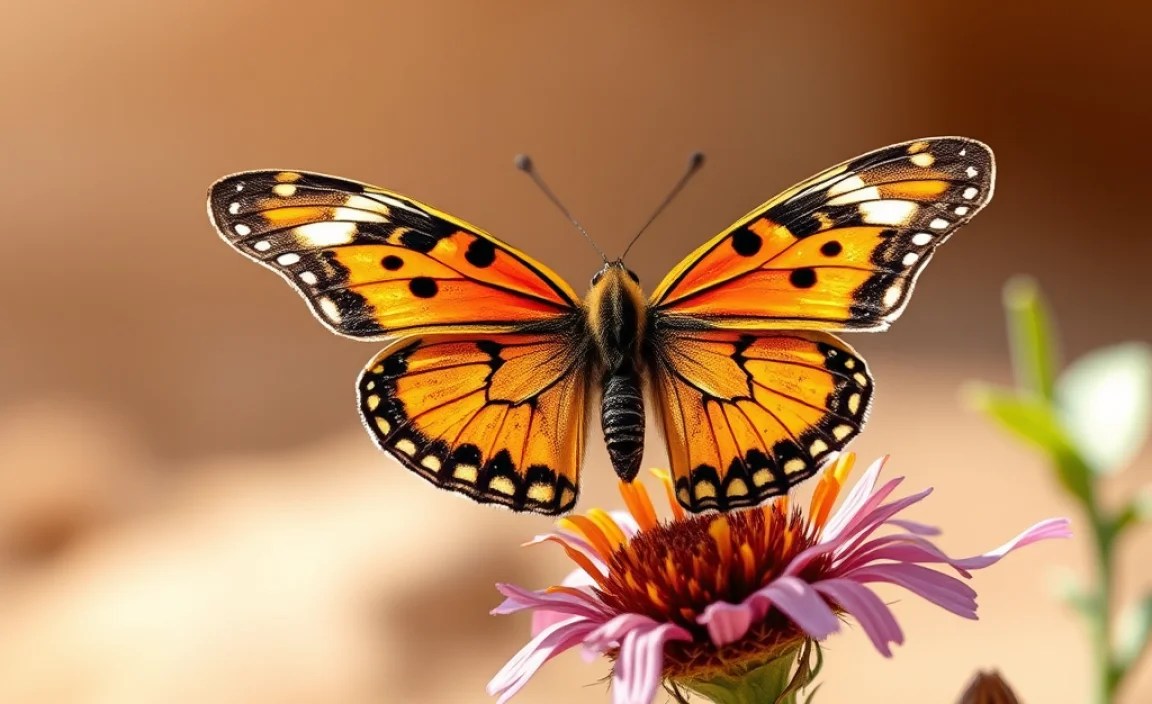
Finding butterflies in the desert requires a strategic approach. Here’s a step-by-step guide to help you locate these elusive creatures.
Step 1: Research and Planning
Before you set out, gather as much information as possible about the area you plan to visit.
- Identify Potential Habitats: Look for oases, mountains, wadis, and cultivated areas on maps and satellite images.
- Check Butterfly Distribution: Consult field guides and online resources to learn about the butterfly species known to inhabit the region.
- Consider the Season: Butterfly activity is often influenced by rainfall and temperature. Spring and early summer are generally the best times to see butterflies in the desert.
- Obtain Necessary Permits: Some areas may require permits for entry or specific activities. Check with local authorities before your trip.
Step 2: Timing Your Visit
The time of day can significantly impact your chances of seeing butterflies.
- Morning Hours: Butterflies are most active in the morning when temperatures are cooler and they can bask in the sun to warm up.
- Avoid Midday Heat: Butterflies tend to seek shelter during the hottest part of the day.
- Late Afternoon: As temperatures cool down, butterflies may become active again.
Step 3: Exploring Potential Habitats
Once you arrive at your chosen location, explore the area systematically.
- Oases: Focus on flowering plants and water sources, where butterflies are likely to congregate.
- Mountains: Hike along trails, paying attention to areas with diverse vegetation and sunny spots.
- Wadis: Search for puddles and damp areas, which can attract butterflies seeking water.
- Gardens and Farms: Look for nectar-rich flowers and host plants for caterpillars.
Step 4: Observing Butterfly Behavior
Understanding butterfly behavior can help you spot them more easily.
- Basking: Butterflies often bask in the sun to raise their body temperature. Look for them on rocks, leaves, and bare ground.
- Nectaring: Butterflies feed on nectar from flowers. Observe flowering plants closely to see if any butterflies are visiting.
- Puddling: Butterflies gather at puddles and damp areas to drink water and absorb minerals.
- Flight Patterns: Pay attention to the flight patterns of butterflies. Some species have a distinctive flight style that can help with identification.
Step 5: Identification and Documentation
When you spot a butterfly, take the time to identify it and document your observation.
- Take Photos: Capture clear photos of the butterfly from different angles.
- Note Key Features: Pay attention to the butterfly’s size, color patterns, and wing shape.
- Consult Field Guides: Use a field guide or mobile app to identify the butterfly species.
- Record Your Observations: Keep a journal or use a digital platform to record your butterfly sightings, including the date, time, location, and species.
Creating a Butterfly-Friendly Desert Garden
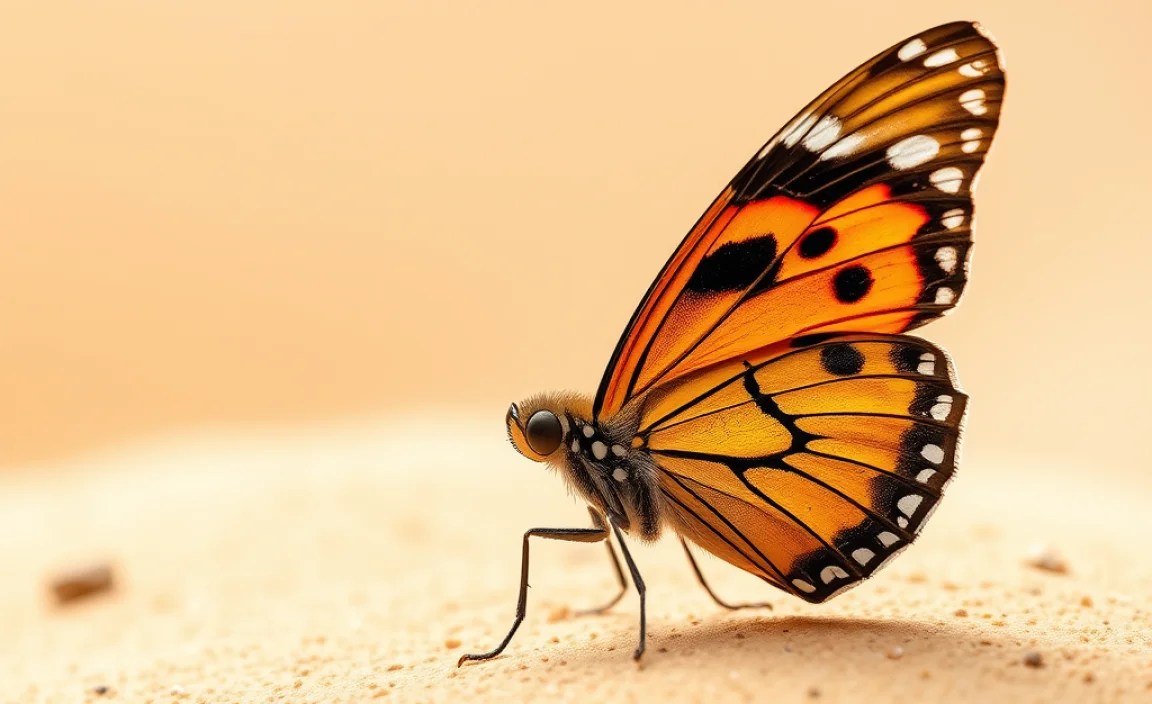
Even in the desert, you can create a garden that attracts butterflies by providing the resources they need to survive and reproduce.
Choosing the Right Plants
Selecting the right plants is crucial for attracting butterflies to your garden.
- Nectar Plants: These plants provide food for adult butterflies. Choose a variety of nectar-rich flowers that bloom at different times of the year.
- Host Plants: These plants provide food for caterpillars. Research the host plants of the butterfly species you want to attract and include them in your garden.
- Native Plants: Native plants are best adapted to the local climate and soil conditions, and they are often preferred by native butterflies.
Here are some examples of butterfly-friendly plants for the Middle East desert:
| Plant Type | Plant Name | Butterfly Attracted |
|---|---|---|
| Nectar Plant | Lantana | Various species |
| Nectar Plant | Zinnia | Various species |
| Host Plant | Acacia | African Babul Blue |
| Host Plant | Milkweed | Plain Tiger |
| Nectar Plant | Desert Marigold (Baileya multiradiata) | Monarch, Painted Lady |
Providing Water and Shelter
Butterflies also need water and shelter to thrive in the desert environment.
- Water Source: Create a shallow dish of water with pebbles or marbles for butterflies to land on while drinking.
- Shelter: Provide shrubs and trees for butterflies to rest and seek shelter from the sun and wind.
- Avoid Pesticides: Pesticides can harm or kill butterflies and other beneficial insects. Use organic gardening methods instead.
Maintaining Your Butterfly Garden
Regular maintenance is essential for keeping your butterfly garden healthy and attractive to butterflies.
- Watering: Water your plants regularly, especially during dry periods.
- Weeding: Remove weeds that compete with your butterfly plants for resources.
- Deadheading: Remove dead flowers to encourage more blooms.
- Pruning: Prune shrubs and trees to maintain their shape and promote healthy growth.
Conservation Efforts for Desert Butterflies

Many butterfly species are threatened by habitat loss, climate change, and other factors. Supporting conservation efforts is crucial for protecting these delicate creatures.
Supporting Conservation Organizations
Numerous organizations are working to conserve butterflies and their habitats. Consider supporting these organizations through donations, volunteering, or advocacy.
- The Xerces Society: A non-profit organization that protects invertebrates and their habitats.
- Butterfly Conservation: A UK-based organization that works to conserve butterflies and moths.
- Local Conservation Groups: Many local organizations are dedicated to protecting butterflies in specific regions.
Promoting Sustainable Practices
You can also help conserve butterflies by adopting sustainable practices in your own life.
- Reduce Your Carbon Footprint: Climate change is a major threat to butterflies. Reduce your carbon footprint by conserving energy, using public transportation, and supporting renewable energy sources.
- Protect Natural Habitats: Support efforts to protect and restore natural habitats, such as oases, mountains, and wadis.
- Educate Others: Share your knowledge and passion for butterflies with others to raise awareness about their importance and the threats they face.
The Cultural Significance of Butterflies in the Middle East
Butterflies have long held cultural significance in many societies, including those in the Middle East. They often symbolize transformation, beauty, and the ephemeral nature of life.
Symbolism and Folklore
In some Middle Eastern cultures, butterflies are seen as messengers from the spirit world or symbols of good luck. They may also be associated with specific deities or mythological figures.
Art and Literature
Butterflies have been featured in Middle Eastern art and literature for centuries. They are often depicted in paintings, textiles, and poetry, representing beauty, freedom, and the fleeting nature of existence.
Modern Interpretations
Today, butterflies continue to inspire artists, writers, and nature enthusiasts in the Middle East. They serve as a reminder of the delicate balance of nature and the importance of conservation.
FAQ: Butterflies in Middle East Desert
Here are some frequently asked questions about butterflies in the Middle East desert.
1. Can butterflies really survive in the desert?
Yes! While it seems unlikely, certain butterfly species have adapted to thrive in desert environments. They seek out microclimates with shade, moisture, and food sources like oases and seasonal watercourses.
2. What is the best time of year to see butterflies in the desert?
Spring and early summer are generally the best times to see butterflies in the desert. This is when temperatures are milder and there is often more rainfall, leading to increased plant growth and butterfly activity.
3. Where are the best places to look for butterflies in the desert?
Focus on oases, mountains, wadis (seasonal watercourses), and cultivated areas like gardens and farms. These areas provide the resources that butterflies need to survive.
4. What do desert butterflies eat?
Adult butterflies feed on nectar from flowers. Caterpillars feed on the leaves of specific host plants. Research the host plants of the butterfly species you want to attract and include them in your garden.
5. How can I attract butterflies to my desert garden?
Choose native plants that provide nectar for adult butterflies and serve as host plants for caterpillars. Also, provide a water source and avoid using pesticides.
6. Are there any endangered butterfly species in the Middle East desert?
Yes, some butterfly species are threatened by habitat loss, climate change, and other factors. Supporting conservation efforts is crucial for protecting these delicate creatures. Check with local conservation groups for the most up-to-date information.
7. What should I bring when I go butterfly spotting in the desert?
Bring binoculars, a field guide, a camera, water, snacks, sun protection (hat, sunglasses, sunscreen), and appropriate clothing (light, breathable, and covering your skin).
Conclusion: Embracing the Beauty of Desert Butterflies
Discovering butterflies in the Middle East desert is a rewarding experience that reveals the hidden beauty and resilience of nature. By understanding their habitats, identifying common species, and creating butterfly-friendly gardens, you can contribute to their conservation and enjoy their vibrant presence in the arid landscape. Whether you’re a seasoned naturalist or a curious beginner, the world of desert butterflies offers endless opportunities for exploration and appreciation. So, grab your gear, head out into the desert, and prepare to be amazed by these delicate creatures that defy the odds and thrive in one of the world’s most challenging environments. Happy butterfly spotting!


