
Butterflies of Alpine Meadows: Your Complete Guide

Discovering the butterflies of alpine meadows involves learning to identify common species, understanding their unique adaptations to high-altitude life, and knowing how to support their fragile habitats. Alpine butterflies are vital indicators of ecosystem health and offer a glimpse into nature’s resilience.
Have you ever hiked through a stunning alpine meadow, only to be captivated by the fluttering wings of butterflies? It’s a magical experience, but identifying these high-altitude beauties can feel daunting. Many people struggle to distinguish one butterfly from another, especially in the diverse and challenging alpine environment. Don’t worry, you’re not alone! I’m Frances O’Brien from ButterflyAsk.com, and I’m here to guide you.
In this article, we’ll explore the fascinating world of alpine butterflies. We’ll cover common species, their unique adaptations, and how you can help protect these delicate creatures. Get ready to transform your hikes into butterfly-spotting adventures!
What are Alpine Butterflies?
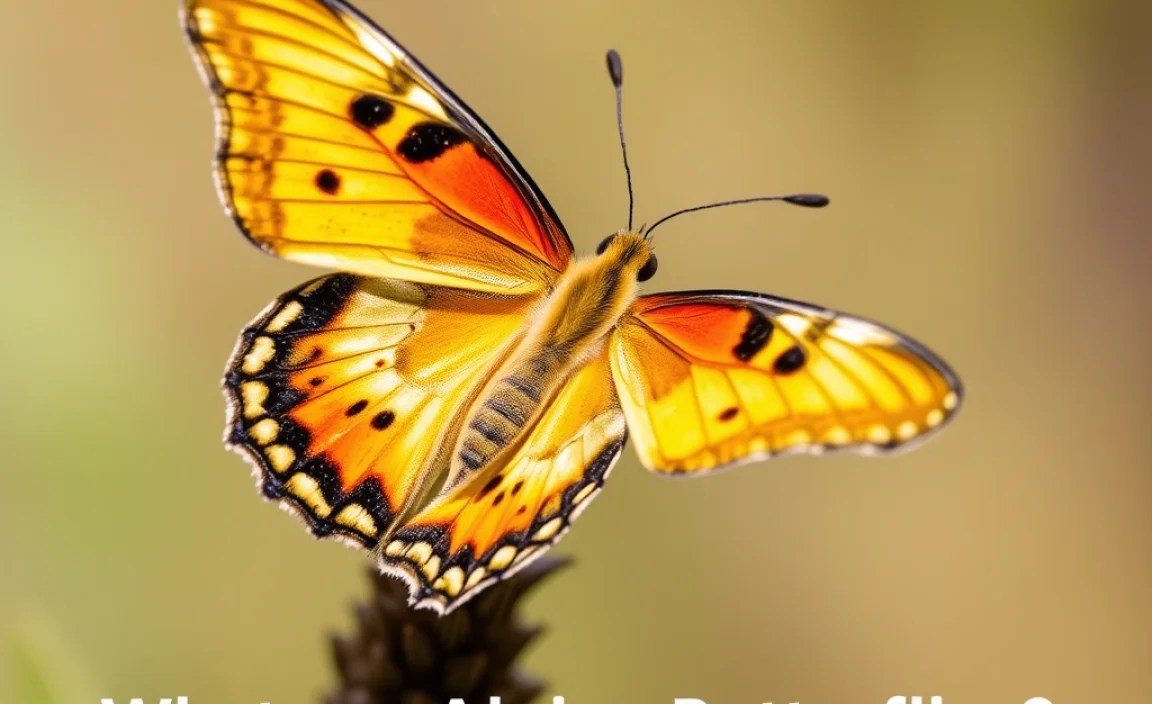
Alpine butterflies are those species that thrive in high-altitude environments, typically above the treeline. These butterflies have adapted to the harsh conditions of alpine meadows, including intense sunlight, strong winds, cold temperatures, and a short growing season. Their survival depends on specific strategies for feeding, breeding, and avoiding predators.
Common Butterflies of Alpine Meadows

Alpine meadows are home to a variety of butterfly species, each with its unique beauty and ecological role. Here are some of the most common butterflies you might encounter:
1. Apollo Butterfly (Parnassius apollo)
The Apollo butterfly is a striking species, easily recognizable by its large size and translucent white wings adorned with distinctive red spots. It is often found in rocky alpine meadows, fluttering gracefully among the wildflowers.
- Appearance: Large white wings with red and black spots.
- Habitat: Rocky alpine meadows.
- Food Source: Larvae feed on stonecrop plants (Sedum spp.).
- Conservation Status: Vulnerable in some regions due to habitat loss and climate change.
2. Mountain Ringlet (Erebia epiphron)
The Mountain Ringlet is a small, dark butterfly perfectly adapted to the cool, damp conditions of alpine grasslands. Its dark coloration helps it absorb heat, and its flight is often low to the ground, seeking shelter from the wind.
- Appearance: Small, dark brown wings with orange spots.
- Habitat: Alpine grasslands and scree slopes.
- Food Source: Larvae feed on various grasses.
- Adaptations: Dark coloration for heat absorption, low flight to avoid wind.
3. Alpine Blue (Plebejus glandon)
The Alpine Blue is a delicate butterfly with vibrant blue wings (in males) and brownish wings with orange spots (in females). It is commonly seen flitting around low-growing plants in alpine meadows.
- Appearance: Males have bright blue wings; females are brownish with orange spots.
- Habitat: Alpine meadows with low-growing plants.
- Food Source: Larvae feed on various legumes.
- Flight Period: Typically flies from June to August.
4. Cranberry Blue (Vacciniina optilete)
The Cranberry Blue is another small but beautiful butterfly, often found near cranberry or other Vaccinium plants, which serve as its larval food source. Its shimmering blue wings make it a delightful sight in alpine bogs and meadows.
- Appearance: Small with shimmering blue wings.
- Habitat: Alpine bogs and meadows near cranberry plants.
- Food Source: Larvae feed on cranberry and other Vaccinium species.
- Distinguishing Feature: Often found in damp, boggy areas.
5. Titania’s Fritillary (Boloria titania)
Titania’s Fritillary is a medium-sized butterfly with orange wings adorned with black spots and markings. It is a strong flyer, often seen soaring over alpine meadows in search of nectar.
- Appearance: Orange wings with black spots and markings.
- Habitat: Alpine meadows and grasslands.
- Food Source: Larvae feed on various violet species (Viola spp.).
- Flight Pattern: Strong and soaring flight.
6. Arctic Fritillary (Boloria chariclea)
The Arctic Fritillary is a hardy butterfly adapted to the extreme conditions of arctic and alpine environments. Its wings are a mix of orange and brown, providing excellent camouflage against the rocky terrain.
- Appearance: Orange and brown wings with intricate patterns.
- Habitat: Rocky alpine and arctic environments.
- Food Source: Larvae feed on various plants, including willows and saxifrages.
- Adaptations: Camouflaged wings for protection against predators.
Identifying Alpine Butterflies: A Step-by-Step Guide

Identifying butterflies can be a rewarding experience. Here’s a step-by-step guide to help you distinguish between different species in alpine meadows:
Step 1: Observe the Size and Shape
Start by noting the overall size of the butterfly. Is it large, medium, or small? Also, pay attention to the shape of its wings. Some butterflies have rounded wings, while others have more angular or elongated wings.
Step 2: Note the Wing Color and Patterns
The color and patterns on the wings are crucial for identification. Note the primary color (e.g., white, blue, orange, brown) and any distinctive markings, such as spots, stripes, or borders. Use a field guide or online resources to compare your observations with known species.
Step 3: Observe the Butterfly’s Behavior
A butterfly’s behavior can also provide clues to its identity. Note how it flies (e.g., fast and erratic, slow and graceful), what plants it visits for nectar, and where it prefers to rest. Some species are more active in sunny conditions, while others prefer shaded areas.
Step 4: Use a Field Guide or App
A good field guide is an invaluable tool for butterfly identification. Look for guides specific to your region or alpine environments. Alternatively, there are many smartphone apps available that can help you identify butterflies based on photos or descriptions. The Butterflies and Moths of North America website is also a great resource.
Step 5: Consider the Habitat and Location
Alpine butterflies are often found in specific habitats. Knowing the type of environment (e.g., rocky meadow, grassland, bog) and your geographical location can narrow down the possibilities. Some species are only found in certain regions or elevations.
Step 6: Photograph the Butterfly
If possible, take a clear photograph of the butterfly. This will allow you to examine it more closely later and compare it with images in field guides or online resources. Be sure to capture the upper and lower sides of the wings if possible.
Step 7: Consult Experts or Online Communities
If you’re still unsure about the identification, don’t hesitate to consult with experts or online communities. Many butterfly enthusiasts are happy to help you identify a butterfly based on your description or photo. Websites like BugGuide.net have active forums where you can post photos and ask for assistance.
Adaptations of Alpine Butterflies

Alpine butterflies have developed remarkable adaptations to survive in the harsh conditions of high-altitude environments. These adaptations allow them to cope with extreme temperatures, intense sunlight, and a short growing season.
1. Cold Tolerance
Alpine butterflies can tolerate cold temperatures through various physiological adaptations. Some species produce antifreeze compounds in their body fluids, which prevent ice crystals from forming and damaging their cells. Others enter a state of dormancy or hibernation during the coldest months.
2. Dark Coloration
Many alpine butterflies have dark-colored wings, which help them absorb heat from the sun. This is particularly important in cold environments where butterflies need to raise their body temperature to become active. The dark coloration acts like a solar panel, allowing them to warm up quickly.
3. Basking Behavior
Basking is a common behavior among alpine butterflies. They will often perch on rocks or vegetation with their wings spread open, exposing themselves to the sun’s rays. This allows them to maximize heat absorption and raise their body temperature.
4. Short Life Cycle
Due to the short growing season in alpine environments, many butterflies have evolved a rapid life cycle. They can complete their development from egg to adult in a matter of weeks, allowing them to take advantage of the brief period of favorable conditions.
5. Strong Flight
Alpine butterflies often have strong flight muscles, which allow them to cope with the strong winds that are common in high-altitude environments. They can fly quickly and maneuver effectively, even in gusty conditions.
6. Specialized Diet
Alpine butterflies have adapted to feed on the specific plants that are available in their habitat. Their larvae may feed on certain species of grasses, legumes, or wildflowers, while the adults feed on nectar from alpine flowers.
7. Camouflage
Camouflage is another important adaptation for alpine butterflies. Their wing patterns and colors often blend in with the surrounding vegetation or rocks, making them less visible to predators.
The Ecological Importance of Alpine Butterflies
Alpine butterflies play a crucial role in the ecology of alpine meadows. They are important pollinators, helping to ensure the reproduction of many alpine plants. They also serve as a food source for birds, small mammals, and other insects.
- Pollination: Butterflies help pollinate various alpine plants, contributing to plant biodiversity and ecosystem health.
- Food Source: They are a vital food source for birds and other wildlife.
- Indicators of Environmental Health: Their presence and abundance reflect the overall health of the alpine ecosystem.
Furthermore, alpine butterflies are sensitive to changes in their environment, making them valuable indicators of climate change and habitat degradation. Monitoring their populations can provide important insights into the health and stability of alpine ecosystems.
Threats to Alpine Butterflies
Despite their adaptations, alpine butterflies face numerous threats, including:
1. Climate Change
Climate change is one of the most significant threats to alpine butterflies. Rising temperatures can alter their habitat, disrupt their life cycle, and increase the risk of extinction. As the climate warms, alpine habitats may shrink or disappear altogether, leaving butterflies with nowhere to go.
2. Habitat Loss
Habitat loss due to development, agriculture, and other human activities can also threaten alpine butterflies. The destruction of alpine meadows and grasslands can eliminate the food sources and breeding grounds that butterflies need to survive.
3. Overgrazing
Overgrazing by livestock can damage alpine vegetation and reduce the availability of food for butterflies. Excessive grazing can also lead to soil erosion and habitat degradation.
4. Pollution
Pollution from industrial activities, agriculture, and vehicle emissions can contaminate alpine habitats and harm butterflies. Air pollution can damage their respiratory systems, while water pollution can contaminate their food sources.
5. Invasive Species
Invasive plant and animal species can outcompete native species and disrupt the delicate balance of alpine ecosystems. Invasive plants can take over butterfly habitats, while invasive predators can prey on butterfly larvae and adults.
How to Help Alpine Butterflies
There are many things you can do to help protect alpine butterflies and their habitats:
- Support Conservation Organizations: Donate to or volunteer with organizations that are working to protect alpine ecosystems.
- Reduce Your Carbon Footprint: Take steps to reduce your greenhouse gas emissions, such as driving less, using public transportation, and conserving energy.
- Protect Alpine Habitats: Avoid disturbing alpine vegetation or wildlife when hiking or camping. Stay on designated trails and pack out all trash.
- Advocate for Conservation Policies: Support policies that protect alpine habitats and promote sustainable land management practices.
- Educate Others: Share your knowledge about alpine butterflies and the importance of protecting their habitats with friends, family, and community members.
- Create Butterfly-Friendly Gardens: Plant native wildflowers and other plants that provide food and habitat for butterflies in your garden or community.
- Monitor Butterfly Populations: Participate in citizen science projects that track butterfly populations and monitor their health.
Creating a Butterfly-Friendly Alpine Garden
Even if you don’t live in an alpine region, you can create a butterfly-friendly garden that supports alpine butterfly species. Here’s how:
- Choose Native Plants: Select native alpine plants that provide nectar for adult butterflies and food for their larvae. Some good choices include stonecrop (Sedum spp.), violets (Viola spp.), and legumes.
- Provide a Water Source: Butterflies need water to drink, so provide a shallow dish of water with pebbles or stones for them to land on.
- Offer Shelter: Butterflies need shelter from wind and rain, so provide shrubs, trees, or rock piles where they can hide.
- Avoid Pesticides: Pesticides can harm or kill butterflies, so avoid using them in your garden.
- Provide Sunlight: Butterflies need sunlight to warm their bodies, so make sure your garden receives at least six hours of sunlight per day.
Here’s a table of alpine plants you can include in your garden to attract butterflies:
| Plant Name | Butterfly Attracted | Growing Conditions |
|---|---|---|
| Stonecrop (Sedum spp.) | Apollo Butterfly | Well-drained soil, full sun |
| Violets (Viola spp.) | Titania’s Fritillary | Moist, well-drained soil, partial shade |
| Legumes | Alpine Blue | Well-drained soil, full sun |
| Cranberry (Vaccinium spp.) | Cranberry Blue | Acidic, moist soil, partial shade |
| Saxifrages | Arctic Fritillary | Well-drained, rocky soil, full sun |
Photographing Alpine Butterflies
Photographing butterflies can be a challenging but rewarding experience. Here are some tips for capturing stunning images of alpine butterflies:
- Use a Macro Lens: A macro lens will allow you to capture close-up details of the butterfly’s wings and body.
- Shoot in Natural Light: Natural light is the best light for photographing butterflies. Avoid using flash, which can wash out the colors and create harsh shadows.
- Use a Fast Shutter Speed: Butterflies are constantly moving, so use a fast shutter speed to freeze their motion.
- Focus Carefully: Focus on the butterfly’s eyes or other key features to ensure that your images are sharp and clear.
- Be Patient: Butterflies can be elusive, so be patient and wait for the right moment to capture your shot.
FAQ About Alpine Butterflies
1. What is an alpine meadow?
An alpine meadow is a high-altitude grassland located above the treeline, characterized by wildflowers, grasses, and a short growing season.
2. How do alpine butterflies survive in cold temperatures?
Alpine butterflies have adaptations like antifreeze compounds in their bodies and dark coloration to absorb heat, helping them survive in cold environments.
3. What do alpine butterflies eat?
Larvae feed on specific alpine plants, while adult butterflies feed on nectar from alpine flowers.
4. Why are alpine butterflies important?
They are essential pollinators, indicators of environmental health, and a food source for other wildlife in alpine ecosystems.
5. What are the main threats to alpine butterflies?
The primary threats include climate change, habitat loss, overgrazing, pollution, and invasive species.
6. How can I help protect alpine butterflies?
Support conservation organizations, reduce your carbon footprint, protect alpine habitats, and educate others about the importance of these creatures.
7. Can I attract alpine butterflies to my garden?
Yes, by planting native alpine plants, providing water and shelter, and avoiding pesticides, you can create a butterfly-friendly garden.
Conclusion
Exploring the world of alpine butterflies opens a window into the resilience and beauty of nature. By learning to identify these fascinating creatures, understanding their adaptations, and supporting conservation efforts, you can play a vital role in protecting their fragile habitats. Whether you’re hiking in the mountains or creating a butterfly garden, your efforts can make a difference. Let’s continue to cherish and protect these delicate symbols of the alpine meadows for generations to come. Happy butterfly watching!
For further reading and resources, consider exploring the following links:


