
Butterflies in Chilean Andes: Secret Beauty!

Quick Summary: Discover the enchanting world of butterflies in the Chilean Andes! From the vibrant Andean Swallowtail to the elusive Patagonian Painted Lady, these high-altitude butterflies have adapted to survive in extreme conditions. Learn about their unique habitats, behaviours, and how you can help protect these fragile creatures through citizen science and conservation efforts.
Have you ever imagined butterflies fluttering among snow-capped peaks? In the Chilean Andes, this dream is a reality! These hardy insects have adapted to the challenging high-altitude environment. But identifying these beautiful creatures and understanding their role in this unique ecosystem can feel overwhelming. Don’t worry, I’m here to guide you through it. Together, we’ll explore the fascinating world of Andean butterflies, learning how to spot them, understand their behaviours, and help protect their fragile habitats. Get ready for an adventure into the breathtaking world of butterflies in the Chilean Andes!
Discovering Butterflies in the Chilean Andes

The Chilean Andes, a majestic mountain range, are home to a surprising variety of butterfly species. These butterflies have adapted to survive in a harsh environment characterized by high altitude, extreme temperatures, and strong winds. Let’s explore some of the unique butterflies found in this region.
Why the Chilean Andes?
The Andes Mountains create diverse microclimates. These varied zones allow different butterfly species to thrive at different elevations and aspects. Some butterflies prefer the sunny slopes, while others favour sheltered valleys. This mosaic of habitats contributes to the rich butterfly diversity of the region.
Key Butterfly Species
Several butterfly species are particularly notable in the Chilean Andes. Here are a few examples:
- Andean Swallowtail (Battus polydamas archidamas): A striking black and yellow butterfly, often seen near streams.
- Patagonian Painted Lady (Vanessa terpsichore): A migratory butterfly, known for its vibrant orange and brown patterns.
- Chilean Skippers (various genera): Small, fast-flying butterflies, often found in grasslands.
Identifying Andean Butterflies
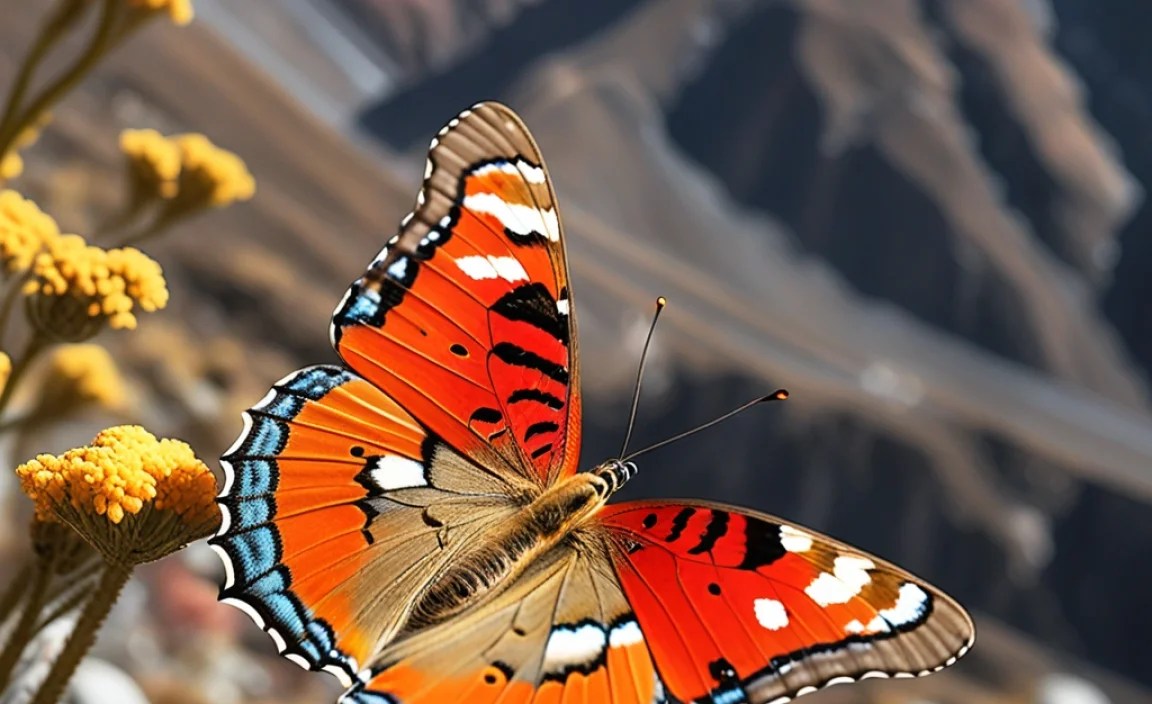
Identifying butterflies can be a rewarding experience. With a few key characteristics in mind, you can start recognizing the different species found in the Chilean Andes.
Key Identification Features
When identifying butterflies, pay attention to the following features:
- Size and Shape: Note the overall size and shape of the butterfly’s wings.
- Colour and Pattern: Observe the colours and patterns on the wings, both on the upper and lower surfaces.
- Flight Behaviour: Notice how the butterfly flies – is it fast and erratic, or slow and graceful?
- Habitat: Where did you see the butterfly? Different species prefer different habitats.
Tools for Identification
Several tools can help you identify butterflies in the field:
- Field Guides: A good field guide is essential for identifying butterflies. Look for guides specific to South American butterflies.
- Binoculars: Binoculars can help you get a closer look at butterflies without disturbing them.
- Butterfly Net: A butterfly net can be used to catch butterflies for closer examination, but be sure to release them unharmed. (Ensure you have any required permits.)
- Camera: Take photos of butterflies to help with identification later.
- Online Resources: Websites like iNaturalist and Butterfly Conservation offer valuable information and identification tools.
Example: Identifying the Andean Swallowtail
Let’s take a closer look at the Andean Swallowtail (Battus polydamas archidamas). This butterfly is relatively large, with black wings and distinctive yellow markings. It is often seen near streams and prefers areas with lush vegetation. Its flight is graceful and gliding. By observing these characteristics, you can confidently identify this beautiful butterfly.
Butterfly Habitats in the Chilean Andes

Understanding the habitats where butterflies live is crucial for finding and observing them. The Chilean Andes offer a variety of habitats, each supporting different butterfly species.
High-Altitude Grasslands
These grasslands are characterized by grasses, shrubs, and wildflowers. They provide important food sources for butterflies and other insects. Look for Chilean Skippers and other small butterflies in these areas.
Andean Forests
These forests are home to a variety of tree species, as well as shrubs, vines, and other plants. They provide shelter and food for many butterfly species. Look for Andean Swallowtails and other forest-dwelling butterflies in these areas.
Riparian Zones
Riparian zones are the areas along rivers and streams. These areas are often lush and provide important habitat for butterflies. Look for butterflies that require moist conditions in these zones.
Rocky Outcrops
Rocky outcrops provide basking sites for butterflies, allowing them to warm up in the sun. These areas can also offer protection from wind and predators. Some butterflies have evolved to resemble the rocks, providing excellent camouflage.
Butterfly Behaviour and Ecology
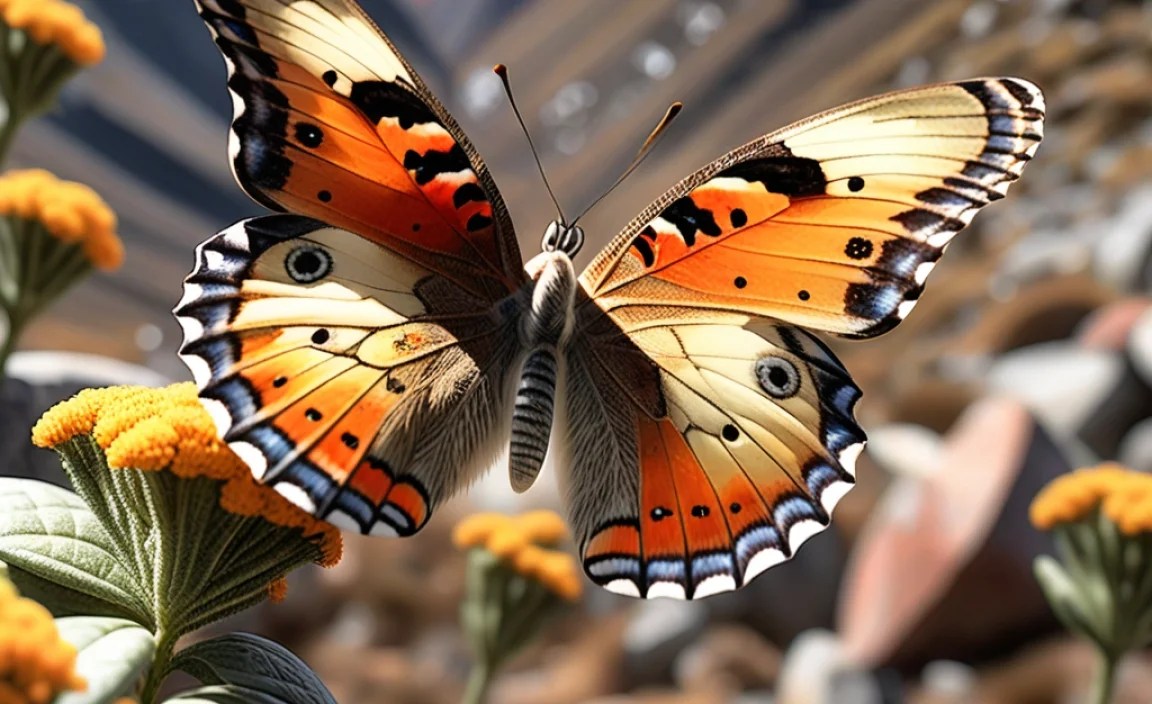
Butterflies are not just beautiful; they also play important roles in the ecosystem. Understanding their behaviour and ecology can deepen your appreciation for these fascinating creatures.
Feeding Habits
Most adult butterflies feed on nectar from flowers. They use their long proboscis to suck up nectar, which provides them with energy. Some butterflies also feed on pollen, tree sap, or decaying fruit. Caterpillars, the larval stage of butterflies, feed on leaves and other plant material.
Reproduction
Butterflies reproduce through sexual reproduction. Male butterflies often engage in courtship displays to attract females. After mating, the female lays her eggs on or near the host plant, which will provide food for the caterpillars.
Life Cycle
Butterflies undergo complete metamorphosis, which means they have four distinct life stages: egg, larva (caterpillar), pupa (chrysalis), and adult. Each stage plays a crucial role in the butterfly’s life cycle.
- Egg: The egg is the first stage of the butterfly’s life cycle. Eggs are often laid on or near the host plant.
- Larva (Caterpillar): The caterpillar is the feeding stage of the butterfly’s life cycle. Caterpillars grow rapidly, shedding their skin several times as they grow.
- Pupa (Chrysalis): The pupa is the transformation stage of the butterfly’s life cycle. Inside the chrysalis, the caterpillar transforms into a butterfly.
- Adult: The adult butterfly is the reproductive stage of the butterfly’s life cycle. Adult butterflies mate and lay eggs, continuing the cycle.
Migration
Some butterfly species, such as the Patagonian Painted Lady, are migratory. They travel long distances to find suitable breeding grounds or to escape harsh weather conditions. Migration is a complex behaviour influenced by environmental factors such as temperature, rainfall, and food availability.
Challenges and Conservation
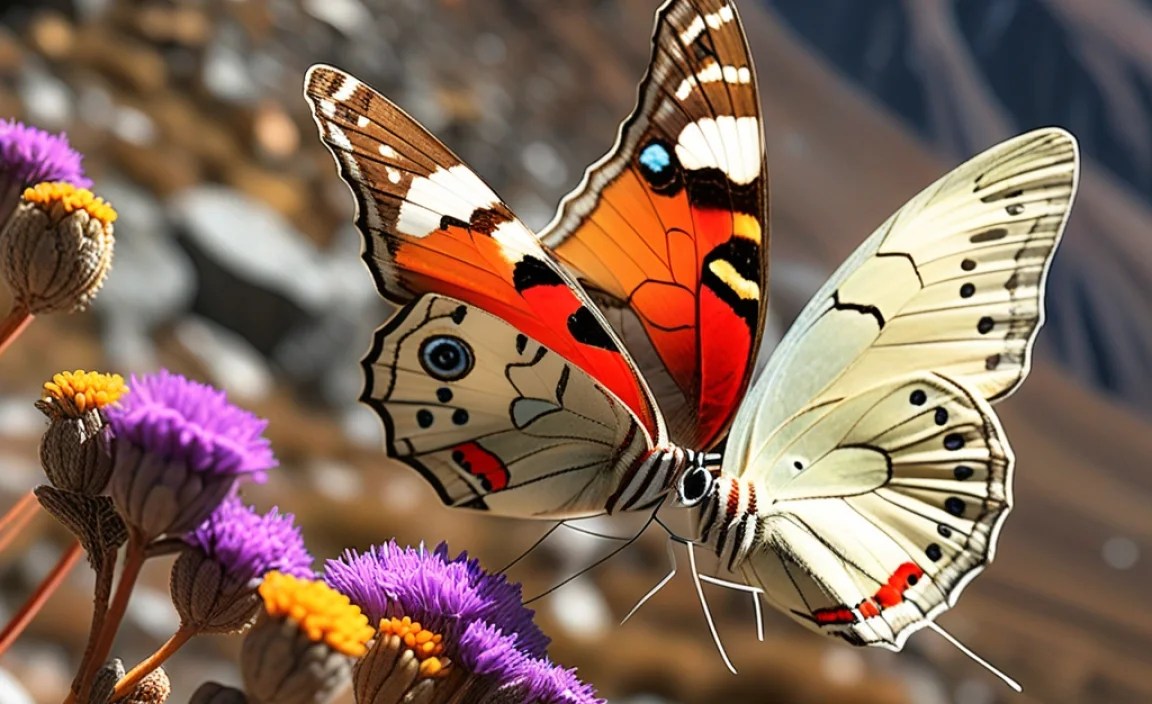
Butterflies in the Chilean Andes face several challenges, including habitat loss, climate change, and pesticide use. Conservation efforts are essential to protect these fragile creatures and their habitats.
Habitat Loss
Habitat loss is one of the biggest threats to butterflies. As land is cleared for agriculture, urbanization, and other development, butterflies lose their food sources and breeding grounds. Protecting and restoring butterfly habitats is crucial for their survival.
Climate Change
Climate change is also a major threat to butterflies. As temperatures rise and weather patterns change, butterflies may struggle to adapt. Some species may be forced to move to higher elevations or different regions, while others may not be able to survive.
Pesticide Use
Pesticides can harm butterflies directly or indirectly by killing their food sources. Reducing pesticide use and promoting sustainable agricultural practices can help protect butterflies.
Conservation Strategies
Several conservation strategies can help protect butterflies in the Chilean Andes:
- Habitat Protection: Protecting and restoring butterfly habitats is essential. This can involve creating protected areas, restoring degraded habitats, and promoting sustainable land management practices.
- Citizen Science: Citizen science projects can help monitor butterfly populations and track their movements. By participating in these projects, you can contribute to butterfly conservation efforts.
- Education and Awareness: Raising awareness about the importance of butterflies and the threats they face can help promote conservation. This can involve educating the public, policymakers, and landowners about butterflies and their habitats.
- Sustainable Practices: Supporting sustainable agricultural practices and reducing pesticide use can help protect butterflies and their food sources.
Attracting Butterflies to Your Garden
Even if you don’t live in the Chilean Andes, you can still help butterflies by creating a butterfly-friendly garden. By planting the right plants and providing the right conditions, you can attract butterflies to your garden and provide them with food and shelter.
Choosing the Right Plants
Butterflies are attracted to flowers that are rich in nectar. Choose a variety of flowering plants that bloom at different times of the year to provide a continuous source of nectar. Some good choices include:
- Lavender (Lavandula): A fragrant herb that attracts many butterflies.
- Butterfly Bush (Buddleja davidii): A popular butterfly plant with long, colourful flower spikes.
- Coneflower (Echinacea): A hardy perennial that attracts butterflies and other pollinators.
- Zinnia (Zinnia elegans): A colourful annual that blooms all summer long.
- Milkweed (Asclepias): A host plant for monarch butterflies.
In addition to nectar plants, it’s also important to plant host plants for caterpillars. Host plants provide food for caterpillars, allowing them to grow and develop into butterflies. Some good choices include:
- Milkweed (Asclepias): A host plant for monarch caterpillars.
- Parsley (Petroselinum crispum): A host plant for swallowtail caterpillars.
- Dill (Anethum graveolens): A host plant for swallowtail caterpillars.
- Fennel (Foeniculum vulgare): A host plant for swallowtail caterpillars.
Providing the Right Conditions
In addition to planting the right plants, it’s also important to provide the right conditions for butterflies. Butterflies need sunlight, shelter from the wind, and a source of water.
- Sunlight: Butterflies need sunlight to warm up and fly. Plant your butterfly garden in a sunny location.
- Shelter: Butterflies need shelter from the wind. Plant shrubs and trees around your butterfly garden to provide shelter.
- Water: Butterflies need water to drink. Provide a shallow dish of water with pebbles or stones for butterflies to land on.
Avoiding Pesticides
Pesticides can harm butterflies, so it’s important to avoid using them in your butterfly garden. If you need to control pests, use natural methods such as hand-picking or insecticidal soap.
Citizen Science and Butterfly Monitoring
Citizen science projects offer a fantastic way to contribute to butterfly conservation. By participating in these projects, you can help monitor butterfly populations, track their movements, and gather valuable data for scientists.
iNaturalist
iNaturalist is a popular citizen science platform where you can record your observations of butterflies and other wildlife. Simply take a photo of a butterfly, upload it to iNaturalist, and the community will help identify it. Your observations contribute to a global database of biodiversity data.
Butterfly Monitoring Network
Many countries and regions have butterfly monitoring networks that rely on volunteers to conduct regular butterfly surveys. These surveys involve counting butterflies along established transects and recording the data. Contact your local conservation organization to learn about butterfly monitoring opportunities in your area.
Benefits of Citizen Science
Participating in citizen science projects offers many benefits:
- Contribute to Conservation: Your observations help scientists monitor butterfly populations and track their movements.
- Learn About Butterflies: You’ll learn about butterfly identification, behaviour, and ecology.
- Connect with Nature: You’ll spend time outdoors, connecting with nature and enjoying the beauty of butterflies.
- Meet Other Butterfly Enthusiasts: You’ll meet other people who share your passion for butterflies.
Symbolism and Cultural Significance
Butterflies have long held symbolic and cultural significance in many societies around the world. They are often associated with transformation, rebirth, and hope.
Transformation
The butterfly’s life cycle, with its dramatic transformation from caterpillar to pupa to adult, is a powerful symbol of transformation. Butterflies remind us that change is possible and that we can all transform ourselves into something beautiful.
Rebirth
Butterflies are also associated with rebirth. Their emergence from the chrysalis is seen as a symbol of new beginnings and the promise of a brighter future.
Hope
Butterflies are often seen as symbols of hope. Their delicate beauty and graceful flight remind us that even in the darkest of times, there is always hope for a better tomorrow.
Cultural Significance in Chile
In Chilean culture, butterflies are often seen as messengers from the spirit world. They are believed to carry the souls of the departed and to bring messages of love and comfort to the living.
| Butterfly Aspect | Symbolism |
|---|---|
| Transformation | Represents personal growth and change. |
| Rebirth | Symbolizes new beginnings and hope. |
| Delicacy | Highlights the fragility of nature and life. |
| Freedom | Represents liberation and the beauty of flight. |
FAQ: Butterflies in the Chilean Andes
Here are some frequently asked questions about butterflies in the Chilean Andes:
- What is the best time of year to see butterflies in the Chilean Andes?
- The best time to see butterflies is during the warmer months, from late spring to early autumn (October to April). During this time, temperatures are milder, and more flowers are in bloom, providing nectar for butterflies.
- What are some common threats to butterflies in this region?
- Common threats include habitat loss due to agriculture and development, climate change affecting their habitats, and pesticide use that harms both butterflies and their host plants.
- How can I help protect butterflies in my area?
- You can help by planting native flowering plants to provide nectar, avoiding pesticide use, supporting local conservation organizations, and participating in citizen science projects to monitor butterfly populations.
- Are there any poisonous butterflies in the Chilean Andes?
- While most butterflies are not poisonous, some species may be distasteful to predators due to chemicals they accumulate from their host plants. It’s always best to observe butterflies without handling them.
- What do caterpillars in the Chilean Andes eat?
- Caterpillars feed on various plants, depending on the species. Each butterfly species has specific host plants that their caterpillars rely on for food. Examples include native grasses, shrubs, and trees.
- Where can I find more information about butterflies in Chile?
- You can find more information from local universities, natural history museums, and conservation organizations in Chile. Online resources like iNaturalist and Butterfly Conservation are also helpful.
- Do butterflies in the Andes migrate?
- Yes, some species like the Patagonian Painted Lady are known to migrate in response to seasonal changes and resource availability. These migrations help them find suitable breeding grounds and food sources.
Conclusion
Exploring the world of butterflies in the Chilean Andes is a journey into a realm of resilience, beauty, and ecological significance. These delicate creatures, adapted to thrive in challenging high-altitude environments, offer a glimpse into the intricate web of life that connects us all. By learning to identify these butterflies, understanding their habitats and behaviours, and supporting conservation efforts, we can play a vital role in protecting them for future generations. Whether you’re a seasoned naturalist or a curious beginner, the world of Andean butterflies is sure to inspire a deeper appreciation for the wonders of nature and the importance of conservation.


