
Butterflies of Australasian Region: A Colorful Guide

The Australasian region, including Australia, New Zealand, and surrounding islands, is home to a dazzling array of butterflies! From the iconic Ulysses Butterfly with its iridescent blue wings to the delicate Monarch, these creatures play a vital role in our ecosystems. This guide will help you identify common species, understand their life cycles, and discover how you can attract these beautiful pollinators to your garden.
Butterflies are more than just pretty faces. They’re essential pollinators, indicators of environmental health, and sources of inspiration for art and culture. But with habitat loss and climate change threatening their populations, it’s more important than ever to understand and protect these delicate creatures.
Ready to explore the wonderful world of Australasian butterflies? We’ll cover everything from identification tips to conservation efforts, so you can become a butterfly expert in no time. Let’s get started!
Identifying Butterflies of the Australasian Region

Identifying butterflies can seem daunting, but with a few key observations, you’ll be spotting different species in no time! Here’s what to look for:
- Wing Shape and Size: Note the overall shape of the wings (rounded, pointed, swallow-tailed) and their size.
- Color and Markings: Pay close attention to the colors, patterns, spots, and stripes on both the upper and lower sides of the wings.
- Flight Pattern: Some butterflies have a rapid, erratic flight, while others glide gracefully.
- Habitat and Location: Where did you spot the butterfly? Different species prefer different habitats.
Common Butterfly Species
Let’s take a closer look at some of the most common and fascinating butterflies you might encounter in the Australasian region:
Ulysses Butterfly (Papilio ulysses)
The Ulysses Butterfly is famous for its striking iridescent blue wings, edged with black. Found in northern Australia and surrounding islands, it’s a true spectacle of nature. The vibrant blue color comes from microscopic structures on the scales of its wings that reflect blue light.
- Habitat: Tropical rainforests
- Caterpillar Food: Various species of Euodia trees
- Fun Fact: The Ulysses Butterfly is often used as a symbol of tropical Queensland, Australia.
Monarch Butterfly (Danaus plexippus)
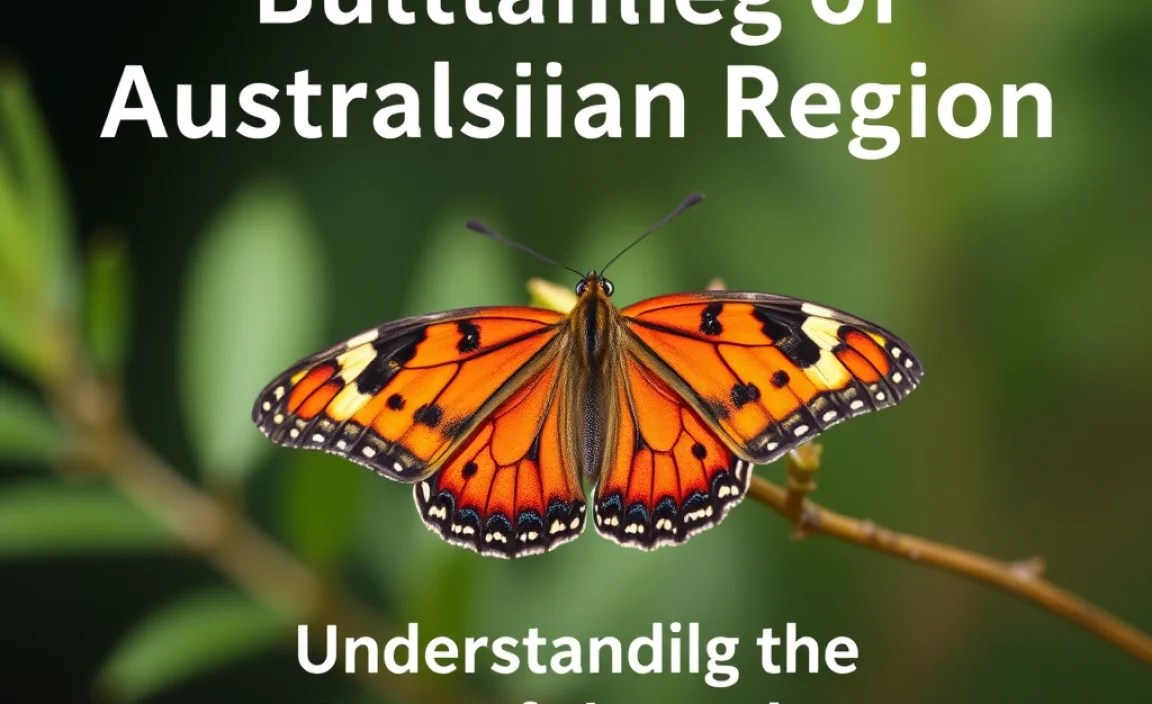
The Monarch Butterfly is known for its incredible long-distance migrations. While native to North America, it has established populations in Australia and New Zealand. Its bright orange wings with black veins and white spots make it easily recognizable. It is critically important to tag these butterflies to help understand their migration patterns.
- Habitat: Open fields and gardens
- Caterpillar Food: Milkweed (Asclepias species)
- Fun Fact: Monarch butterflies undertake multi-generational migrations, with each generation traveling part of the journey.
Australian Painted Lady (Vanessa kershawi)
This butterfly is widespread across Australia and is known for its migratory behavior. Its wings feature a mix of orange, brown, and black patterns. You can find them in urban gardens and natural bushland.
- Habitat: A variety of habitats, including gardens, woodlands, and open areas
- Caterpillar Food: Various plants, including native daisies
- Fun Fact: The Australian Painted Lady can travel long distances in search of food and breeding grounds.
Richmond Birdwing Butterfly (Ornithoptera richmondia)
One of Australia’s largest butterflies, the Richmond Birdwing is found in southeast Queensland and northern New South Wales. The male has striking green and black wings, while the female is larger with brown and white markings. These butterflies are a conservation priority due to habitat loss.
- Habitat: Subtropical rainforests
- Caterpillar Food: Richmond Birdwing Vine (Pararistolochia praevenosa)
- Fun Fact: Conservation efforts are focused on planting the Richmond Birdwing Vine to provide food for the caterpillars.
Swallowtail Butterflies
The Australasian region is home to several species of Swallowtail butterflies, known for their distinctive “tails” on their hindwings. Common species include:
- Orchard Swallowtail (Papilio aegeus): Black with white or cream markings.
- Chequered Swallowtail (Papilio demoleus): Black and white checkered pattern.
Blue Triangle Butterfly (Graphium sarpedon)
The Blue Triangle is known for the distinctive blue band across its wings. It’s a common sight in gardens and forests of eastern Australia.
- Habitat: Forests, woodlands, and gardens
- Caterpillar Food: Various trees and shrubs in the laurel family (Lauraceae)
- Fun Fact: The Blue Triangle butterfly is known for its rapid and erratic flight.
Butterfly Identification Table
Here’s a quick reference table to help you identify some common Australasian butterflies:
| Butterfly Species | Wing Color and Markings | Habitat | Caterpillar Food |
|---|---|---|---|
| Ulysses Butterfly | Iridescent blue with black edges | Tropical rainforests | Euodia trees |
| Monarch Butterfly | Orange with black veins and white spots | Open fields and gardens | Milkweed |
| Australian Painted Lady | Orange, brown, and black patterns | Gardens, woodlands, open areas | Native daisies |
| Richmond Birdwing | Male: Green and black; Female: Brown and white | Subtropical rainforests | Richmond Birdwing Vine |
| Blue Triangle | Black with a distinctive blue band across the wings | Forests, woodlands, and gardens | Trees and shrubs in the laurel family |
Understanding the Butterfly Life Cycle
Butterflies undergo complete metamorphosis, meaning they have four distinct life stages:
- Egg: Butterflies lay their eggs on specific host plants that will serve as food for the caterpillars.
- Larva (Caterpillar): The caterpillar hatches from the egg and spends its time eating and growing. It molts its skin several times as it grows larger.
- Pupa (Chrysalis): Once the caterpillar is fully grown, it forms a pupa or chrysalis. Inside the chrysalis, the caterpillar transforms into a butterfly.
- Adult: The adult butterfly emerges from the chrysalis. Its wings are initially crumpled but expand as they fill with fluid. The adult butterfly then flies off to reproduce.
The Importance of Host Plants
Each butterfly species relies on specific host plants for its caterpillars to feed on. Without these plants, the caterpillars cannot survive. For example, Monarch caterpillars feed exclusively on milkweed plants. Planting host plants in your garden is one of the best ways to attract butterflies.
Attracting Butterflies to Your Garden
Creating a butterfly-friendly garden is a rewarding way to support these beautiful creatures. Here’s how to do it:
- Plant Host Plants: Provide food for caterpillars by planting their specific host plants.
- Plant Nectar Plants: Offer a variety of nectar-rich flowers to provide food for adult butterflies.
- Provide Shelter: Plant shrubs and trees to provide shelter from wind and predators.
- Offer a Water Source: Butterflies need water, but they can’t drink from deep puddles. Provide a shallow dish of water with pebbles or sand for them to land on.
- Avoid Pesticides: Pesticides can harm or kill butterflies and other beneficial insects.
Best Nectar Plants for Australasian Butterflies
Here are some of the best nectar plants to attract butterflies in the Australasian region:
- Lantana: A popular choice with clusters of colorful flowers.
- Butterfly Bush (Buddleja davidii): As the name suggests, this shrub is a butterfly magnet.
- Salvia: Offers a long bloom time and attracts a variety of butterflies and other pollinators.
- Zinnia: Easy to grow and provides a profusion of colorful flowers.
- Grevillea: Native Australian plants that provide nectar for butterflies and birds.
Butterfly Conservation

Butterfly populations are declining due to habitat loss, pesticide use, and climate change. Here are some ways you can help protect these important pollinators:
- Create Butterfly-Friendly Habitats: Plant host plants and nectar plants in your garden or community.
- Reduce Pesticide Use: Use natural pest control methods instead of pesticides.
- Support Conservation Organizations: Donate to or volunteer with organizations that work to protect butterfly habitats.
- Educate Others: Share your knowledge about butterflies with friends, family, and community members.
Organizations Dedicated to Butterfly Conservation
Here are some organizations working to protect butterflies and their habitats:
- Butterfly Conservation Initiative: Focuses on research, habitat restoration, and education to protect butterflies.
- The Xerces Society: An international organization that protects invertebrates and their habitats.
- Local Conservation Groups: Many local groups work to protect butterflies and other wildlife in specific regions.
The Cultural Significance of Butterflies
Butterflies have held symbolic meaning in cultures around the world for centuries. They often represent:
- Transformation: The butterfly’s metamorphosis from caterpillar to winged beauty symbolizes transformation and rebirth.
- Hope: Butterflies are often seen as symbols of hope and new beginnings.
- Soul: In some cultures, butterflies are believed to represent the human soul.
- Beauty: Their delicate beauty and graceful flight make butterflies a symbol of beauty and grace.
Butterflies in Art and Literature
Butterflies have inspired countless artists and writers. They appear in paintings, poems, and stories as symbols of transformation, beauty, and freedom. Their delicate wings and vibrant colors make them a popular subject for artistic expression.
Frequently Asked Questions
What is the difference between a butterfly and a moth?
Butterflies are typically active during the day (diurnal), have brightly colored wings, and hold their wings upright when at rest. Moths are often active at night (nocturnal), have duller-colored wings, and hold their wings flat when at rest. Butterflies also have clubbed antennae, while moths have feathery or comb-like antennae.
How can I tell if a caterpillar is poisonous?
Brightly colored or hairy caterpillars are often poisonous or irritating to the touch. It’s best to avoid handling any caterpillar unless you are sure it is safe. If you experience a reaction after touching a caterpillar, wash the area with soap and water and seek medical attention if needed.
What do butterflies eat?
Adult butterflies primarily feed on nectar from flowers, which provides them with energy. Some species also feed on tree sap, rotting fruit, or even minerals from mud puddles.
How long do butterflies live?
The lifespan of a butterfly varies depending on the species. Some butterflies live only a few weeks, while others can live for several months. Factors such as food availability, weather conditions, and predation can also affect a butterfly’s lifespan.
What is the best way to attract Monarch butterflies to my garden?
Plant milkweed, which is the only food source for Monarch caterpillars. Also, plant nectar-rich flowers like zinnias, butterfly bush, and lantana to provide food for adult Monarch butterflies. Avoid using pesticides that can harm or kill Monarchs.
Why are butterfly populations declining?
Butterfly populations are declining due to habitat loss, pesticide use, climate change, and disease. Protecting and restoring butterfly habitats, reducing pesticide use, and supporting conservation efforts can help protect these important pollinators.
Are butterflies important for the environment?
Yes, butterflies are important pollinators. As they feed on nectar, they transfer pollen from flower to flower, helping plants reproduce. They also serve as a food source for birds and other animals, and they are indicators of environmental health.
Conclusion
The butterflies of the Australasian region are a testament to the beauty and diversity of nature. By learning about these fascinating creatures, creating butterfly-friendly habitats, and supporting conservation efforts, we can help ensure that future generations will be able to enjoy their beauty for years to come. So, grab your binoculars, head out to your garden or a local park, and start exploring the wonderful world of butterflies!
Remember, every small action counts. Whether you plant a single milkweed plant or donate to a conservation organization, you’re making a difference in the lives of these delicate and important creatures. Let’s work together to protect butterflies and their habitats for a brighter, more colorful future.


