
Butterfly Species in India: Discover Hidden Gems!

Butterflies are pretty. They fly around in gardens. Have you ever seen a butterfly? India has many kinds of butterflies. These are called butterfly species in India. They are all different colors and sizes.
Did you know some butterflies migrate? It is like birds flying south for the winter. Butterflies are important. They help flowers grow. Let’s learn more about these amazing insects. We will explore the colorful world of butterfly species in India.
Key Takeaways
- Butterfly species in India display incredible diversity, enriching the nation’s ecosystems.
- Many Indian butterflies boast vibrant colors and patterns for camouflage and attraction.
- Certain butterfly species play key roles in pollination, supporting plant reproduction.
- Habitat loss and climate change threaten many of India’s unique butterfly populations.
- Conservation efforts are crucial to protect these beautiful insects and their habitats.
Exploring Butterfly Species in India
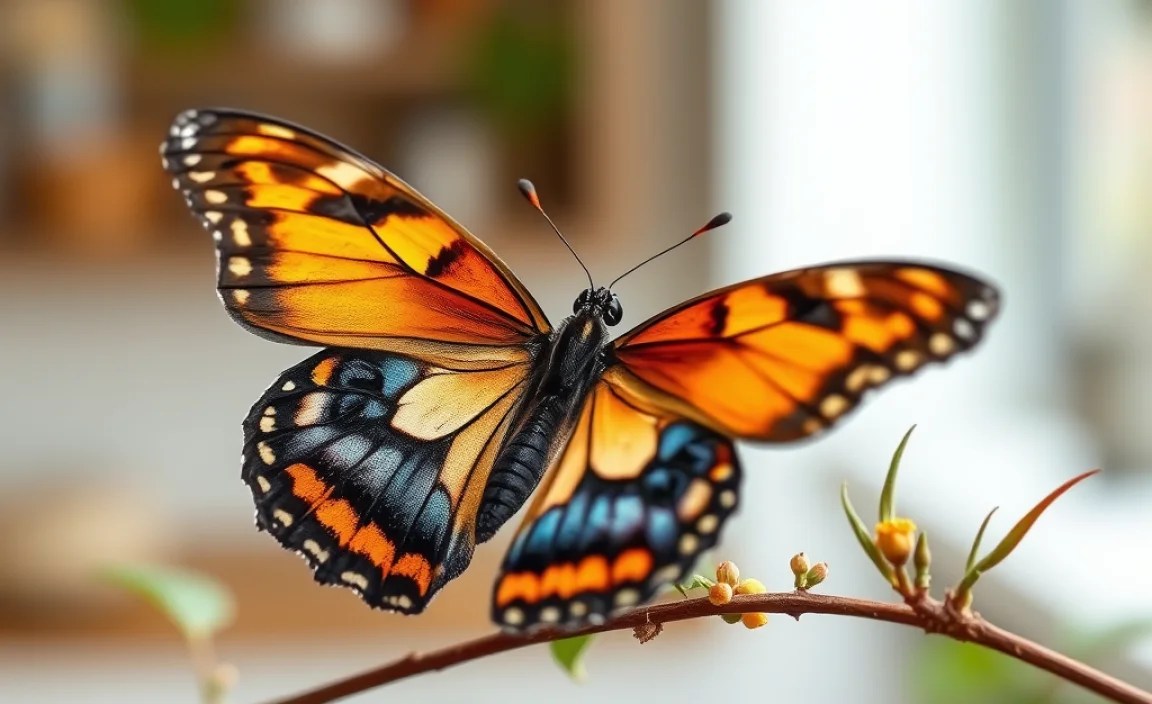
India is home to a lot of butterflies. These butterfly species in India are very different. They live in different places. You can find them in forests and gardens. Some even live in the mountains. Each butterfly has its own special look. Some are big. Others are small. Their colors can be bright or dull. Some have spots. Others have stripes. They all play a role in nature. Butterflies help flowers make seeds. This is called pollination. When butterflies fly from flower to flower, they carry pollen. Pollen is needed for flowers to grow. So, butterflies help plants grow and make new plants.
- India has a wide variety of butterflies.
- Butterflies live in many different habitats.
- Each butterfly species looks different.
- Butterflies help pollinate flowers.
- Pollination helps plants grow.
Butterflies also have a life cycle. This means they change as they grow. First, they start as eggs. Then, they become caterpillars. Caterpillars eat a lot of leaves. After that, they turn into pupae. Pupae are in a chrysalis. Inside, the caterpillar changes into a butterfly. Finally, the butterfly comes out. It can fly and find food. It can also lay eggs to make more butterflies. The life cycle is amazing. It shows how nature works. Butterfly species in India show this cycle in their own way. They adapt to their environment. They survive in their own unique ways.
What Makes Indian Butterflies Special?
What makes butterfly species in India special? Well, it is their unique adaptations. These adaptations help them survive. Some butterflies look like leaves. This helps them hide from predators. Predators are animals that eat butterflies. Other butterflies have bright colors. These colors warn predators that they are poisonous. Some butterflies can fly very fast. This helps them escape danger. Others can migrate long distances. They fly to find better weather or food. Each butterfly has its own special way to survive. These adaptations are important for their survival. They help them live in their environment. They also help them reproduce and make more butterflies.
How Do Butterflies Help the Environment?
Butterflies are important for the environment. They do more than just look pretty. They help pollinate plants. This means they carry pollen from one flower to another. Pollen is needed for plants to make seeds and fruits. Without butterflies, many plants would not be able to reproduce. Butterflies also serve as food for other animals. Birds, lizards, and spiders eat butterflies. This helps keep the food chain balanced. Butterflies are also indicators of a healthy environment. If there are many butterflies, it means the environment is clean and healthy. If there are few butterflies, it means there may be problems with the environment. So, butterfly species in India help the environment in many ways.
Why Should We Protect Butterflies?
We should protect butterflies for many reasons. They are important for the environment. They help pollinate plants. They also serve as food for other animals. Butterflies are also beautiful and interesting creatures. They bring joy to people. They also inspire artists and writers. But butterflies are facing many threats. Habitat loss is a big problem. This means that the places where butterflies live are being destroyed. Pollution is also a problem. It can harm butterflies and their food sources. Climate change is another threat. It can change the weather patterns and make it harder for butterflies to survive. We need to protect butterflies by protecting their habitats, reducing pollution, and addressing climate change. Butterfly species in India deserve our protection.
Fun Fact or Stat: The Krishna Peacock is one of the largest and most stunning butterflies found in India.
Identifying Different Kinds of Indian Butterflies

Identifying different butterfly species in India can be fun. There are many ways to tell them apart. Look at their size. Some are big and some are small. Check their colors and patterns. Some have bright colors, others have dull colors. Some have spots, others have stripes. Notice their wing shape. Some have rounded wings, others have pointed wings. Pay attention to their behavior. Some fly fast, others fly slow. Some like to visit certain flowers. Use a butterfly guidebook or app. These can help you identify different species. You can also join a butterfly watching group. Experts can help you learn more about butterflies. Identifying butterflies is a great way to learn about nature.
- Check the size of the butterfly.
- Note the colors and patterns.
- Observe the wing shape.
- Watch their flight behavior.
- Use a butterfly guidebook or app.
Different butterflies have different habitats. Some live in forests. Others live in gardens. Some live in mountains. Others live in grasslands. The Common Mormon butterfly is black with white spots. The Plain Tiger butterfly is orange with black stripes. The Blue Mormon butterfly is blue and black. The Red Pierrot butterfly is white with red spots. The Common Rose butterfly is black with pink spots. These butterflies are all found in India. Each has its own unique look. Learning to identify them can be a fun hobby. It can also help you appreciate the beauty of nature. By knowing the different butterfly species in India, you can help protect them.
What Are the Most Common Butterfly Colors?
Butterflies have many different colors. The most common colors are yellow, orange, and brown. These colors help them blend in with their surroundings. They also help them attract mates. Yellow butterflies are often found in gardens. Orange butterflies are often found in forests. Brown butterflies are often found in grasslands. Some butterflies also have bright colors. These colors warn predators that they are poisonous. Blue and green butterflies are less common. They are often found in specific habitats. The colors of butterflies are important for their survival. They help them hide from predators. They also help them attract mates and find food. This color variation makes butterfly species in India so interesting.
Where Do Different Butterflies Live?
Different butterflies live in different places. Some live in forests. Forests provide shelter and food. Others live in gardens. Gardens have many flowers for them to feed on. Some live in mountains. Mountains have cooler temperatures and unique plants. Others live in grasslands. Grasslands have plenty of sunlight. The type of habitat affects the butterflies that live there. Some butterflies are adapted to live in forests. They can hide in the trees and find food. Other butterflies are adapted to live in gardens. They can easily find flowers and nectar. The distribution of butterfly species in India depends on their specific needs.
How Can You Attract Butterflies to Your Garden?
You can attract butterflies to your garden. Plant flowers that butterflies like. Butterflies like flowers with nectar. Nectar is a sweet liquid that butterflies drink. Some flowers that butterflies like are zinnias, butterfly bushes, and milkweed. Provide a water source for butterflies. You can put out a shallow dish of water with some pebbles. Butterflies can land on the pebbles and drink the water. Avoid using pesticides. Pesticides can harm butterflies. Provide shelter for butterflies. Plant trees and shrubs where butterflies can hide. By creating a butterfly-friendly garden, you can help butterfly species in India.
Fun Fact or Stat: Some butterfly species can taste with their feet!
Life Cycle of a Butterfly: From Egg to Adult

The life cycle of a butterfly is amazing. It starts with an egg. The egg is usually laid on a leaf. The egg hatches into a larva. The larva is also called a caterpillar. The caterpillar eats a lot of leaves. It grows bigger and bigger. The caterpillar sheds its skin several times. This is called molting. After growing, it turns into a pupa. The pupa is also called a chrysalis. Inside the pupa, the caterpillar changes. It transforms into a butterfly. Finally, the butterfly emerges from the pupa. It has wings and can fly. It can find food and lay eggs. The life cycle of butterfly species in India is a beautiful process.
- Butterflies start as eggs.
- Eggs hatch into caterpillars.
- Caterpillars eat a lot and grow.
- Caterpillars become pupae.
- Butterflies emerge from pupae.
- Butterflies can fly and lay eggs.
The time it takes for a butterfly to complete its life cycle varies. Some butterflies complete it in a few weeks. Others take several months. The environment affects the life cycle. Warm temperatures speed it up. Cold temperatures slow it down. Food availability also affects it. If there is plenty of food, the caterpillar will grow faster. The life cycle of a butterfly is a complex process. It involves many changes. It is a reminder of the beauty and complexity of nature. Understanding the life cycle helps us appreciate butterfly species in India. It also helps us protect them.
What Do Caterpillars Eat?
Caterpillars eat leaves. They eat a lot of leaves. They need to grow big. Different caterpillars eat different kinds of leaves. Some caterpillars only eat one type of leaf. Others eat many types of leaves. Monarch caterpillars eat milkweed leaves. Swallowtail caterpillars eat citrus leaves. Some caterpillars are pests. They eat crops that farmers grow. Others are not pests. They eat wild plants. Caterpillars are important for the environment. They provide food for other animals. Understanding what caterpillars eat can help us protect butterfly species in India.
How Does a Caterpillar Change into a Butterfly?
A caterpillar changes into a butterfly inside the pupa. The pupa is a protective shell. Inside, the caterpillar breaks down its body. It uses special cells to rebuild itself. These cells are called imaginal discs. They create the butterfly’s wings, legs, and antennae. The process is called metamorphosis. It takes time. It can take days or weeks. When the butterfly is ready, it emerges from the pupa. It pumps fluid into its wings. This makes them expand. Then, it flies away. Metamorphosis is an amazing transformation. It shows the power of nature. Butterfly species in India undergo this incredible change.
What Happens After a Butterfly Emerges?
After a butterfly emerges, it needs to rest. Its wings are soft and crumpled. It pumps fluid into its wings. This makes them expand. It takes a few hours for the wings to dry and harden. Then, the butterfly can fly. It needs to find food. Butterflies drink nectar from flowers. They use their long proboscis to suck up the nectar. Butterflies also need to find a mate. They lay eggs. The cycle starts again. The life of a butterfly is short. But it is important. Butterflies help pollinate plants. They are also beautiful creatures. Butterfly species in India contribute to the ecosystem.
Fun Fact or Stat: A butterfly’s wings are covered in tiny scales.
Butterfly Habitats: Where Do They Live?

Butterflies live in many different habitats. They live in forests, gardens, and meadows. Some butterfly species in India live in mountains and deserts. The type of habitat depends on the butterfly. Some butterflies need specific plants. These plants provide food for their caterpillars. Other butterflies need specific conditions. These conditions include sunlight and temperature. Forests provide shelter and food. Gardens provide nectar and host plants. Meadows provide open space and wildflowers. Mountains provide cool temperatures and unique plants. Deserts provide dry conditions and drought-resistant plants. Butterflies adapt to their environment. They find ways to survive in different habitats.
- Forests offer shelter and food.
- Gardens provide nectar and host plants.
- Meadows offer open space and wildflowers.
- Mountains offer cool temperatures.
- Deserts offer dry conditions.
Different butterfly species prefer different habitats. The Common Crow butterfly likes forests and gardens. The Blue Tiger butterfly likes forests and mountains. The Common Mormon butterfly likes gardens and fields. The Painted Lady butterfly likes meadows and deserts. The habitat affects the butterfly’s behavior. It also affects its appearance. Butterflies that live in forests are often camouflaged. This helps them hide from predators. Butterflies that live in gardens are often brightly colored. This attracts mates. The diversity of butterfly species in India is linked to its diverse habitats.
What Makes a Good Butterfly Habitat?
A good butterfly habitat has several things. It has plenty of food. This includes nectar for adult butterflies. It also includes host plants for caterpillars. It has shelter. This includes trees and shrubs. These protect butterflies from wind and rain. It has sunlight. Butterflies need sunlight to warm their bodies. It has water. Butterflies need water to drink. It is free from pesticides. Pesticides can harm butterflies. A good butterfly habitat is a healthy ecosystem. It supports the entire life cycle of the butterfly. Protecting these habitats is vital for butterfly species in India.
How Do Humans Impact Butterfly Habitats?
Humans impact butterfly habitats in many ways. Habitat loss is a major problem. This happens when forests are cut down. It also happens when grasslands are converted into farms. Pollution also harms butterfly habitats. Pesticides kill butterflies and their food sources. Climate change is also a threat. It changes the weather patterns. This makes it harder for butterflies to survive. We can reduce our impact. We can protect forests and grasslands. We can reduce pollution. We can address climate change. By doing this, we can help butterfly species in India.
Can We Create Butterfly Habitats in Urban Areas?
Yes, we can create butterfly habitats in urban areas. We can plant butterfly gardens. These gardens provide nectar and host plants. We can avoid using pesticides. We can provide water sources. We can educate others about butterflies. Even small actions can make a difference. We can create butterfly-friendly spaces. These spaces can help butterflies survive in cities. Urban butterfly habitats can also benefit people. They provide beauty and educational opportunities. Promoting urban habitats supports butterfly species in India.
Fun Fact or Stat: Some butterflies migrate thousands of miles.
Conservation Efforts: Protecting Indian Butterflies

Butterfly species in India need our help. Many are threatened. Habitat loss is a big problem. Climate change is also a threat. Pollution harms butterflies. Conservation efforts are important. These efforts help protect butterflies. Protecting their habitats is key. Reducing pollution is also important. Educating people about butterflies is helpful. Supporting conservation organizations is useful. We can all do something to help. Even small actions can make a difference. By working together, we can protect these beautiful creatures.
- Protecting habitats is essential.
- Reducing pollution helps butterflies.
- Education raises awareness.
- Supporting organizations makes a difference.
- Small actions can help a lot.
There are many conservation organizations that work to protect butterflies. These organizations conduct research. They restore habitats. They educate the public. They advocate for policies that protect butterflies. You can support these organizations. You can donate money. You can volunteer your time. You can spread the word about their work. By supporting conservation efforts, you can help ensure that butterflies thrive. Protecting butterfly species in India is a shared responsibility.
What Are the Biggest Threats to Butterflies?
The biggest threats to butterflies are habitat loss, climate change, and pollution. Habitat loss happens when forests are cut down. It also happens when grasslands are converted into farms. Climate change changes the weather patterns. This makes it harder for butterflies to survive. Pollution harms butterflies. It also harms their food sources. These threats are all caused by human activities. We can reduce these threats by changing our behavior. We can protect habitats. We can reduce pollution. We can address climate change. By doing this, we can help butterfly species in India.
How Can We Help Butterflies in Our Daily Lives?
We can help butterflies in our daily lives in many ways. We can plant butterfly gardens. These gardens provide nectar and host plants. We can avoid using pesticides. Pesticides can harm butterflies. We can reduce our use of single-use plastics. Plastic pollution harms butterflies and other wildlife. We can support sustainable agriculture. Sustainable agriculture protects habitats and reduces pollution. We can educate others about butterflies. Even small actions can make a difference. By making these changes, we can help butterfly species in India.
What Laws Protect Butterflies in India?
India has laws that protect butterflies. The Wildlife Protection Act of 1972 protects many butterfly species. It makes it illegal to hunt or trade these butterflies. The Forest Conservation Act of 1980 protects butterfly habitats. It restricts deforestation and other activities that harm forests. These laws are important. They help protect butterflies and their habitats. However, more needs to be done. Enforcement of these laws needs to be strengthened. More habitats need to be protected. Public awareness needs to be raised. Protecting butterfly species in India requires strong laws and effective enforcement.
Fun Fact or Stat: Butterflies are cold-blooded and need sunlight to warm up.
Butterfly Watching: A Fun and Educational Activity
Butterfly watching is a fun and educational activity. It is a great way to learn about nature. You can watch butterflies in your garden. You can watch them in parks and forests. All you need is a pair of binoculars and a guidebook. You can identify different butterfly species. You can observe their behavior. You can learn about their life cycle. Butterfly watching is also a relaxing activity. It can help you connect with nature. It can also help you appreciate the beauty of butterflies. Observing butterfly species in India is a rewarding experience.
- Butterfly watching is fun and educational.
- You can watch butterflies in many places.
- Binoculars and a guidebook are helpful.
- You can identify different species.
- It is a relaxing activity.
To make the most of butterfly watching, follow these tips. Choose a sunny day. Butterflies are more active on sunny days. Go to a place with lots of flowers. Butterflies need nectar to feed on. Be patient. It may take time to find butterflies. Be quiet. Avoid making loud noises. Use binoculars to get a closer look. Use a guidebook to identify butterflies. Take notes on what you see. Share your observations with others. Butterfly watching is a great way to learn about butterfly species in India and contribute to citizen science.
What Equipment Do You Need for Butterfly Watching?
You don’t need much equipment for butterfly watching. A pair of binoculars is helpful. It allows you to see butterflies up close. A guidebook is also useful. It helps you identify different species. A notebook and pen are good for taking notes. A camera is great for taking pictures. Comfortable shoes are important. You may be walking a lot. A hat and sunscreen protect you from the sun. Water keeps you hydrated. With these simple items, you can enjoy butterfly watching. These tools help you appreciate butterfly species in India.
Where Are the Best Places to Watch Butterflies in India?
India has many great places to watch butterflies. The Western Ghats are a biodiversity hotspot. They are home to many butterfly species. The Himalayas are another great place. They have unique butterfly species. National parks and wildlife sanctuaries are also good choices. These areas protect butterfly habitats. Botanical gardens and butterfly conservatories are also great options. They provide a controlled environment for butterfly watching. Some popular spots include Butterfly Park in Bannerghatta National Park, Karnataka and Eaglenest Wildlife Sanctuary, Arunachal Pradesh. Exploring these areas allows you to see various butterfly species in India.
How Can You Contribute to Butterfly Research?
You can contribute to butterfly research in several ways. You can participate in citizen science projects. These projects involve collecting data on butterflies. You can submit your observations to online databases. This helps scientists track butterfly populations. You can volunteer for butterfly monitoring programs. These programs involve counting butterflies in specific areas. You can donate to butterfly research organizations. You can educate others about butterflies. By getting involved, you can help scientists learn more about butterfly species in India and protect them.
Fun Fact or Stat: Butterflies use their antennae to smell.
Amazing Facts About Indian Butterfly Species
Butterfly species in India are truly amazing. They come in many different colors and sizes. Some are very rare. Others are more common. They have fascinating life cycles. They play important roles in the ecosystem. They are also facing many threats. Learning about these amazing facts can help us appreciate them more. It can also inspire us to protect them. Butterflies are a symbol of beauty and transformation. They are a reminder of the wonder of nature. Discovering facts about butterfly species in India is an enriching experience.
- Butterflies come in many colors and sizes.
- Some species are very rare.
- They have fascinating life cycles.
- They play important roles in the ecosystem.
- They face many threats.
Here are some amazing facts about Indian butterflies. The largest butterfly in India is the Southern Birdwing. It has a wingspan of up to 19 cm. The smallest butterfly in India is the Grass Jewel. It has a wingspan of only 1.5 cm. Some butterflies migrate long distances. The Painted Lady butterfly can migrate thousands of kilometers. Some butterflies are poisonous. They have bright colors to warn predators. These facts highlight the diversity and complexity of butterfly species in India.
What Is the Rarest Butterfly in India?
Identifying the absolute rarest butterfly is tricky. Populations change. New discoveries happen. However, some butterflies are known to be very rare. The Bhutan Glory is one example. It is found in the Eastern Himalayas. It is threatened by habitat loss. The Kaiser-i-Hind is another rare butterfly. It is found in the Himalayas. It is also threatened by habitat loss and illegal collection. Conservation efforts are crucial. These efforts help protect these rare butterfly species in India.
Which Butterfly Has the Longest Migration?
The Painted Lady butterfly has one of the longest migrations. It can migrate thousands of kilometers. It travels from North Africa to Europe. Some Painted Ladies also migrate through India. They travel long distances to find food and breeding grounds. Migration is a challenging journey. Many butterflies do not survive. Climate change can also affect migration patterns. Studying migration is important. It helps us understand how butterflies adapt. Protecting migratory routes is vital for butterfly species in India.
Are Any Indian Butterflies Poisonous?
Yes, some Indian butterflies are poisonous. They are brightly colored. This warns predators that they are not good to eat. The Common Crow butterfly is poisonous. It feeds on poisonous plants as a caterpillar. The toxins from the plants stay in its body. The Striped Tiger butterfly is also poisonous. It has similar defenses. Predators that eat these butterflies get sick. They learn to avoid them in the future. This is a form of protection. These poisonous butterflies contribute to the diversity of butterfly species in India.
| Butterfly Species | Color | Size | Habitat | Fun Fact |
|---|---|---|---|---|
| Common Mormon | Black and white | Medium | Gardens, forests | Males mimic poisonous butterflies |
| Plain Tiger | Orange and black | Medium | Open areas, gardens | Caterpillars feed on milkweed |
| Blue Mormon | Blue and black | Large | Forests, hills | State butterfly of Maharashtra |
| Red Pierrot | White with red spots | Small | Dry areas, gardens | Often found near ant colonies |
Fun Fact or Stat: Butterflies beat their wings about 5 to 20 times per second.
Summary
India is home to a rich variety of butterfly species in India. These butterflies display amazing colors and patterns. They play important roles in pollination. They are also facing many threats, like habitat loss and climate change. It is important to protect these beautiful creatures and their habitats. We can do this by planting butterfly gardens and reducing pollution. We can also support conservation organizations and educate others about butterflies. By taking action, we can help ensure that butterflies thrive in India for years to come. Protecting these insects helps maintain ecological balance.
Conclusion
Butterflies are a vital part of India’s natural heritage. They contribute to the beauty and health of our ecosystems. Protecting butterfly species in India requires a combined effort. We must protect their habitats. We must also reduce pollution and address climate change. By working together, we can ensure a bright future for these amazing creatures. They will continue to bring joy and wonder to people for generations.
Frequently Asked Questions
Question No 1: How many butterfly species are there in India?
Answer: India is home to over 1,500 species of butterflies. This makes it one of the most diverse countries in the world for butterflies. These butterfly species in India vary greatly in size, color, and habitat. Some are found only in specific regions, while others are more widespread. Protecting this diversity is important for maintaining the health of India’s ecosystems. These numbers highlight the need for conservation efforts. These efforts help safeguard these fragile creatures.
Question No 2: What is the biggest threat to butterflies in India?
Answer: The biggest threat to butterflies in India is habitat loss. This is caused by deforestation, urbanization, and agricultural expansion. As forests and grasslands are converted into other uses, butterflies lose their homes and food sources. Climate change is also a significant threat. It alters weather patterns and disrupts butterfly life cycles. Pollution from pesticides and other chemicals further harms butterflies. Addressing these threats is crucial for protecting butterfly species in India. Conservation efforts must focus on preserving habitats and reducing pollution.
Question No 3: How can I attract butterflies to my garden?
Answer: You can attract butterflies to your garden by planting butterfly-friendly flowers. Choose flowers that provide nectar, such as zinnias, butterfly bushes, and milkweed. Also, plant host plants for caterpillars, such as milkweed for monarch butterflies and citrus trees for swallowtail butterflies. Provide a water source, such as a shallow dish of water with pebbles. Avoid using pesticides, which can harm butterflies. By creating a butterfly-friendly garden, you can help butterfly species in India thrive in your local area. These efforts also beautify your surroundings.
Question No 4: Are there any poisonous butterflies in India?
Answer: Yes, there are some poisonous butterflies in India. These butterflies are brightly colored to warn predators that they are not good to eat. The Common Crow and Striped Tiger butterflies are examples of poisonous species. They feed on poisonous plants as caterpillars, and the toxins remain in their bodies as adults. Predators that eat these butterflies get sick and learn to avoid them in the future. While these butterfly species in India may be toxic, they play an important role in the ecosystem. Their vibrant colors serve as a natural warning.
Question No 5: What is the life cycle of a butterfly?
Answer: The life cycle of a butterfly has four stages. These stages are egg, larva (caterpillar), pupa (chrysalis), and adult. The egg is laid on a leaf. The larva hatches and eats a lot of leaves. The larva then turns into a pupa. Inside the pupa, the caterpillar transforms into a butterfly. Finally, the butterfly emerges from the pupa. It flies away and reproduces. This amazing transformation highlights the wonder of nature. Understanding this cycle is crucial for protecting butterfly species in India.
Question No 6: How can I help protect butterflies in India?
Answer: You can help protect butterflies in India in many ways. Support conservation organizations that work to protect butterfly habitats. Reduce your use of pesticides and other chemicals that can harm butterflies. Plant butterfly-friendly gardens to provide food and shelter. Educate others about the importance of butterflies. Advocate for policies that protect butterfly habitats. Even small actions can make a big difference. By working together, we can help ensure a bright future for these beautiful creatures and conserve butterfly species in India.


![Smart Asian Butterfly AI Identification: [Free] Guide](https://i2.wp.com/butterflyask.com/wp-content/uploads/2026/02/smart-asian-butterfly-ai-identification-free-guide-768x469.webp)

