
Swallowtail Butterfly Photography Tips: Easy Guide

Capturing stunning photos of swallowtail butterflies requires patience, the right equipment, and an understanding of their behavior. Focus on using a macro lens, shooting in natural light, and approaching slowly to get close-up shots of these beautiful creatures. Learn to anticipate their movements and favorite nectar sources for the best results!
Have you ever tried to photograph a swallowtail butterfly? These magnificent insects, with their vibrant colors and graceful flight, seem to taunt us with their beauty, always just out of reach. It can be frustrating to end up with blurry or distant shots. But don’t worry! With a few simple techniques, you can capture breathtaking images of these winged wonders.
This guide will walk you through the essential steps to improve your swallowtail butterfly photography. We’ll cover everything from the best equipment to use, to understanding swallowtail behavior, so you can anticipate their movements. Get ready to transform your butterfly photos from frustrating blurs to stunning works of art!
Essential Gear for Swallowtail Butterfly Photography

Having the right equipment can make a huge difference in the quality of your butterfly photos. Here’s a breakdown of the gear I recommend:
Camera Body
While you can certainly use a smartphone, a dedicated camera offers more control and better image quality. Here are some options:
- DSLR or Mirrorless Camera: These cameras offer interchangeable lenses, allowing you to choose the best lens for the job. They also have larger sensors, which result in better image quality, especially in low light.
- Bridge Camera: A good compromise if you don’t want to invest in interchangeable lenses. Bridge cameras have a fixed lens with a wide zoom range and decent image quality.
Lenses
The lens is arguably the most important part of your photography kit when it comes to butterflies. Here’s what to look for:
- Macro Lens: A macro lens is designed for close-up photography, allowing you to capture intricate details of the butterfly. A 100mm macro lens is a popular choice, but anything in the 50mm to 200mm range will work.
- Zoom Lens: A zoom lens can be useful for capturing butterflies from a distance, especially if they are easily spooked. A 70-300mm lens is a good option.
Other Useful Accessories
- Tripod: A tripod can help you keep your camera steady, especially when using a macro lens or shooting in low light.
- Reflector: A reflector can bounce sunlight onto your subject, filling in shadows and adding more light.
- Diffuser: A diffuser can soften harsh sunlight, creating a more even and pleasing light.
- Remote Shutter Release: This helps minimize camera shake when using a tripod.
Understanding Swallowtail Butterfly Behavior
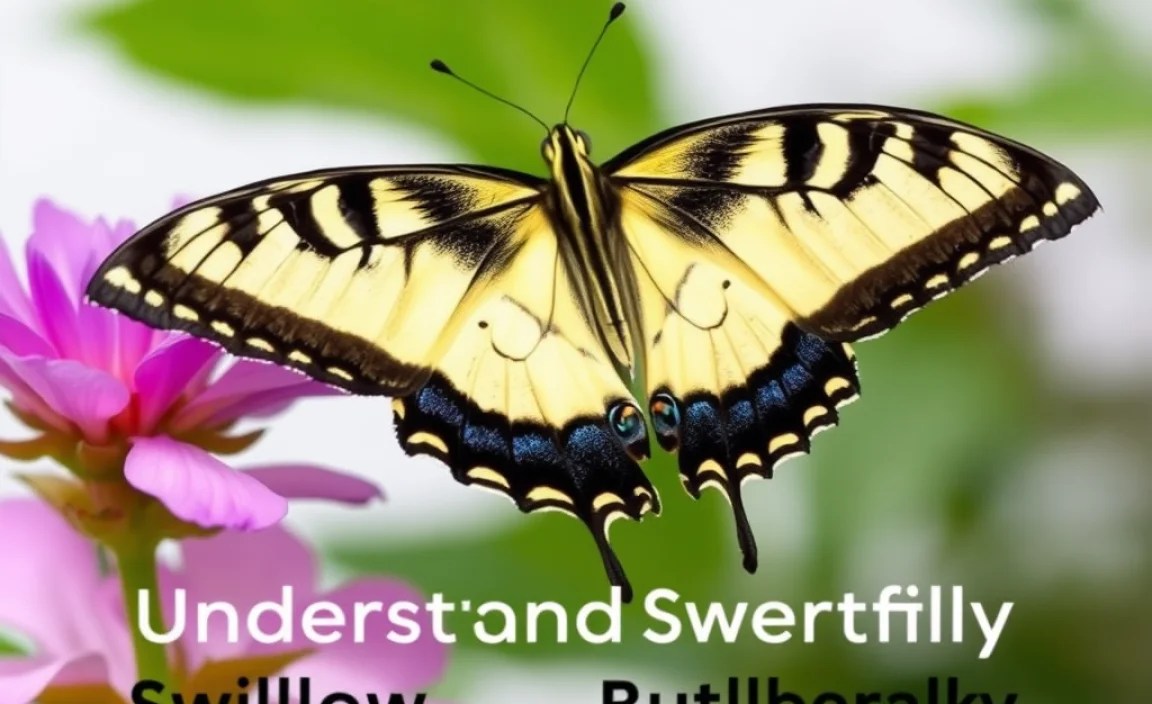
To take great photos, it helps to understand your subject. Swallowtail butterflies have specific behaviors and preferences that you can use to your advantage.
Nectar Sources
Swallowtails are attracted to certain flowers that provide them with nectar. Planting these flowers in your garden can attract swallowtails and provide you with opportunities for photography. Some popular nectar sources include:
- Butterfly Bush (Buddleja davidii)
- Zinnia
- Lantana
- Milkweed (Asclepias)
- Phlox
Sunbathing
Swallowtails often bask in the sun to warm their bodies. They will typically perch with their wings open, making them an easy target for photographers. Look for them on sunny days, especially in the morning.
Puddling
Male swallowtails often gather at puddles or damp soil to extract minerals and salts. This behavior, known as puddling, can provide you with a great opportunity to photograph multiple butterflies in one place.
Flight Patterns
Swallowtails are known for their erratic flight patterns. They don’t fly in a straight line, making it difficult to track them with your camera. Practice following them with your lens and anticipating their movements.
Step-by-Step Guide to Photographing Swallowtail Butterflies

Now that you have the right gear and understand swallowtail behavior, let’s get into the specific steps you can take to improve your photography.
Step 1: Find Your Subject
The first step is to locate a swallowtail butterfly. Visit butterfly gardens, nature preserves, or your own backyard. Look for them near their favorite nectar sources, basking in the sun, or puddling in damp areas.
Step 2: Approach Slowly and Carefully
Swallowtails are easily spooked, so it’s important to approach them slowly and carefully. Avoid sudden movements and loud noises. Move in a slow, deliberate manner, pausing frequently to avoid startling the butterfly.
Step 3: Choose Your Camera Settings
The right camera settings will depend on the specific conditions, but here are some general guidelines:
- Aperture: Use a wide aperture (e.g., f/2.8 to f/5.6) to create a shallow depth of field, which will blur the background and make the butterfly stand out.
- Shutter Speed: Use a fast shutter speed (e.g., 1/250th of a second or faster) to freeze the butterfly’s movement.
- ISO: Keep the ISO as low as possible to minimize noise. Increase the ISO only if you need to use a faster shutter speed.
- Focus Mode: Use single-point autofocus to focus on the butterfly’s eyes or other important details.
- Metering Mode: Use spot metering to meter the light on the butterfly itself, rather than the background.
Step 4: Compose Your Shot
Composition is key to creating visually appealing photos. Here are some tips:
- Rule of Thirds: Place the butterfly off-center, along one of the lines or at one of the intersections of the rule of thirds grid.
- Leading Lines: Use lines in the environment, such as flower stems or leaves, to lead the viewer’s eye to the butterfly.
- Background: Choose a background that is clean and uncluttered, so that the butterfly is the main focus.
- Angle: Experiment with different angles. Try shooting from a low angle to make the butterfly appear larger and more imposing.
Step 5: Focus Carefully
Focus is critical when shooting macro photos. Make sure the butterfly’s eyes or other important details are sharp. Use manual focus if necessary to fine-tune the focus.
Step 6: Take Lots of Photos
Swallowtails are constantly moving, so it’s important to take lots of photos to increase your chances of getting a few keepers. Don’t be afraid to experiment with different angles, compositions, and camera settings.
Step 7: Review and Edit Your Photos
After your photo shoot, take some time to review your photos and select the best ones. Edit your photos to improve their brightness, contrast, and sharpness. Crop them to improve the composition.
Tips for Capturing Action Shots
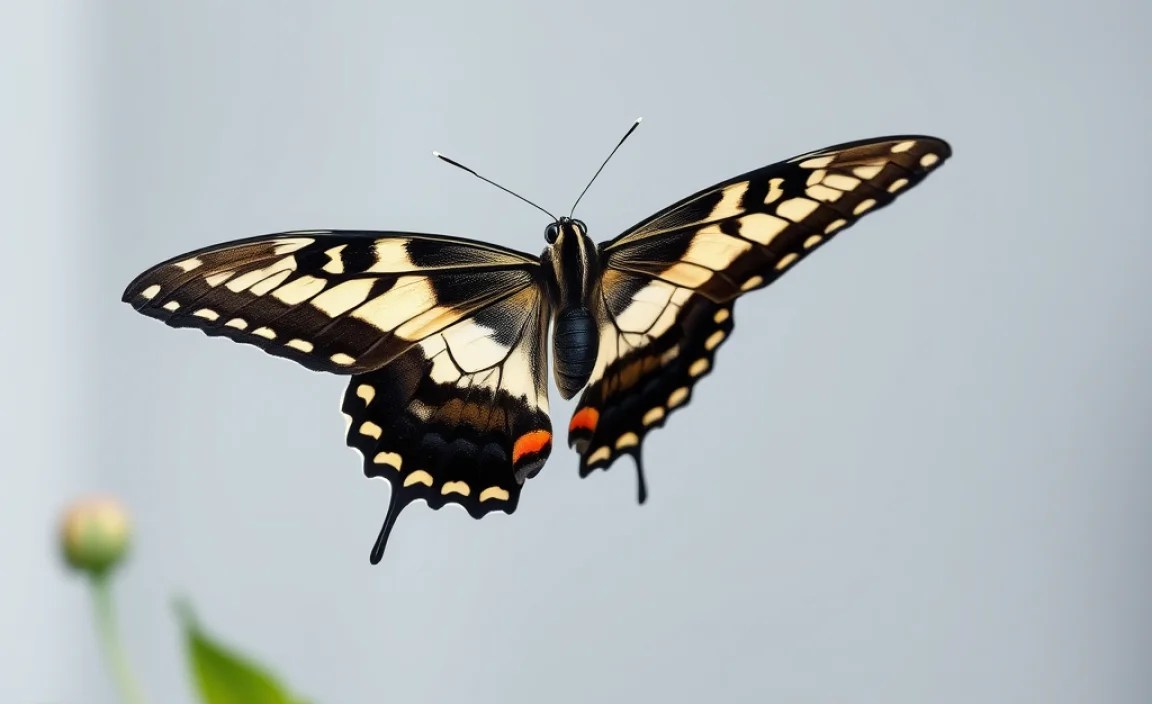
While posed shots of butterflies are beautiful, action shots can be even more dynamic and exciting. Here are some tips for capturing swallowtails in flight or feeding:
- Pre-focus: Pre-focus on a flower or other object where the butterfly is likely to land.
- Burst Mode: Use your camera’s burst mode to take a rapid series of photos as the butterfly approaches.
- Panning: Pan your camera with the butterfly as it flies, keeping it in focus.
- Anticipate: Watch the butterfly’s behavior and anticipate its movements.
Common Mistakes to Avoid
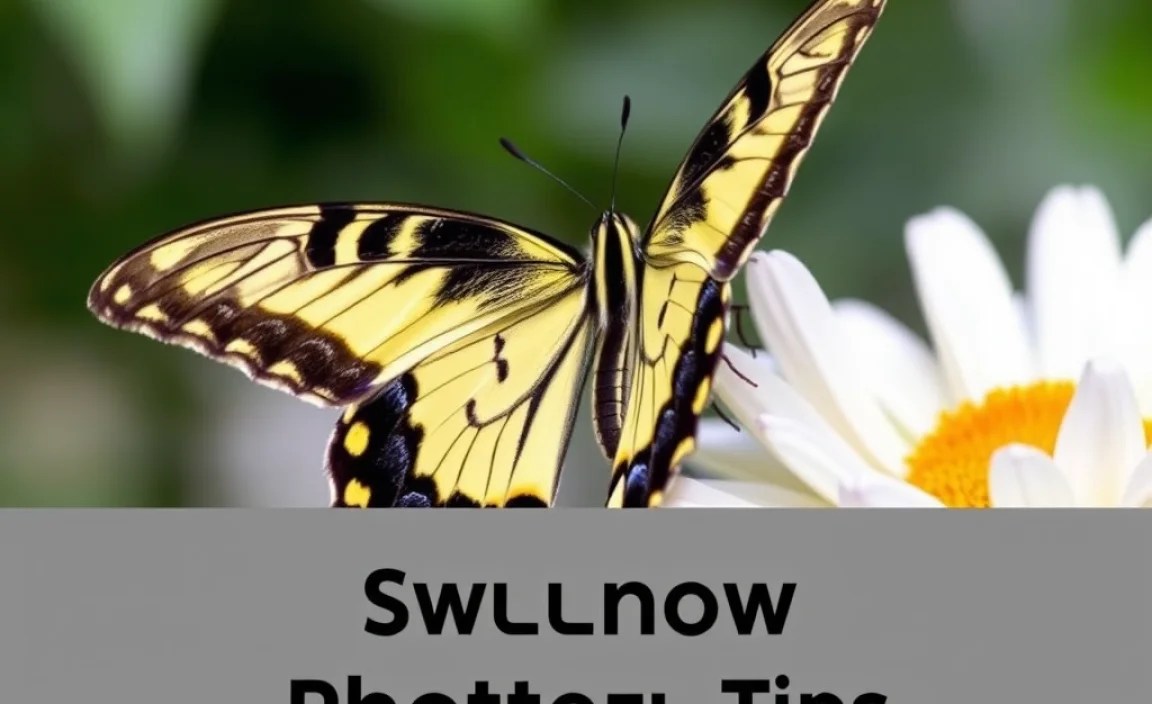
Even experienced photographers make mistakes. Here are some common pitfalls to avoid when photographing swallowtail butterflies:
- Getting Too Close Too Quickly: Approach slowly and carefully to avoid startling the butterfly.
- Using Too Much Flash: Flash can create harsh shadows and wash out the butterfly’s colors. Use natural light whenever possible.
- Ignoring the Background: Choose a background that is clean and uncluttered, so that the butterfly is the main focus.
- Not Focusing Carefully: Focus is critical when shooting macro photos. Make sure the butterfly’s eyes or other important details are sharp.
- Giving Up Too Easily: Butterfly photography requires patience. Don’t get discouraged if you don’t get great shots right away. Keep practicing, and you will improve.
Best Times of Day for Butterfly Photography
The best time of day for butterfly photography is typically in the morning or late afternoon. During these times, the light is softer and more diffused, which can create more pleasing photos. Butterflies are also more active during these times, as they are warming up or preparing to roost for the night.
| Time of Day | Pros | Cons |
|---|---|---|
| Early Morning (7:00 AM – 10:00 AM) | Soft, diffused light; butterflies are often still and warming up | Dew can be present; some species might not be active yet |
| Midday (11:00 AM – 2:00 PM) | Bright light for sharp photos | Harsh shadows; butterflies are highly active and harder to track |
| Late Afternoon (3:00 PM – 6:00 PM) | Warm light; butterflies preparing to roost | Light fades quickly; can be challenging to get enough light |
Protecting Swallowtail Butterflies and Their Habitats
As photographers, we have a responsibility to protect the subjects we photograph. Here are some ways you can help protect swallowtail butterflies and their habitats:
- Plant Native Nectar Sources: Plant native flowers that provide nectar for swallowtail butterflies.
- Avoid Using Pesticides: Pesticides can harm or kill butterflies and other beneficial insects.
- Support Conservation Organizations: Donate to or volunteer with organizations that are working to protect butterfly habitats.
- Educate Others: Share your knowledge and passion for butterflies with others.
- Respect Their Space: Always observe butterflies from a respectful distance and avoid disturbing them.
The Xerces Society is a great resource for learning more about butterfly conservation.
Ethical Considerations in Butterfly Photography
It’s important to practice ethical photography when photographing swallowtail butterflies. This means:
- Never handling butterflies: Handling butterflies can damage their delicate wings and stress them.
- Avoiding disturbing their habitat: Stay on trails and avoid trampling vegetation.
- Not removing butterflies from their natural environment: Never capture butterflies for photography purposes.
- Being mindful of other photographers: Share the space and avoid blocking other photographers’ views.
Swallowtail Butterfly Photography: Inspiration and Ideas
Looking for some creative ideas to take your swallowtail butterfly photography to the next level? Here are a few:
- Silhouettes: Capture the butterfly against a bright background, such as the setting sun, to create a silhouette.
- Reflections: Look for reflections in water or other reflective surfaces to create interesting compositions.
- Macro Abstracts: Get extremely close to the butterfly and focus on abstract patterns and textures.
- Environmental Portraits: Capture the butterfly in its natural environment, showing its relationship to its surroundings.
Troubleshooting Common Photography Problems
Even with the best equipment and techniques, you may encounter some common problems when photographing swallowtail butterflies. Here’s how to troubleshoot them:
| Problem | Possible Causes | Solutions |
|---|---|---|
| Blurry Photos | Slow shutter speed, camera shake, subject movement | Increase shutter speed, use a tripod, pre-focus and anticipate movement |
| Overexposed Photos | Too much light, incorrect metering | Decrease aperture, lower ISO, use spot metering and adjust exposure compensation |
| Underexposed Photos | Not enough light, incorrect metering | Increase aperture, raise ISO, use spot metering and adjust exposure compensation |
| Lack of Sharpness | Incorrect focus, shallow depth of field | Use manual focus, increase aperture slightly, ensure focus is on critical details |
| Harsh Shadows | Direct sunlight | Use a diffuser, shoot in shade or during golden hours |
FAQ: Swallowtail Butterfly Photography
Here are some frequently asked questions about swallowtail butterfly photography:
What is the best lens for butterfly photography?
A macro lens in the 50mm to 200mm range is ideal for capturing close-up details of butterflies. A zoom lens can also be useful for capturing butterflies from a distance.
How do I get close to a butterfly without scaring it?
Approach slowly and carefully, avoiding sudden movements and loud noises. Move in a slow, deliberate manner, pausing frequently to avoid startling the butterfly.
What camera settings should I use for butterfly photography?
Use a wide aperture (e.g., f/2.8 to f/5.6) to create a shallow depth of field, a fast shutter speed (e.g., 1/250th of a second or faster) to freeze the butterfly’s movement, and the lowest ISO possible to minimize noise.
How do I focus on a butterfly that is constantly moving?
Use single-point autofocus to focus on the butterfly’s eyes or other important details. You can also use manual focus to fine-tune the focus.
What is the best time of day for butterfly photography?
The best time of day for butterfly photography is typically in the morning or late afternoon, when the light is softer and more diffused.
How can I attract swallowtail butterflies to my garden?
Plant native flowers that provide nectar for swallowtail butterflies, such as butterfly bush, zinnia, lantana, milkweed, and phlox.
Is it ethical to handle butterflies for photography?
No, it is not ethical to handle butterflies. Handling butterflies can damage their delicate wings and stress them.
Conclusion
Photographing swallowtail butterflies can be a challenging but rewarding experience. By understanding their behavior, using the right equipment, and following these tips, you can capture stunning images of these beautiful creatures. Remember to be patient, respectful, and persistent, and you’ll be amazed at the photos you can create. So grab your camera, head outside, and start capturing the magic of swallowtail butterflies!


