
Swallowtail Butterfly Flight Speed: How Fast?

Swallowtail butterflies are graceful fliers, typically reaching speeds of around 5 to 12 miles per hour. Their flight speed can vary depending on factors like species, wind conditions, and whether they are nectaring or migrating. While not the fastest butterflies, their agility and beautiful patterns make them a joy to watch in flight.
Have you ever watched a swallowtail butterfly dance through the air and wondered just how fast it’s flying? It’s a question many butterfly enthusiasts ask! Understanding their flight speed can help us appreciate their movements and how they navigate their world.
In this article, we’ll explore the typical flight speeds of swallowtail butterflies, what factors influence their speed, and how they compare to other insects. Get ready to discover the fascinating details of swallowtail flight!
Understanding Swallowtail Butterfly Flight

Swallowtail butterflies are not only beautiful but also skilled fliers. Their flight is characterized by a unique combination of speed and agility. Let’s dive into the details of their flight capabilities.
Typical Flight Speed
On average, swallowtail butterflies fly at speeds ranging from 5 to 12 miles per hour (8 to 19 kilometers per hour). This speed allows them to efficiently search for nectar, escape predators, and navigate various terrains.
Factors Influencing Flight Speed
Several factors can affect how fast a swallowtail butterfly flies:
- Species: Different species of swallowtails have varying flight characteristics. Some are naturally faster or more agile than others.
- Wind Conditions: Wind can either assist or hinder a butterfly’s flight. A tailwind can increase speed, while a headwind can slow it down.
- Purpose of Flight: When foraging for nectar, a swallowtail might fly slower and more deliberately. During migration or when escaping a threat, they can achieve higher speeds.
- Age and Health: A healthy, young butterfly is likely to fly faster and more efficiently than an older or weaker one.
How Swallowtail Flight Compares to Other Insects
Compared to other insects, swallowtail butterflies are moderately fast. Dragonflies, for example, can reach speeds of up to 30 to 40 miles per hour, making them much faster. However, butterflies are generally more agile and maneuverable, allowing them to navigate complex environments.
Species-Specific Flight Speeds
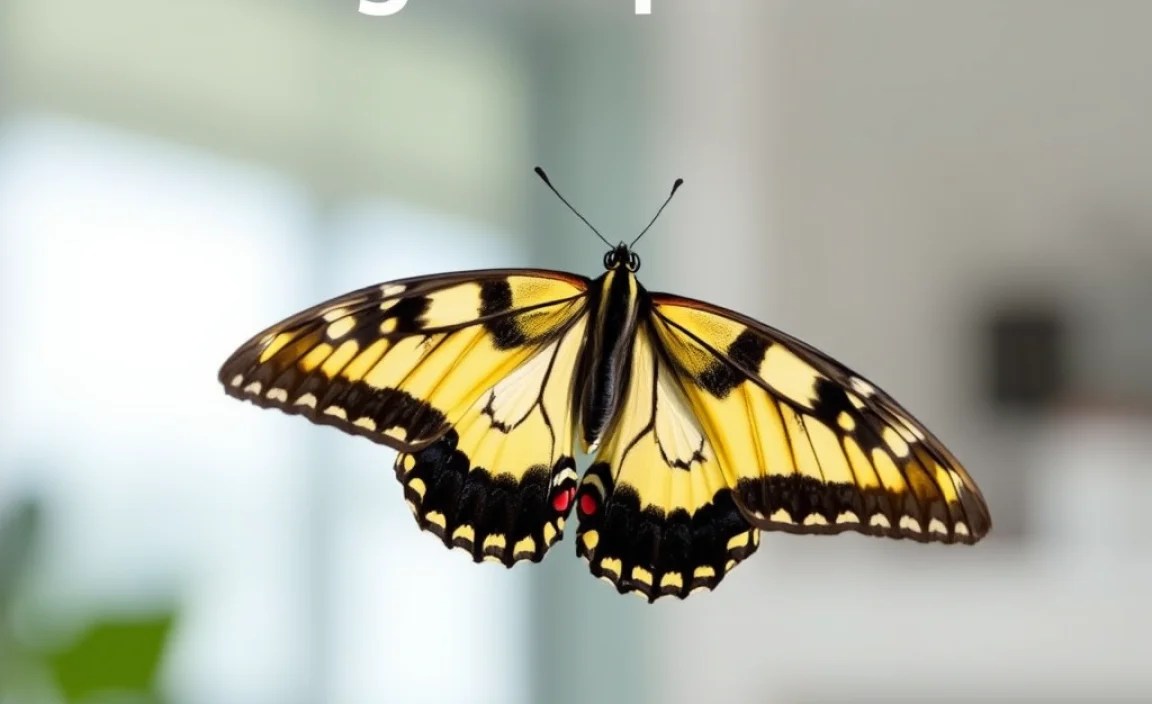
Different species of swallowtail butterflies exhibit varying flight speeds and patterns. Here’s a look at some common species and their unique flight characteristics.
Eastern Tiger Swallowtail (Papilio glaucus)
The Eastern Tiger Swallowtail is known for its strong and steady flight. They typically fly at speeds of 8 to 12 miles per hour. These butterflies are commonly seen gliding gracefully through forests and gardens.
Black Swallowtail (Papilio polyxenes)
Black Swallowtails have a more deliberate flight pattern, often flying at speeds of 5 to 10 miles per hour. They are frequently observed fluttering around host plants in search of nectar or laying eggs.
Giant Swallowtail (Papilio cresphontes)
The Giant Swallowtail, one of the largest butterflies in North America, has a powerful and rapid flight. They can reach speeds of up to 15 miles per hour, enabling them to cover large distances efficiently.
Spicebush Swallowtail (Papilio troilus)
Spicebush Swallowtails are known for their erratic and agile flight. They typically fly at speeds of 6 to 11 miles per hour, darting quickly between plants and often changing direction abruptly.
Table of Swallowtail Species and Flight Speeds
| Species | Scientific Name | Typical Flight Speed (mph) |
|---|---|---|
| Eastern Tiger Swallowtail | Papilio glaucus | 8-12 |
| Black Swallowtail | Papilio polyxenes | 5-10 |
| Giant Swallowtail | Papilio cresphontes | Up to 15 |
| Spicebush Swallowtail | Papilio troilus | 6-11 |
How Butterflies Achieve Flight
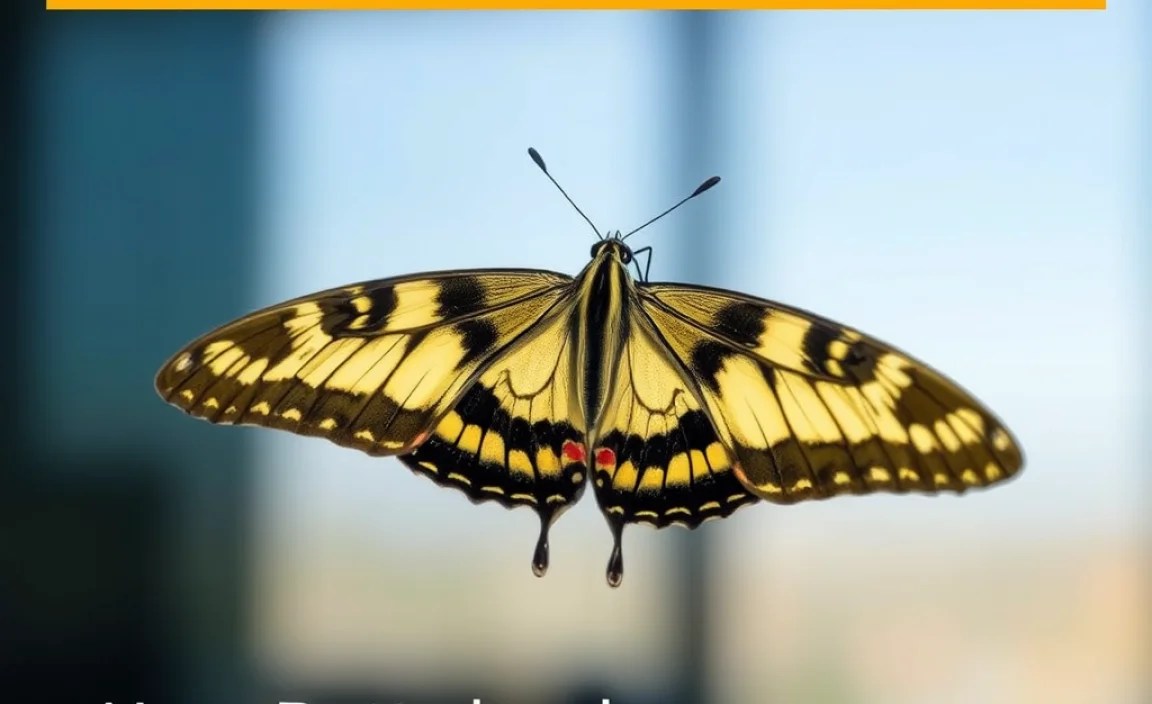
The mechanics of butterfly flight are a marvel of natural engineering. Their wings, muscles, and flight techniques all play crucial roles in their ability to fly.
Wing Structure and Function
Butterfly wings are covered in tiny scales that overlap like shingles on a roof. These scales not only give the wings their color but also help to create lift and reduce drag. The shape and size of the wings are optimized for efficient flight, allowing butterflies to generate the necessary lift and thrust.
Muscles and Movement
Butterflies have powerful flight muscles located in their thorax. These muscles contract and relax to move the wings up and down. The indirect flight muscles attach to the thorax and deform it to power the wings, while the direct flight muscles attach directly to the wings, allowing for precise control.
Flight Techniques
Butterflies use a variety of flight techniques to navigate their environment. These include:
- Flapping: The basic up-and-down motion of the wings generates lift and thrust.
- Gliding: Butterflies can conserve energy by gliding on air currents, especially during migration.
- Soaring: Using thermal updrafts, butterflies can gain altitude and cover long distances with minimal effort.
- Maneuvering: Butterflies can quickly change direction and speed to avoid obstacles and predators.
The Role of Flight in Butterfly Life

Flight is essential for nearly every aspect of a butterfly’s life, from finding food and mates to escaping predators and migrating to new habitats.
Foraging and Nectaring
Butterflies rely on flight to locate nectar-rich flowers. Their ability to fly allows them to visit multiple flowers in a single day, maximizing their energy intake. Efficient flight is crucial for finding the best food sources and sustaining their energy needs.
Mate Selection and Reproduction
Flight plays a key role in mate selection. Male butterflies often engage in aerial displays to attract females. These displays can involve complex flight patterns and maneuvers that showcase their strength and agility. After mating, females use flight to find suitable host plants for laying their eggs.
Predator Avoidance
Butterflies use flight to escape predators such as birds, lizards, and insects. Their agility and ability to quickly change direction can help them evade capture. Some butterflies also use deceptive flight patterns to confuse predators.
Migration
Some swallowtail species, like the Black Swallowtail, undertake long-distance migrations to find suitable breeding grounds or to avoid harsh weather conditions. Flight is essential for these migrations, allowing butterflies to travel hundreds or even thousands of miles.
Observing and Measuring Butterfly Flight Speed

While it’s difficult to get an exact measurement without specialized equipment, there are ways to estimate and observe butterfly flight speed in your own backyard.
Tools for Observation
Here are some tools that can help you observe and estimate butterfly flight speed:
- Binoculars: Binoculars can help you get a closer look at butterflies in flight, allowing you to better observe their movements and patterns.
- Stopwatch: A stopwatch can be used to time how long it takes a butterfly to travel a known distance.
- Notebook and Pen: Keep a notebook handy to record your observations, including the species of butterfly, the time of day, weather conditions, and estimated flight speed.
Techniques for Estimating Speed
Here are some techniques for estimating butterfly flight speed:
- Visual Estimation: Observe the butterfly’s flight and compare it to the speed of a known object, such as a car or bicycle.
- Distance and Time: Measure a known distance (e.g., 10 feet) and use a stopwatch to time how long it takes the butterfly to travel that distance. Calculate the speed using the formula: Speed = Distance / Time.
- Relative Speed: Compare the butterfly’s flight speed to other insects or animals in the area. For example, is it flying faster or slower than a bee or a dragonfly?
Citizen Science Projects
Participating in citizen science projects can provide valuable data on butterfly flight patterns and speeds. Organizations like the Xerces Society and the Butterflies and Moths of North America offer opportunities to contribute to butterfly research. By submitting your observations, you can help scientists track butterfly populations and understand their behavior.
Conservation and the Future of Butterfly Flight
Conserving butterfly habitats and protecting butterfly populations is essential for ensuring the future of these beautiful creatures and their unique flight capabilities.
Habitat Loss and Fragmentation
Habitat loss and fragmentation are major threats to butterfly populations. As natural habitats are converted into agricultural land, urban areas, and industrial sites, butterflies lose their food sources and breeding grounds. Fragmentation of habitats can also isolate butterfly populations, reducing genetic diversity and making them more vulnerable to extinction. The National Wildlife Federation is a great resource for learning more about habitat loss.
Climate Change
Climate change can have a significant impact on butterfly flight patterns and migration. Changes in temperature and precipitation can alter the timing of butterfly life cycles and the availability of host plants. Extreme weather events, such as droughts and floods, can also disrupt butterfly populations and their habitats.
Conservation Efforts
There are many ways to support butterfly conservation efforts:
- Plant Native Host Plants: Provide food and shelter for butterflies by planting native host plants in your garden.
- Create Butterfly Gardens: Design gardens specifically to attract butterflies, with a variety of nectar-rich flowers and host plants.
- Reduce Pesticide Use: Avoid using pesticides, which can harm or kill butterflies and other beneficial insects.
- Support Conservation Organizations: Donate to or volunteer with organizations that work to protect butterfly habitats and promote butterfly conservation.
FAQ About Swallowtail Butterfly Flight Speed
1. What is the average flight speed of a swallowtail butterfly?
The average flight speed of a swallowtail butterfly ranges from 5 to 12 miles per hour.
2. What factors can affect a swallowtail butterfly’s flight speed?
Factors include the species of swallowtail, wind conditions, purpose of flight (foraging vs. escaping), and the butterfly’s age and health.
3. How do swallowtail butterflies use their flight for foraging?
Swallowtails use their flight to locate nectar-rich flowers, allowing them to visit multiple flowers in a single day and efficiently gather energy.
4. Do swallowtail butterflies migrate?
Yes, some swallowtail species, like the Black Swallowtail, undertake long-distance migrations to find suitable breeding grounds or avoid harsh weather.
5. How can I observe butterfly flight speed in my backyard?
You can use binoculars and a stopwatch to estimate the speed, comparing it to known distances and objects, or participate in citizen science projects.
6. What role does wing structure play in butterfly flight?
Butterfly wings are covered in tiny scales that help create lift and reduce drag. Their shape and size are optimized for efficient flight.
7. How can I help conserve butterfly populations?
You can plant native host plants, create butterfly gardens, reduce pesticide use, and support conservation organizations.
Conclusion
Understanding the flight speed of swallowtail butterflies offers a fascinating glimpse into their lives and adaptations. From the Eastern Tiger Swallowtail’s steady glide to the Giant Swallowtail’s powerful flight, each species showcases unique flight characteristics tailored to its environment and needs. By appreciating the mechanics of their flight and the factors that influence it, we can better understand the importance of conservation efforts to protect these beautiful creatures.
As you observe these butterflies in your garden or local park, take a moment to marvel at their aerial skills and consider how you can contribute to their survival. Whether it’s planting native host plants or supporting conservation organizations, every action makes a difference. Let’s work together to ensure that future generations can continue to enjoy the beauty and wonder of swallowtail butterflies in flight.


