
Green-banded Urania Moth: See the Ultimate Beauty!

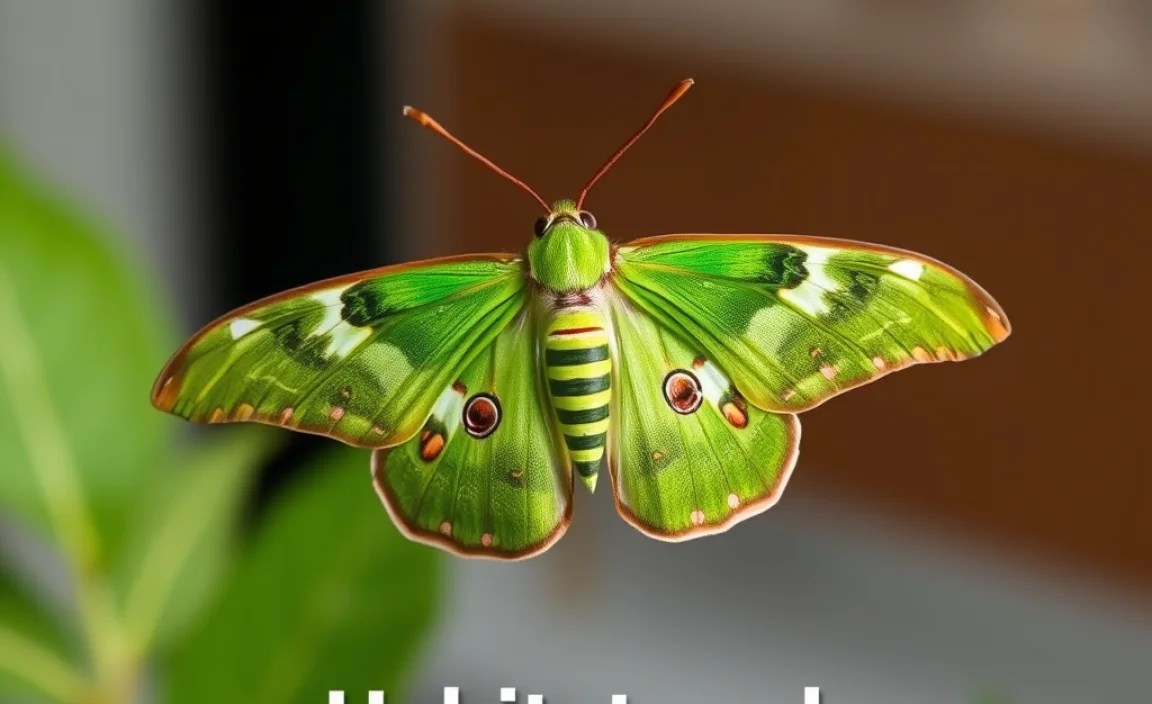
Quick Summary: The Green-banded Urania moth (Chrysiridia rhipheus) is a stunning day-flying moth found in Madagascar. Known for its iridescent green bands, black wings, and red accents, it’s a sought-after subject for nature enthusiasts and photographers. This moth plays a critical role in its ecosystem as a pollinator and depends on the Omphalea plant for survival. Discover its habitat, lifecycle, and conservation status in this guide.
Have you ever seen a creature so vibrant and unique that it takes your breath away? The Green-banded Urania moth is one of nature’s most spectacular creations, but spotting one isn’t as simple as looking in your backyard. These beauties are native to Madagascar and face threats that make them even more precious. You might wonder, where do they live? What do they eat? And how can we help protect them? Don’t worry; we’ll walk through the fascinating world of the Green-banded Urania, covering everything from its habitat and diet to its conservation status. Get ready to be amazed!
Frequently Asked Questions About the Green-banded Urania Moth
Here are some common questions people have about the Green-banded Urania moth:
What does the Green-banded Urania moth look like?
This moth has striking iridescent green bands across its black wings, with touches of red. Its unique color pattern makes it easy to identify.
Where can I find Green-banded Urania moths?
These moths are native to Madagascar, so you’ll primarily find them on the island’s forests and coastal areas.
What do Green-banded Urania moth caterpillars eat?
The caterpillars feed exclusively on plants from the Omphalea genus, which makes these plants essential for the moth’s survival.
Are Green-banded Urania moths endangered?
While not officially endangered, their populations are threatened by habitat loss due to deforestation in Madagascar.
Why are these moths active during the day?
Unlike most moths, the Green-banded Urania moth is diurnal, meaning it flies during the day. This is likely due to its bright colors, which serve as a warning to predators.
Can I raise Green-banded Urania moths in my garden?
Since they are native to Madagascar and rely on specific host plants, it is nearly impossible to raise them outside their natural habitat.
What role do these moths play in their ecosystem?
They act as pollinators, contributing to the health and diversity of Madagascar’s plant life.
Identifying the Green-banded Urania Moth

The Green-banded Urania moth (Chrysiridia rhipheus) is renowned for its breathtaking beauty. Knowing how to identify it is the first step to appreciating this unique creature. Here’s what to look for:
Distinctive Physical Characteristics
- Wings: The wings are primarily black with iridescent green bands that shimmer in the light. These bands are the most recognizable feature.
- Coloration: In addition to the green bands, you’ll notice red and orange spots, especially near the edges of the wings. This vibrant combination of colors warns predators of the moth’s toxicity.
- Size: The wingspan typically ranges from 7 to 9 centimeters (2.8 to 3.5 inches).
- Shape: The wings have a distinctive shape with scalloped edges, adding to their delicate appearance.
Habitat and Location
- Native Region: These moths are exclusively found in Madagascar, an island nation off the coast of Africa.
- Preferred Habitats: They thrive in tropical forests and coastal areas where their host plants, Omphalea species, are abundant.
- Seasonal Migrations: The Green-banded Urania moth undertakes migrations across Madagascar, following the availability of its host plants.
Behavioral Traits
- Diurnal Activity: Unlike most moths, this species is active during the day.
- Flight Pattern: They have a fluttering, almost butterfly-like flight, making them easily noticeable as they move through the forest canopy.
- Feeding Habits: As adults, they feed on nectar from various flowers, acting as important pollinators.
The Lifecycle of the Green-banded Urania Moth

Understanding the lifecycle of the Green-banded Urania moth is crucial to appreciating its ecological role and conservation needs. Let’s explore each stage of its life:
Egg Stage
- Appearance: The eggs are small and typically laid on the leaves of Omphalea plants. They are often laid in clusters to increase the chances of survival.
- Location: Females carefully select Omphalea plants, ensuring the emerging caterpillars have immediate access to food.
- Duration: The eggs usually hatch within a week, depending on environmental conditions like temperature and humidity.
Larval Stage (Caterpillar)
- Appearance: The caterpillars are strikingly colored with black, white, and yellow bands. These colors serve as a warning to potential predators, indicating toxicity.
- Feeding Habits: They feed voraciously on the leaves of Omphalea plants. This is their primary source of nutrition, which is essential for growth and development.
- Growth and Molting: As they grow, caterpillars undergo several molting stages, shedding their skin to accommodate their increasing size.
Pupal Stage (Chrysalis)
- Appearance: The pupa is encased in a silken cocoon, which is often attached to a leaf or twig of the host plant. The pupa is camouflaged to blend in with its surroundings, providing protection from predators.
- Development: Inside the pupa, the caterpillar undergoes a complete transformation, reorganizing its tissues to form the adult moth.
- Duration: This stage typically lasts for about two to three weeks.
Adult Stage (Moth)
- Emergence: The adult moth emerges from the pupal case, unfolding its wings and allowing them to dry and harden.
- Reproduction: Adult moths mate and the females lay eggs, continuing the lifecycle.
- Lifespan: The adult Green-banded Urania moth typically lives for a few weeks, during which it focuses on reproduction and feeding on nectar.
The following table summarizes the lifecycle stages:
| Stage | Description | Duration |
|---|---|---|
| Egg | Small, laid on Omphalea leaves | Approximately 1 week |
| Larva (Caterpillar) | Black, white, and yellow bands; feeds on Omphalea | Several weeks |
| Pupa (Chrysalis) | Silken cocoon, camouflaged | 2-3 weeks |
| Adult (Moth) | Iridescent green bands, black wings, red spots | Few weeks |
Habitat and Distribution
Understanding where the Green-banded Urania moth lives and how it moves helps us appreciate its ecological needs and the challenges it faces.
Geographic Range
- Madagascar: The Green-banded Urania moth is endemic to Madagascar, meaning it is found nowhere else in the world.
- Specific Regions: They inhabit the island’s tropical forests and coastal regions, where their host plants thrive.
Preferred Habitats
- Tropical Forests: These moths prefer the dense, humid environments of Madagascar’s tropical forests. The forests offer shelter, food, and breeding sites.
- Coastal Areas: They can also be found in coastal regions, where Omphalea plants are common.
Ecological Requirements
- Host Plants: The survival of the Green-banded Urania moth is closely linked to the presence of Omphalea plants. These plants are the sole food source for the caterpillars.
- Climate: They require a warm, humid climate to thrive. Madagascar’s tropical climate provides the ideal conditions for their lifecycle.
- Nectar Sources: Adult moths need access to nectar-rich flowers to sustain themselves. A diverse range of flowering plants is essential for their survival.
Migration Patterns
- Seasonal Movements: The Green-banded Urania moth undertakes seasonal migrations across Madagascar in search of Omphalea plants. These migrations are influenced by the availability of food and suitable breeding sites.
- Following Host Plants: They follow the growth patterns of Omphalea plants, ensuring a continuous supply of food for their larvae.
Diet and Feeding Habits

The Green-banded Urania moth has specific dietary needs at different stages of its lifecycle. Understanding these needs is vital for conservation efforts.
Larval Diet
- Exclusive Host Plant: The caterpillars feed exclusively on plants of the genus Omphalea. This makes these plants crucial for their survival.
- Nutritional Requirements: Omphalea plants provide the necessary nutrients for the caterpillars to grow and develop into healthy adults.
- Toxicity: Omphalea plants contain toxic compounds that the caterpillars sequester, making them unpalatable to predators.
Adult Diet
- Nectar Feeding: Adult moths feed on nectar from various flowering plants. This provides them with the energy they need for flight and reproduction.
- Pollination: As they feed on nectar, they also act as pollinators, transferring pollen from one flower to another.
- Flower Preferences: They are attracted to brightly colored flowers with easy access to nectar.
Here’s a simple table summarizing the diet:
| Stage | Diet | Source |
|---|---|---|
| Larva (Caterpillar) | Leaves | Omphalea plants |
| Adult (Moth) | Nectar | Flowering plants |
Threats and Conservation Status

The Green-banded Urania moth faces several threats that impact its population. Conservation efforts are essential to ensure its survival.
Habitat Loss
- Deforestation: The primary threat to the Green-banded Urania moth is habitat loss due to deforestation in Madagascar. Forests are cleared for agriculture, logging, and urbanization, reducing the availability of Omphalea plants.
- Impact on Host Plants: Deforestation directly impacts the availability of Omphalea plants, the sole food source for the caterpillars.
Climate Change
- Changing Weather Patterns: Climate change is altering weather patterns in Madagascar, leading to droughts and floods that can affect the growth and distribution of Omphalea plants.
- Disruption of Lifecycle: Changes in temperature and rainfall can disrupt the moth’s lifecycle, affecting its ability to reproduce and survive.
Collection for Trade
- Commercial Value: The Green-banded Urania moth is highly sought after by collectors and is sometimes collected for trade. This can further reduce its population.
- Sustainable Practices: Promoting sustainable tourism and discouraging the collection of these moths can help protect them.
Conservation Efforts
- Habitat Protection: Protecting and restoring Madagascar’s forests is crucial for the survival of the Green-banded Urania moth. This includes establishing protected areas and promoting sustainable forestry practices.
- Reforestation: Planting Omphalea trees can help restore habitat and provide food for the caterpillars.
- Community Involvement: Engaging local communities in conservation efforts is essential. This can include providing education and economic incentives to protect the moth and its habitat.
Here’s a list of actions you can take to support conservation efforts:
- Support Conservation Organizations: Donate to or volunteer with organizations working to protect Madagascar’s forests.
- Promote Sustainable Practices: Encourage sustainable tourism and discourage the collection of these moths.
- Educate Others: Share information about the Green-banded Urania moth and the importance of conservation with friends and family.
Attracting Green-banded Urania Moths
While you can’t directly attract Green-banded Urania moths outside of Madagascar, understanding their preferences can help you create a butterfly-friendly garden that supports pollinators in your local area.
Planting Native Flowers
- Nectar-Rich Flowers: Plant a variety of native flowers that provide nectar for adult moths and butterflies.
- Succession Planting: Ensure a continuous supply of nectar throughout the growing season by planting flowers that bloom at different times.
Creating a Butterfly-Friendly Habitat
- Shelter: Provide shelter from wind and rain by planting trees and shrubs.
- Water Source: Offer a shallow dish of water with pebbles for butterflies and moths to drink from.
- Avoid Pesticides: Avoid using pesticides, which can harm or kill butterflies and moths.
Supporting Conservation
- Education: Learn about the conservation needs of local butterflies and moths and support efforts to protect their habitats.
- Advocacy: Advocate for policies that protect natural habitats and promote sustainable practices.
Cultural Significance and Symbolism
The Green-banded Urania moth holds cultural significance in Madagascar and is often admired for its beauty. Understanding its symbolism can add another layer of appreciation.
Symbolism
- Transformation: Like all butterflies and moths, the Green-banded Urania moth symbolizes transformation and change. Its metamorphosis from a caterpillar to a beautiful moth represents personal growth and renewal.
- Beauty: Its vibrant colors and delicate wings make it a symbol of beauty and grace.
- Fragility: The moth’s delicate nature also symbolizes the fragility of life and the importance of protecting the environment.
Cultural Significance in Madagascar
- Admiration: The Green-banded Urania moth is admired in Madagascar for its beauty and uniqueness.
- Tourism: It is a popular attraction for tourists, contributing to the local economy.
- Conservation Awareness: The moth’s presence raises awareness about the importance of protecting Madagascar’s unique biodiversity.
Conclusion
The Green-banded Urania moth is more than just a beautiful insect; it’s a vital part of Madagascar’s ecosystem and a symbol of the unique biodiversity found on the island. By understanding its lifecycle, habitat needs, and the threats it faces, we can all contribute to its conservation. Whether it’s supporting conservation organizations, promoting sustainable practices, or simply spreading awareness, every effort counts. Let’s work together to ensure that future generations can marvel at the iridescent beauty of the Green-banded Urania moth. Remember, protecting this stunning creature also means protecting the rich, irreplaceable ecosystems of Madagascar.


