
Painted Lady vs Viceroy Identification: Easy Guide!

Have you ever seen two butterflies that look almost the same? It can be tricky to tell them apart. This happens a lot with the painted lady vs viceroy identification. These butterflies are beautiful, but they have some key differences. Knowing these differences can help you become a butterfly expert. Let’s learn how to spot the unique traits of each one.
Butterflies are amazing creatures. They fly around, adding color to our world. But how can you tell which butterfly is which? Read on to learn some easy tips and tricks!
Key Takeaways
- The most important difference is a black line on the viceroy’s hindwing.
- Painted ladies have spots on their hindwings, while viceroys do not.
- Size and location can also help with painted lady vs viceroy identification.
- Viceroy butterflies mimic the monarch to avoid being eaten by predators.
- Both butterflies are beautiful and important pollinators in their ecosystems.
Painted Lady vs Viceroy Identification: Overview
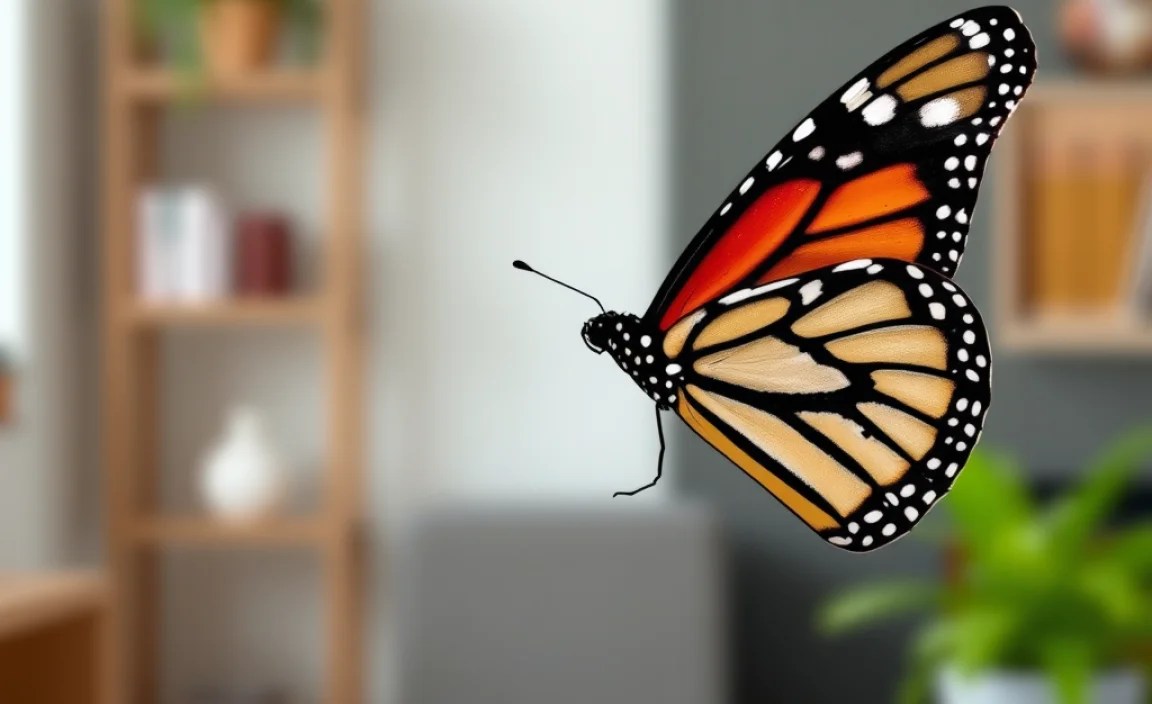
Painted lady and viceroy butterflies are often confused. They share similar orange and brown colors. However, there are key differences that make painted lady vs viceroy identification easier. Painted ladies have a mottled pattern. This pattern includes orange, brown, and black. Viceroys, on the other hand, have a distinct black line across their hindwings. This line is a key feature that sets them apart. Size also plays a role. Painted ladies are usually smaller than viceroys. Location can be a clue too. Painted ladies are found all over the world. Viceroys are mainly found in North America. By paying attention to these details, you can easily tell the difference between these two lovely butterflies.
- Painted ladies have mottled patterns.
- Viceroys have a black line on hindwings.
- Painted ladies are usually smaller.
- Location can help identify them.
- Both are orange and brown.
It’s important to know how to identify butterflies. They play a big role in our environment. Butterflies help pollinate flowers. This helps plants grow and produce fruit. They are also food for birds and other animals. When we know which butterflies are around, we can better protect their habitats. Learning painted lady vs viceroy identification is a great way to start. It helps us appreciate the diversity of nature. Next time you see an orange butterfly, take a closer look. See if you can spot the differences.
Fun Fact or Stat: Painted lady butterflies can travel up to 100 miles per day during migration!
What Makes Painted Ladies Unique?
Painted ladies are known for their beautiful, intricate patterns. Their wings display a mix of orange, brown, and black. They also have small white spots on the edges of their wings. These spots add to their unique look. Painted ladies are also famous for their long migrations. They can travel thousands of miles each year. They fly from North Africa to Europe. They are truly amazing travelers. Have you ever wondered how they know where to go? Scientists are still studying this mystery. These butterflies are a great example of the wonders of nature.
What Makes Viceroys Unique?
Viceroy butterflies have a very clever trick. They look like monarch butterflies. This helps them avoid being eaten. Monarchs are poisonous to some predators. Because viceroys look similar, predators avoid them too. This is called mimicry. The black line on the viceroy’s hindwing is a key identifier. It helps us tell them apart from monarchs. Viceroy butterflies are also known for their strong flight. They can fly quickly and gracefully. They are truly fascinating creatures. Did you know that mimicry is a common survival strategy in the animal kingdom?
Comparing Habitats: Painted Lady vs Viceroy
The painted lady and viceroy butterflies live in different places. Painted ladies are found all over the world. They live in many types of habitats. This includes gardens, fields, and meadows. Viceroys are mainly found in North America. They prefer wet areas near rivers and lakes. They lay their eggs on willow and poplar trees. These trees provide food for the caterpillars. Understanding where these butterflies live can help us protect them. By preserving their habitats, we can ensure they continue to thrive. Have you ever thought about how important habitats are for animals?
Key Differences in Wing Patterns
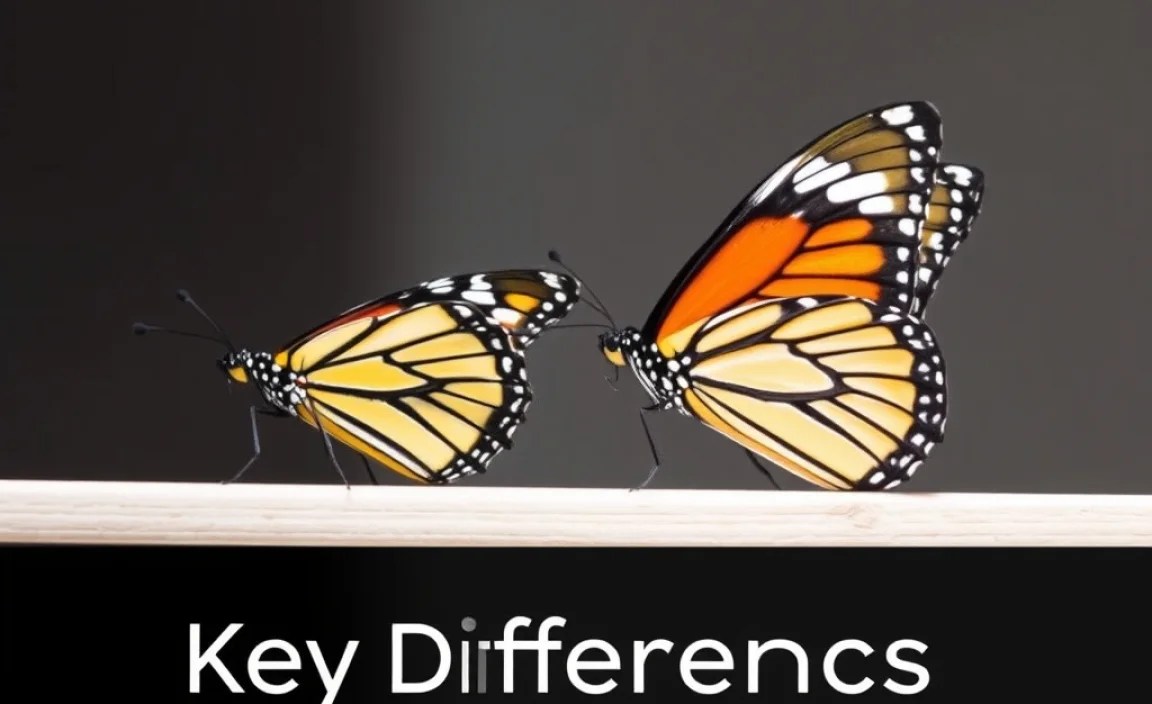
One of the easiest ways to tell these butterflies apart is by looking at their wings. The painted lady has a mottled pattern. This means the colors are mixed and irregular. It has small spots on the hindwings. The viceroy has a more uniform orange color. It has a distinct black line across the hindwings. This line is the best way to identify it quickly. The viceroy’s wing pattern helps it mimic the monarch butterfly. This mimicry protects it from predators. Looking closely at the wing patterns is key for painted lady vs viceroy identification. It is like having a secret code to unlock their identities.
- Painted ladies have mottled patterns.
- Viceroys have a black line on wings.
- Painted ladies have spots on hindwings.
- Viceroy wings mimic monarchs.
- Wing patterns are key identifiers.
- The black line is the easiest way to tell.
When you are trying to identify butterflies, remember to be patient. Sometimes, they don’t stay still for long. Bring a notebook and a pencil. Draw what you see. Note the colors and patterns. Pay special attention to the wings. Is there a black line? Are there spots? These details will help you. You can also use a butterfly guidebook. These books have pictures and descriptions. They can help you learn more about different types of butterflies. With practice, you will become a butterfly expert. It is a fun and rewarding hobby.
Fun Fact or Stat: The viceroy butterfly was once thought to be poisonous like the monarch, but it’s actually palatable!
Spotting the Black Line on Viceroys
The black line on the viceroy’s hindwing is a giveaway. This line runs straight across the wing. It is easy to see against the orange background. Look for this line when you see an orange butterfly. It is the most reliable way to identify a viceroy. Without this line, it could be a painted lady or even a monarch. The black line is like a secret code. It tells you that you are looking at a viceroy. Have you ever used a secret code to communicate with friends? This is kind of like that!
Understanding Painted Lady Spots
Painted ladies have spots on their hindwings. These spots are usually small and white. They are arranged in a row near the edge of the wing. The number and size of the spots can vary. But they are always there. These spots are a key feature of the painted lady. They help distinguish it from other butterflies. Look for these spots when you see an orange butterfly. They are a beautiful and unique characteristic. Did you know that each butterfly’s wing pattern is unique, just like a human fingerprint?
Comparing Wing Shapes
The shape of the wings can also help with painted lady vs viceroy identification. Painted ladies have more rounded wings. Viceroys have slightly more angular wings. This difference is subtle. But it can be helpful when combined with other clues. Look at the overall shape of the butterfly. Does it seem round or angular? This can give you a hint about its identity. Remember to consider all the clues. Wing shape, color, and patterns all play a role. Have you ever noticed how different animals have different body shapes that help them survive?
Size and Location Clues for Identification

Size and location can also help you tell these butterflies apart. Painted lady butterflies are generally smaller. They have a wingspan of about two inches. Viceroys are a bit larger. Their wingspan is around three inches. This size difference can be noticeable. Where you see the butterfly can also provide a clue. Painted ladies are found all over the world. Viceroys are mostly found in North America. If you are in North America, it is more likely to be a viceroy. If you are in Europe, it is more likely to be a painted lady. Combining size and location can make painted lady vs viceroy identification easier.
- Painted ladies are smaller in size.
- Viceroys are larger than painted ladies.
- Painted ladies live worldwide.
- Viceroys live in North America.
- Location provides a clue to ID.
- Size and location together help.
It is important to remember that these are just clues. They are not always perfect. Sometimes, butterflies can be smaller or larger than average. Also, butterflies can sometimes be found outside their usual range. This can happen if they are carried by the wind. So, it is always best to look at multiple features. Check the wing patterns, size, and location. By using all these clues, you can be more confident in your identification. It is like being a detective. You gather all the evidence before making a conclusion.
Fun Fact or Stat: Viceroy butterflies are named after a high-ranking official, reflecting their regal appearance!
Measuring Wingspan for Identification
Measuring the wingspan can be helpful. But it is not always easy. Butterflies don’t often sit still. You can try to estimate the wingspan by comparing it to something else. For example, you can compare it to the width of your hand. Or you can compare it to a leaf. Remember that these are just estimates. They are not exact measurements. But they can give you a general idea of the size. If you are serious about butterfly identification, you can buy a butterfly net. This will allow you to catch the butterfly and measure it more accurately. But always be gentle and release it afterward. Have you ever tried to measure something that wouldn’t stay still?
Geographic Range of Painted Ladies
Painted ladies are one of the most widespread butterflies in the world. They are found on every continent except Antarctica. This makes them truly remarkable. They can live in a variety of habitats. From deserts to mountains, they can adapt to many environments. This wide range makes them a common sight in many gardens and fields. If you see an orange butterfly, there is a good chance it could be a painted lady. Remember to check for the other features, though. Don’t rely on location alone. Did you know that some animals can thrive in almost any environment?
North American Viceroy Habitats
Viceroy butterflies are mainly found in North America. They prefer wet areas near rivers and lakes. These areas provide the plants they need to survive. They lay their eggs on willow and poplar trees. The caterpillars feed on these trees. These habitats are important for the viceroy’s life cycle. Protecting these areas is essential for their survival. If you live near a river or lake in North America, you might see a viceroy butterfly. Keep an eye out for the black line on its hindwings. It is a sign that you have spotted this beautiful creature. Have you ever explored the habitats near your home?
| Feature | Painted Lady | Viceroy |
|---|---|---|
| Wing Pattern | Mottled, with spots | Uniform, black line |
| Size | Smaller | Larger |
| Location | Worldwide | North America |
| Hindwing Spots | Present | Absent |
| Mimicry | No mimicry | Mimics monarch |
Caterpillar Differences: Food and Appearance
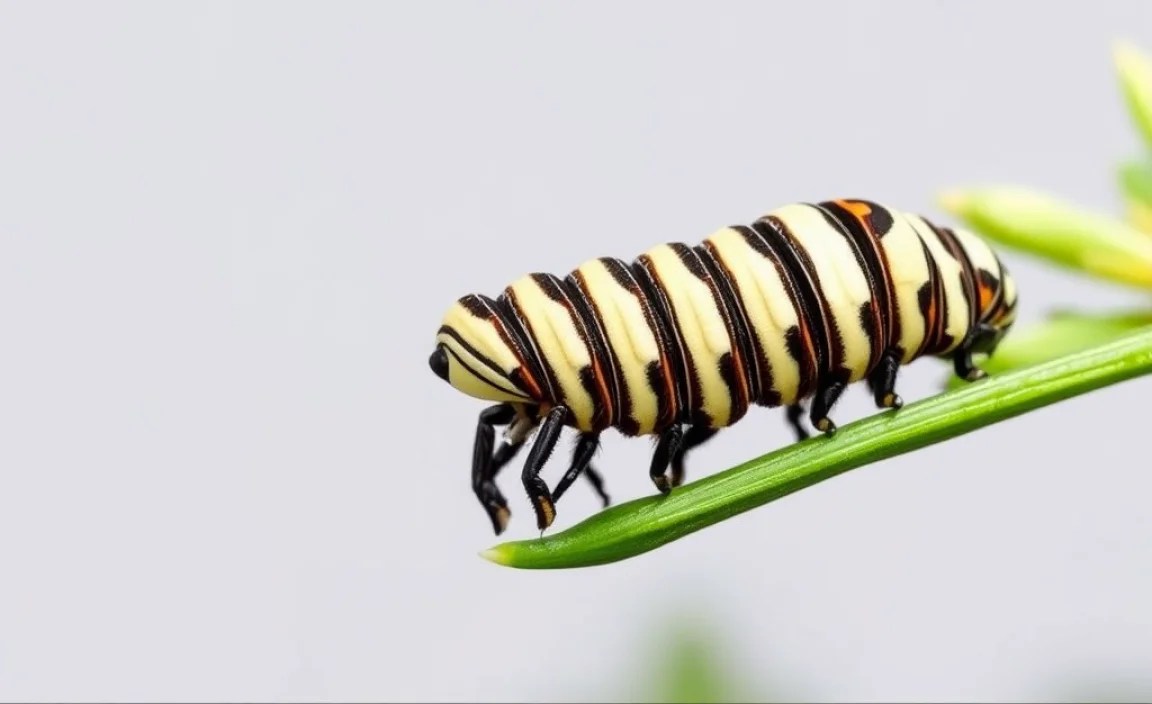
The caterpillars of painted lady and viceroy butterflies also have differences. Painted lady caterpillars eat a variety of plants. This includes thistles, mallows, and sunflowers. They are spiky and dark in color. Viceroy caterpillars mainly eat willow and poplar leaves. They look like bird droppings when they are young. This helps them avoid being eaten by predators. As they grow, they become more colorful. Understanding what caterpillars eat and look like can also help with painted lady vs viceroy identification. It is like knowing the baby pictures of a celebrity. It helps you recognize them even when they are young.
- Painted lady caterpillars eat thistles.
- Viceroy caterpillars eat willow leaves.
- Painted lady caterpillars are spiky.
- Viceroy caterpillars look like bird droppings.
- Caterpillar appearance differs greatly.
- Food source gives ID clues.
It is fascinating to see how caterpillars transform into butterflies. This process is called metamorphosis. The caterpillar eats and grows. Then, it forms a chrysalis. Inside the chrysalis, it changes into a butterfly. This transformation takes several weeks. When the butterfly is ready, it emerges from the chrysalis. It unfolds its wings and flies away. This is one of the most amazing processes in nature. It shows how much change is possible. It is a reminder that we can all grow and transform.
Fun Fact or Stat: Viceroy caterpillars store salicylic acid from willow trees, making them taste bitter to predators!
Painted Lady Caterpillar Diet
Painted lady caterpillars are not picky eaters. They eat a wide variety of plants. This includes thistles, mallows, and sunflowers. This makes them adaptable to different environments. They can find food in many places. Their varied diet helps them thrive. Have you ever tried eating different types of foods? It can be fun to explore new tastes and textures. Caterpillars do the same thing!
Viceroy Caterpillar Camouflage
Viceroy caterpillars have a clever way to avoid predators. They look like bird droppings when they are young. This camouflage makes them hard to spot. Birds and other predators don’t want to eat bird droppings. So, they leave the caterpillars alone. This is a great example of how animals adapt to survive. As they grow, they lose this camouflage. But by then, they are bigger and better able to defend themselves. Did you know that many animals use camouflage to hide from predators?
Observing Caterpillar Behavior
Caterpillars spend most of their time eating. They need to eat a lot to grow. They also need to eat to prepare for metamorphosis. Watch caterpillars carefully. You can learn a lot about their behavior. Notice what they eat. See how they move. Watch how they interact with each other. This can be a fun and educational activity. Remember to be gentle and respectful. Don’t disturb their habitat. Just observe from a distance. Have you ever spent time watching animals in nature?
Behavioral Traits: Flight and Migration
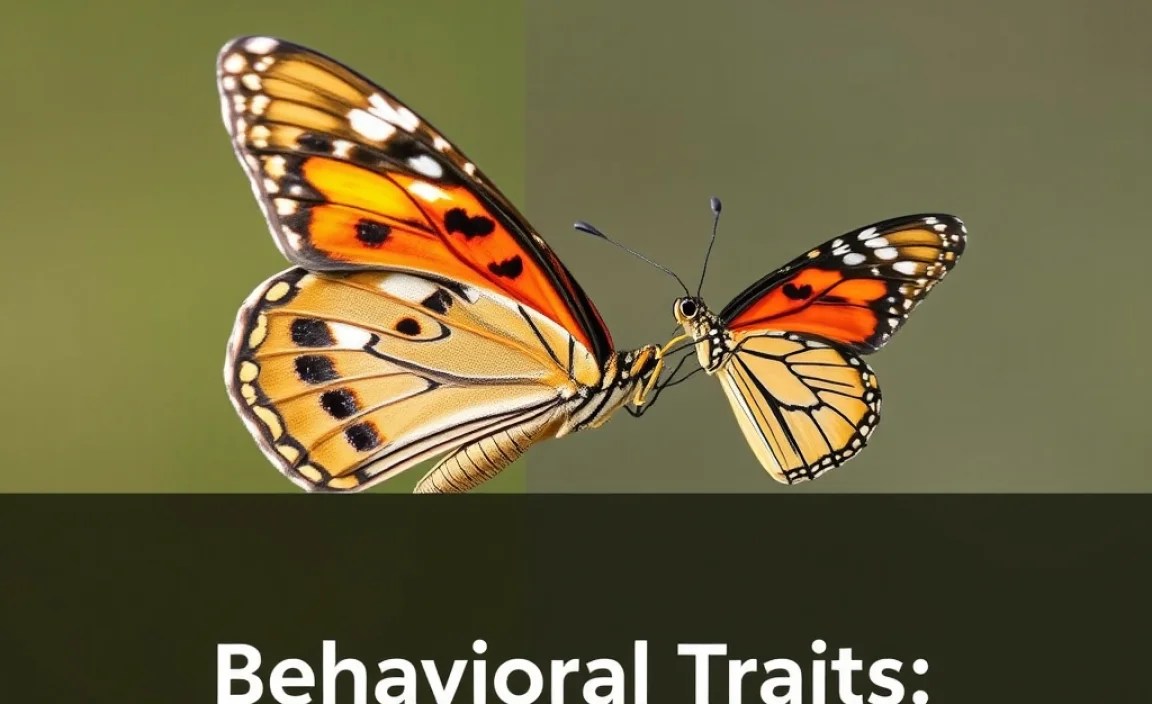
The behavioral traits of painted lady and viceroy butterflies are different. Painted ladies are known for their long migrations. They can travel thousands of miles. They fly from North Africa to Europe. This is an amazing feat of endurance. Viceroys do not migrate as far. They tend to stay in their local areas. Their flight patterns are also different. Painted ladies have a more erratic flight. They flutter and dart around. Viceroys have a more direct flight. They fly in a straight line. Observing these behaviors can help with painted lady vs viceroy identification. It is like watching a sports game. Each player has their own unique style.
- Painted ladies are long-distance migrators.
- Viceroys stay in local areas.
- Painted ladies have erratic flight patterns.
- Viceroys have direct flight patterns.
- Behavioral traits help with ID.
- Flight and migration behaviors differ.
It is important to understand how butterflies behave. This can help us protect them. Migration is a risky behavior. Butterflies face many dangers on their journey. They can be blown off course by the wind. They can be eaten by predators. They can run out of food. By understanding these dangers, we can help them. We can plant flowers that provide nectar. We can protect their habitats. We can also reduce our use of pesticides. These actions can help butterflies survive and thrive.
Fun Fact or Stat: Painted lady butterflies are sometimes called the “cosmopolitan” butterfly because they’re found almost everywhere!
Painted Lady Migration Patterns
Painted ladies are famous for their long migrations. They travel thousands of miles each year. They fly from North Africa to Europe. They face many challenges on their journey. They must cross mountains and deserts. They must avoid predators. They must find food along the way. Their migration is driven by the availability of food. They follow the blooming flowers. This is an amazing example of adaptation. Have you ever traveled a long distance? Imagine doing it on tiny wings!
Viceroy Flight Characteristics
Viceroy butterflies have a more direct flight pattern. They fly in a straight line. They don’t flutter as much as painted ladies. This makes them easier to track. Their flight is also strong and purposeful. They know where they are going. They are not easily distracted. This efficient flight helps them conserve energy. It allows them to fly longer distances. Did you know that different animals have different ways of moving? Some are fast, some are slow, and some are acrobatic!
Comparing Flight Speeds
It is difficult to measure the exact flight speeds of butterflies. But we can observe their relative speeds. Painted ladies seem to flutter more. This suggests they are not flying as fast. Viceroys have a more direct flight. This suggests they are flying faster. However, flight speed can depend on many factors. Wind, temperature, and food availability can all play a role. It is important to consider these factors when observing butterflies. Have you ever tried to run in the wind? It can be tough!
Conservation Status and Importance
Both painted lady and viceroy butterflies are important to our environment. They are both pollinators. This means they help plants reproduce. They carry pollen from one flower to another. This helps the plants make seeds and fruit. Butterflies are also food for other animals. Birds, lizards, and spiders eat butterflies. They are an important part of the food chain. Both butterfly species are currently not endangered. But they face threats from habitat loss and pesticide use. Protecting their habitats is important. Painted lady vs viceroy identification helps us understand these creatures. This knowledge helps us protect them.
- Both butterflies are pollinators.
- They help plants reproduce.
- Butterflies are food for animals.
- Habitat loss threatens butterflies.
- Pesticide use is a threat too.
- Protecting habitats is important.
We can all help protect butterflies. Plant flowers in your garden that provide nectar. Avoid using pesticides. Support organizations that protect butterfly habitats. Educate others about the importance of butterflies. Even small actions can make a big difference. By working together, we can ensure that these beautiful creatures continue to thrive. It is our responsibility to protect the environment. Future generations should also enjoy these wonderful butterflies.
Fun Fact or Stat: Butterflies contribute over $4.6 billion annually to the US economy through pollination!
Supporting Butterfly Habitats
One of the best ways to help butterflies is to support their habitats. This means protecting the places where they live. It also means creating new habitats. Plant native flowers in your garden. These flowers provide nectar for butterflies. They also provide food for caterpillars. Avoid using pesticides. Pesticides can harm butterflies and other insects. Support local parks and nature reserves. These areas provide important habitats for butterflies. Have you ever created a habitat for animals in your backyard?
Reducing Pesticide Use
Pesticides can be harmful to butterflies. They can kill butterflies directly. They can also kill the plants that butterflies need to survive. Reduce your use of pesticides. Use natural methods to control pests in your garden. For example, you can use ladybugs to eat aphids. You can also use insecticidal soap. These methods are safer for butterflies and other beneficial insects. Did you know that some insects are actually helpful in your garden?
Educating Others About Butterflies
Educating others is important for butterfly conservation. Tell your friends and family about the importance of butterflies. Share what you have learned about painted lady vs viceroy identification. Encourage them to plant flowers in their gardens. Encourage them to avoid using pesticides. The more people who know about butterflies, the better. Together, we can make a difference. Have you ever shared your knowledge with others?
Summary
Painted lady and viceroy butterflies are two beautiful species. They are often mistaken for each other. This is because they have similar orange and brown colors. However, there are key differences. Painted ladies have a mottled pattern. They also have spots on their hindwings. Viceroys have a distinct black line across their hindwings. They also mimic the monarch butterfly. Size and location can also help with painted lady vs viceroy identification. Painted ladies are smaller and found worldwide. Viceroys are larger and found in North America.
Both butterflies are important pollinators. They help plants reproduce. They also face threats from habitat loss and pesticide use. We can all help protect butterflies. Plant flowers in your garden. Avoid using pesticides. Support organizations that protect butterfly habitats. By learning how to identify these butterflies, we can better appreciate and protect them. It is a fun and rewarding hobby that connects us to nature.
Conclusion
Painted lady vs viceroy identification can be tricky. But it is also a rewarding skill. By looking at wing patterns, size, and location, you can tell them apart. Painted ladies have mottled wings and are smaller. Viceroys have a black line and are larger. Both butterflies play important roles in the environment. They help pollinate flowers and support the food chain. Protecting their habitats is crucial for their survival. We can all contribute to butterfly conservation. Every action, no matter how small, makes a difference.
Frequently Asked Questions
Question No 1: What is the easiest way to tell the difference between a painted lady and a viceroy butterfly?
Answer: The easiest way to tell the difference is by looking at their hindwings. Viceroy butterflies have a distinct black line that runs across their hindwings. Painted lady butterflies do not have this line. They have spots instead. This black line is the most reliable feature for quick painted lady vs viceroy identification. It’s like having a special mark that says, “I’m a viceroy!” Remember to look closely at the hindwings to spot this key difference.
Question No 2: Are painted lady butterflies and viceroy butterflies found in the same places?
Answer: No, painted lady butterflies and viceroy butterflies are not typically found in the same places. Painted lady butterflies have a very wide range and can be found almost anywhere in the world, except for Antarctica. Viceroy butterflies, on the other hand, are mainly found in North America. So, if you are in North America, you might see either one. But if you are in Europe or Asia, it is more likely to be a painted lady. Location can be a helpful clue for painted lady vs viceroy identification.
Question No 3: Do painted lady caterpillars and viceroy caterpillars eat the same plants?
Answer: No, painted lady caterpillars and viceroy caterpillars do not eat the same plants. Painted lady caterpillars are not picky eaters and will eat a variety of plants, like thistles, mallows, and sunflowers. Viceroy caterpillars are more specific in their diet. They prefer to eat the leaves of willow and poplar trees. The type of plant a caterpillar eats can also help with identification. So, if you see a caterpillar on a willow tree, it is more likely to be a viceroy caterpillar.
Question No 4: Why do viceroy butterflies mimic monarch butterflies?
Answer: Viceroy butterflies mimic monarch butterflies as a way to protect themselves from predators. Monarch butterflies are poisonous to some predators because they eat milkweed plants. Predators that have eaten a monarch butterfly before will avoid eating anything that looks like it. By looking like a monarch, viceroy butterflies trick predators into leaving them alone. This is a clever survival strategy called mimicry. It helps them avoid being eaten and stay safe. Mimicry is an important aspect to consider in painted lady vs viceroy identification, as painted ladies do not mimic any other species.
Question No 5: Are painted lady butterflies or viceroy butterflies endangered?
Answer: Neither painted lady butterflies nor viceroy butterflies are currently listed as endangered. However, both species face threats from habitat loss and the use of pesticides. It is important to protect their habitats and reduce pesticide use to ensure that these butterflies continue to thrive. Even though they are not endangered now, it is our responsibility to take care of them. By planting flowers and avoiding pesticides, we can help them stay healthy and happy.
Question No 6: How can I help protect painted lady and viceroy butterflies in my own backyard?
Answer: You can help protect painted lady and viceroy butterflies in your own backyard by planting flowers that provide nectar for them to eat. Some good choices include sunflowers, coneflowers, and butterfly bushes. It is also important to avoid using pesticides, as these can harm butterflies and other beneficial insects. Providing a source of water, such as a shallow dish with pebbles, can also be helpful. By creating a butterfly-friendly habitat in your backyard, you can help these beautiful creatures thrive. Knowing the needs of each species through painted lady vs viceroy identification is the first step.


