
Painted Lady Lifecycle Stages: A Quick, Easy Guide

Have you ever seen a butterfly flutter by? It’s like a tiny, colorful airplane! Butterflies start as tiny eggs. Then, they change a lot. This amazing change is called the painted lady lifecycle stages. It’s like a magic trick, but it’s real!
Butterflies go through different steps. They are very small at first. Then they get bigger and stronger. Finally, they become beautiful butterflies. Let’s learn about these cool changes! We will explore each stage. Get ready for a fun adventure!
The painted lady lifecycle stages are fascinating. Each stage is important. The butterfly cannot skip any steps. It is like following a recipe. Each ingredient is needed to make a cake. So, let’s discover the secrets of the butterfly’s journey. It is a story of change and beauty.
Key Takeaways
- The painted lady lifecycle stages include egg, larva (caterpillar), pupa (chrysalis), and adult.
- Caterpillars eat a lot of leaves to grow big and strong for their transformation.
- The pupa, or chrysalis, is where the caterpillar changes into a butterfly.
- Adult butterflies drink nectar from flowers using a long, straw-like tongue.
- Painted lady butterflies migrate long distances to find food and places to breed.
Exploring Painted Lady Lifecycle Stages
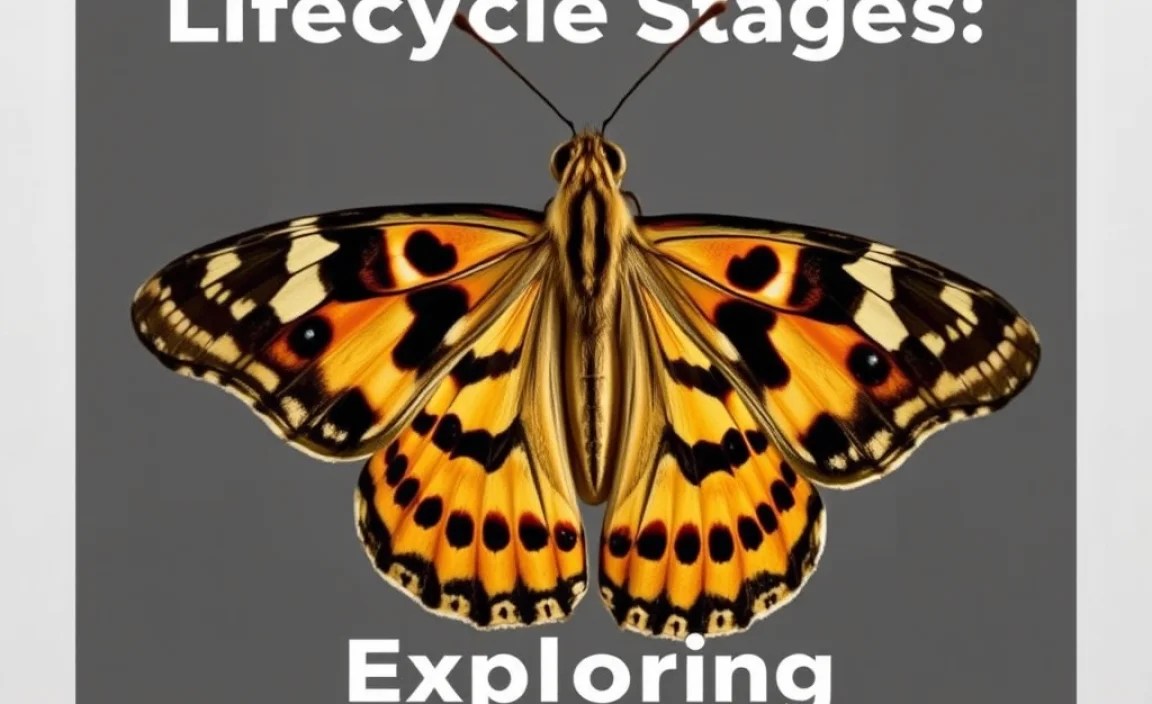
The painted lady lifecycle stages are a wonder of nature. It starts with a tiny egg. The egg is laid on a leaf. Then, a caterpillar hatches. The caterpillar eats and grows. It sheds its skin many times. This is called molting. Next, the caterpillar turns into a pupa. The pupa is also called a chrysalis. Inside, big changes happen. Finally, a beautiful butterfly emerges. The butterfly flies away to find food and lay eggs. This whole process is amazing. Each stage is important for the butterfly’s life. The butterfly goes through a complete change. It is one of nature’s coolest tricks. We can learn so much from watching butterflies grow.
- Eggs are usually laid on leaves.
- Caterpillars eat a lot to grow.
- Molting happens as the caterpillar grows bigger.
- The pupa is a resting and changing stage.
- Butterflies emerge from the pupa.
- Adult butterflies drink nectar from flowers.
Imagine you are a tiny egg on a leaf. You wait patiently for your time to hatch. When you do, you are a hungry caterpillar! Your job is to eat, eat, eat! You munch on leaves all day long. As you grow, your skin gets too tight. So, you shed it like taking off a tight shirt. This happens several times. Then, you find a safe place to make a chrysalis. Inside, you change into a butterfly. It’s like magic! When you come out, you have wings! You can fly and find sweet nectar. You also lay eggs to start the cycle again. The painted lady lifecycle stages are truly amazing.
What Do Painted Lady Eggs Look Like?
Have you ever seen a tiny butterfly egg? They are very small. Painted lady eggs are usually green or white. They have tiny ridges on them. The mother butterfly lays them on leaves. She picks leaves that the caterpillar will like to eat. The eggs are like tiny packages. Inside each egg is a baby caterpillar. The egg protects the caterpillar as it grows. It takes only a few days for the egg to hatch. The baby caterpillar is ready to start its adventure. The egg is the first step in the butterfly’s life. It is a small but important beginning. Did you know that butterfly eggs come in different shapes and sizes? Some are round, and some are oval. Some are even bumpy! Each kind of butterfly has its own special egg.
How Long Does the Egg Stage Last?
The egg stage of a painted lady butterfly is short. It usually lasts about 3 to 7 days. The time can change based on the weather. If it is warm, the eggs hatch faster. If it is cold, they take longer. During this time, the baby caterpillar grows inside the egg. It eats the yolk inside the egg for food. When it is ready, it chews its way out of the egg. The caterpillar is very small when it hatches. But it is ready to start eating leaves. The egg stage is a time of quiet growth. It is the start of a big adventure for the butterfly. Imagine waiting inside a tiny egg for days! It must be exciting to finally come out.
Why Are Eggs Laid on Specific Plants?
Mother butterflies are very careful where they lay their eggs. They choose plants that the caterpillars can eat. This is important because the caterpillars need food to grow. Painted lady caterpillars like to eat thistle plants. They also eat mallow and other plants. The mother butterfly knows this. She lays her eggs on these plants so the caterpillars will have food. This is a smart way to take care of her babies. If she laid the eggs on a plant the caterpillar could not eat, the caterpillar would starve. So, the mother butterfly is very picky. She wants to make sure her babies have the best start in life. It is amazing how much care she takes.
Fun Fact or Stat: A female painted lady butterfly can lay over 500 eggs in her lifetime!
The Hungry Caterpillar Stage
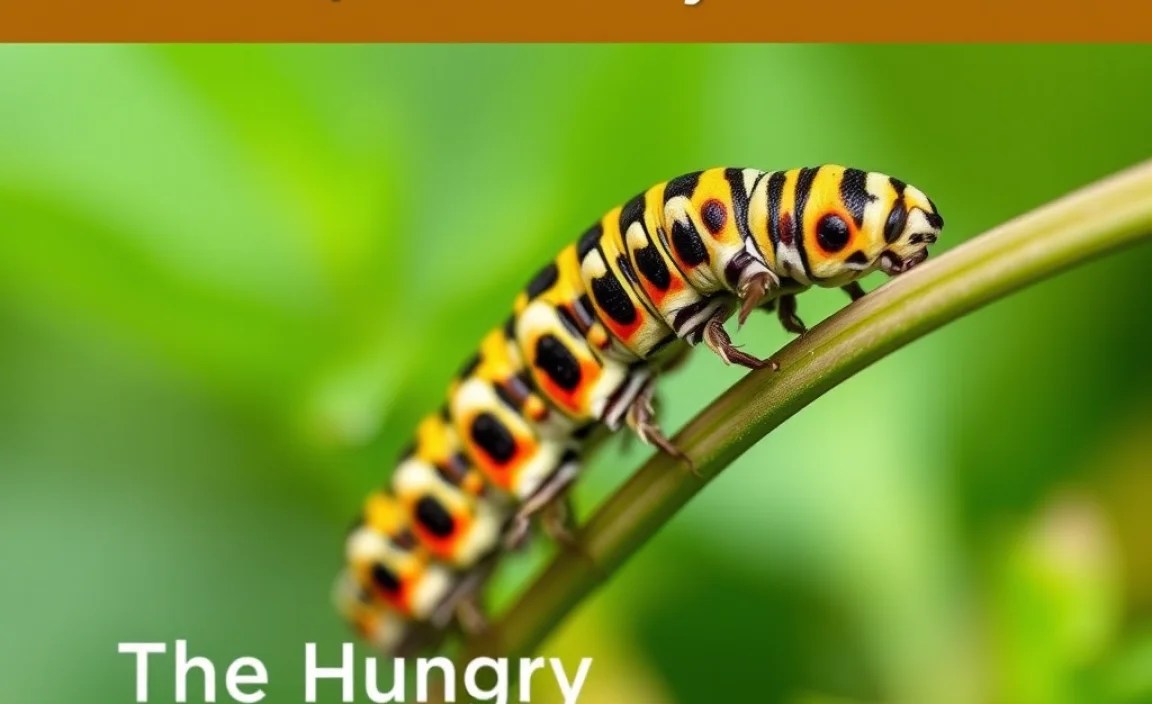
After the egg hatches, the painted lady lifecycle stages enter the caterpillar phase. This is when the tiny larva emerges. It is also called a caterpillar. The caterpillar’s main job is to eat. It eats and eats and eats! It grows very quickly. As it grows, it sheds its skin. This is called molting. The caterpillar molts several times. Each time it molts, it gets bigger. The caterpillar has strong jaws for chewing leaves. It eats all kinds of leaves. It also eats flowers and stems. The caterpillar is very important for the butterfly’s life. It stores up energy for the next stage. Without the caterpillar, there would be no butterfly. The caterpillar is a very hungry creature. It is always looking for its next meal.
- Caterpillars eat a lot of leaves.
- They grow very fast.
- Caterpillars shed their skin as they grow.
- This shedding is called molting.
- Caterpillars need energy for the next stage.
- They have strong jaws for chewing.
Imagine you are a tiny caterpillar. You just hatched from an egg. You are very hungry! You start eating the leaf you hatched on. It tastes good! You keep eating all day long. As you eat, you grow bigger. Your skin feels tight. It’s time to molt! You wiggle out of your old skin. Underneath is a new, bigger skin. You keep eating and growing. You molt several times. Soon, you are a big, fat caterpillar. You have stored up lots of energy. Now you are ready for the next stage. The caterpillar stage is all about eating and growing. It is a very important time in the butterfly’s life. The painted lady lifecycle stages are really fascinating, aren’t they?
What Do Painted Lady Caterpillars Eat?
Painted lady caterpillars are not picky eaters. They enjoy many kinds of plants. Their favorite foods include thistles and mallows. They also eat nettles and other leafy plants. The caterpillars munch on leaves, flowers, and stems. They need a lot of food to grow big and strong. Some people grow these plants in their gardens. This helps the butterflies have a place to lay their eggs. It also gives the caterpillars food to eat. If you want to help butterflies, plant some of these plants. The caterpillars will thank you! It is important to provide food for the caterpillars. This helps them become beautiful butterflies. The painted lady lifecycle stages depend on these plants.
How Many Times Do Caterpillars Molt?
Caterpillars molt several times as they grow. Painted lady caterpillars usually molt about five times. Each time they molt, they shed their old skin. This allows them to grow bigger. The skin does not stretch. So, they need to get rid of it. The caterpillar grows a new skin under the old one. When the new skin is ready, the old skin splits open. The caterpillar wiggles out. The new skin is soft at first. But it hardens quickly. Molting is a very important part of the caterpillar’s life. It allows them to grow and change. It’s like getting a new, bigger outfit! The molting process is amazing to watch. The painted lady lifecycle stages include this cool process.
Why Do Caterpillars Need to Eat So Much?
Caterpillars need to eat a lot because they are preparing for a big change. They are storing up energy for the pupa stage. During the pupa stage, the caterpillar turns into a butterfly. This takes a lot of energy. The caterpillar does not eat during the pupa stage. So, it needs to have enough energy stored up. The food the caterpillar eats is like fuel. It powers the change inside the pupa. The more the caterpillar eats, the better. It will have more energy for the butterfly stage. So, the caterpillar’s job is to eat as much as it can. It is a very important job. The painted lady lifecycle stages depend on this. The hungry caterpillar makes a beautiful butterfly.
Fun Fact or Stat: A caterpillar can increase its weight by over 1,000 times during its growing stage!
Understanding the Pupa or Chrysalis Stage
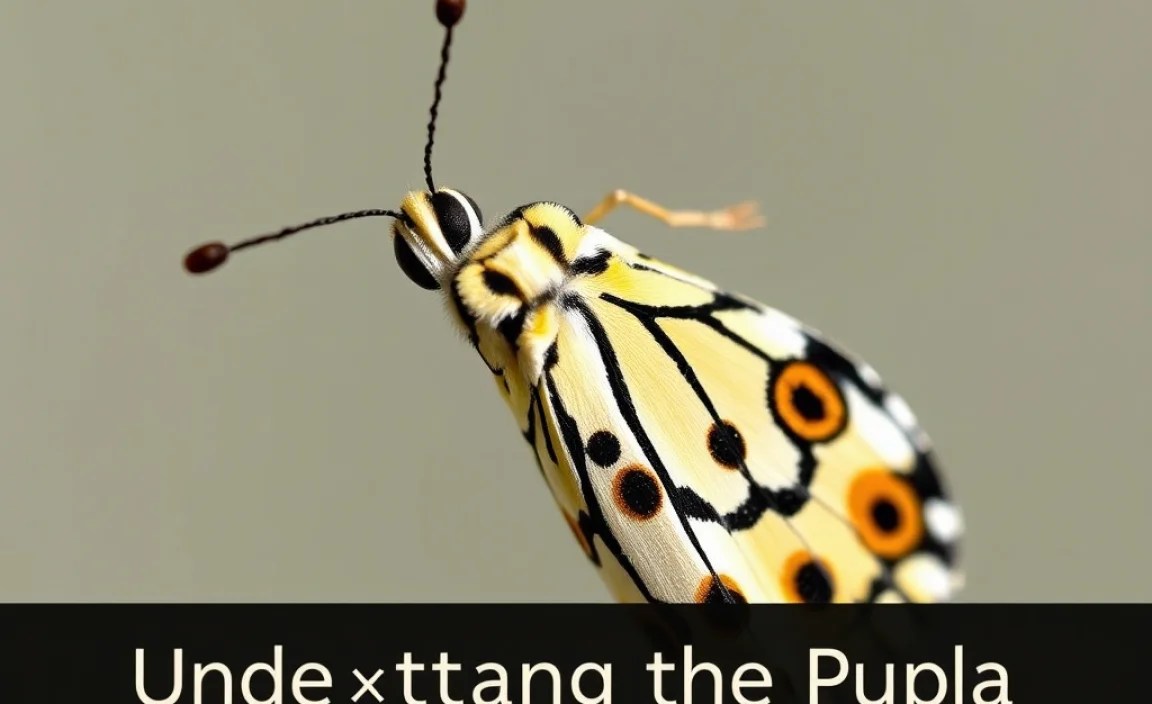
After the caterpillar is big enough, it enters the pupa stage. This is also called the chrysalis stage. The caterpillar finds a safe place to hang upside down. It makes a hard shell around itself. This shell is the chrysalis. Inside the chrysalis, the caterpillar changes into a butterfly. This change is called metamorphosis. It takes about one to two weeks. During this time, the caterpillar’s body breaks down. Then, it rebuilds itself into a butterfly. The chrysalis is like a tiny house. It protects the butterfly as it changes. The pupa stage is a time of great change. It is a magical transformation. The painted lady lifecycle stages would not be complete without it.
- The pupa stage is also called the chrysalis stage.
- The caterpillar makes a hard shell around itself.
- Inside the chrysalis, it changes into a butterfly.
- This change is called metamorphosis.
- It takes about one to two weeks.
- The chrysalis protects the butterfly.
Imagine you are a caterpillar getting ready to become a butterfly. You have eaten a lot and grown big. Now, you need to find a safe place. You hang upside down from a branch. You make a hard shell around yourself. This is your chrysalis. Inside, you start to change. Your body breaks down into a soup. Then, it rebuilds itself. Wings start to grow. Legs form. You are becoming a butterfly! This process takes time. But it is worth it. Soon, you will emerge from the chrysalis. You will be a beautiful butterfly. The pupa stage is a time of amazing change. It is a key part of the painted lady lifecycle stages.
What Happens Inside the Chrysalis?
Inside the chrysalis, a big transformation happens. The caterpillar’s body breaks down into a liquid. This liquid contains special cells. These cells rebuild the caterpillar into a butterfly. New structures form. Wings grow. Legs appear. The butterfly’s body takes shape. This process is called metamorphosis. It is one of nature’s most amazing feats. The chrysalis protects the butterfly as it changes. It keeps it safe from harm. The inside of the chrysalis is a busy place. There is a lot of activity going on. The painted lady lifecycle stages would not be complete without this incredible change.
How Long Does the Chrysalis Stage Last?
The chrysalis stage lasts about one to two weeks. The exact time depends on the weather. If it is warm, the butterfly will emerge sooner. If it is cold, it will take longer. During this time, the butterfly is changing inside the chrysalis. It is a time of great transformation. The butterfly is completely rebuilding itself. When it is ready, it will break out of the chrysalis. It will be a beautiful, new butterfly. The chrysalis stage is a waiting game. But it is worth the wait. The painted lady lifecycle stages include this important period of change.
What Does a Chrysalis Look Like?
A chrysalis can look different depending on the butterfly. Painted lady chrysalises are usually brown or tan. They have small spikes or bumps on them. The chrysalis hangs upside down from a branch or leaf. It is hard and protective. Some chrysalises are camouflaged. This means they blend in with their surroundings. This helps to protect them from predators. The chrysalis is a safe house for the changing butterfly. It is a temporary home. But it is very important. The painted lady lifecycle stages feature this protective structure.
Fun Fact or Stat: The word “chrysalis” comes from the Greek word for “gold” because some chrysalises have a golden color!
The Emergence of the Butterfly

After the pupa stage, the butterfly emerges. This is a very exciting time. The chrysalis splits open. The butterfly slowly crawls out. Its wings are wet and crumpled. It looks weak and helpless. But the butterfly is not helpless. It pumps fluid into its wings. The wings slowly expand. They become strong and dry. The butterfly rests for a while. Then, it takes its first flight. It flies off to find food and a mate. The emergence of the butterfly is a beautiful sight. It is a symbol of hope and new beginnings. The painted lady lifecycle stages reach their climax with this event.
- The chrysalis splits open.
- The butterfly crawls out slowly.
- Its wings are wet and crumpled.
- It pumps fluid into its wings.
- The wings expand and dry.
- The butterfly takes its first flight.
Imagine you are a butterfly stuck inside a chrysalis. You have been changing for weeks. Now, it is time to come out. You push against the walls of the chrysalis. It starts to crack. You wiggle and squirm. Finally, the chrysalis splits open. You slowly crawl out. Your wings are wet and crumpled. You look weak and helpless. But you know what to do. You pump fluid into your wings. They slowly expand. They become strong and dry. You rest for a while. Then, you take your first flight. You soar through the air. You are a beautiful butterfly. The emergence is the final step in the painted lady lifecycle stages.
Why Are the Butterfly’s Wings Wet at First?
When a butterfly emerges, its wings are wet and crumpled. This is because they were folded up inside the chrysalis. The butterfly pumps a special fluid called hemolymph into its wings. This fluid expands the wings. It makes them flat and strong. As the fluid dries, the wings harden. The butterfly can then fly. If the butterfly’s wings do not expand properly, it will not be able to fly. This is why it is important not to touch a butterfly that is emerging. You could damage its wings. The painted lady lifecycle stages end with this crucial step.
How Long Does It Take for the Wings to Dry?
It takes about one to two hours for the butterfly’s wings to dry. During this time, the butterfly rests. It stays close to the chrysalis. It needs to be safe from predators. The butterfly is very vulnerable at this time. Once the wings are dry, the butterfly is ready to fly. It will take its first flight. It will explore the world around it. The drying of the wings is a very important step. It allows the butterfly to fly and survive. The painted lady lifecycle stages depend on this process.
What Does the Butterfly Do After Emerging?
After emerging, the butterfly rests and dries its wings. Once its wings are ready, it takes its first flight. The butterfly flies off to find food. It drinks nectar from flowers. It uses its long, straw-like tongue called a proboscis. The butterfly also looks for a mate. It wants to lay eggs and start the cycle again. The butterfly spends its days flying, eating, and mating. It is a beautiful and busy life. The painted lady lifecycle stages are now complete for this butterfly. But it will start the cycle again with its own eggs.
Fun Fact or Stat: A butterfly’s wings are covered in tiny scales that give them their color!
The Adult Painted Lady Butterfly

The adult painted lady butterfly is a beautiful creature. It has orange and brown wings with white spots. The butterfly flies around looking for food. It drinks nectar from flowers. It also looks for a mate. After mating, the female butterfly lays eggs. She lays them on plants that the caterpillars can eat. Then, the painted lady lifecycle stages begin again. The adult butterfly lives for about two to four weeks. During that time, it flies, eats, mates, and lays eggs. The adult butterfly is the final stage of the butterfly’s life. It is a beautiful and important part of the cycle.
- Adults have orange and brown wings.
- They drink nectar from flowers.
- They use a long, straw-like tongue.
- Female butterflies lay eggs.
- The lifecycle starts again.
- Adults live for a few weeks.
Imagine you are a painted lady butterfly. You have just emerged from your chrysalis. Your wings are strong and dry. You take your first flight. You soar through the air. It feels amazing! You fly to a flower. You drink sweet nectar with your long tongue. It tastes delicious! You fly around looking for a mate. You find a beautiful butterfly. You mate and then the female lays eggs. You lay your eggs on a thistle plant. The caterpillars will have plenty to eat. Your job is done. You have completed your life cycle. The painted lady lifecycle stages will continue with your offspring.
What Do Adult Butterflies Eat?
Adult butterflies eat nectar from flowers. They use a long, straw-like tongue called a proboscis to drink the nectar. The proboscis is like a built-in straw. The butterfly unrolls it and sticks it into the flower. It sucks up the nectar. Nectar is a sweet liquid that provides energy for the butterfly. Butterflies also drink water and other liquids. They need these liquids to stay hydrated. The adult butterfly’s diet is very important. It gives them the energy they need to fly and reproduce. The painted lady lifecycle stages depend on the adult butterfly getting enough food.
How Do Butterflies Find a Mate?
Butterflies find a mate in different ways. Some butterflies use visual cues. They look for butterflies with bright colors or patterns. Other butterflies use pheromones. Pheromones are special chemicals that attract mates. Male butterflies release pheromones into the air. Female butterflies can smell these pheromones. They fly towards the male butterfly. Once the butterflies find each other, they perform a mating dance. This dance helps them to recognize each other. After the dance, they mate. The painted lady lifecycle stages continue with this important step.
Where Do Butterflies Lay Their Eggs?
Butterflies are very careful where they lay their eggs. They choose plants that the caterpillars can eat. Painted lady butterflies lay their eggs on thistle plants. They also lay them on mallow and other leafy plants. The mother butterfly knows what is best for her babies. She wants to make sure they have plenty of food. She lays her eggs on the right plants. The caterpillars will hatch and start eating right away. The location of the eggs is very important. It determines whether the caterpillars will survive. The painted lady lifecycle stages depend on the mother butterfly’s choice.
Fun Fact or Stat: Butterflies taste with their feet!
How Weather Affects Butterfly Development
Weather plays a big role in the painted lady lifecycle stages. Warm weather helps the eggs hatch faster. It also helps the caterpillars grow quickly. Cold weather can slow down the development. It can even kill the eggs or caterpillars. Rain is important for butterflies. It provides them with water. But too much rain can be harmful. It can wash away the eggs or caterpillars. Sunshine is also important. It helps the butterflies stay warm. They need warmth to fly and find food. The weather can affect the butterfly’s entire life cycle. It is a very important factor. Butterflies need the right weather to survive and thrive.
- Warm weather helps eggs hatch faster.
- Cold weather can slow down development.
- Rain provides butterflies with water.
- Too much rain can be harmful.
- Sunshine helps butterflies stay warm.
- Weather affects the entire lifecycle.
Imagine you are a tiny butterfly egg. The sun is shining. It is warm and cozy. You are growing inside your shell. You will hatch soon. But then, the weather changes. It gets cold and rainy. You are not growing as fast. You are worried you will not survive. But then, the sun comes out again. It gets warm. You start growing again. You hatch from your egg. You are a happy caterpillar. The weather can change quickly. But you are strong and resilient. You will survive and become a beautiful butterfly. The painted lady lifecycle stages are affected by the weather, but butterflies can adapt.
How Does Temperature Impact the Egg Stage?
Temperature has a big impact on the egg stage. Warm temperatures speed up the development of the egg. The egg will hatch faster in warm weather. Cold temperatures slow down the development. The egg may take longer to hatch or may not hatch at all. The ideal temperature for painted lady butterfly eggs is around 80 degrees Fahrenheit. If the temperature is too high or too low, the egg may not survive. The temperature is a very important factor in the egg stage. The painted lady lifecycle stages are sensitive to temperature changes.
What Happens to Caterpillars in Cold Weather?
Caterpillars are cold-blooded. This means they cannot regulate their own body temperature. They depend on the environment to stay warm. In cold weather, caterpillars become sluggish. They do not eat as much. They may even stop eating altogether. If it gets too cold, the caterpillars can freeze and die. Some caterpillars can survive cold weather by hibernating. They find a safe place to hide and wait for warmer weather. The painted lady lifecycle stages are vulnerable to cold weather. Caterpillars need warmth to grow and thrive.
How Does Rain Affect Butterfly Survival?
Rain can be both helpful and harmful to butterflies. It provides them with water to drink. Butterflies need water to stay hydrated. But too much rain can be dangerous. It can wash away the eggs and caterpillars. It can also damage the butterfly’s wings. Butterflies avoid flying in heavy rain. They seek shelter under leaves or branches. They wait for the rain to stop. Rain is a necessary part of the ecosystem. But it can also be a threat to butterflies. The painted lady lifecycle stages are affected by rainfall patterns.
Fun Fact or Stat: Some butterflies migrate to warmer climates during the winter to escape the cold!
Painted Lady Migration Patterns
Painted lady butterflies are known for their long migrations. They travel thousands of miles to find food and breeding grounds. These butterflies cannot survive cold winters. They migrate south to warmer areas. In the spring, they migrate north again. They follow the blooming flowers. The migration is a dangerous journey. Many butterflies die along the way. But the migration is necessary for their survival. The painted lady lifecycle stages continue because of these migrations. The butterflies find new places to lay their eggs. This ensures the survival of the species.
- Painted ladies migrate long distances.
- They migrate to find food.
- They migrate to find breeding grounds.
- They cannot survive cold winters.
- They migrate south in the fall.
- They migrate north in the spring.
Imagine you are a painted lady butterfly. It is getting cold. The flowers are dying. You know it is time to migrate. You join thousands of other butterflies. You fly south. You fly for days and weeks. You face many dangers. You must avoid predators. You must find food and water. You must keep flying. Finally, you reach a warmer place. The flowers are blooming. You can lay your eggs. Your journey is complete. The painted lady lifecycle stages will continue in this new location. Migration is a tough but necessary part of life.
Why Do Painted Lady Butterflies Migrate?
Painted lady butterflies migrate for several reasons. One reason is to find food. They follow the blooming flowers. They need nectar to survive. Another reason is to escape the cold. They cannot survive cold winters. They migrate to warmer areas where they can survive. Migration allows them to find the resources they need. It also allows them to survive harsh weather conditions. The painted lady lifecycle stages depend on these migrations. Without them, the butterflies would not survive.
How Far Do Painted Lady Butterflies Migrate?
Painted lady butterflies can migrate thousands of miles. Some populations migrate from North Africa to Europe. This is a journey of over 2,500 miles. Other populations migrate across North America. They can travel from Mexico to Canada. The exact distance depends on the population. But all painted lady butterflies are capable of long-distance migration. It is an amazing feat of endurance. The painted lady lifecycle stages are supported by these incredible journeys.
What Challenges Do They Face During Migration?
Painted lady butterflies face many challenges during migration. They must avoid predators. Birds and other animals prey on butterflies. They must find food and water. They need nectar and water to survive. They must also overcome weather conditions. Strong winds and storms can make migration difficult. Many butterflies die during migration. But enough survive to continue the cycle. The painted lady lifecycle stages depend on the resilience of these butterflies.
| Lifecycle Stage | Duration | Key Characteristics | Environmental Factors |
|---|---|---|---|
| Egg | 3-7 days | Tiny, green or white, laid on leaves | Temperature affects hatching time |
| Caterpillar | 2-4 weeks | Eats leaves, grows rapidly, molts | Food availability, temperature |
| Pupa (Chrysalis) | 1-2 weeks | Hard shell, metamorphosis occurs | Temperature affects development |
| Adult Butterfly | 2-4 weeks | Flies, drinks nectar, lays eggs | Food availability, weather |
Fun Fact or Stat: Painted lady butterflies are one of the most widely distributed butterflies in the world, found on every continent except Antarctica!
Summary
The painted lady lifecycle stages are a fascinating process. It starts with a tiny egg laid on a leaf. The egg hatches into a hungry caterpillar. The caterpillar eats and grows, molting its skin several times. It then transforms into a pupa, or chrysalis. Inside the chrysalis, the caterpillar undergoes metamorphosis. It changes into a beautiful butterfly. The butterfly emerges from the chrysalis. Its wings expand and dry. The butterfly flies off to find food and a mate. The female lays eggs. The cycle starts again. Each stage is important for the butterfly’s survival.
Weather plays a crucial role in the butterfly’s development. Warm temperatures help the eggs hatch faster and the caterpillars grow. Painted lady butterflies migrate long distances to find food and breeding grounds. They face many challenges during migration. But they are resilient creatures. They continue the painted lady lifecycle stages year after year. Watching a butterfly go through these stages is a wonderful experience.
Conclusion
The painted lady lifecycle stages are a remarkable example of nature’s wonders. From a tiny egg to a beautiful butterfly, each stage is unique and important. Caterpillars eat and grow, preparing for their transformation. The chrysalis is a safe haven where metamorphosis occurs. The adult butterfly emerges, ready to fly and reproduce. Understanding these stages helps us appreciate the beauty and complexity of the natural world. Let’s continue to protect these amazing creatures and their habitats.
Frequently Asked Questions
Question No 1: What are the four stages of the painted lady butterfly lifecycle?
Answer: The four stages of the painted lady lifecycle stages are egg, larva (caterpillar), pupa (chrysalis), and adult. The egg is laid on a leaf, and the caterpillar hatches from the egg. The caterpillar eats and grows, molting its skin several times. Then, it transforms into a pupa, or chrysalis. Inside the chrysalis, the caterpillar changes into a butterfly. Finally, the butterfly emerges from the chrysalis and flies away.
Question No 2: How long does it take for a painted lady butterfly to complete its lifecycle?
Answer: The entire painted lady lifecycle stages take about one month. The egg stage lasts about 3 to 7 days. The caterpillar stage lasts about 2 to 4 weeks. The pupa stage lasts about 1 to 2 weeks. The adult butterfly lives for about 2 to 4 weeks. The exact time can vary depending on the weather and other factors. Warm weather can speed up the development, while cold weather can slow it down.
Question No 3: What do painted lady caterpillars eat?
Answer: Painted lady caterpillars eat a variety of plants. They prefer thistle plants, but they also eat mallow, nettle, and other leafy plants. The mother butterfly lays her eggs on these plants. This ensures that the caterpillars have a ready source of food when they hatch. Caterpillars eat a lot of leaves. They need to grow big and strong before they turn into butterflies. They are very hungry creatures!
Question No 4: What happens inside the chrysalis?
Answer: Inside the chrysalis, the caterpillar undergoes a complete transformation. This is called metamorphosis. The caterpillar’s body breaks down into a liquid. Special cells then rebuild the body into a butterfly. Wings, legs, and other body parts form. The chrysalis protects the butterfly. It is a safe place for this amazing change to happen. The painted lady lifecycle stages would not be complete without the chrysalis.
Question No 5: Why do butterflies migrate?
Answer: Butterflies migrate to find food and escape cold weather. Painted lady butterflies cannot survive freezing temperatures. They fly to warmer areas where they can find food and lay their eggs. Migration is a long and dangerous journey. Butterflies face many challenges, such as predators and lack of food. But they keep flying. The painted lady lifecycle stages depend on migration.
Question No 6: How can I help painted lady butterflies?
Answer: You can help painted lady butterflies by planting their favorite food plants. Thistles, mallows, and nettles are good choices. You can also avoid using pesticides. Pesticides can harm butterflies and other insects. Provide a water source for the butterflies. A shallow dish of water with some stones for them to land on will work. By creating a butterfly-friendly habitat, you can help support the painted lady lifecycle stages and ensure that these beautiful creatures continue to thrive.


