
Painted Lady Butterfly for Beginners: Easy Guide

Have you ever seen a butterfly flutter by? Did you know you can raise your own? Raising a painted lady butterfly is a fun project. It is perfect for beginners. These butterflies are beautiful and easy to care for. You can watch them grow and change. It’s like having a tiny miracle in your home!
Painted lady butterflies are found all over the world. They are known for their orange and brown wings. They love to eat nectar from flowers. Would you like to learn how to raise one? It is easier than you might think. Let’s explore the world of painted lady butterflies for beginners.
Learning about butterflies is super cool. You get to see science in action. Plus, you help the environment. Butterflies are important pollinators. They help flowers make seeds. Ready to start your butterfly adventure? Let’s dive in!
Key Takeaways
- Raising painted lady butterflies for beginners is a simple and rewarding experience.
- Provide a safe habitat, like a butterfly kit, to protect the caterpillars as they grow.
- Caterpillars eat a special food called “butterfly food” or “caterpillar chow.”
- Observe the amazing transformation from caterpillar to chrysalis to butterfly.
- Release your adult painted lady butterfly into a safe, flower-filled environment.
Painted Lady Butterfly Life Cycle for Beginners

The life cycle of a painted lady butterfly is amazing. It has four main stages. These stages are egg, larva (caterpillar), pupa (chrysalis), and adult butterfly. Each stage is different and important. Understanding this cycle helps you care for your butterfly. First, the butterfly lays tiny eggs on leaves. Then, the eggs hatch into caterpillars. Caterpillars eat a lot and grow quickly. Next, the caterpillar forms a chrysalis. Inside, it transforms into a butterfly. Finally, the butterfly emerges from the chrysalis. It is ready to fly and lay its own eggs. This whole process takes about a month. It is like magic happening right before your eyes! Learning the painted lady butterfly life cycle is exciting for beginners.
- Eggs are laid on host plants like thistle.
- Caterpillars eat constantly to grow bigger.
- The chrysalis is a protective shell for change.
- Butterflies emerge with wet, crumpled wings.
- They pump fluid into their wings to expand them.
- Adult butterflies then look for nectar.
Watching a painted lady butterfly go through its life cycle is fascinating. You can learn so much about nature. Each stage has its own challenges and wonders. Caterpillars need the right food to grow. Chrysalises need a safe place to transform. Adult butterflies need nectar to survive. By understanding these needs, you can help them thrive. Raising butterflies teaches you about responsibility. It also shows you the beauty of nature. It is a great project for anyone. It is especially good for painted lady butterfly for beginners. You will be amazed at what you discover. You will also learn about the importance of insects.
Fun Fact or Stat: A painted lady butterfly can fly up to 100 miles in a single day during migration!
What Do Painted Lady Caterpillars Eat?
Painted lady caterpillars are hungry creatures. They need a lot of food to grow. What do they eat? They mostly eat leaves. Their favorite leaves are from thistle, mallow, and بعض أنواع البقوليات. If you are raising caterpillars, you will need to provide them with the right food. You can buy special caterpillar food online. This food is made just for them. It has all the nutrients they need. Make sure to keep their food fresh and clean. Change it every day to prevent mold. A healthy caterpillar will grow quickly. It will also be ready to transform into a beautiful butterfly. Remember, happy caterpillars make happy butterflies.
How Long Does It Take to Become a Butterfly?
The transformation from egg to butterfly takes time. It usually takes about three to four weeks. The exact time depends on the temperature. Warmer temperatures can speed up the process. Cooler temperatures can slow it down. Each stage of the life cycle has its own timeline. The egg stage lasts a few days. The caterpillar stage lasts about two weeks. The chrysalis stage lasts about one week. Watching this process is like watching a time-lapse movie. You get to see nature’s amazing work unfold before your eyes. It is a great lesson in patience and wonder. For painted lady butterfly for beginners, it’s a fascinating experience.
Why Is My Caterpillar Not Moving?
Sometimes, caterpillars stop moving. This can be scary for beginners. But don’t worry, it is often normal. Caterpillars stop moving when they are getting ready to molt. Molting is when they shed their skin. They do this because they are growing bigger. Sometimes, they stop moving when they are ready to form a chrysalis. This is a big change for them. They need to rest and prepare. If your caterpillar is not moving, check its environment. Make sure it has enough food and water. Also, make sure it is not too hot or too cold. If you are still worried, you can ask an expert for help. But most of the time, it is just a normal part of the process.
Setting Up a Butterfly Habitat for Beginners

Creating the right habitat is key. It is important for beginners. Painted lady butterflies need a safe and comfortable place to grow. You can use a butterfly kit or create your own habitat. A butterfly kit usually includes everything you need. This includes a container, food, and instructions. If you make your own, use a mesh container. This allows for good airflow. Place some paper towels at the bottom. This makes cleaning easier. Add a small dish of water with a sponge. This gives the butterflies a place to drink. Keep the habitat in a warm, sunny spot. But avoid direct sunlight. Direct sunlight can overheat the butterflies. A good habitat will help your butterflies thrive. It will also make them happy and healthy.
- Use a mesh container for good airflow.
- Add paper towels for easy cleaning.
- Provide water with a sponge to prevent drowning.
- Keep the habitat in a warm, sunny location.
- Avoid direct sunlight to prevent overheating.
- Clean the habitat regularly to prevent mold.
A good habitat is not just about the right container. It is also about keeping it clean. Clean the habitat every day. Remove any old food or waste. This will prevent mold and bacteria from growing. Mold and bacteria can make your butterflies sick. Also, make sure the habitat is secure. You don’t want any caterpillars escaping. A loose caterpillar can be hard to find. It can also get into trouble. By taking care of the habitat, you are taking care of your butterflies. This is an important part of raising painted lady butterflies for beginners. It teaches you about responsibility and care.
Fun Fact or Stat: Butterflies taste with their feet!
What Kind of Container Should I Use?
The container is your butterfly’s home. Choose wisely! A mesh container is best. Mesh allows air to flow. This is important for healthy butterflies. Glass or plastic containers can trap moisture. This can lead to mold. Make sure the container is big enough. Caterpillars need room to move. Butterflies need room to fly. A good size is about 12 inches tall and 8 inches wide. You can buy butterfly kits online. These kits come with everything you need. Or, you can make your own container. Just make sure it is safe and clean. A good container will make your butterfly feel at home. For painted lady butterfly for beginners, a proper container is key.
How Do I Keep the Habitat Clean?
Cleanliness is next to butterfly-ness! A clean habitat is a happy habitat. Remove old food every day. This prevents mold. Mold can harm your caterpillars. Change the paper towels at the bottom. This absorbs waste. Use a mild soap and water to clean the container. Rinse it well. Make sure there is no soap left. Soap can hurt the butterflies. Let the container dry completely before putting the butterflies back. A clean habitat keeps your butterflies healthy. It also prevents disease. For painted lady butterfly for beginners, regular cleaning is a must.
What Temperature Is Best for My Butterflies?
Temperature matters to butterflies. They like it warm. Not too hot, not too cold. Aim for a temperature between 70 and 75 degrees Fahrenheit. This is a comfortable room temperature. Avoid direct sunlight. Direct sun can overheat the habitat. Keep the habitat away from drafts. Drafts can make it too cold. You can use a thermometer to check the temperature. A good temperature helps the butterflies grow. It also helps them transform. For painted lady butterfly for beginners, maintaining the right temperature is important.
Feeding Painted Lady Caterpillars Properly for Beginners

Feeding caterpillars is simple. It is an important part of raising painted lady butterflies for beginners. Caterpillars eat a lot. They need energy to grow. You can buy special caterpillar food. This food is made from nutrients. It comes in a powder form. Mix it with water to make a paste. Put the paste in the container. Make sure it is always fresh. Replace it every day. You can also feed them fresh leaves. Thistle and mallow are good choices. Make sure the leaves are clean. Wash them with water to remove dirt. A well-fed caterpillar will grow quickly. It will also be healthy and strong. This will help it transform into a beautiful butterfly.
- Buy special caterpillar food online or in stores.
- Mix the food with water to make a paste.
- Replace the food every day to keep it fresh.
- Offer fresh leaves like thistle or mallow.
- Wash the leaves to remove dirt and pesticides.
- Ensure caterpillars always have enough food.
Water is also important for caterpillars. But they don’t drink water like we do. They get water from their food. The caterpillar food paste has water in it. The fresh leaves also have water. You can also provide a small dish of water. Put a sponge in the dish. This prevents the caterpillars from drowning. Caterpillars need water to stay hydrated. Hydrated caterpillars are healthy caterpillars. Make sure their food is always moist. This will help them get the water they need. Feeding painted lady butterflies for beginners is easy. Just provide the right food and water.
Fun Fact or Stat: Caterpillars can increase their weight by over 1,000 times in just a few weeks!
How Much Food Do Caterpillars Need?
Caterpillars are eating machines. They eat almost constantly. Provide them with plenty of food. They should never run out. Check the food every day. Replace it if it is dry or moldy. A good rule of thumb is to provide as much food as they can eat in a day. If they eat all the food, give them more. If they leave a lot of food, give them less. It is better to give them too much than too little. For painted lady butterfly for beginners, always ensure enough food.
How Do I Know If My Caterpillars Are Healthy?
Healthy caterpillars are active and growing. They eat a lot. They move around. They have a healthy color. They should not be sluggish or weak. Check their droppings. Healthy droppings are small and dark. If the droppings are runny or light-colored, something might be wrong. Look for signs of disease. These include spots, mold, or unusual behavior. If you see any problems, consult an expert. A healthy caterpillar is a happy caterpillar. For painted lady butterfly for beginners, observe them closely.
Can I Feed Them Other Types of Leaves?
It is best to stick to the recommended leaves. Thistle and mallow are good choices. These leaves have the right nutrients. Other leaves might be harmful. They might contain pesticides. They might not have enough food value. If you are not sure, don’t feed it to them. It is better to be safe than sorry. You can also buy special caterpillar food. This food is made just for them. It has all the nutrients they need. For painted lady butterfly for beginners, stick to safe options.
Understanding the Chrysalis Stage for Beginners
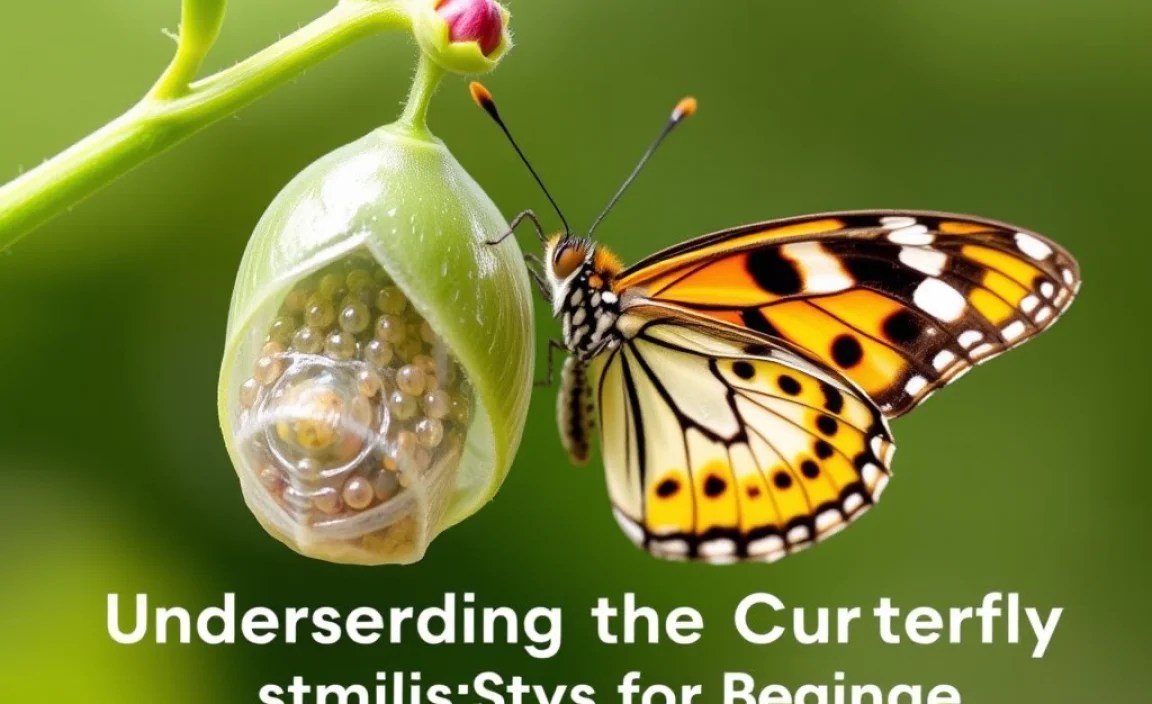
The chrysalis stage is amazing. It is when the caterpillar transforms. It turns into a butterfly. This process is called metamorphosis. The caterpillar hangs upside down. It forms a hard shell. This shell is called a chrysalis. Inside the chrysalis, big changes happen. The caterpillar’s body breaks down. It then rebuilds itself into a butterfly. This takes about a week or two. During this time, the chrysalis might change color. It might become clear. You can see the butterfly inside. It is a magical process to watch. For painted lady butterfly for beginners, the chrysalis stage is fascinating.
- The caterpillar hangs upside down before forming a chrysalis.
- The chrysalis is a hard, protective shell.
- Inside, the caterpillar transforms into a butterfly.
- The chrysalis might change color during this time.
- This stage lasts about one to two weeks.
It is important not to disturb the chrysalis. Let it hang naturally. If it falls, you can try to reattach it. Use a small piece of tape. Gently tape it to a twig. Make sure the tape does not touch the chrysalis itself. The chrysalis needs to be in a safe place. It needs to be protected from predators. It also needs to be protected from extreme temperatures. Keep the habitat in a stable environment. This will help the butterfly develop properly. Watching the chrysalis stage is a lesson in patience. It shows you the power of nature. For painted lady butterfly for beginners, it’s a time of wonder.
Fun Fact or Stat: The word “chrysalis” comes from the Greek word for “gold,” because some chrysalises have a golden color!
What Do I Do If the Chrysalis Falls?
Sometimes, the chrysalis falls. This can be worrying. But don’t panic! You can fix it. Gently pick up the chrysalis. Find a small twig or stick. Use a small piece of tape. Tape the top of the chrysalis to the twig. Make sure the tape does not touch the chrysalis itself. Hang the twig inside the habitat. Make sure the chrysalis is hanging upside down. This is the natural position. If you can’t reattach it, place the chrysalis on a soft surface. Check on it regularly. For painted lady butterfly for beginners, reattaching the chrysalis is important.
How Do I Know If the Butterfly Is Ready to Emerge?
Knowing when the butterfly will emerge is exciting. The chrysalis will change color. It will become clear. You will see the butterfly inside. The wings will be visible. This means the butterfly is almost ready. Be patient. It can take a few hours. The butterfly will push its way out of the chrysalis. It will hang upside down. Its wings will be crumpled. This is normal. The butterfly will pump fluid into its wings. This will make them expand. For painted lady butterfly for beginners, watching this is a special moment.
Should I Mist the Chrysalis?
Yes, misting the chrysalis is a good idea. Misting helps keep it moist. This is important for the butterfly inside. Use a spray bottle. Fill it with water. Gently mist the chrysalis. Do this every day. Be careful not to over-mist. Too much water can be harmful. The chrysalis should be damp, not wet. Misting helps the butterfly emerge easily. It also prevents it from drying out. For painted lady butterfly for beginners, misting is a simple task.
Releasing Your Painted Lady Butterfly for Beginners

Releasing your butterfly is the final step. It is a rewarding part of raising painted lady butterflies for beginners. Choose a warm, sunny day. Make sure there are flowers nearby. Butterflies need nectar from flowers. Nectar is their food. Take the habitat outside. Open the container. Gently encourage the butterfly to come out. It might fly away right away. Or, it might stay for a while. Let it explore its new world. Watch it fly away. It is a beautiful sight. You have helped a butterfly live and thrive. This is a great accomplishment.
| Consideration | Description | Why It Matters |
|---|---|---|
| Weather | Warm, sunny, and calm conditions. | Butterflies need warmth to fly. |
| Time of Day | Mid-morning to early afternoon. | This is when butterflies are most active. |
| Location | Near flowers and plants that provide nectar. | Butterflies need food to survive. |
| Safety | Away from roads, predators, and pesticides. | Ensures the butterfly’s survival. |
Before you release your butterfly, check the area. Make sure there are no dangers. Look for cars, cats, or other predators. These can harm the butterfly. Also, make sure there are no pesticides. Pesticides are harmful to butterflies. Choose a safe spot for release. A garden is a good choice. A park is also a good choice. Any place with flowers and plants is ideal. Releasing painted lady butterflies for beginners is a special moment. It is a chance to give back to nature. It is also a chance to see the beauty of life.
Fun Fact or Stat: Butterflies can only see red, green, and yellow!
When Is the Best Time to Release My Butterfly?
The best time to release your butterfly is mid-morning. The sun is warm. The air is calm. Butterflies are most active at this time. They need warmth to fly. Avoid releasing them in the evening. It can be too cold. Also, avoid releasing them on rainy days. Rain can damage their wings. Choose a sunny morning. This will give your butterfly the best start. For painted lady butterfly for beginners, timing is everything.
Where Should I Release My Butterfly?
Location is key for a successful release. Choose a place with flowers. Butterflies need nectar. Nectar is their food. A garden is a great choice. A park is also good. Look for plants like milkweed and butterfly bush. These plants attract butterflies. Avoid releasing them near roads. Cars can be dangerous. Also, avoid releasing them near factories. Pollution can be harmful. Choose a safe and natural location. For painted lady butterfly for beginners, location is important.
How Do I Know My Butterfly Will Survive?
You can’t guarantee survival. But you can give it the best chance. Release it in a good location. Make sure there are flowers. Release it at the right time. Make sure it is warm and sunny. Check for predators. Make sure there are no dangers. Butterflies are delicate creatures. They face many challenges. But by releasing them carefully, you are helping them. You are giving them a chance to thrive. For painted lady butterfly for beginners, doing your best is enough.
Troubleshooting Common Issues for Painted Lady Butterfly for Beginners
Sometimes, things go wrong. This is normal. Don’t worry. There are solutions. If your caterpillars are not eating, check the food. Make sure it is fresh. If your chrysalis falls, reattach it. If your butterfly won’t fly, give it time. It might need to rest. If you see mold, clean the habitat. These are common problems. They are easy to fix. Raising painted lady butterflies for beginners can be tricky. But with a little patience, you can overcome any challenge.
- Caterpillars not eating: Check food freshness.
- Chrysalis falls: Reattach it carefully.
- Butterfly won’t fly: Give it time to rest.
- Mold in habitat: Clean the container.
- Caterpillars dying: Ensure proper conditions.
The most important thing is to stay calm. Observe your butterflies closely. Learn from your mistakes. Ask for help if you need it. There are many resources available. You can find information online. You can also talk to experts. Raising butterflies is a learning experience. It teaches you about nature. It also teaches you about yourself. For painted lady butterfly for beginners, persistence is key. Don’t give up. You can do it!
Fun Fact or Stat: A group of butterflies is called a flutter!
My Caterpillars Are Not Eating, What Should I Do?
Caterpillars not eating is a common problem. First, check the food. Is it fresh? Is it moldy? Replace the food every day. Use fresh leaves or caterpillar food. Make sure the food is moist. Caterpillars need water. Also, check the temperature. Is it too hot or too cold? Caterpillars like it warm. If the food and temperature are fine, be patient. Sometimes, caterpillars just need time. For painted lady butterfly for beginners, fresh food is vital.
My Chrysalis Is Turning Black, Is This Normal?
A black chrysalis can be worrying. Sometimes, it is normal. The chrysalis changes color as the butterfly develops. But sometimes, black means there is a problem. Check for signs of disease. Look for mold or unusual spots. If the chrysalis is soft or mushy, it might be dead. If you are not sure, consult an expert. A healthy chrysalis should be firm and green or brown. For painted lady butterfly for beginners, monitor the chrysalis closely.
My Butterfly Won’t Fly After Emerging, Why?
A butterfly that won’t fly is frustrating. Give it time. It needs to pump fluid into its wings. This can take several hours. Make sure the wings are fully expanded. If the wings are crumpled, it might have a problem. Check the humidity. Dry air can prevent the wings from expanding. Mist the habitat gently. Offer it some nectar. Mix honey and water. Put it on a sponge. If it still won’t fly, there might be a wing injury. For painted lady butterfly for beginners, patience is important.
Summary
Raising painted lady butterflies for beginners is a fun and educational project. You can watch them grow from tiny eggs to beautiful butterflies. It teaches you about nature and responsibility. Setting up the right habitat is important. You need a safe and clean place for them to live. Feeding them the right food is also important. They need special caterpillar food or fresh leaves. The chrysalis stage is amazing. The caterpillar transforms into a butterfly inside. Releasing your butterfly is the final step. Choose a warm, sunny day with flowers nearby. Enjoy the experience of helping a butterfly thrive.
Conclusion
Raising painted lady butterflies is an adventure. It is a great way to learn about nature. It is also a way to help the environment. These butterflies are easy to care for. You can watch them grow and change. It is a rewarding experience. You will learn about the life cycle. You will learn about responsibility. And you will see the beauty of nature firsthand. Give it a try! Raising painted lady butterfly for beginners is a fun and educational experience.
Frequently Asked Questions
Question No 1: How long does it take for a painted lady butterfly to hatch from its chrysalis?
Answer: It usually takes about 7 to 14 days for a painted lady butterfly to emerge from its chrysalis. The exact time can depend on the temperature and humidity. Warmer temperatures may speed up the process. Cooler temperatures may slow it down. You’ll know it’s almost time when the chrysalis becomes clear. You will then be able to see the butterfly’s wings inside. Be patient and watch closely. The emergence is a beautiful sight. It is a great learning experience for beginners to understand the butterfly life cycle. Make sure the habitat is misted to maintain humidity.
Question No 2: What do I do if my painted lady butterfly emerges with crumpled wings?
Answer: If your painted lady butterfly emerges with crumpled wings, don’t panic. This is quite common. The butterfly needs time to pump fluid into its wings. This will help them expand and straighten out. It usually takes a few hours. Make sure the humidity in the habitat is high enough. You can gently mist the habitat with water. This will help the wings expand. Avoid touching the butterfly’s wings. They are very delicate. If the wings don’t straighten out after 24 hours, there might be a problem. In most cases, the butterfly will be fine. Just give it time and space. Learning about painted lady butterfly for beginners requires understanding this process.
Question No 3: Can I keep my painted lady butterfly as a pet?
Answer: While it might be tempting, it’s best not to keep a painted lady butterfly as a pet. These butterflies are meant to live in the wild. They need to fly freely and find their own food. Keeping them in a cage would limit their natural behaviors. Instead, enjoy watching them in your garden. Plant flowers that attract butterflies. This will provide them with nectar. Releasing them into their natural environment is the kindest thing to do. For painted lady butterfly for beginners, remember that they are part of the ecosystem. They need to be free to play their role in pollination and other natural processes.
Question No 4: What kind of flowers do painted lady butterflies like?
Answer: Painted lady butterflies love a variety of flowers. They are attracted to colorful blooms that provide nectar. Some of their favorites include butterfly bushes, zinnias, coneflowers, and asters. Planting these flowers in your garden will attract painted lady butterflies. It will provide them with a food source. Make sure to choose flowers that are native to your area. Native plants are best suited to the local environment. They are also more attractive to native butterflies. Providing a diverse range of flowers will ensure that your butterflies have plenty to eat. This is a key part of helping painted lady butterfly for beginners.
Question No 5: How do I protect my painted lady butterflies from predators?
Answer: Protecting your painted lady butterflies from predators is important. Birds, spiders, and other insects can prey on butterflies. To protect them, provide shelter in your garden. Plant dense shrubs and trees. This will give them a place to hide. Avoid using pesticides. Pesticides can harm or kill butterflies. Encourage natural predators of butterfly predators. Ladybugs and lacewings eat aphids. They can also help control other pests. Check your plants regularly for caterpillars and chrysalises. Remove any that are in danger. Helping painted lady butterfly for beginners means creating a safe environment.
Question No 6: Can I raise painted lady butterflies indoors all year round?
Answer: You can raise painted lady butterflies indoors. However, you will need to provide the right conditions. Butterflies need sunlight, warmth, and humidity. A butterfly habitat with a light source can work. You’ll also need to provide them with nectar. A honey-water solution on a sponge works well. Keep in mind that butterflies have a natural migration cycle. Releasing them outdoors when the weather is warm is ideal. If you keep them indoors, they may not live as long. Raising painted lady butterfly for beginners is easier during warmer months. This is when their natural environment is more suitable.


