How to Identify Swallowtail Families: Easy Guide

Have you ever seen a butterfly so big it looks like it could be a bird? It might have been a swallowtail! These butterflies are super cool. They are known for their beautiful colors and patterns. But how to identify swallowtail families can be tricky. They come in different shapes and sizes. Let’s learn how to spot these amazing insects.
Imagine you’re in a garden. Bright yellow and black wings flutter by. Is it a monarch? Nope! It could be a swallowtail. These butterflies have special tails on their wings. That’s how they got their name! Some are big and showy. Others are small and hard to see. Learning about them is like becoming a butterfly detective.
Swallowtails are not just pretty faces. They play a big part in nature. They help flowers make seeds. Birds and other animals eat them. Knowing how to identify swallowtail families helps us protect them. Are you ready to become a butterfly expert?
Key Takeaways
- Swallowtails have distinct “tails” on their hindwings, aiding in easy identification.
- Color and size vary greatly among swallowtail families, offering key clues.
- Observe wing patterns, like stripes or spots, to differentiate swallowtail types.
- Consider location; certain swallowtail families live in specific regions.
- Knowing how to identify swallowtail families helps protect these butterflies.
How to Identify Swallowtail Butterfly Types

Identifying swallowtail butterflies involves looking closely. Size, color, and wing shape are important clues. The “tails” on their hindwings are a key feature. But not all swallowtails have long tails. Some have short ones, or none at all! Colors can range from bright yellow to deep black. Some have spots or stripes. Others have iridescent patches. These patterns can help you figure out what kind of swallowtail you are seeing. Watch where you find the butterfly. Some types live only in certain areas. Using these clues makes finding the right swallowtail easier.
- Check the length of the “tails” on the hindwings.
- Note the main colors and patterns on the wings.
- Consider the size of the butterfly.
- Look for any unique markings or spots.
- Observe the butterfly’s behavior, like how it flies.
- Take a picture to help you identify it later.
Think of it like solving a puzzle. Each clue helps you get closer to the answer. The shape of the wings, the colors, and the location all matter. Some swallowtails mimic other butterflies to protect themselves. This means they look like a butterfly that birds don’t like to eat! This can make it harder to identify them. But don’t give up! With practice, you’ll become a pro at identifying swallowtail butterflies. You will know all the tricks to spot the differences between the families. Keep exploring and have fun learning about these amazing creatures.
Fun Fact or Stat: The Giant Swallowtail is the largest butterfly in North America!
What Wing Patterns Do They Have?
Have you noticed how different butterflies have different wing patterns? Some have stripes, others have spots. Some are all one color. Swallowtail wings can have many patterns. They can be bright and bold or soft and subtle. Some have tiger stripes, like the Eastern Tiger Swallowtail. Others have rows of colorful spots. The Pipevine Swallowtail is dark with iridescent blue. These patterns are not just for show. They help the butterfly attract mates. They also help them hide from predators. By looking at the wing patterns, we can tell different types apart. It’s like each pattern tells a story about the butterfly.
Where Do They Live?
Imagine a world where butterflies live in specific places. Some like warm, sunny gardens. Others prefer cool, shady forests. Where a butterfly lives can help you identify it. Some swallowtails live only in North America. Others live in Asia or Africa. The Anise Swallowtail lives in the western United States. You’ll find it near plants like fennel and parsley. The Zebra Swallowtail lives in the eastern United States. It likes areas with pawpaw trees. Knowing where a butterfly lives is a big clue. It helps narrow down the possibilities. So, pay attention to the habitat when you’re looking for swallowtails.
How Big Are They?
Did you know that butterflies come in all sizes? Some are tiny, like your fingernail. Others are as big as your hand! Swallowtails are among the largest butterflies. But even within swallowtails, there’s a big range. The Spicebush Swallowtail is medium-sized. The Giant Swallowtail is one of the biggest. Size can be a helpful clue when identifying them. If you see a huge butterfly with long tails, it’s likely a Giant Swallowtail. If it’s smaller and has bright yellow stripes, it might be an Eastern Tiger Swallowtail. So, keep an eye on the size. It’s another piece of the butterfly puzzle.
Understanding Swallowtail Butterfly Colors
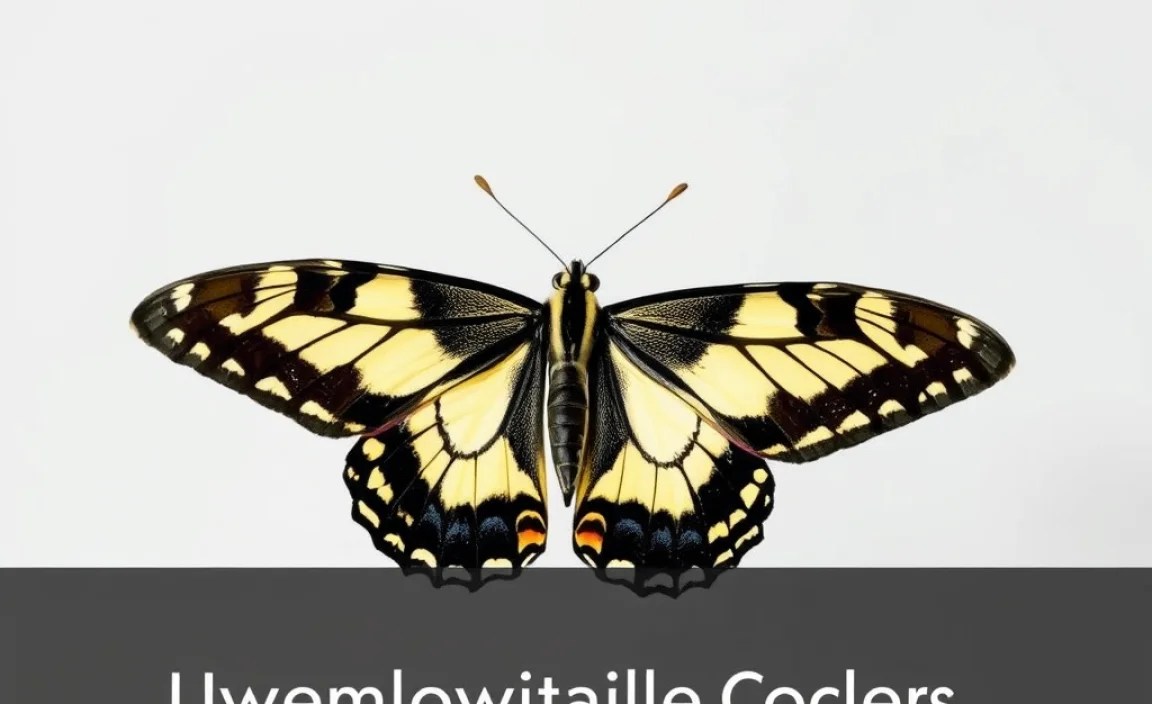
Colors are super important when learning about swallowtail butterflies. Think of colors as a secret code. Each color tells you something different about the butterfly. Some swallowtails are bright yellow, like sunshine. Others are deep black, like night. Some have spots of red, blue, or green. These colors aren’t just pretty. They help the butterflies in many ways. They can attract mates. They can warn predators that they taste bad. They can even help them blend in with their surroundings. So, when you see a swallowtail, pay close attention to its colors. It’s like reading a colorful story about the butterfly’s life.
- Yellow swallowtails often have black stripes or spots.
- Black swallowtails may have iridescent blue or green markings.
- Some swallowtails mimic poisonous butterflies with bright colors.
- Color patterns can vary between males and females.
- Location influences color; some colors blend with local plants.
- Caterpillar food can affect the adult butterfly’s color.
Imagine you are an artist. You have a palette of colors to choose from. Butterflies use colors in a similar way. They create beautiful patterns. These patterns help them survive. The Eastern Tiger Swallowtail uses yellow and black. This helps it stand out and attract mates. The Pipevine Swallowtail uses dark colors and iridescence. This helps it blend in with shady areas. Color is a powerful tool for butterflies. It’s also a great tool for us when we are learning about swallowtail butterflies. It will help you identify them.
Fun Fact or Stat: Some female swallowtails have different color forms to avoid being eaten by predators!
Why Are They Different Colors?
Have you ever wondered why butterflies are different colors? It’s not just to look pretty! Color plays a big role in their lives. Some colors help them attract mates. Bright colors can signal that they are ready to reproduce. Other colors help them hide from predators. Dull colors can help them blend in with leaves or bark. Some butterflies even mimic other, poisonous butterflies. They copy their colors to trick predators into avoiding them. So, the next time you see a butterfly, think about why it might be that color. It’s all part of their survival strategy.
Do Males and Females Have Different Colors?
Sometimes, male and female butterflies look very different. This is called sexual dimorphism. In some swallowtail species, males are brightly colored. Females are duller or have different patterns. For example, male Eastern Tiger Swallowtails are always yellow with black stripes. But some females can be black! These different colors help them attract mates. They also help females blend in and hide from predators when they lay eggs. So, if you see two swallowtails that look different, they might be a male and a female of the same species.
Can Their Food Change Their Color?
Believe it or not, what a caterpillar eats can affect the color of the adult butterfly! Caterpillars get pigments from the plants they eat. These pigments can show up in the butterfly’s wings. For example, if a caterpillar eats a lot of plants with yellow pigments, the butterfly might have brighter yellow wings. This is one reason why it’s important to protect the plants that caterpillars need. By providing the right food, we can help them develop their beautiful colors. It’s like giving them the ingredients for a masterpiece.
Examining Swallowtail Butterfly Wing Shape
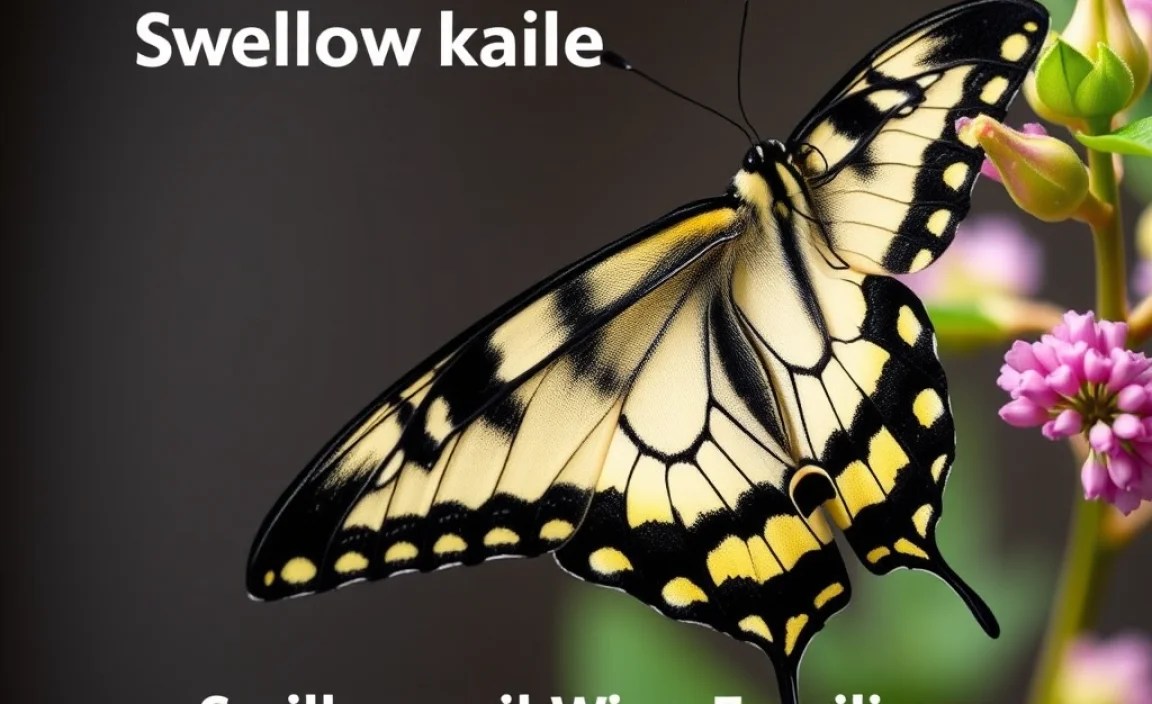
Wing shape is a key part of how to identify swallowtail families. Imagine butterfly wings as airplane wings. Different shapes help them fly in different ways. Some swallowtails have long, narrow wings. These are good for fast, direct flight. Others have broader, rounder wings. These are better for fluttering and maneuvering. The “tails” on the hindwings are also part of the wing shape. Some swallowtails have long, elegant tails. Others have short, stubby ones. And some have no tails at all! By looking at the overall shape of the wings, we can get a good clue about what kind of swallowtail we are seeing.
- Long, narrow wings indicate fast flight.
- Round wings suggest a more fluttering flight pattern.
- Tails can be long, short, or absent.
- Some wings have scalloped edges.
- Wing shape helps butterflies mimic other species.
- Damage to wing shape affects flight ability.
Think of wing shape as a butterfly’s fingerprint. Each species has a unique wing shape. This shape is adapted to its lifestyle. Butterflies that migrate long distances have strong, streamlined wings. Butterflies that live in dense forests have wings that help them maneuver through trees. The Zebra Swallowtail has long, narrow wings that help it fly quickly. The Spicebush Swallowtail has broader wings that help it blend in with leaves. So, pay attention to the wing shape when learning about swallowtail butterflies. It will tell you a lot about their habits and where they live.
Fun Fact or Stat: The shape of a butterfly’s wing can affect how well it can escape from predators!
What Do the Tails Look Like?
The “tails” on swallowtail wings are a special feature. They’re like little flags that extend from the hindwings. Some tails are long and graceful. They trail behind the butterfly as it flies. Other tails are short and stubby. They look more like little nubs. And some swallowtails don’t have tails at all! Scientists think tails might help butterflies distract predators. A bird might grab at the tail instead of the body. This gives the butterfly a chance to escape. The length and shape of the tails can vary a lot. So, it’s an important thing to look at when identifying swallowtails.
Are the Wing Edges Smooth or Jagged?
Take a close look at the edges of a butterfly’s wings. Are they smooth and even? Or are they jagged and scalloped? Some swallowtails have smooth wing edges. This gives them a streamlined look. Others have jagged edges. This can help them blend in with leaves and bark. The Black Swallowtail has slightly scalloped wing edges. This helps it look like a piece of dead leaf. The Eastern Tiger Swallowtail has smoother edges. So, pay attention to the wing edges. It’s another detail that can help you identify different species.
How Does Wing Shape Affect Flight?
The shape of a butterfly’s wings has a big impact on how it flies. Long, narrow wings are good for fast, direct flight. They help the butterfly conserve energy when flying long distances. Broad, round wings are better for fluttering and maneuvering. They allow the butterfly to make quick turns and hover in place. The Zebra Swallowtail has long, narrow wings. This helps it fly quickly to find nectar. The Spicebush Swallowtail has broader wings. This helps it fly through the dense forest undergrowth. So, wing shape is all about adapting to the butterfly’s environment.
Comparing Common Swallowtail Families
How to identify swallowtail families becomes easier when comparing them. Imagine you have a group of friends. Each friend has different features. Some are tall, some are short. Some have curly hair, some have straight hair. It’s the same with swallowtail families. Each family has its own unique characteristics. Some families are known for their bright colors. Others are known for their large size. By comparing these features, you can learn to tell them apart. This table shows some key features of different swallowtail families.
| Family | Color | Size | Tail Length | Habitat |
|---|---|---|---|---|
| Eastern Tiger Swallowtail | Yellow with black stripes | Large | Long | Eastern North America |
| Black Swallowtail | Black with yellow spots | Medium | Short | North America |
| Spicebush Swallowtail | Dark with green/blue | Medium | Long | Eastern North America |
| Giant Swallowtail | Brown with yellow markings | Very Large | Short | Southern North America |
Think of this table as a cheat sheet. It gives you the basic information you need to identify common swallowtail families. But remember, there’s always variation within a family. Some individuals might be slightly different from the norm. So, don’t rely on just one feature. Look at the whole picture. Consider the color, size, tail length, and habitat. By using all these clues, you’ll become a swallowtail expert in no time!
Fun Fact or Stat: Swallowtail butterflies are found on every continent except Antarctica!
- Eastern Tiger Swallowtails are known for their yellow and black stripes.
- Black Swallowtails often have blue spots on their hindwings.
- Spicebush Swallowtails are named after the plant they eat.
- Giant Swallowtails are the largest butterflies in North America.
- Location is crucial; some families are regional.
- Caterpillar host plants are important indicators.
What Makes Each Family Unique?
Every family of swallowtail butterflies has its own special features. The Eastern Tiger Swallowtail is famous for its bold yellow and black stripes. These stripes help it stand out in sunny meadows. The Black Swallowtail is known for its dark wings and colorful spots. The Spicebush Swallowtail is named after the spicebush plant. Its caterpillars eat these leaves. The Giant Swallowtail is the biggest butterfly in North America. Its large size makes it easy to spot. These differences are what make each family unique and interesting. Learning about these features helps us understand the diversity of swallowtail butterflies.
How Do Their Habitats Differ?
Swallowtail families live in different habitats. The Eastern Tiger Swallowtail prefers open woodlands and meadows. You’ll often see it fluttering around sunny areas. The Black Swallowtail is more adaptable. It can live in gardens, fields, and even urban areas. The Spicebush Swallowtail lives in shady forests. It needs spicebush plants to survive. The Giant Swallowtail prefers warm, subtropical areas. It’s often found in citrus groves. These habitat preferences are important clues. They can help you identify which family you’re seeing.
Are There Similarities Between Them?
Even though swallowtail families are different, they also share some similarities. All swallowtails have “tails” on their hindwings, though the length varies. They all have similar body shapes. They all go through the same life cycle: egg, caterpillar, pupa, and adult. They all drink nectar from flowers. These similarities show that they are all part of the same group. They are all related to each other. But their differences are what make them so fascinating.
Using Location to Identify Swallowtail Butterflies
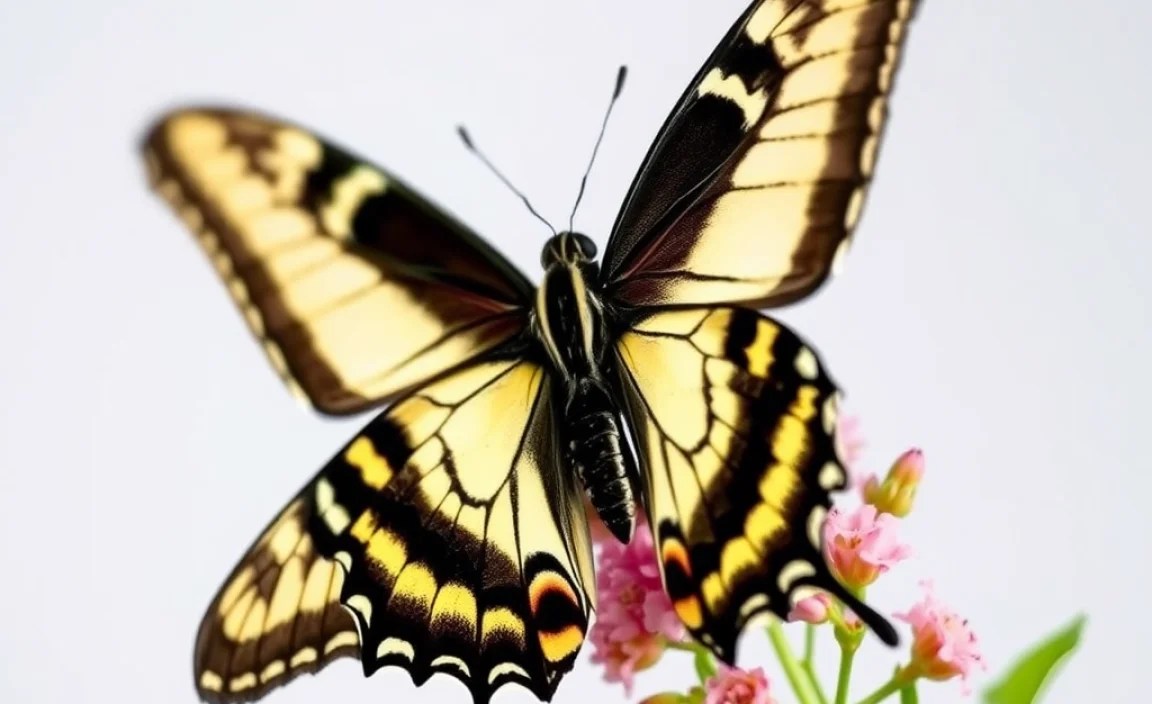
Location is a powerful tool for how to identify swallowtail families. Imagine you’re playing a treasure hunt. The first clue tells you the city where the treasure is hidden. The second clue tells you the street. The third clue tells you the building. Location works the same way with swallowtails. Knowing where a butterfly lives narrows down the possibilities. Some swallowtails live only in certain regions. Others are found across the whole country. The Zebra Swallowtail lives only in the eastern United States. If you see a butterfly with zebra stripes in California, it’s not a Zebra Swallowtail! The Anise Swallowtail lives in the western United States. So, pay attention to where you are when you see a swallowtail. It’s a big clue to its identity.
- Some swallowtails are only found in specific regions.
- Climate influences butterfly distribution.
- Host plants limit where some swallowtails can live.
- Urban areas can support some swallowtail species.
- Migration patterns affect location at certain times.
- Check range maps in field guides.
Think of location as a filter. It helps you sort through the possibilities. If you’re in Florida, you’re more likely to see a Giant Swallowtail. If you’re in Maine, you’re more likely to see a Canadian Tiger Swallowtail. But remember, butterflies can sometimes wander outside their normal range. So, don’t rely on location alone. Use it along with other clues, like color, size, and wing shape. By combining all these clues, you’ll be able to identify swallowtail butterflies with confidence. You will know how to find them.
Fun Fact or Stat: Some swallowtail butterflies migrate long distances, just like birds!
Do Some Live Only in Certain Areas?
Yes, some swallowtail butterflies are only found in specific areas. These areas are called their range. The Zebra Swallowtail, for example, lives only in the eastern United States. It needs pawpaw trees to survive. Its caterpillars eat pawpaw leaves. The Anise Swallowtail lives in the western United States. It needs anise plants to survive. These limited ranges make it easier to identify them. If you see a Zebra Swallowtail, you know you’re in the eastern United States.
How Does Climate Affect Where They Live?
Climate plays a big role in where butterflies can live. Some butterflies need warm temperatures to survive. Others can tolerate cooler temperatures. The Giant Swallowtail lives in warm, subtropical areas. It can’t survive in cold climates. The Canadian Tiger Swallowtail lives in cooler, northern areas. It can tolerate freezing temperatures. Climate affects the types of plants that grow in an area. This also affects the butterflies that can live there. So, climate is a major factor in butterfly distribution.
Can They Move to New Areas?
Sometimes, butterflies can move to new areas. This can happen for a few reasons. Climate change can make new areas suitable for them. Humans can introduce them to new areas accidentally. Butterflies can also simply wander outside their normal range. This is called vagrancy. If a butterfly establishes a new population in an area, it’s called colonization. So, while location is a helpful clue, it’s not always a guarantee. Butterflies can surprise us by showing up in unexpected places.
Using Host Plants to Identify Swallowtails
Host plants are a secret weapon in how to identify swallowtail families. What is a host plant? It’s the plant that a caterpillar eats. Butterfly caterpillars are picky eaters. Each type of caterpillar eats only certain types of plants. The Black Swallowtail caterpillar eats plants in the parsley family. This includes parsley, dill, and fennel. The Spicebush Swallowtail caterpillar eats spicebush and sassafras. If you see a swallowtail butterfly laying eggs on a certain plant, that’s a big clue. It tells you what kind of caterpillar will be eating that plant. By knowing the host plants, you can narrow down the possibilities and identify the swallowtail.
- Caterpillars eat specific host plants.
- Black Swallowtails like parsley, dill, and fennel.
- Spicebush Swallowtails need spicebush or sassafras.
- Monarchs rely on milkweed.
- Look for eggs or caterpillars on host plants.
- Learn local plant life to identify butterflies.
Think of host plants as a butterfly’s kitchen. It’s where they get their food. The type of food they eat tells you a lot about them. If you see a caterpillar munching on milkweed, it’s almost certainly a monarch. If you see a caterpillar munching on parsley, it’s likely a Black Swallowtail. Host plants are especially helpful for identifying caterpillars. Caterpillars can be tricky to identify. But if you know what plant they’re eating, it makes it much easier. So, pay attention to the plants around you when you’re looking for butterflies. It’s like finding the key to unlock their identity.
Fun Fact or Stat: Some butterflies are so specialized that their caterpillars can only eat one type of plant!
What Plants Do Their Caterpillars Eat?
Butterfly caterpillars are picky eaters. Each type of caterpillar eats only certain plants. These plants are called host plants. Black Swallowtail caterpillars eat plants in the parsley family. This includes parsley, dill, fennel, and carrots. Spicebush Swallowtail caterpillars eat spicebush and sassafras. Monarch caterpillars eat milkweed. Zebra Swallowtail caterpillars eat pawpaw. These host plant preferences are essential for their survival. Without the right host plant, the caterpillars can’t grow and develop.
How Can You Find Host Plants?
Finding host plants is like going on a treasure hunt. You need to know what you’re looking for. Start by learning about the butterflies in your area. Find out what plants their caterpillars eat. Then, go out and look for those plants. You can find them in gardens, parks, and natural areas. Look for signs of caterpillars. These include chewed leaves, droppings, and of course, the caterpillars themselves. Once you find a host plant, you’re likely to find the butterflies that depend on it.
Do Butterflies Only Lay Eggs on Host Plants?
Yes, butterflies are very careful about where they lay their eggs. They only lay eggs on or near their host plants. This ensures that the caterpillars will have a food source when they hatch. Butterflies have special sensors on their feet that help them identify the right plants. They can taste the plant and make sure it’s the right one for their caterpillars. This is why it’s so important to protect host plants. Without them, butterflies can’t reproduce.
Observing Swallowtail Butterfly Behavior
Butterfly behavior is another clue for how to identify swallowtail families. Think of butterflies as having their own personalities. Some are shy and retiring. Others are bold and outgoing. Some flutter around quickly. Others glide gracefully. Some visit many different flowers. Others stick to just a few. The way a butterfly behaves can tell you a lot about it. For example, some swallowtails are known for their fast, erratic flight. Others are known for their slow, graceful soaring. By watching how a butterfly moves and interacts with its environment, you can get a better sense of what kind of butterfly it is.
- Flight patterns vary between species.
- Some are fast fliers; others glide.
- Feeding habits differ; some like specific flowers.
- Mating rituals can be unique.
- Territorial behavior helps identify species.
- Sunbathing habits can be observed.
Imagine you’re a butterfly detective. You’re watching a butterfly to gather clues. How does it fly? Does it flutter quickly or glide slowly? What kind of flowers does it visit? Does it stay in one area or move around a lot? Is it interacting with other butterflies? All these observations can help you identify the butterfly. For example, some swallowtails are very territorial. They will chase away other butterflies that come into their area. Others are more social and will gather in groups. By paying attention to these behaviors, you can learn about swallowtail butterflies and tell them apart more easily.
Fun Fact or Stat: Some swallowtail butterflies can fly up to 30 miles per hour!
How Do They Fly?
The way a butterfly flies is called its flight pattern. Some butterflies are fast fliers. They zip around quickly and erratically. Others are slow fliers. They glide gracefully through the air. Swallowtails can have different flight patterns depending on the species. Some are known for their fast, powerful flight. Others are known for their slow, fluttering flight. The Zebra Swallowtail is a fast flier. It needs to move quickly to find nectar. The Spicebush Swallowtail is a slower flier. It prefers to glide through the shady forest.
What Flowers Do They Visit?
Butterflies drink nectar from flowers. Nectar is a sweet liquid that provides them with energy. Different butterflies prefer different flowers. Some are generalists. They will visit any flower that has nectar. Others are specialists. They only visit certain types of flowers. Swallowtails tend to be generalists. They will visit a variety of flowers. But some have preferences. Black Swallowtails often visit flowers in the parsley family. Spicebush Swallowtails often visit spicebush flowers. By observing which flowers a butterfly visits, you can get a clue about its identity.
Are They Social or Solitary?
Some butterflies are social. They gather in groups and interact with each other. Others are solitary. They prefer to be alone. Swallowtails are generally solitary. But sometimes they can be seen in groups. This is especially true during migration. When butterflies are migrating, they may gather in large numbers to fly together. But for the most part, swallowtails prefer to be on their own. They are more likely to be seen flitting around alone in search of nectar.
Summary
How to identify swallowtail families involves looking at many things. Color, size, and wing shape are important clues. The “tails” on their hindwings are a key feature. But not all swallowtails have long tails. Where you find the butterfly matters too. Some types live only in certain areas. Host plants are also helpful. Caterpillars eat only certain plants. Butterfly behavior is another clue. Some fly fast, others glide. By using all these clues, you can become a butterfly expert. You will know all the tricks to spot the differences between the families. Keep exploring and have fun learning about these amazing creatures.
Conclusion
Learning how to identify swallowtail families is a fun adventure. We looked at colors, shapes, locations, and behaviors. Each clue helps us solve the butterfly puzzle. Keep exploring your backyard and local parks. Practice spotting these amazing insects. The more you learn, the more you’ll appreciate them. Protecting these beautiful creatures starts with understanding them. So, keep your eyes open and keep learning!
Frequently Asked Questions
Question No 1: What are the key features to look for when identifying swallowtail butterflies?
Answer: Identifying swallowtail butterflies involves several key features. First, look for the “tails” on their hindwings. These are a defining characteristic of swallowtails, although some species have very short tails or none at all. Next, observe the size and color patterns of the wings. Swallowtails can range from bright yellow to deep black, often with distinctive stripes, spots, or iridescent markings. Finally, consider the location where you find the butterfly, as certain species are more common in specific regions. Paying attention to these details is essential for learning about swallowtail butterflies.
Question No 2: How do wing patterns help in identifying different swallowtail families?
Answer: Wing patterns are a crucial aspect of identifying different swallowtail families. Each family often exhibits unique patterns that distinguish it from others. For example, the Eastern Tiger Swallowtail is known for its bold yellow wings with black stripes, while the Black Swallowtail typically has black wings with rows of yellow spots and iridescent blue markings. The Pipevine Swallowtail, on the other hand, is recognized by its dark wings with iridescent blue or green hues. By carefully observing these patterns, you can narrow down the possibilities and accurately identify the swallowtail family you are observing.
Question No 3: What role does location play in identifying swallowtail butterflies?
Answer: Location is a significant factor in identifying swallowtail butterflies. Certain species are endemic to specific regions, meaning they are only found in those areas. For instance, the Zebra Swallowtail is primarily found in the eastern United States, while the Anise Swallowtail is more common in the western part of the country. Climate and the availability of host plants also influence where swallowtails can thrive. By knowing the geographic distribution of different species, you can significantly narrow down the possibilities and improve your accuracy in learning about swallowtail butterflies.
Question No 4: How do host plants help in identifying swallowtail butterflies?
Answer: Host plants play a vital role in identifying swallowtail butterflies because caterpillars are highly selective about what they eat. Different swallowtail species rely on specific host plants for their caterpillars to feed on. For example, Black Swallowtail caterpillars primarily eat plants in the parsley family, such as parsley, dill, and fennel. Spicebush Swallowtail caterpillars feed on spicebush and sassafras. By observing which plants a butterfly lays its eggs on or which plants caterpillars are feeding on, you can gain valuable clues about the species’ identity. This makes how to identify swallowtail families easier.
Question No 5: Are there any resources available to help identify swallowtail butterflies?
Answer: Yes, there are numerous resources available to assist in identifying swallowtail butterflies. Field guides are an excellent starting point, providing detailed descriptions, illustrations, and range maps for different species. Websites and apps dedicated to butterfly identification can also be incredibly helpful, offering photos, videos, and interactive tools. Additionally, local butterfly clubs and nature centers often host workshops and guided walks, providing opportunities to learn from experienced enthusiasts and experts in the field. Using these resources will help you in learning about swallowtail butterflies.
Question No 6: Can swallowtail butterflies be mistaken for other types of butterflies?
Answer: While swallowtail butterflies have distinctive features, they can sometimes be mistaken for other types of butterflies, especially if you’re a beginner. Some swallowtails mimic other butterfly species to avoid predation, which can further complicate identification. For example, the Spicebush Swallowtail can resemble the Pipevine Swallowtail, and certain female swallowtails have color variations that mimic poisonous butterflies. However, by carefully observing the key characteristics such as tail shape, wing patterns, and behavior, you can minimize the chances of misidentification and accurately differentiate swallowtails from other butterfly species. Knowing how to identify swallowtail families will help.