
Monarch Butterfly in Gardens: Easy Guide!

Attracting monarch butterflies to your garden is easy! You can create a welcoming habitat by planting milkweed for their caterpillars and nectar-rich flowers for adult butterflies. Avoid pesticides and provide a shallow water source to help these beautiful creatures thrive.
Do you dream of seeing vibrant monarch butterflies fluttering around your garden? It’s a wonderful goal! Many gardeners find it tricky to create the right environment for these special insects. But don’t worry, it’s easier than you think. By making a few simple changes, you can transform your backyard into a monarch haven.
In this guide, I’ll walk you through the steps to attract monarch butterflies to your garden. We’ll cover everything from choosing the right plants to providing essential resources. Get ready to welcome these amazing creatures and help them on their incredible journey!
Why Attract Monarch Butterflies to Your Garden?

Monarch butterflies are more than just beautiful; they play a vital role in our ecosystem. As pollinators, they help plants reproduce, contributing to biodiversity and healthy plant life. Unfortunately, monarch populations have declined significantly in recent years due to habitat loss and other factors. By creating a monarch-friendly garden, you can actively support their conservation and enjoy the beauty they bring.
The Importance of Monarch Butterflies
Monarchs are a flagship species, meaning their health reflects the health of the environment. Their decline signals broader ecological problems, such as habitat destruction and pesticide use. When you help monarchs, you also help other pollinators and wildlife.
- Pollination: Monarchs pollinate various flowers as they feed on nectar.
- Ecological Indicator: Their presence indicates a healthy ecosystem.
- Educational Value: They provide opportunities for learning about nature and conservation.
Benefits of a Monarch-Friendly Garden
Creating a garden that supports monarchs offers numerous rewards:
- Beauty: Enjoy the sight of these iconic butterflies in your yard.
- Conservation: Contribute to the survival of a threatened species.
- Education: Learn about the life cycle of monarchs and their needs.
- Environmental Stewardship: Promote biodiversity and healthy ecosystems.
Understanding the Monarch Butterfly Life Cycle

To effectively attract monarchs, it’s essential to understand their life cycle. Monarchs go through four distinct stages: egg, larva (caterpillar), pupa (chrysalis), and adult butterfly. Each stage requires specific resources and conditions.
The Egg Stage
Monarch butterflies lay their eggs exclusively on milkweed plants. The eggs are tiny, cream-colored, and usually found on the underside of milkweed leaves. A single female can lay hundreds of eggs over several weeks.
The Larva (Caterpillar) Stage
Once the egg hatches, a tiny caterpillar emerges. Monarch caterpillars feed exclusively on milkweed leaves. They grow rapidly, molting their skin several times as they develop. This stage lasts about two weeks.
The Pupa (Chrysalis) Stage
After reaching full size, the caterpillar transforms into a chrysalis, a jade-green case with tiny gold dots. Inside the chrysalis, the caterpillar undergoes metamorphosis, transforming into a butterfly. This stage lasts about 10-14 days.
The Adult Butterfly Stage
Finally, an adult monarch butterfly emerges from the chrysalis. Adult monarchs feed on nectar from various flowers, providing them with the energy they need to fly and reproduce. They live for about two to six weeks, except for the migratory generation, which can live for up to nine months.
Step-by-Step Guide to Attracting Monarchs
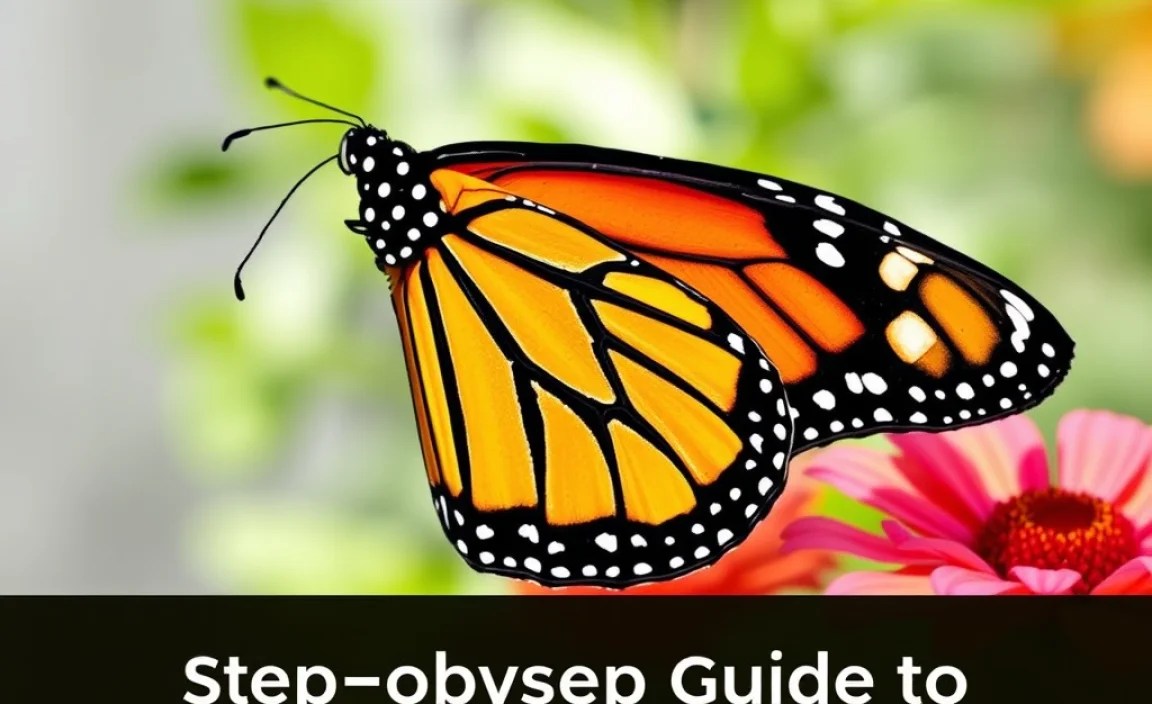
Now that you understand the basics, let’s dive into the practical steps you can take to attract monarch butterflies to your garden.
Step 1: Plant Milkweed
Milkweed is the single most important plant for monarch butterflies. Monarch caterpillars can only eat milkweed leaves. Without milkweed, monarchs cannot complete their life cycle.
- Choose Native Species: Select milkweed species that are native to your region. Native plants are best adapted to local conditions and provide the most nutritional value for monarchs. You can find information on native milkweed species from local nurseries or conservation organizations.
- Plant in Sunny Locations: Milkweed needs at least six hours of sunlight per day. Choose a sunny spot in your garden to plant your milkweed.
- Provide a Variety: Plant several different milkweed species to provide a continuous food source throughout the growing season.
- Avoid Pesticides: Never use pesticides on or near your milkweed plants. Pesticides can harm or kill monarch caterpillars.
| Milkweed Species | Description | Growing Conditions |
|---|---|---|
| Common Milkweed (Asclepias syriaca) | Large leaves, fragrant pink flowers. | Full sun, well-drained soil. |
| Swamp Milkweed (Asclepias incarnata) | Narrow leaves, pink flowers, prefers moist soil. | Full sun, moist soil. |
| Butterfly Weed (Asclepias tuberosa) | Bright orange flowers, drought-tolerant. | Full sun, well-drained soil. |
Step 2: Provide Nectar Sources
Adult monarch butterflies need nectar for energy. Plant a variety of nectar-rich flowers that bloom throughout the growing season to provide a continuous food source.
- Choose Native Flowers: As with milkweed, native flowers are best for monarchs. They are adapted to local conditions and provide the most nectar.
- Plant a Variety: Plant flowers with different colors, shapes, and bloom times to attract a wide range of pollinators.
- Group Flowers Together: Plant flowers in clusters to make it easier for monarchs to find them.
- Avoid Hybrid Flowers: Hybrid flowers often have less nectar than native flowers.
| Nectar Plant | Description | Bloom Time |
|---|---|---|
| Zinnia (Zinnia elegans) | Brightly colored flowers, easy to grow. | Summer to Fall |
| Purple Coneflower (Echinacea purpurea) | Daisy-like flowers with purple petals. | Summer |
| Asters (Symphyotrichum spp.) | Various colors, bloom late in the season. | Fall |
| Goldenrod (Solidago spp.) | Yellow flowers, important late-season nectar source. | Fall |
Step 3: Avoid Pesticides
Pesticides are harmful to monarch butterflies and other pollinators. Avoid using pesticides in your garden, especially on or near milkweed and nectar plants. Even organic pesticides can be harmful, so use them sparingly and only when necessary.
- Use Natural Pest Control Methods: Encourage beneficial insects, such as ladybugs and lacewings, to control pests.
- Handpick Pests: Remove pests by hand when possible.
- Use Insecticidal Soap: If you must use a pesticide, choose insecticidal soap or horticultural oil, which are less harmful to beneficial insects.
- Read Labels Carefully: Always read and follow the instructions on pesticide labels.
Step 4: Provide a Water Source
Monarch butterflies need water to stay hydrated. Provide a shallow water source in your garden, such as a bird bath with pebbles or a dish of water with marbles. The pebbles or marbles provide a place for the butterflies to land and drink without drowning.
- Keep the Water Clean: Change the water regularly to prevent mosquito breeding.
- Add a Pinch of Salt: Adding a pinch of salt to the water can provide essential minerals for butterflies.
- Locate Near Flowers: Place the water source near nectar plants to make it easy for butterflies to find.
Step 5: Provide Shelter
Monarch butterflies need shelter from wind and predators. Plant shrubs and trees to provide a safe haven for them.
- Plant Native Shrubs: Native shrubs provide food and shelter for a variety of wildlife, including monarchs.
- Create a Windbreak: Plant trees or shrubs to create a windbreak that will protect butterflies from strong winds.
- Provide Roosting Sites: Monarchs often roost in groups at night. Plant tall trees or shrubs to provide roosting sites.
Step 6: Monitor Your Garden
Keep an eye on your garden for monarch eggs, caterpillars, and butterflies. This will help you assess the success of your efforts and make any necessary adjustments.
- Check Milkweed Regularly: Look for monarch eggs and caterpillars on your milkweed plants.
- Observe Butterfly Activity: Note which flowers the butterflies are visiting and how often.
- Take Photos: Document your observations with photos to track changes over time.
- Report Your Sightings: Report your monarch sightings to citizen science projects like Journey North or Monarch Watch to help researchers track monarch populations.
Dealing with Common Challenges
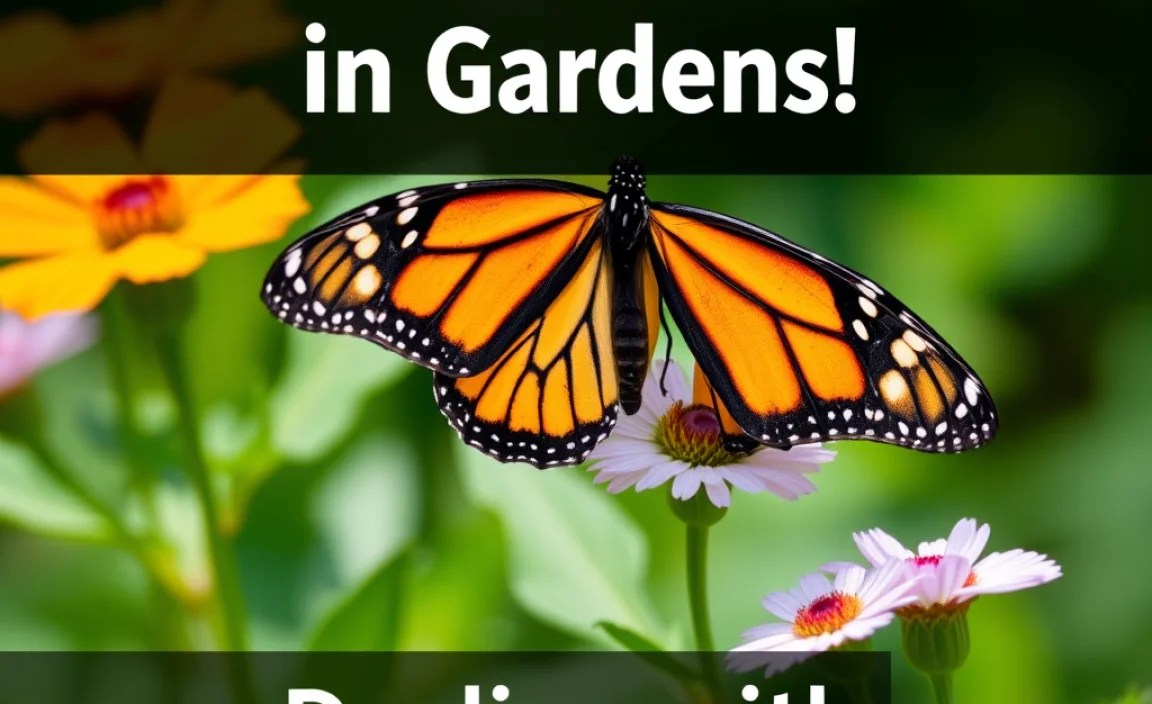
Attracting monarch butterflies can sometimes be challenging. Here are some common problems and how to address them.
Milkweed Pests
Milkweed plants can be susceptible to pests, such as aphids and milkweed bugs. These pests can damage the plants and reduce their appeal to monarchs.
- Aphids: Spray aphids with a strong stream of water or use insecticidal soap.
- Milkweed Bugs: Handpick milkweed bugs and their eggs.
- Introduce Beneficial Insects: Encourage ladybugs and lacewings to feed on milkweed pests.
Lack of Milkweed
Sometimes, despite your best efforts, monarch caterpillars may consume all of your milkweed. If this happens, you can supplement their diet with store-bought milkweed or transplant caterpillars to other milkweed plants.
- Purchase Milkweed: Buy additional milkweed plants from a local nursery.
- Transplant Caterpillars: Move caterpillars to other milkweed plants in your garden or in nearby areas (with permission).
- Grow Milkweed in Containers: Growing milkweed in containers can help you control its spread and protect it from pests.
Predators
Monarch caterpillars are preyed upon by birds, spiders, and other insects. To protect caterpillars, you can cover milkweed plants with netting or move caterpillars indoors to raise them in a safe environment.
- Use Netting: Cover milkweed plants with netting to prevent predators from reaching the caterpillars.
- Raise Caterpillars Indoors: Bring caterpillars indoors and raise them in a mesh cage or container until they pupate.
- Provide Shelter: Plant shrubs and trees to provide shelter for caterpillars and butterflies.
The Broader Impact of Your Efforts

By attracting monarch butterflies to your garden, you’re doing more than just creating a beautiful space. You’re contributing to the conservation of a threatened species and promoting a healthy ecosystem.
Supporting Monarch Conservation
Monarch populations have declined dramatically in recent years due to habitat loss, pesticide use, and climate change. By providing food and shelter for monarchs, you’re helping them survive and reproduce.
Promoting Biodiversity
A monarch-friendly garden also benefits other pollinators and wildlife. By planting native plants and avoiding pesticides, you’re creating a healthy ecosystem that supports a variety of species.
Educating Others
Your garden can serve as a model for others in your community. Share your knowledge and inspire others to create their own monarch-friendly habitats.
FAQ About Attracting Monarch Butterflies
Here are some frequently asked questions about attracting monarch butterflies to your garden:
Q: What is the best type of milkweed to plant?
A: The best type of milkweed to plant is a native species that is adapted to your local climate and growing conditions. Common Milkweed, Swamp Milkweed, and Butterfly Weed are popular choices in many regions.
Q: How can I tell if a caterpillar is a monarch caterpillar?
A: Monarch caterpillars have distinctive black, yellow, and white stripes. They also have two black filaments at the front and back of their body.
Q: How can I protect monarch caterpillars from predators?
A: You can protect monarch caterpillars from predators by covering milkweed plants with netting or by raising caterpillars indoors in a mesh cage or container.
Q: What other plants attract monarch butterflies?
A: In addition to milkweed, monarchs are attracted to nectar-rich flowers such as zinnias, purple coneflowers, asters, and goldenrod.
Q: How can I tell the difference between a male and female monarch butterfly?
A: Male monarch butterflies have a black spot on each hindwing, while females do not. Females also have thicker black veins on their wings.
Q: When is the best time to plant milkweed?
A: The best time to plant milkweed is in the spring or fall, when the weather is mild and the soil is moist.
Q: Where can I learn more about monarch butterflies and conservation?
A: You can learn more about monarch butterflies and conservation from organizations such as the Xerces Society, Monarch Watch, and Journey North. You can also find information from your local extension office or conservation organization.
Conclusion
Creating a monarch-friendly garden is a rewarding experience that benefits both you and the environment. By planting milkweed and nectar-rich flowers, avoiding pesticides, and providing water and shelter, you can attract these beautiful butterflies to your yard and support their conservation. Remember, every little bit helps, and even a small garden can make a big difference. So, get started today and enjoy the beauty and wonder of monarch butterflies in your own backyard!


