
Monarch Butterfly in Australia: A Powerful Guide

The monarch butterfly isn’t native to Australia, but it can be found there! These beautiful butterflies arrived in the 1870s and have made themselves at home. They depend on milkweed plants, which their caterpillars eat. To help them thrive, plant milkweed in your garden and avoid using pesticides.
Have you ever wondered if you could see monarch butterflies in Australia? It’s a question many people ask, and the answer is quite fascinating. While monarch butterflies are famous for their long migrations in North America, they’ve also found a home far away, down under! Understanding how they got there, what they eat, and how to help them is easier than you might think. Let’s explore the world of monarch butterflies in Australia, step by step, so you can become a butterfly expert in no time!
What You’ll Learn
- How monarch butterflies arrived in Australia.
- What milkweed plants they need to survive.
- How to create a butterfly-friendly garden.
- Ways to protect monarch butterflies from harm.
Monarch Butterflies in Australia: A Complete Guide


Let’s dive into the fascinating world of monarch butterflies in Australia. We’ll cover everything from their history and habitat to how you can help protect these beautiful creatures. Get ready to discover the secrets of these amazing butterflies!
How Did Monarch Butterflies Get to Australia?
Monarch butterflies aren’t originally from Australia. They made their way there in the late 19th century, around the 1870s. It’s believed they traveled across the Pacific Ocean, likely carried by strong winds or on ships. Once they arrived, they found a new home and adapted to the Australian environment.
Imagine these delicate creatures embarking on a long journey across the ocean. It’s quite a feat for such small insects! Their arrival in Australia is a testament to their resilience and adaptability.
Identifying Monarch Butterflies
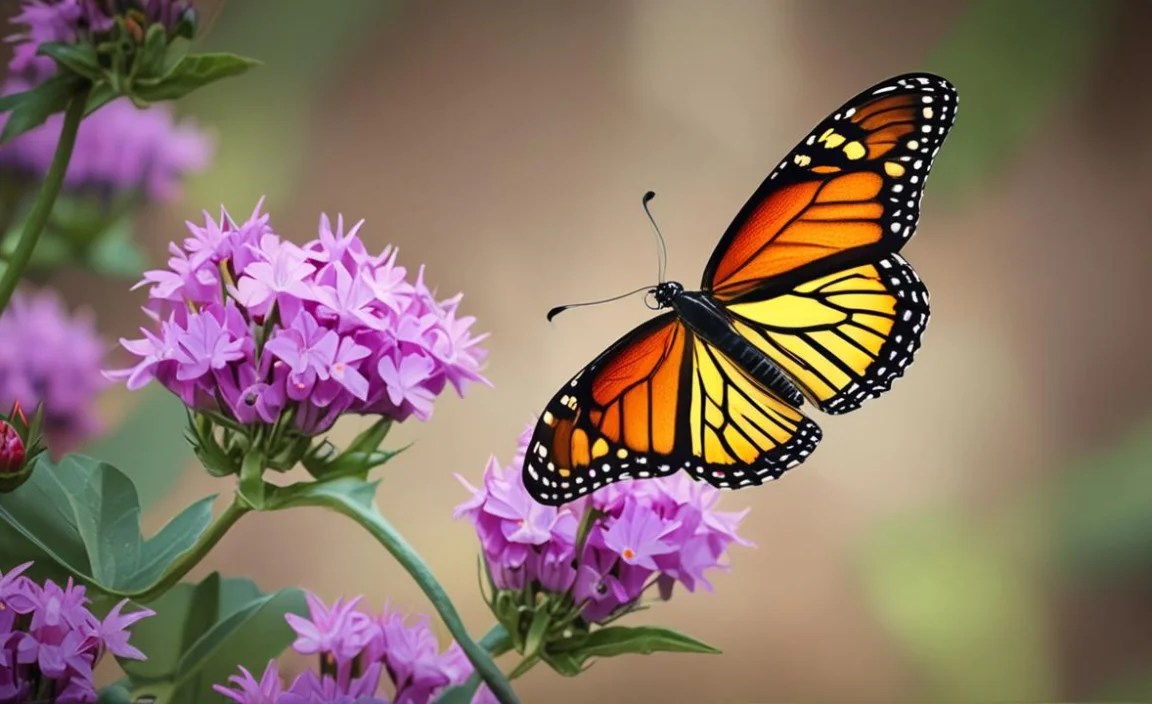
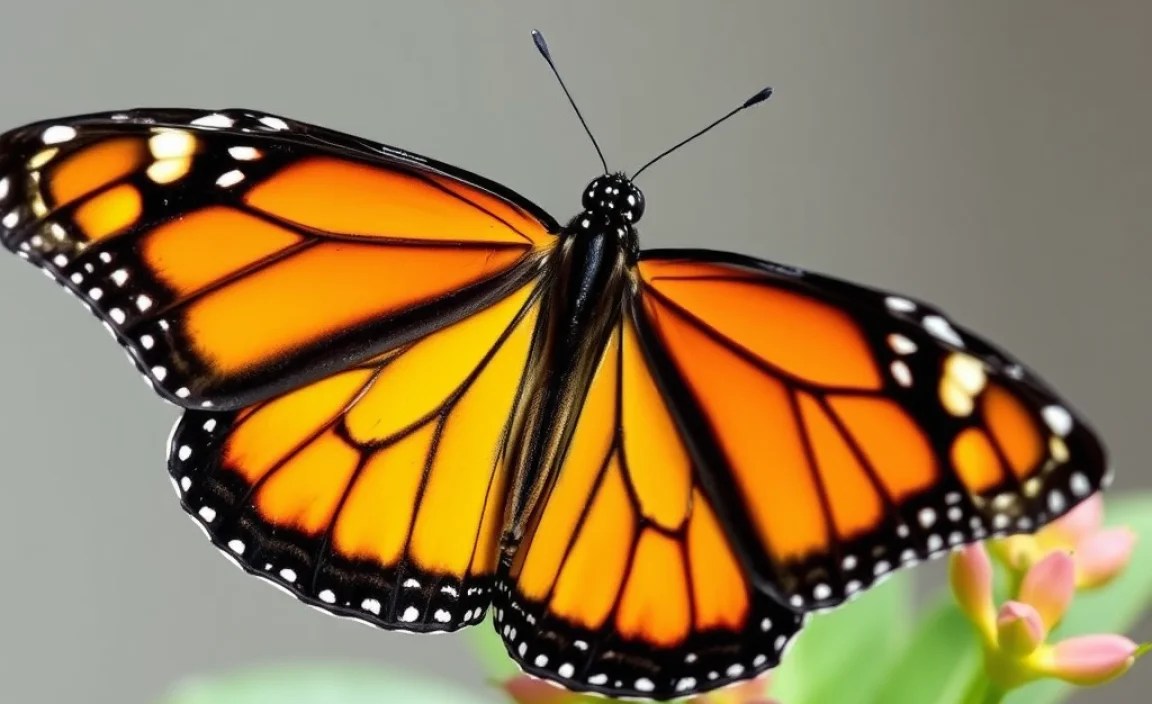
Monarch butterflies are easy to recognize with their bright orange wings and black veins. The edges of their wings are black with white spots. Here’s a quick guide to help you identify them:
- Color: Bright orange wings with black veins.
- Wing Edges: Black with white spots.
- Size: Wingspan of about 3.5 to 4 inches (9 to 10 cm).
You might also spot the monarch caterpillar, which has black, white, and yellow stripes. It’s just as striking as the adult butterfly!
Monarch Butterfly Habitat in Australia
Monarch butterflies in Australia are mostly found in urban and suburban areas where milkweed plants grow. They thrive in gardens, parks, and even along roadsides. Milkweed is essential because it’s the only food source for monarch caterpillars.
These butterflies have adapted well to the Australian environment, making the most of the available resources. You’re most likely to see them in areas where people have planted milkweed in their gardens.
The Importance of Milkweed
Milkweed is the lifeline for monarch butterflies. The caterpillars exclusively feed on milkweed leaves. Without milkweed, monarch butterflies cannot survive. The plant contains toxins that make the caterpillars and butterflies poisonous to predators, protecting them from being eaten.
There are different types of milkweed, but not all are native to Australia. The most common type found there is *Asclepias curassavica*, also known as tropical milkweed. While it’s beneficial, it’s important to manage it properly to avoid disrupting the monarch’s natural life cycle.
Life Cycle of the Monarch Butterfly
The monarch butterfly goes through four stages in its life cycle: egg, larva (caterpillar), pupa (chrysalis), and adult. Each stage is unique and important for the butterfly’s survival.
- Egg: Monarch butterflies lay their eggs on milkweed plants. The eggs are small and creamy white.
- Larva (Caterpillar): Once the egg hatches, the caterpillar starts feeding on milkweed leaves. It grows rapidly, shedding its skin several times.
- Pupa (Chrysalis): After reaching full size, the caterpillar forms a chrysalis, a green protective casing. Inside, it transforms into a butterfly.
- Adult: After about two weeks, the butterfly emerges from the chrysalis. It flies off to find nectar and reproduce, starting the cycle again.
Threats to Monarch Butterflies in Australia
Monarch butterflies in Australia face several threats that affect their population. Understanding these threats is crucial for protecting them.
- Habitat Loss: The destruction of milkweed plants due to urbanization and agriculture reduces the food source for caterpillars.
- Pesticide Use: Pesticides can harm or kill monarch caterpillars and butterflies.
- Climate Change: Changes in weather patterns can affect milkweed growth and butterfly migration.
- Parasites and Diseases: Monarchs can be affected by parasites and diseases, which can weaken or kill them.
These threats highlight the importance of conservation efforts to help monarch butterflies thrive in Australia.
How to Help Monarch Butterflies
There are many ways you can help monarch butterflies in Australia. From planting milkweed to avoiding pesticides, every little bit makes a difference.
- Plant Milkweed: Grow milkweed in your garden to provide food for monarch caterpillars.
- Avoid Pesticides: Use natural pest control methods to protect butterflies and other beneficial insects.
- Create a Butterfly Garden: Plant nectar-rich flowers to provide food for adult butterflies.
- Educate Others: Share information about monarch butterflies and how to protect them with your friends and family.
- Support Conservation Organizations: Donate to or volunteer with organizations that work to protect monarch butterflies.
Creating a Butterfly-Friendly Garden
Turning your garden into a butterfly haven is easier than you think. Here are some tips to create a welcoming space for monarch butterflies:
- Choose the Right Milkweed: Plant *Asclepias curassavica* (tropical milkweed), which is commonly available in Australia.
- Provide Nectar Sources: Plant flowers like zinnias, lantanas, and butterfly bushes that provide nectar for adult butterflies.
- Offer Shelter: Include shrubs and trees to provide shelter from wind and predators.
- Provide Water: Place a shallow dish of water with pebbles for butterflies to drink from.
- Avoid Chemicals: Don’t use pesticides or herbicides that can harm butterflies and caterpillars.
By following these tips, you can create a beautiful and beneficial garden for monarch butterflies.
The Role of Citizen Science
Citizen science plays a vital role in monitoring and protecting monarch butterflies. By participating in citizen science projects, you can contribute valuable data to help scientists understand monarch populations and their needs.
Here are some ways to get involved:
- Report Sightings: Use online platforms to report monarch butterfly sightings in your area.
- Monitor Milkweed: Track the growth and health of milkweed plants in your garden.
- Participate in Surveys: Join organized surveys to count monarch butterflies and assess their habitat.
Your observations can help scientists track monarch populations, identify important habitats, and develop effective conservation strategies.
Monarch Butterfly Migration in Australia
Unlike their North American counterparts, monarch butterflies in Australia don’t undertake long migrations. Instead, they move locally in search of milkweed plants and suitable breeding grounds. These local movements are essential for their survival.
The mild climate in many parts of Australia allows monarchs to breed year-round. However, during colder months, they may become less active and seek shelter.
Monarch Butterfly Conservation Efforts
Several organizations and individuals are working to protect monarch butterflies in Australia. These efforts include:
- Habitat Restoration: Restoring and protecting milkweed habitats.
- Education Programs: Raising awareness about monarch butterflies and their needs.
- Research: Studying monarch populations and their threats.
- Advocacy: Promoting policies that protect monarch butterflies and their habitats.
By supporting these efforts, you can help ensure that monarch butterflies continue to thrive in Australia.
Monarch Butterfly Look-alikes
Sometimes, other butterflies are mistaken for monarch butterflies. One common look-alike is the viceroy butterfly. Here’s a table to help you tell them apart:
| Feature | Monarch Butterfly | Viceroy Butterfly |
|---|---|---|
| Wing Color | Bright orange with black veins | Orange with black veins, but with a black line across the hindwing |
| Size | 3.5 to 4 inches (9 to 10 cm) | 2.5 to 3 inches (6 to 8 cm) |
| Habitat | Areas with milkweed plants | Areas near water with willows and poplars |
Knowing these differences can help you accurately identify monarch butterflies in your garden or local area.
The Cultural Significance of Monarch Butterflies
Monarch butterflies hold cultural significance in many parts of the world. They symbolize transformation, hope, and beauty. In some cultures, they are believed to represent the souls of ancestors returning to visit.
Their vibrant colors and graceful flight have inspired artists, writers, and nature lovers for centuries. By protecting monarch butterflies, we preserve not only a species but also a symbol of inspiration and wonder.
Dealing with Tropical Milkweed
While tropical milkweed (*Asclepias curassavica*) is beneficial for monarch butterflies, it can also cause problems if not managed properly. In warmer climates, it may not die back in the winter, which can disrupt the monarch’s natural life cycle and increase the risk of parasite transmission.
Here are some tips for managing tropical milkweed:
- Cut it Back: Prune the milkweed in late fall or early winter to encourage dormancy.
- Monitor for Pests: Check the plants regularly for pests and diseases.
- Consider Native Milkweed: Explore planting native milkweed species if available in your area.
Proper management of tropical milkweed can help ensure that it benefits monarch butterflies without causing harm.
Inspiring Stories of Monarch Butterfly Conservation
Many individuals and communities have made significant contributions to monarch butterfly conservation. Here are a few inspiring stories:
- Community Gardens: Local communities have created butterfly gardens in parks and schools, providing habitat for monarchs and educating others about conservation.
- School Programs: Students have raised monarch butterflies in classrooms, learning about their life cycle and the importance of protecting them.
- Dedicated Volunteers: Volunteers have spent countless hours planting milkweed, monitoring monarch populations, and advocating for conservation policies.
These stories demonstrate the power of collective action in protecting monarch butterflies and their habitats.
The Future of Monarch Butterflies in Australia
The future of monarch butterflies in Australia depends on continued conservation efforts and increased awareness. By working together, we can create a brighter future for these beautiful creatures.
Here are some steps we can take:
- Expand Habitat: Plant more milkweed and nectar-rich flowers in gardens, parks, and public spaces.
- Reduce Pesticide Use: Promote the use of natural pest control methods and reduce reliance on harmful chemicals.
- Support Research: Fund research to better understand monarch populations and their needs.
- Engage the Community: Encourage others to get involved in monarch butterfly conservation.
With our collective efforts, we can ensure that monarch butterflies continue to thrive in Australia for generations to come.
Additional Resources
Here are some additional resources to help you learn more about monarch butterflies and their conservation:
- Websites:
- Books:
- “Butterflies of Australia” by Michael F. Braby
- “The Monarch Butterfly: Biology and Conservation” edited by Karen S. Oberhauser and Michelle J. Solensky
These resources can provide you with more in-depth information about monarch butterflies and how to protect them.
FAQ About Monarch Butterflies in Australia
Here are some frequently asked questions about monarch butterflies in Australia, answered in a simple and easy-to-understand way.
1. Are monarch butterflies native to Australia?
No, monarch butterflies are not native to Australia. They arrived in the late 19th century, likely transported by winds or ships from North America.
2. What do monarch caterpillars eat in Australia?
Monarch caterpillars exclusively eat milkweed leaves. Without milkweed, they cannot survive.
3. How can I attract monarch butterflies to my garden?
Plant milkweed for the caterpillars and nectar-rich flowers like zinnias and lantanas for the adult butterflies. Also, avoid using pesticides.
4. Do monarch butterflies migrate in Australia?
Unlike their North American counterparts, monarch butterflies in Australia don’t undertake long migrations. They move locally in search of milkweed plants.
5. What are the main threats to monarch butterflies in Australia?
The main threats include habitat loss, pesticide use, climate change, and parasites.
6. How can I help protect monarch butterflies in Australia?
You can help by planting milkweed, avoiding pesticides, creating a butterfly garden, and supporting conservation organizations.
7. Is tropical milkweed good for monarch butterflies?
Yes, but it needs to be managed. Cut it back in late fall or early winter to encourage dormancy and prevent parasite build-up.
Conclusion
Monarch butterflies in Australia are a beautiful and fascinating part of the country’s wildlife. Though not native, they’ve adapted and thrived thanks to the presence of milkweed and the efforts of dedicated conservationists. By understanding their needs and the threats they face, you can play a vital role in protecting these incredible creatures. Whether it’s planting milkweed in your garden, avoiding pesticides, or simply spreading awareness, every action counts. Let’s work together to ensure that monarch butterflies continue to grace the Australian landscape for many years to come. As a butterfly enthusiast, I encourage you to take these steps and experience the joy of watching these magnificent creatures flutter around your own backyard. Happy butterflying!


