
Monarch Butterfly in Culture: A Powerful Symbol

The monarch butterfly holds rich cultural significance worldwide, representing transformation, hope, and the souls of ancestors. From ancient mythology to modern art, its striking beauty and incredible migration have inspired diverse interpretations and traditions. Understanding these cultural meanings deepens our appreciation for this iconic insect.
Have you ever stopped to think about why the monarch butterfly feels so special? More than just a beautiful insect, the monarch carries deep meaning for many cultures around the world. Its incredible journey and stunning transformation have captured our imaginations for centuries. It’s a symbol of hope, change, and even the souls of loved ones. We’ll explore how this amazing butterfly is viewed across different cultures and what makes it such a powerful symbol.
Monarch Butterfly Symbolism Around the World

The monarch butterfly’s symbolism varies across cultures, often tied to its life cycle, migration, and vibrant colors. Here are some key cultural meanings:
Transformation and Rebirth
The monarch’s metamorphosis from caterpillar to chrysalis to butterfly is a powerful metaphor for transformation and rebirth. This symbolism is prevalent in many cultures:
- Spiritual Growth: The monarch’s journey mirrors personal and spiritual growth, representing the ability to change and evolve.
- New Beginnings: Seeing a monarch can symbolize the start of a new chapter in life, encouraging hope and optimism.
The Souls of Ancestors
In some cultures, particularly in Mexico, the monarch butterfly is believed to represent the souls of ancestors returning to visit the living. This belief is closely tied to the monarch’s migration pattern, which coincides with the Day of the Dead celebrations.
- Day of the Dead (Día de los Muertos): Monarchs arriving in Mexico during this time are welcomed as the spirits of deceased loved ones. Altars are often decorated with monarch imagery to honor and guide the returning souls.
- Connection to the Afterlife: The butterfly’s appearance is seen as a comforting sign that departed family members are still present and watching over their descendants.
Hope and Resilience
The monarch’s long and arduous migration, spanning thousands of miles, makes it a symbol of hope, perseverance, and resilience.
- Overcoming Obstacles: The monarch’s ability to navigate great distances and survive challenging conditions represents the strength to overcome obstacles in life.
- Endurance: Its annual migration serves as a reminder of the importance of perseverance and determination in achieving goals.
Beauty and Grace
The monarch’s striking orange and black wings make it a symbol of beauty, grace, and the delicate balance of nature.
- Aesthetic Appreciation: The butterfly’s vibrant colors and patterns are admired for their aesthetic appeal, inspiring art, design, and fashion.
- Nature’s Wonders: The monarch embodies the beauty and wonder of the natural world, encouraging appreciation and conservation efforts.
Cultural Traditions and Beliefs

Different cultures have unique traditions and beliefs associated with the monarch butterfly, reflecting their specific histories, values, and spiritual practices.
Indigenous Cultures of North America
Many Native American tribes have long recognized the significance of the monarch butterfly, incorporating it into their folklore, ceremonies, and art.
- Symbol of Guidance: Some tribes view the monarch as a guide, leading them to sacred places or providing spiritual direction.
- Healing and Transformation: The butterfly’s transformative journey is associated with healing and personal growth, often featured in rituals and ceremonies.
- Artistic Representations: Monarchs are depicted in traditional art forms, such as pottery, weaving, and beadwork, symbolizing their cultural importance.
Mexican Culture and the Day of the Dead
In Mexico, the monarch butterfly holds a particularly special place in cultural traditions, especially during the Day of the Dead celebrations.
- Arrival of Souls: The monarch’s arrival coincides with the Day of the Dead, leading to the belief that they are the spirits of ancestors returning to visit their families.
- Sacred Groves: The overwintering sites of the monarch butterfly in the oyamel fir forests of Mexico are considered sacred places, protected and revered by local communities.
- Cultural Celebrations: Monarchs are celebrated through festivals, parades, and artistic displays, honoring their role in connecting the living with the deceased.
Modern Interpretations
In contemporary society, the monarch butterfly continues to inspire artists, writers, and spiritual seekers, who draw on its symbolism to convey messages of hope, change, and connection.
- Art and Literature: Monarchs are featured in various art forms, from paintings and sculptures to poems and novels, often representing themes of transformation, freedom, and beauty.
- Spiritual Practices: Some individuals incorporate monarch imagery into their spiritual practices, using it as a reminder of personal growth, resilience, and the interconnectedness of all living things.
- Environmental Advocacy: The monarch butterfly has become an emblem of environmental conservation, raising awareness about habitat loss, climate change, and the importance of protecting biodiversity.
Monarch Butterflies in Art and Mythology

The monarch butterfly’s striking appearance and symbolic meanings have made it a popular subject in art and mythology across different cultures and time periods.
Ancient Civilizations
While specific records of monarch butterflies in ancient art are limited due to their geographical distribution, butterflies in general held significance in many ancient cultures.
- Greek Mythology: Butterflies (Psyche) were associated with the soul and immortality, often depicted in artwork and stories representing the human spirit’s journey.
- Egyptian Art: Butterflies symbolized transformation and resurrection, appearing in tomb paintings and funerary objects, reflecting beliefs about the afterlife.
Renaissance and Baroque Art
Butterflies, including those resembling monarchs, began to appear more frequently in European art during the Renaissance and Baroque periods, often symbolizing fleeting beauty and transformation.
- Still Life Paintings: Butterflies were included in still life paintings to represent the transient nature of life, reminding viewers of the impermanence of beauty and material possessions.
- Symbolic Portraits: Butterflies were sometimes depicted in portraits to convey messages about the sitter’s character or aspirations, such as transformation, grace, or spiritual awakening.
Contemporary Art
In modern art, the monarch butterfly continues to be a powerful symbol, used by artists to explore themes of identity, migration, and environmentalism.
- Environmental Installations: Artists create large-scale installations using monarch imagery to raise awareness about habitat loss, climate change, and the importance of conservation efforts.
- Mixed Media Art: Monarchs are incorporated into mixed media artworks, combining different materials and techniques to convey complex messages about nature, culture, and the human experience.
- Digital Art: Digital artists use monarch butterflies to create visually stunning and thought-provoking artworks, exploring themes of transformation, interconnectedness, and the digital age.
Monarchs as Symbols of Change and Hope

The monarch butterfly’s life cycle and migration patterns make it a potent symbol of change and hope, inspiring individuals and communities to embrace transformation and work towards a better future.
Personal Transformation
The monarch’s metamorphosis from caterpillar to butterfly serves as a metaphor for personal growth, encouraging individuals to embrace change and strive for self-improvement.
- Overcoming Challenges: The butterfly’s journey represents the ability to overcome obstacles, learn from experiences, and emerge stronger and more resilient.
- Embracing New Beginnings: Seeing a monarch can symbolize the start of a new chapter in life, encouraging individuals to let go of the past and embrace the possibilities of the future.
Social Change
The monarch butterfly has also become a symbol of social change, inspiring movements for environmental conservation, social justice, and cultural understanding.
- Environmental Advocacy: The monarch’s plight has raised awareness about the importance of protecting natural habitats, reducing pollution, and addressing climate change, motivating individuals and organizations to take action.
- Cultural Unity: The monarch’s migration across international borders has fostered a sense of unity and collaboration among different cultures, promoting understanding, respect, and shared responsibility for protecting the environment.
Spiritual Hope
For many, the monarch butterfly represents spiritual hope, reminding them of the interconnectedness of all living things and the possibility of renewal and transformation.
- Connection to Nature: Observing monarchs in nature can evoke a sense of awe and wonder, fostering a deeper connection to the natural world and a greater appreciation for its beauty and fragility.
- Inspiration for the Future: The monarch’s journey inspires hope for a better future, reminding us that even small actions can make a big difference in protecting the environment and creating a more sustainable world.
Conservation and Cultural Preservation
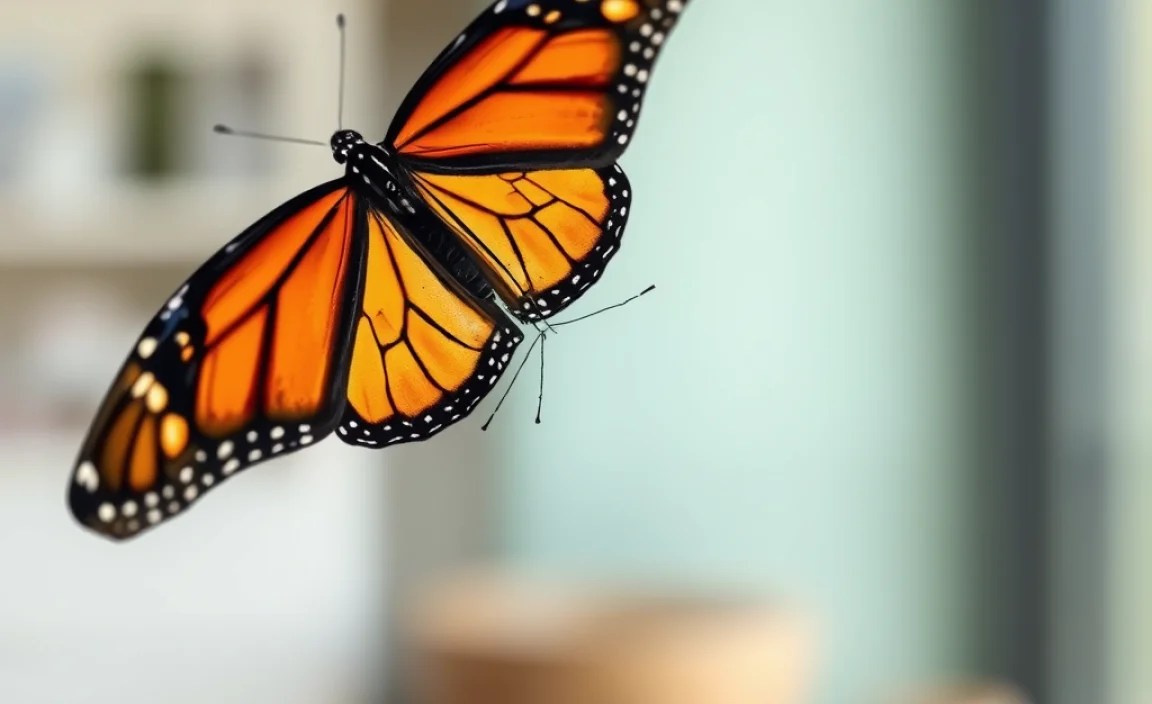
Protecting monarch butterflies and their habitats is not only essential for biodiversity but also for preserving the cultural traditions and beliefs associated with this iconic insect.
Habitat Restoration
Restoring and protecting monarch habitats, such as milkweed patches and overwintering sites, is crucial for ensuring the survival of the species and maintaining its cultural significance.
- Planting Milkweed: Encouraging individuals and communities to plant milkweed, the monarch caterpillar’s sole food source, is essential for supporting monarch populations.
- Protecting Overwintering Sites: Conserving the oyamel fir forests in Mexico, where monarchs overwinter, is vital for preserving the cultural traditions and beliefs associated with the Day of the Dead.
Education and Awareness
Raising awareness about the cultural significance of monarch butterflies can inspire greater appreciation for their beauty, ecological importance, and the need for conservation efforts.
- Community Engagement: Engaging local communities in monarch conservation projects can foster a sense of ownership and responsibility, promoting sustainable practices and cultural preservation.
- Educational Programs: Developing educational programs for schools and community centers can teach people about the monarch’s life cycle, migration patterns, and cultural significance, inspiring them to take action to protect the species.
Sustainable Practices
Promoting sustainable practices, such as reducing pesticide use, supporting organic farming, and conserving natural resources, can help protect monarch butterflies and their habitats for future generations.
- Reducing Pesticide Use: Encouraging the use of natural pest control methods and reducing the use of pesticides can help protect monarch caterpillars and other beneficial insects.
- Supporting Organic Farming: Supporting organic farming practices can help create healthier habitats for monarch butterflies and other wildlife, while also promoting sustainable agriculture.
How to Support Monarch Butterfly Conservation
Want to help these amazing creatures? Here are some ways you can make a difference:
- Plant Milkweed: This is the only food source for monarch caterpillars! Plant native milkweed species in your garden.
- Create a Butterfly Garden: Include nectar-rich flowers that bloom throughout the seasons to provide food for adult monarchs.
- Avoid Pesticides: Pesticides can harm or kill monarch butterflies and other beneficial insects. Choose organic gardening methods.
- Support Conservation Organizations: Donate to or volunteer with organizations dedicated to monarch butterfly conservation.
- Educate Others: Share your knowledge about monarch butterflies with friends, family, and your community.
Monarch Butterfly Facts
Here are some quick facts about the monarch butterfly:
| Fact | Description |
|---|---|
| Scientific Name | Danaus plexippus |
| Lifespan | 2-6 weeks (non-migratory adults), up to 9 months (migratory generation) |
| Wingspan | 3.5-4 inches (8.9-10.2 cm) |
| Migration Distance | Up to 3,000 miles |
| Food (Caterpillar) | Milkweed |
| Food (Adult) | Nectar from flowers |
Attracting Monarch Butterflies to Your Garden
Creating a butterfly-friendly garden is a wonderful way to support monarch butterflies and enjoy their beauty up close. Here’s how:
- Plant Native Milkweed: Monarch caterpillars rely exclusively on milkweed for food. Choose native varieties that are well-suited to your local climate.
- Provide Nectar Sources: Plant a variety of nectar-rich flowers that bloom throughout the growing season. Some good choices include:
- Zinnia
- Butterfly Bush
- Coneflower
- Asters
- Goldenrod
- Offer a Water Source: Butterflies need water, too! Provide a shallow dish of water with pebbles or marbles for them to land on.
- Provide Shelter: Plant shrubs and trees to offer butterflies protection from wind and predators.
- Avoid Pesticides: Pesticides can harm or kill butterflies and other beneficial insects. Choose organic gardening methods.
- Provide a Sunning Spot: Butterflies need to bask in the sun to warm up. Place a few flat stones in a sunny spot in your garden.
FAQ About Monarch Butterflies in Culture
Here are some common questions about the cultural significance of monarch butterflies:
Why are monarch butterflies important in Mexican culture?
Monarch butterflies are believed to be the souls of ancestors returning during the Day of the Dead celebrations, connecting the living with the deceased.
What does the monarch butterfly symbolize?
The monarch butterfly symbolizes transformation, rebirth, hope, resilience, beauty, and the souls of ancestors.
How can I help monarch butterflies?
You can help by planting milkweed, creating a butterfly garden, avoiding pesticides, and supporting conservation organizations.
What is the Day of the Dead (Día de los Muertos)?
The Day of the Dead is a Mexican holiday that honors deceased loved ones, celebrated with altars, offerings, and the belief that the spirits return to visit.
Are monarch butterflies endangered?
Monarch butterfly populations have declined significantly in recent years, and they are considered a vulnerable species.
Where do monarch butterflies migrate to?
Monarch butterflies migrate thousands of miles to overwinter in the oyamel fir forests of central Mexico and along the California coast.
What is milkweed?
Milkweed is a plant that is the sole food source for monarch caterpillars. It is essential for their survival.
Conclusion
The monarch butterfly is far more than just a pretty insect; it’s a symbol deeply woven into the cultural fabric of many societies. From representing the souls of ancestors in Mexico to embodying transformation and hope worldwide, the monarch’s cultural significance enriches our understanding and appreciation of this incredible creature. By supporting monarch conservation efforts, we not only protect a vulnerable species but also preserve the rich cultural traditions and beliefs associated with this iconic butterfly. So, let’s continue to cherish and protect the monarch, ensuring its beauty and symbolism endure for generations to come.


