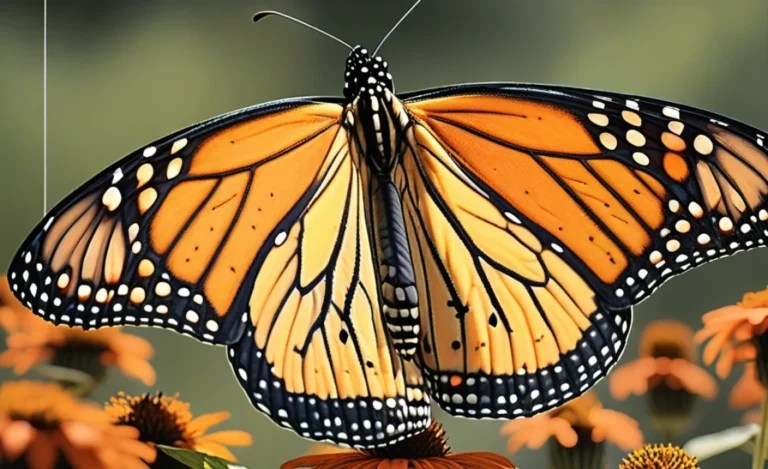
Monarch Butterfly in Asia: The Powerful Truth

Quick Summary: While the monarch butterfly is native to North and South America, it can also be found in parts of Asia. These populations are generally considered non-native, likely established through accidental introductions. Their presence raises ecological questions about competition with native species and the impact of different host plants.
Have you ever wondered how the majestic monarch butterfly, famous for its long migrations across North America, ended up in Asia? It’s a fascinating story of accidental introductions and adaptation. While these beautiful butterflies are a welcome sight, their presence in Asia raises important questions about their impact on local ecosystems. This article will guide you through understanding how monarchs arrived in Asia, where they can be found, and what challenges they present. Get ready to explore the unexpected journey of the monarch butterfly across the globe!
Frequently Asked Questions About Monarch Butterflies in Asia
Here are some common questions about monarch butterflies and their presence in Asia:
1. Are monarch butterflies native to Asia?
No, monarch butterflies are not native to Asia. They are native to North and South America.
2. How did monarch butterflies get to Asia?
It is believed that monarch butterflies were accidentally introduced to Asia, possibly through the transportation of milkweed seeds or butterflies themselves on ships or planes.
3. Where in Asia can monarch butterflies be found?
Monarch butterflies have been observed in various parts of Asia, including Japan, Taiwan, and some regions of Southeast Asia.
4. Do monarch butterflies migrate in Asia like they do in North America?
While some movement patterns have been observed, monarch butterflies in Asia do not undertake the same large-scale, multigenerational migrations as their North American counterparts.
5. What do monarch butterflies eat in Asia?
Monarch caterpillars primarily feed on milkweed plants. In Asia, they utilize various milkweed species, some of which are native and others that have been introduced.
6. Are monarch butterflies harmful to the Asian ecosystem?
The ecological impact of monarch butterflies in Asia is still being studied. There are concerns about competition with native butterfly species and the effects of introduced milkweed on local plant communities.
7. Can I help monarch butterflies in Asia?
You can support research and conservation efforts focused on understanding and managing the impact of monarch butterflies in Asian ecosystems. Also, be mindful of the plant species you introduce to your garden and avoid planting invasive milkweed varieties.
The Unexpected Journey: Monarch Butterflies in Asia

The monarch butterfly (Danaus plexippus) is a global icon, celebrated for its vibrant orange and black wings and its incredible multi-generational migration across North America. But what many people don’t realize is that monarchs have also established populations far beyond their native range, including in Asia. This article explores the story of the monarch butterfly in Asia, examining its arrival, distribution, ecological impact, and the ongoing questions surrounding its presence.
How Did Monarchs Cross the Ocean? The Story of Introduction

The appearance of monarch butterflies in Asia is a fascinating example of species introduction. Unlike natural range expansions that occur gradually over long periods, monarch butterflies likely arrived in Asia through human-mediated transport. There are a few potential pathways for this introduction:
- Accidental Transport: Monarchs or their eggs may have been unintentionally transported on ships or airplanes carrying goods from North America.
- Milkweed Seeds: Milkweed plants (Asclepias spp.) are the sole food source for monarch caterpillars. Seeds contaminated with eggs or larvae could have been transported and subsequently established new populations.
- Intentional Introduction (Less Likely): While less probable, it’s possible that individuals intentionally introduced monarchs, perhaps for ornamental or educational purposes.
When Did They Arrive? Unraveling the Timeline
Pinpointing the exact date of introduction is difficult, but historical records and genetic studies offer clues. Monarchs were likely established in Asia by the late 20th century. Further research is needed to refine the timeline and understand the specific origins of Asian monarch populations.
Where Can You Find Monarchs in Asia? Mapping Their Distribution

Monarch butterflies have been observed in several regions across Asia, though their distribution is not uniform. Here’s a look at some key areas where they have established populations:
- Japan: Monarchs are relatively common in Japan, particularly in the southern islands.
- Taiwan: Taiwan boasts a significant monarch population, with some evidence of local migratory behavior.
- Southeast Asia: Sightings have been reported in various countries in Southeast Asia, including Thailand, the Philippines, and Indonesia, although their presence may be localized.
- China: There are increasing reports of monarch butterflies in coastal regions of China.
Life Cycle Adaptations: How Monarchs Thrive in a New World

Despite the differences in climate and environment, monarchs in Asia exhibit similar life cycle stages to their North American counterparts:
- Egg: Females lay eggs on milkweed leaves.
- Larva (Caterpillar): The caterpillar feeds voraciously on milkweed, growing through five instars (stages).
- Pupa (Chrysalis): The caterpillar transforms into a jade-green chrysalis.
- Adult Butterfly: The adult butterfly emerges, ready to reproduce and continue the cycle.
Host Plant Preferences: Adapting to Local Milkweed
A crucial factor in the monarch’s survival in Asia is the availability of suitable milkweed species. While some native milkweed species exist, monarchs have also adapted to utilize introduced milkweed varieties, such as Asclepias curassavica (tropical milkweed), which is now widespread in many parts of Asia.
Migration Patterns: A Different Rhythm in Asia
One of the most remarkable aspects of the monarch butterfly is its long-distance migration in North America. However, migration patterns in Asian monarch populations are different and less pronounced.
- Limited Migration: While some local movements may occur, monarchs in Asia generally do not undertake the vast, multigenerational migrations seen in North America.
- Sedentary Populations: In some regions, monarchs may establish more sedentary populations, remaining in the same area year-round.
- Influence of Climate: Climate conditions likely play a role in shaping migration patterns, with milder temperatures allowing for year-round breeding in some areas.
Ecological Impact: Understanding the Consequences
The presence of non-native species can have significant ecological consequences. Understanding the impact of monarch butterflies in Asia is crucial for effective conservation management. Here are some key considerations:
- Competition with Native Species: Monarchs may compete with native butterfly species for resources, such as nectar and host plants.
- Impact on Milkweed: The introduction of non-native milkweed species can alter plant communities and potentially displace native flora.
- Disease Transmission: There is a potential risk of disease transmission between monarch butterflies and native butterfly populations.
Table: Comparing Monarch Butterfly Migration in North America and Asia
| Feature | North America | Asia |
|---|---|---|
| Migration Distance | Thousands of kilometers | Limited, local movements |
| Generations per Migration Cycle | Multiple generations | Typically one generation or sedentary populations |
| Primary Driver | Seasonal changes in temperature and resource availability | Climate and local resource availability |
| Endangered Status | Listed as Endangered or Threatened | Varies by region, often not specifically assessed |
Conservation Challenges: Protecting Native Ecosystems
Managing the presence of monarch butterflies in Asia presents unique conservation challenges. A balanced approach is needed to minimize negative impacts on native ecosystems while recognizing the intrinsic value of these iconic butterflies.
- Research and Monitoring: Continued research and monitoring are essential to understand the long-term ecological effects of monarch butterflies in Asia.
- Habitat Management: Managing milkweed populations, particularly introduced species, is crucial to prevent displacement of native flora.
- Public Education: Raising public awareness about the potential impacts of non-native species can promote responsible gardening practices and conservation efforts.
The Role of Citizen Science: Getting Involved
Citizen science initiatives can play a valuable role in tracking monarch populations and gathering data on their distribution and behavior. By participating in these programs, you can contribute to a better understanding of monarch butterflies in Asia.
Identifying Monarch Butterflies: A Visual Guide
Identifying monarch butterflies is relatively straightforward, but it’s important to distinguish them from similar-looking species. Here’s what to look for:
- Color: Bright orange wings with black veins and a black border containing white spots.
- Size: Wingspan of 3.5 to 4 inches (9 to 10 cm).
- Flight Pattern: Strong, gliding flight.
Distinguishing Monarchs from Viceroy Butterflies
In North America, the viceroy butterfly (Limenitis archippus) is a monarch mimic. Here’s how to tell them apart:
- Black Line: The viceroy has a distinct black line across its hindwing, which the monarch lacks.
- Size: Viceroys are slightly smaller than monarchs.
The Future of Monarchs in Asia: A Path Forward
The story of the monarch butterfly in Asia is a complex one, filled with both wonder and concern. As these iconic butterflies adapt to new environments, it’s our responsibility to understand their impact and manage their presence in a way that protects native ecosystems. By supporting research, promoting responsible gardening practices, and raising public awareness, we can help ensure a sustainable future for both monarch butterflies and the diverse ecosystems they inhabit.
Table: Pros and Cons of Monarch Butterfly Presence in Asia
| Pros | Cons |
|---|---|
| Educational Value: Provides opportunities for studying adaptation and species introduction. | Competition: May compete with native butterfly species for resources. |
| Aesthetic Appeal: Adds beauty and interest to gardens and natural areas. | Ecological Disruption: Introduction of non-native milkweed species can alter plant communities. |
| Potential for Ecotourism: Could attract tourists interested in butterfly watching. | Disease Transmission: Potential risk of disease transmission between monarch butterflies and native butterfly populations. |
| Pollination: Contributes to pollination of various plant species. | Unpredictable Impacts: Long-term ecological effects are still uncertain and require further study. |
How to Help Monarch Butterflies (Responsibly)
If you’re interested in helping monarch butterflies in Asia, here are some guidelines to follow:
- Plant Native Milkweed: Whenever possible, prioritize planting native milkweed species that are adapted to your local environment.
- Avoid Tropical Milkweed (Asclepias curassavica): While tropical milkweed is readily available, it can disrupt monarch migration patterns and increase the risk of disease. If you choose to plant it, cut it back regularly to prevent year-round breeding.
- Support Research: Contribute to research efforts focused on understanding the ecological impacts of monarch butterflies in Asia.
- Participate in Citizen Science: Join citizen science programs to track monarch populations and gather data.
- Educate Others: Share your knowledge about monarch butterflies and the importance of responsible conservation practices.
Additional Tips for Butterfly Gardening
- Provide Nectar Sources: Plant a variety of nectar-rich flowers to provide food for adult butterflies.
- Avoid Pesticides: Use organic gardening practices to protect butterflies and other beneficial insects.
- Create a Water Source: Provide a shallow dish of water with pebbles or stones for butterflies to land on.
Conclusion: A Delicate Balance
The story of the monarch butterfly in Asia is a reminder of the interconnectedness of our world and the complex consequences of species introductions. While the sight of these iconic butterflies may bring joy, it’s essential to approach their presence with a critical eye, understanding the potential impacts on native ecosystems. By supporting research, promoting responsible gardening practices, and raising public awareness, we can strive to achieve a delicate balance, ensuring a sustainable future for both monarch butterflies and the rich biodiversity of Asia. Let’s continue to learn, observe, and protect these magnificent creatures and the world they inhabit.