
Monarch Butterfly Courtship: Witness the Secret!

Quick Summary: Monarch butterfly courtship is a fascinating aerial dance! Males pursue females, engaging in flight displays and dusting them with pheromones from their wing scales. If receptive, the female allows mating. This process ensures the continuation of the monarch’s incredible life cycle. Observing this behavior is a special treat for any nature lover.
Have you ever been lucky enough to witness the fluttering ballet of monarch butterflies in your garden? It’s more than just pretty wings; it’s a vital part of their life cycle – courtship! Understanding how monarch butterflies find and choose their mates can deepen your appreciation for these fragile creatures and help you support their populations. Don’t worry, it’s not as complicated as it might sound! We’ll break down the steps of monarch courtship, so you can recognize it and understand its importance. Get ready to learn all about the aerial acrobatics and secret signals of monarch love!
Understanding Monarch Butterfly Courtship

Monarch butterfly courtship is a complex and fascinating process that involves visual cues, pheromones, and elaborate flight patterns. It’s how these beautiful insects ensure the continuation of their species. Let’s explore the key aspects of this behavior.
The Role of Pheromones
Pheromones play a crucial role in monarch butterfly courtship. Male monarchs possess specialized scent scales on their wings that release pheromones to attract females. These pheromones are chemical signals that communicate the male’s species, sex, and even his quality as a mate. The two primary pheromones produced by male monarchs are:
- Danaidone: Attracts the female and stimulates her to accept the male.
- Dihydro-pyrrolizidineone: Derived from chemicals the monarch obtains from plants as a caterpillar; may signal the male’s health and vigor.
Visual Cues and Flight Displays
Besides pheromones, visual cues are also important during monarch courtship. Male monarchs engage in elaborate flight displays to attract the attention of females. These displays can include:
- Aerial Pursuits: The male chases the female, often flying above and around her.
- Dusting: The male flies above the female and releases pheromones from his wings, essentially “dusting” her with the scent.
- Dives and Glides: The male performs rapid dives and glides to showcase his agility and fitness.
The Importance of Courtship
Monarch butterfly courtship is essential for several reasons:
- Species Recognition: It ensures that monarchs mate with other monarchs, maintaining the genetic integrity of the species.
- Mate Selection: It allows females to assess the quality of potential mates, choosing those with the best genes and resources to ensure healthy offspring.
- Reproductive Success: Successful courtship leads to mating and the production of fertile eggs, contributing to the survival of the monarch population.
A Step-by-Step Guide to Monarch Butterfly Courtship

Here’s a detailed look at the stages of monarch butterfly courtship:
Step 1: The Chase Begins
The male monarch initiates courtship by spotting a female. He then begins to pursue her in the air, often flying rapidly and closely behind or above her. This chase can last for several minutes or even longer, testing the female’s endurance and signaling the male’s persistence.
Step 2: The Aerial Display
During the chase, the male engages in various aerial displays to attract the female’s attention. These displays can include:
- Circling: The male flies in circles around the female.
- Diving: The male performs quick dives and then rapidly ascends.
- Gliding: The male glides gracefully to show off his flight skills.
These displays demonstrate the male’s agility and fitness, providing the female with information about his suitability as a mate.
Step 3: Pheromone Release (Dusting)
As the male flies close to the female, he releases pheromones from specialized scent scales located on his wings. This process is often referred to as “dusting.” The pheromones are designed to attract the female and stimulate her to accept the male. The male will attempt to position himself above the female during the dusting process to ensure she receives the full effect of the pheromones.
Step 4: The Female’s Response
The female monarch responds to the male’s courtship displays and pheromones in one of two ways:
- Acceptance: If the female is receptive, she will slow down her flight and allow the male to approach. She may also lower her abdomen, signaling her willingness to mate.
- Rejection: If the female is not receptive, she will continue to fly quickly and may even fly upwards to avoid the male. She may also close her abdomen to prevent mating.
Step 5: Mating
If the female accepts the male, the pair will land on a nearby plant or the ground. The male will then attach his abdomen to the female’s abdomen, initiating the mating process. Monarch butterflies can remain coupled for several hours, during which time the male transfers sperm to the female. This extended mating period ensures successful fertilization.
Step 6: Post-Mating
After mating, the pair will separate. The female will then begin laying eggs on milkweed plants, the sole food source for monarch caterpillars. The male may continue to court other females, increasing his chances of reproductive success. The female can store the sperm from a single mating and use it to fertilize multiple clutches of eggs.
How to Attract Monarchs to Your Garden

Creating a monarch-friendly garden is a fantastic way to support these beautiful butterflies and increase your chances of witnessing their courtship rituals. Here’s how:
Plant Milkweed
Milkweed is the *only* food source for monarch caterpillars. Without it, they cannot survive. Plant several varieties of milkweed native to your region to provide a continuous supply of food throughout the growing season. Some popular choices include:
- Common Milkweed (Asclepias syriaca)
- Swamp Milkweed (Asclepias incarnata)
- Butterfly Weed (Asclepias tuberosa)
You can find milkweed seeds and plants at local nurseries or online retailers. Be sure to choose varieties that are appropriate for your climate and growing conditions.
Provide Nectar Sources
Adult monarchs need nectar for energy. Plant a variety of nectar-rich flowers that bloom throughout the monarch season. Choose native plants whenever possible, as they are best adapted to your local climate and provide the most benefit to pollinators. Great nectar sources include:
- Asters
- Goldenrod
- Coneflowers
- Zinnias
- Salvia
Avoid Pesticides
Pesticides can be harmful to monarch butterflies and other beneficial insects. Avoid using pesticides in your garden, especially those that are broad-spectrum. If you must use pesticides, choose organic options and apply them carefully, avoiding spraying directly on milkweed or nectar plants. Consider using natural pest control methods, such as attracting beneficial insects like ladybugs and lacewings.
Provide a Water Source
Butterflies need water to stay hydrated. Provide a shallow dish of water with pebbles or marbles for them to land on. This will prevent them from drowning. You can also create a “puddling station” by burying a container filled with sand and keeping it moist.
Create a Sheltered Area
Butterflies need shelter from wind and rain. Plant shrubs and trees to provide a protected area where they can rest and seek refuge from the elements. A sheltered area will also help them conserve energy, especially during cooler temperatures.
Distinguishing Male and Female Monarchs

Being able to tell the difference between male and female monarchs can enhance your observation of their courtship behavior. Here’s how to distinguish them:
| Feature | Male Monarch | Female Monarch |
|---|---|---|
| Wing Markings | Thinner veins on wings; noticeable black spot (scent gland) on each hindwing. | Thicker veins on wings; no black spots on hindwings. |
| Size | Generally slightly smaller than females. | Generally slightly larger than males. |
| Abdomen | Slightly more slender. | Slightly more rounded. |
The Monarch Life Cycle
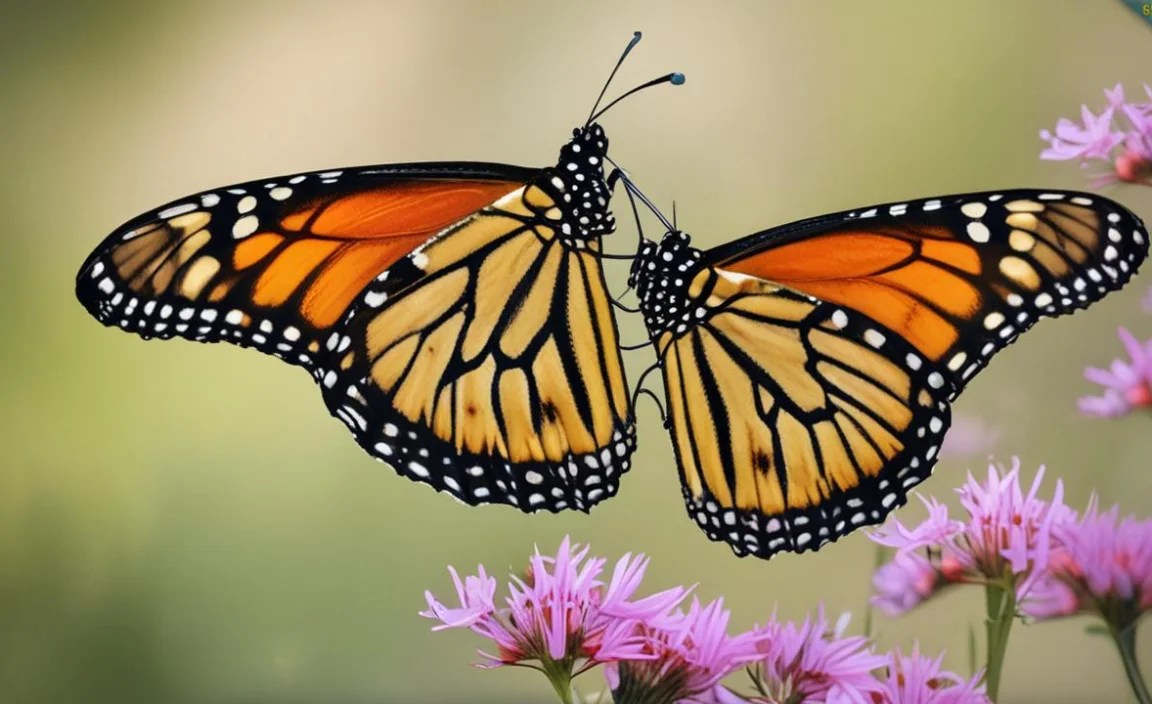
Understanding the monarch butterfly life cycle provides context for their courtship behavior. The monarch life cycle has four distinct stages:
- Egg: Monarchs lay their eggs on milkweed plants. The eggs are small, creamy white, and oval-shaped.
- Larva (Caterpillar): The larva hatches from the egg and begins to feed on milkweed leaves. The caterpillar goes through five instars (growth stages), shedding its skin each time.
- Pupa (Chrysalis): The caterpillar transforms into a pupa, forming a green chrysalis. Inside the chrysalis, the caterpillar undergoes metamorphosis, transforming into a butterfly.
- Adult Butterfly: The adult butterfly emerges from the chrysalis. It feeds on nectar from flowers, mates, and lays eggs, continuing the cycle.
Threats to Monarch Butterflies

Monarch butterfly populations have declined significantly in recent years due to a variety of factors. Understanding these threats is crucial for conservation efforts.
Habitat Loss
The loss of milkweed habitat is one of the biggest threats to monarch butterflies. As agricultural practices intensify and land is developed, milkweed plants are disappearing from the landscape. This deprives monarch caterpillars of their essential food source. The Xerces Society is a great resource for learning more about habitat conservation.
Climate Change
Climate change is also impacting monarch butterflies. Changes in temperature and precipitation patterns can disrupt their migration and breeding cycles. Extreme weather events, such as droughts and floods, can also damage milkweed and nectar plants, further reducing their habitat.
Pesticide Use
Pesticides, especially neonicotinoids, can be harmful to monarch butterflies. These chemicals can kill caterpillars and adult butterflies directly or indirectly by contaminating milkweed and nectar plants. Even organic pesticides, if not used correctly, can harm beneficial insects.
Illegal Logging
Illegal logging in the monarch’s overwintering grounds in Mexico is another serious threat. These forests provide crucial shelter for monarchs during the winter months. The destruction of these forests reduces the available habitat and exposes monarchs to harsh weather conditions.
How You Can Help Monarch Butterflies
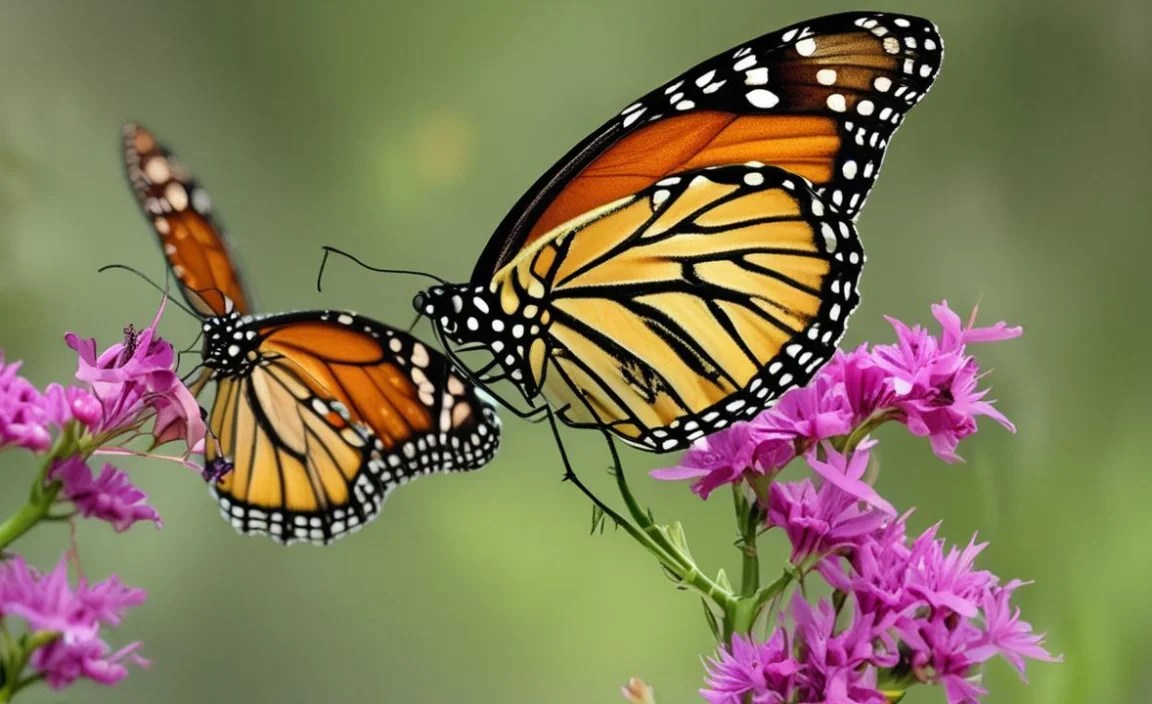
There are many things you can do to help monarch butterflies. Every little bit counts!
- Plant Milkweed: As mentioned earlier, planting milkweed is the most important thing you can do to support monarch butterflies.
- Create a Nectar Garden: Plant a variety of nectar-rich flowers to provide food for adult monarchs.
- Avoid Pesticides: Avoid using pesticides in your garden and encourage others to do the same.
- Support Conservation Organizations: Donate to or volunteer with organizations that are working to protect monarch butterflies and their habitat.
- Educate Others: Spread the word about the importance of monarch butterflies and the threats they face. The U.S. Fish and Wildlife Service is a good source of information to share.
- Participate in Citizen Science Projects: Contribute to research efforts by participating in citizen science projects, such as monitoring monarch populations or tracking their migration.
FAQ About Monarch Butterfly Courtship
What time of day do monarchs usually court?
Monarch courtship typically occurs during the warmer parts of the day, usually from late morning to mid-afternoon, when butterflies are most active.
How long does monarch courtship last?
The entire courtship process, from the initial chase to mating, can last from a few minutes to several hours, depending on the receptiveness of the female.
Do monarchs mate for life?
No, monarchs do not mate for life. Both males and females can mate with multiple partners during their lifespan.
Where do monarchs mate?
Monarchs typically mate on or near milkweed plants or other nectar sources. They may also mate on the ground or on other vegetation.
How can I tell if monarchs are mating in my garden?
You can tell if monarchs are mating by observing a pair of butterflies connected at their abdomens. They will remain coupled for several hours.
What happens after monarchs mate?
After mating, the female monarch will lay her eggs on milkweed plants. The male may continue to court other females.
Is it okay to disturb mating monarchs?
It’s best to avoid disturbing mating monarchs to ensure they have the best chance of successfully reproducing. Observe them from a distance.
Conclusion
Monarch butterfly courtship is a captivating spectacle, offering a glimpse into the complex lives of these incredible insects. By understanding the stages of courtship, the roles of pheromones and visual cues, and the threats facing monarch populations, we can all play a part in their conservation. Planting milkweed and nectar sources, avoiding pesticides, and supporting conservation organizations are just a few of the ways you can help ensure that future generations can witness the magic of monarch courtship. So, get out there, explore your garden, and keep an eye out for the fluttering dance of monarch love!


