
Monarch Butterfly Mimicry: The Powerful Secret

Monarch butterfly mimicry is when other butterfly species evolve to look like the monarch. This helps them avoid predators who know that monarchs are poisonous and taste bad. The viceroy butterfly is the most well-known example, but others also use this clever disguise to increase their chances of survival.
Have you ever been fooled by a butterfly? Perhaps you spotted a vibrant orange butterfly flitting through your garden and excitedly thought, “Aha! A monarch!” But then, something seemed a little…off. The size, the flight pattern, or maybe the markings weren’t quite right. You might have just encountered a master of disguise: a butterfly using mimicry.
Monarch butterfly mimicry is a fascinating survival strategy in the insect world. For butterflies, avoiding predators is a daily challenge. Monarchs have a unique defense: they are poisonous! As caterpillars, they feed on milkweed, which contains toxins called cardiac glycosides. These toxins stay in the butterfly, making them taste terrible and causing predators to get sick.
But what about butterflies that don’t eat milkweed? That’s where mimicry comes in! Certain species have evolved to resemble monarchs, tricking predators into thinking they are also poisonous. This guide will help you understand how monarch mimicry works, who the famous mimics are, and how to tell them apart. Get ready to explore the amazing world of butterfly disguise!
What is Monarch Butterfly Mimicry?

Mimicry is when one species evolves to resemble another. In the case of monarch butterflies, certain butterfly species have evolved to look like them. This is called Batesian mimicry, named after the naturalist Henry Walter Bates. In Batesian mimicry, a harmless species (the mimic) evolves to look like a harmful or unpalatable species (the model). Predators learn to avoid the model species, and the mimic benefits from this learned avoidance.
Monarchs are the model species in this scenario. Their bright orange wings with black veins and white spots are a warning sign to predators. Birds, for example, quickly learn that eating a monarch results in a very unpleasant experience. The mimics, such as the viceroy butterfly, take advantage of this by looking similar to monarchs.
The effectiveness of mimicry depends on several factors:
- Abundance of the model: Mimicry works best when the model species (monarch) is more common than the mimic. Predators need to encounter the model frequently enough to learn to avoid it.
- Similarity of appearance: The closer the mimic resembles the model, the more effective the mimicry will be.
- Predator learning: Predators must be able to learn and remember the warning signal of the model species.
The Famous Mimic: The Viceroy Butterfly

The viceroy butterfly (Limenitis archippus) is the most well-known and studied example of a monarch mimic. For many years, it was believed that the viceroy was a classic example of Batesian mimicry, where it benefited from resembling the toxic monarch.
However, recent research has revealed a more complex relationship. It turns out that viceroys are also unpalatable to predators! This is because viceroy caterpillars feed on willow and poplar trees, which contain salicylic acid (a natural form of aspirin). This makes viceroys taste bitter and causes predators to avoid them.
Because both the monarch and viceroy are unpalatable, their mimicry is now considered an example of Müllerian mimicry. This type of mimicry occurs when two or more unpalatable species evolve to resemble each other. This benefits both species because predators learn to avoid the shared warning pattern more quickly.
How to Tell the Difference Between a Monarch and a Viceroy
While viceroys closely resemble monarchs, there are a few key differences that can help you tell them apart:
- Size: Viceroys are slightly smaller than monarchs.
- Wing Pattern: The most reliable way to distinguish a viceroy is by the black line that runs across its hindwings. Monarchs do not have this line.
- Flight Pattern: Monarchs have a more leisurely, gliding flight, while viceroys tend to have a faster, more erratic flight.
Here’s a table summarizing the key differences:
| Feature | Monarch Butterfly | Viceroy Butterfly |
|---|---|---|
| Size | Larger (3.5-4 inches wingspan) | Smaller (2.5-3 inches wingspan) |
| Wing Pattern | No black line on hindwings | Black line across hindwings |
| Flight Pattern | Gliding, leisurely | Faster, more erratic |
| Taste | Unpalatable (toxic) | Unpalatable (bitter) |
Other Monarch Mimics
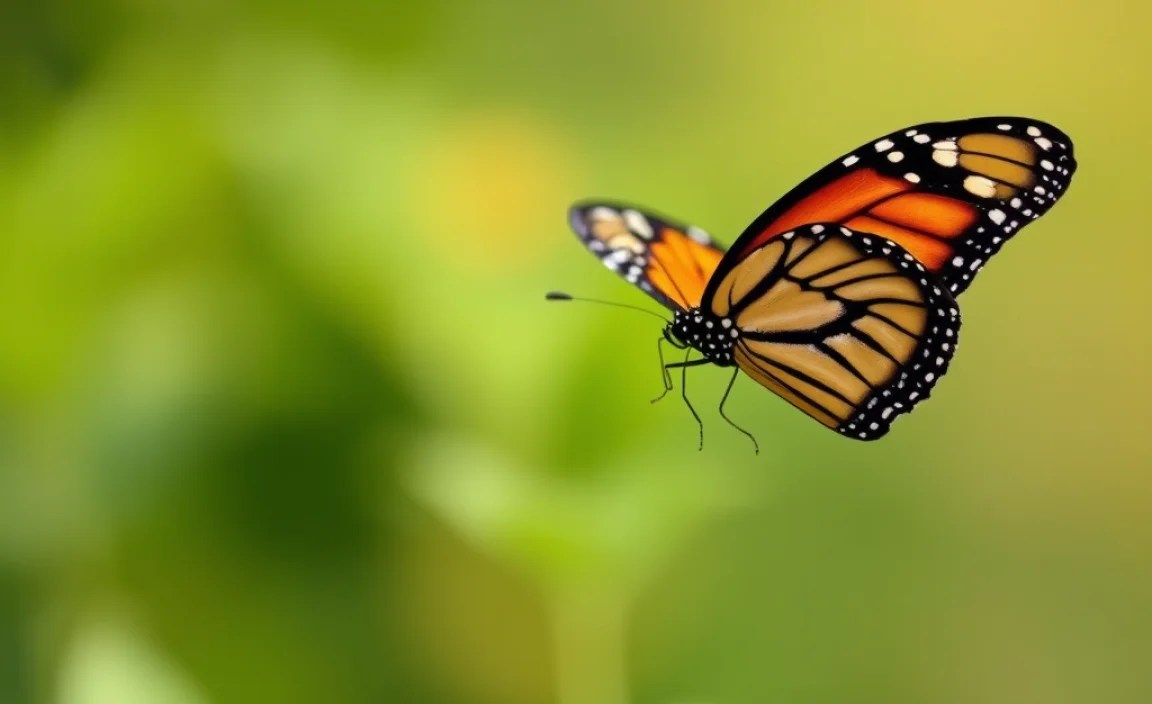
While the viceroy is the most famous, other butterfly species also mimic monarchs to some extent. These mimics are not always perfect copies, but they share enough similarities to confuse predators.
Queen Butterfly (Danaus gilippus)
The queen butterfly is another member of the milkweed butterfly family (Danainae), which also includes monarchs. Like monarchs, queen butterflies are toxic because their caterpillars feed on milkweed. They are found in the southern United States, Central America, and South America.
Queen butterflies are a rusty brown color, with black borders and white spots on their wings. They are slightly smaller than monarchs and lack the distinctive black veins on their wings. In some regions, queen butterflies mimic viceroys, creating a complex mimicry ring.
Soldier Butterfly (Danaus eresimus)
The soldier butterfly is another close relative of the monarch and queen. It is found in the southern United States, the Caribbean, and Central and South America. Like the other milkweed butterflies, soldier butterflies are toxic due to their milkweed diet.
Soldier butterflies are similar in color to monarchs, but they have a more uniform orange-brown color, with less distinct black veins. They also have a row of white spots along the edge of their wings.
Tiger Swallowtail (Papilio glaucus) – Female Form
The tiger swallowtail is a large, striking butterfly found throughout North America. While the males are always yellow with black stripes, the females come in two forms: a yellow form and a black form. The black form of the female tiger swallowtail mimics the poisonous pipevine swallowtail (Battus philenor). In areas where the pipevine swallowtail is common, the black form of the female tiger swallowtail is more prevalent.
While not a direct monarch mimic, the black form of the female tiger swallowtail demonstrates the power of mimicry in butterfly evolution. By resembling a toxic species, it gains protection from predators.
Why is Monarch Mimicry Important?
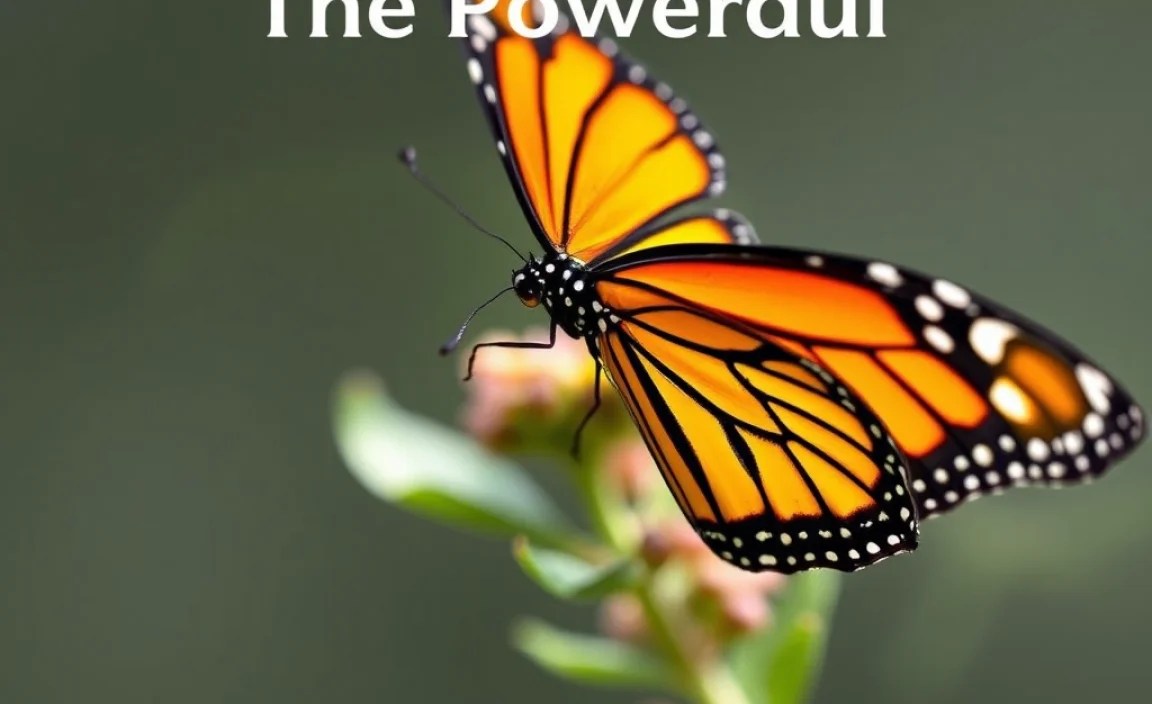
Monarch mimicry is an important example of evolution in action. It demonstrates how natural selection can drive the development of complex adaptations that enhance survival. By studying monarch mimicry, scientists can learn more about the processes of evolution, predator-prey interactions, and the ecological relationships between species.
Here are some reasons why monarch mimicry is important:
- Ecological significance: Mimicry plays a crucial role in shaping ecological communities. It influences the behavior of predators and the distribution of prey species.
- Evolutionary insights: Studying mimicry provides valuable insights into the mechanisms of evolution, such as natural selection and adaptation.
- Conservation implications: Understanding mimicry can help us protect vulnerable species. For example, conserving monarch butterflies also benefits their mimics.
The Role of Milkweed

Milkweed is the key to the monarch’s toxicity and, therefore, the success of its mimics. Monarch caterpillars feed exclusively on milkweed plants. Milkweed contains cardiac glycosides, which are poisonous to most animals. Monarch caterpillars are able to sequester these toxins in their bodies, making them unpalatable to predators.
Without milkweed, monarchs would not be toxic, and their mimics would not be protected. This highlights the importance of conserving milkweed habitats. As milkweed populations decline due to habitat loss and herbicide use, monarch populations are also declining, which in turn affects the effectiveness of monarch mimicry.
Planting Milkweed for Monarchs and Their Mimics
You can help monarchs and their mimics by planting milkweed in your garden or backyard. Here are some tips for creating a butterfly-friendly habitat:
- Choose native milkweed species: Native milkweed species are best adapted to your local climate and provide the best food source for monarch caterpillars. The Xerces Society is a great resource for identifying native milkweed species in your area.
- Plant milkweed in a sunny location: Milkweed needs at least six hours of sunlight per day.
- Provide other nectar sources: Plant other nectar-rich flowers to provide food for adult butterflies.
- Avoid using pesticides: Pesticides can harm butterflies and other beneficial insects.
- Create a water source: Butterflies need water to drink. You can provide a shallow dish of water with pebbles for them to land on.
Threats to Monarchs and Their Mimics
Monarch butterflies are facing numerous threats, including habitat loss, climate change, and pesticide use. These threats also affect their mimics, as the effectiveness of mimicry depends on the abundance of the model species.
Here are some of the major threats to monarchs and their mimics:
- Habitat loss: Monarchs rely on milkweed for food and breeding. Habitat loss due to agriculture, development, and herbicide use is reducing milkweed populations.
- Climate change: Climate change is altering monarch migration patterns and affecting the availability of milkweed and nectar sources.
- Pesticide use: Pesticides can directly kill butterflies and other beneficial insects. They can also reduce the availability of milkweed and nectar sources.
- Disease: Monarchs are susceptible to a protozoan parasite called Ophryocystis elektroscirrha (OE). OE infections can weaken monarchs and reduce their lifespan.
- Illegal logging: Illegal logging in the oyamel fir forests of Mexico, where monarchs overwinter, is destroying critical habitat.
Conservation Efforts
Many organizations and individuals are working to protect monarch butterflies and their habitats. Here are some of the things you can do to help:
- Plant milkweed: Plant native milkweed species in your garden or backyard.
- Reduce pesticide use: Avoid using pesticides in your garden and support organic farming practices.
- Support monarch conservation organizations: Donate to organizations that are working to protect monarch butterflies and their habitats.
- Educate others: Share your knowledge about monarch butterflies and the importance of conservation with your friends, family, and community.
- Participate in citizen science projects: Help scientists monitor monarch populations by participating in citizen science projects, such as the Monarch Watch program at the University of Kansas.
FAQ about Monarch Butterfly Mimicry
What is the main benefit of mimicry for butterflies?
Mimicry helps butterflies avoid predators. By resembling a toxic or unpalatable species, they trick predators into thinking they are also harmful, thus increasing their chances of survival.
Is the viceroy butterfly poisonous like the monarch?
While it was once thought that the viceroy butterfly was harmless, it is now known to be unpalatable. Viceroy caterpillars feed on willow and poplar trees, which contain salicylic acid, making them taste bitter.
How can I tell a monarch from a viceroy butterfly?
The easiest way to tell them apart is by looking at the hindwings. Viceroy butterflies have a black line running across their hindwings, while monarchs do not.
Why is milkweed important for monarch butterflies?
Milkweed is the only food source for monarch caterpillars. It also contains toxins that make monarchs poisonous to predators.
Are monarch butterfly populations declining?
Yes, monarch butterfly populations have declined significantly in recent years due to habitat loss, climate change, and pesticide use.
What can I do to help monarch butterflies?
You can help by planting milkweed in your garden, reducing pesticide use, supporting monarch conservation organizations, and educating others about the importance of monarch conservation.
Where can I learn more about monarch butterflies?
There are many great resources available online, including the Monarch Watch program at the University of Kansas, the Xerces Society, and the U.S. Fish and Wildlife Service.
Conclusion
Monarch butterfly mimicry is a truly remarkable example of nature’s ingenuity. These delicate creatures have evolved an elaborate system of disguise to protect themselves from predators. By understanding how mimicry works, we can gain a deeper appreciation for the complexity and beauty of the natural world.
However, monarch butterflies and their mimics are facing serious threats. Habitat loss, climate change, and pesticide use are all contributing to the decline of monarch populations. It is up to us to take action to protect these iconic butterflies and ensure that future generations can enjoy their beauty.
Planting milkweed, reducing pesticide use, and supporting conservation organizations are all important steps we can take to help monarchs and their mimics. By working together, we can make a difference and help these amazing creatures thrive.


