
Monarch Butterfly Global Distribution: A Powerful Guide

Quick Summary: Monarch butterflies are famous for their long migrations in North America. However, they’re also found in other parts of the world! You can spot them in places like Australia, New Zealand, Spain, and Portugal. These beautiful butterflies have adapted to various climates and habitats, making them a truly global species. Their populations outside North America are generally smaller and don’t migrate like their North American cousins.
Have you ever wondered where monarch butterflies live around the world? While they’re best known for their incredible migrations across North America, these beautiful creatures can be found in many other countries too. It’s easy to think they only live in one place, but monarchs have adapted to different environments across the globe. Understanding where they live helps us protect them everywhere. Let’s explore the fascinating world of monarch butterfly distribution together and discover where you might find these amazing insects!
Monarch Butterfly Global Distribution: A Comprehensive Guide

Monarch butterflies are a captivating species, celebrated for their vibrant colors and extraordinary migratory patterns. While North America is most commonly associated with monarchs, their distribution extends far beyond the continent. Let’s delve into the specifics of their global presence.
North America: The Monarch’s Primary Domain

North America is the heartland of monarch butterflies, hosting the most significant populations and the famous migratory routes. Here’s a detailed look:
- Eastern North America: This region is home to the largest monarch population, which undertakes an epic annual migration from Canada and the United States to the oyamel fir forests of central Mexico. The journey spans thousands of miles, with monarchs overwintering in dense colonies to survive the cold months.
- Western North America: West of the Rocky Mountains, a smaller monarch population migrates to overwintering sites along the California coast. These monarchs also breed throughout the western states, relying on milkweed patches scattered across the landscape.
- Southern United States: The southern states, such as Florida and Texas, host resident monarch populations that breed year-round. These regions provide essential breeding habitats, especially during the early stages of the migratory cycle.
Beyond North America: Discovering Monarchs in Other Regions

While North America is the primary domain, monarchs have established populations in various other parts of the world. These populations often exhibit different behaviors and adaptations.
Australia and Oceania
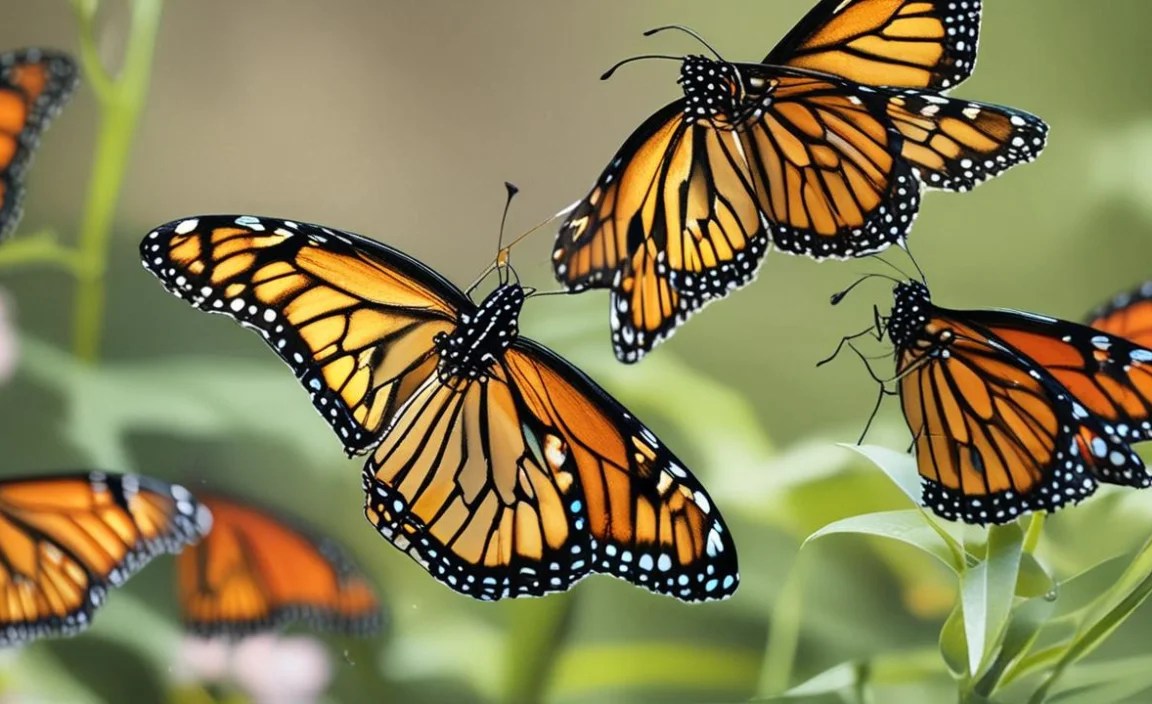
Monarchs were introduced to Australia and New Zealand in the 19th century and have since become well-established. Here’s what you need to know:
- Australia: Monarchs, known locally as “Wanderer” butterflies, are found across eastern and southeastern Australia. They thrive in urban and rural areas, wherever milkweed is available. Unlike their North American counterparts, Australian monarchs do not undertake long migrations.
- New Zealand: Introduced around the same time as in Australia, monarch butterflies are common throughout New Zealand. They are particularly abundant in gardens and parks, where milkweed is cultivated. The Monarch Butterfly Trust in New Zealand actively promotes monarch conservation.
- Other Pacific Islands: Monarchs can also be found on various Pacific Islands, including Hawaii. These populations are generally small and isolated, relying on local milkweed supplies.
Europe

Monarchs are not native to Europe, but they can be found in certain regions, particularly in the Iberian Peninsula and the Canary Islands.
- Spain and Portugal: Monarchs have established breeding populations in Spain and Portugal, especially in coastal areas. The mild climate and availability of milkweed support their survival. These populations are believed to have originated from accidental introductions.
- Canary Islands: These islands, located off the coast of Africa, also host monarch populations. The subtropical climate provides favorable conditions for year-round breeding.
Central and South America
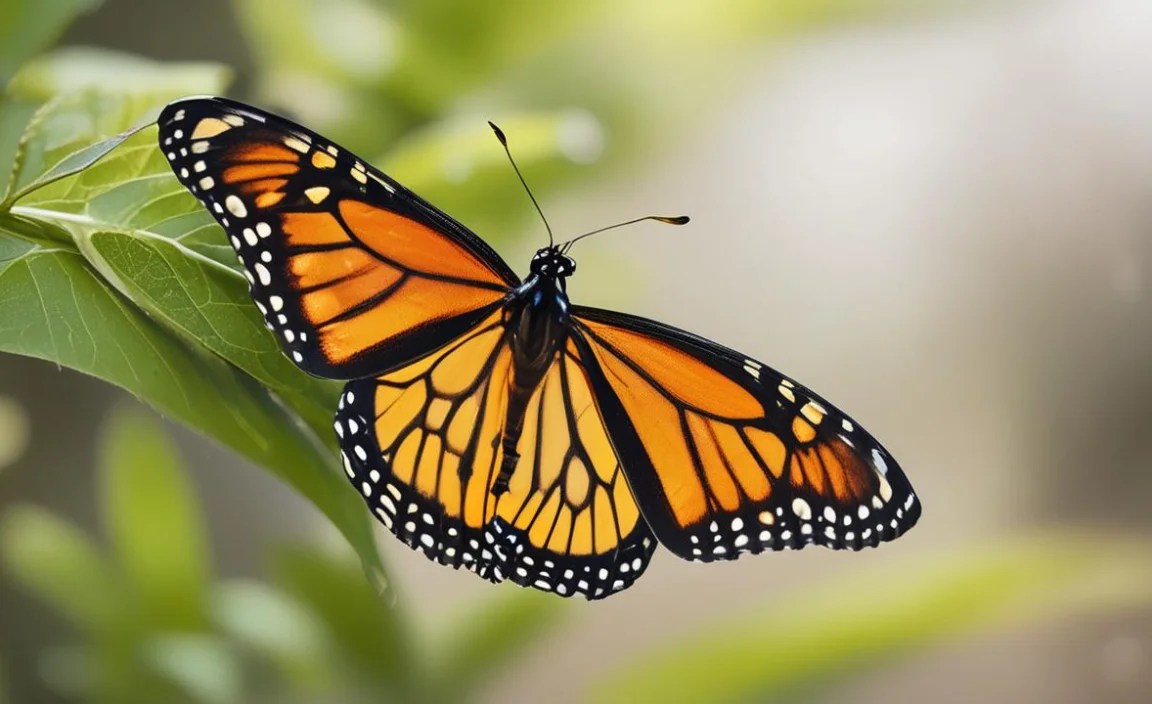
While Mexico is a crucial overwintering site for North American monarchs, the butterfly’s presence in other parts of Central and South America is less pronounced.
- Central America: Scattered populations exist in Central America, often in areas with suitable milkweed habitats. However, their numbers are generally low compared to North America.
- South America: Monarch sightings in South America are relatively rare. There have been reports of monarchs in countries like Brazil and Argentina, but these are typically considered vagrant individuals rather than established populations.
Factors Influencing Monarch Distribution

Several factors play a crucial role in determining where monarch butterflies can thrive:
- Availability of Milkweed: Milkweed is the sole food source for monarch caterpillars. The presence and abundance of milkweed are critical for monarch survival and distribution. Different species of milkweed can support monarch populations in various regions.
- Climate: Monarchs prefer moderate climates that are not too hot or too cold. Temperature affects their development, reproduction, and survival. Regions with mild winters and warm summers are generally more suitable for monarch populations.
- Habitat: Suitable habitats include fields, meadows, gardens, and other open areas with access to nectar sources for adult butterflies. The availability of nectar-rich flowers is essential for providing energy to adult monarchs.
- Human Activity: Human activities, such as habitat destruction, pesticide use, and climate change, can significantly impact monarch distribution. Conservation efforts are crucial for mitigating these negative impacts.
The Impact of Migration on Monarch Distribution

Migration is a defining characteristic of North American monarch populations. This behavior influences their distribution in several ways:
- Seasonal Range: During the breeding season, monarchs can be found across a vast range, from southern Canada to the southern United States. This wide distribution is facilitated by their ability to migrate long distances.
- Overwintering Sites: The need to overwinter in specific locations, such as the oyamel fir forests in Mexico and the California coast, concentrates monarch populations in these areas during the winter months.
- Genetic Diversity: Migration promotes genetic diversity by allowing monarchs from different regions to interbreed. This genetic exchange enhances their adaptability and resilience.
Conservation Efforts and Monarch Distribution
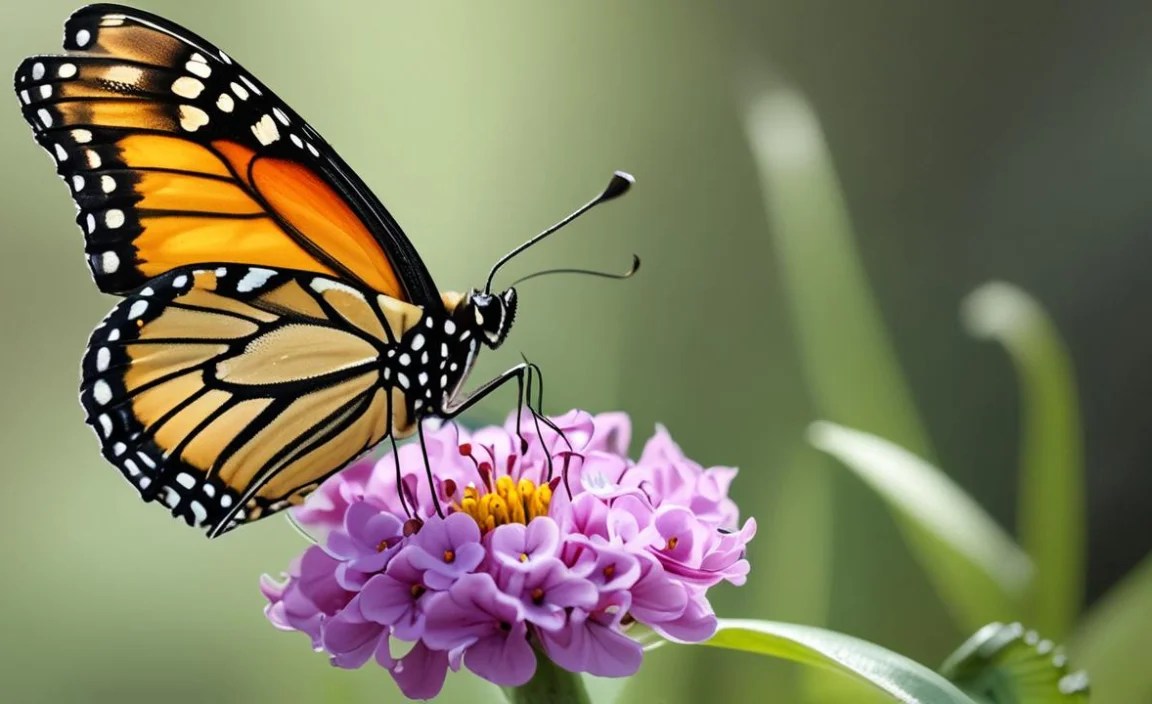
Protecting and expanding monarch distribution requires concerted conservation efforts. Here are some key strategies:
- Habitat Restoration: Restoring and creating milkweed habitats is essential for supporting monarch populations. This can involve planting milkweed in gardens, parks, and along roadsides.
- Pesticide Reduction: Reducing the use of pesticides, particularly neonicotinoids, can help protect monarchs and other pollinators. Organic gardening practices and integrated pest management strategies are beneficial.
- Climate Change Mitigation: Addressing climate change is crucial for preserving monarch habitats and migratory patterns. Reducing greenhouse gas emissions and promoting sustainable land management practices are important steps.
- Public Education: Raising awareness about monarch conservation can inspire individuals and communities to take action. Educational programs, citizen science projects, and outreach events can help promote monarch conservation.
Monarch Butterfly Habitats Around the World

The following table summarizes the types of habitats where monarch butterflies can be found in different regions of the world:
| Region | Habitat Type | Key Characteristics |
|---|---|---|
| North America | Fields, meadows, gardens, forests | Abundant milkweed, nectar-rich flowers, overwintering sites |
| Australia | Urban and rural areas, gardens, parks | Milkweed patches, mild climate |
| New Zealand | Gardens, parks, rural areas | Cultivated milkweed, temperate climate |
| Spain and Portugal | Coastal areas, gardens, fields | Mild climate, availability of milkweed |
| Canary Islands | Subtropical areas, gardens | Year-round breeding conditions |
Threats to Monarch Populations Globally

Monarch butterflies face several threats that impact their distribution and abundance:
- Habitat Loss: The destruction of milkweed habitats due to agriculture, urbanization, and development is a major threat.
- Pesticide Use: Pesticides, particularly neonicotinoids, can kill monarch caterpillars and adults.
- Climate Change: Climate change can disrupt monarch migration patterns, alter milkweed distribution, and increase the frequency of extreme weather events.
- Illegal Logging: Illegal logging in the oyamel fir forests of Mexico destroys overwintering habitat for eastern monarch populations.
- Disease and Parasites: Monarchs can be affected by diseases and parasites, such as Ophryocystis elektroscirrha (OE), which can weaken and kill them.
How to Support Monarch Butterflies in Your Area

Here are some practical steps you can take to support monarch butterflies in your local area:
- Plant Milkweed: Plant native milkweed species in your garden or community. Different regions have different milkweed species that are best suited for monarchs.
- Provide Nectar Sources: Plant nectar-rich flowers that bloom throughout the monarch breeding season. Choose a variety of colors and shapes to attract different pollinators.
- Avoid Pesticides: Avoid using pesticides in your garden, especially insecticides that can harm monarch caterpillars and adults.
- Create a Butterfly Garden: Designate a section of your yard as a butterfly garden, with milkweed, nectar plants, and a water source.
- Educate Others: Share your knowledge about monarch butterflies with friends, family, and neighbors. Encourage them to take action to support monarch conservation.
- Support Conservation Organizations: Donate to or volunteer with organizations that are working to protect monarch butterflies and their habitats.
- Participate in Citizen Science: Participate in citizen science projects, such as monarch tagging or monitoring, to help researchers track monarch populations and migration patterns.
Monarch Butterfly Migration Patterns by Region
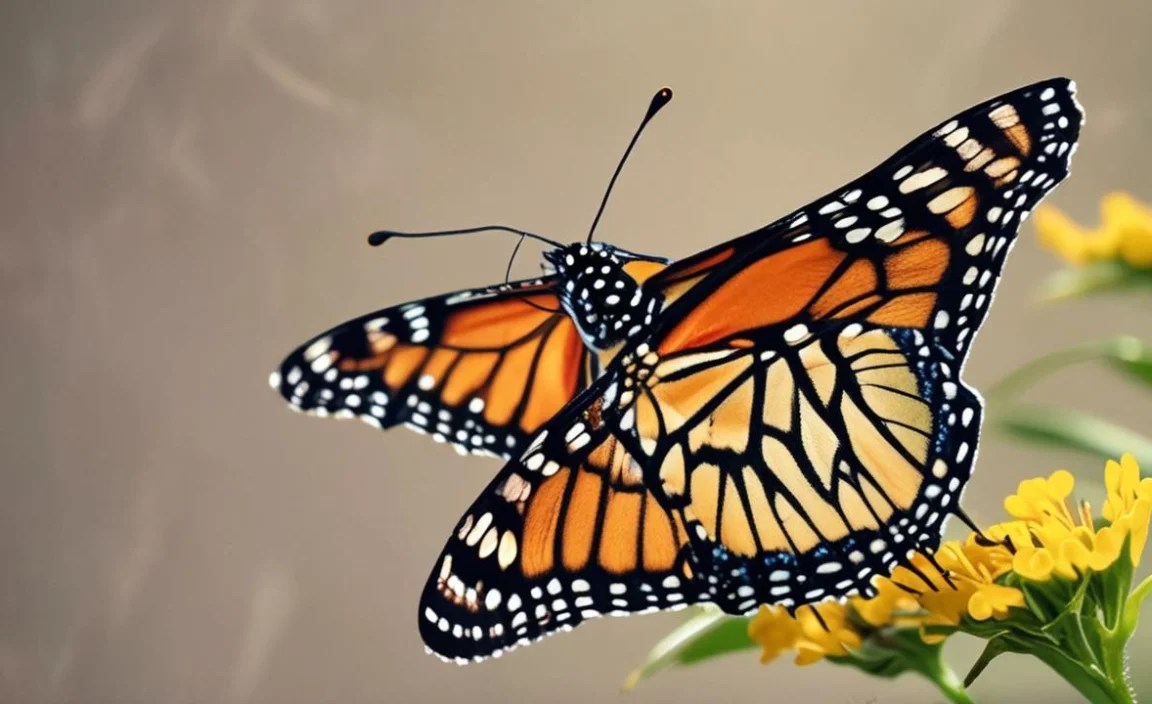
The table below summarizes the migration patterns of monarch butterflies in different regions:
| Region | Migration Pattern | Key Characteristics |
|---|---|---|
| Eastern North America | Long-distance migration to Mexico | Overwinter in oyamel fir forests, multi-generational migration |
| Western North America | Migration to California coast | Overwinter along the Pacific coast, shorter migration distances |
| Australia | Non-migratory | Resident populations, no long-distance migration |
| New Zealand | Non-migratory | Resident populations, no long-distance migration |
| Spain and Portugal | Limited migration | Some local movements, but no large-scale migration |
The Role of Citizen Science in Mapping Monarch Distribution

Citizen science plays a crucial role in mapping and monitoring monarch butterfly distribution. Here’s how you can get involved:
- Monarch Watch: Monarch Watch is a citizen science program that engages volunteers in tagging monarch butterflies to track their migration patterns. By tagging monarchs, you can help researchers understand where they go and how they use different habitats.
- Journey North: Journey North is a citizen science project that tracks the migration of monarchs and other wildlife. You can report your monarch sightings to Journey North to help create a real-time map of monarch distribution.
- iNaturalist: iNaturalist is a platform where you can upload photos of monarchs and other organisms to help identify and map their distribution. Your observations can contribute to a better understanding of monarch ecology.
- Local Monitoring Programs: Many local and regional organizations conduct monarch monitoring programs. Check with your local nature center or conservation group to see if there are opportunities to participate in monarch surveys or habitat assessments.
Resources for Further Exploration
To deepen your understanding of monarch butterfly global distribution, here are some valuable resources:
- The Xerces Society: The Xerces Society is a non-profit organization that works to protect invertebrates and their habitats. Their website offers information on monarch conservation, including habitat restoration and pesticide reduction. Xerces Society
- Monarch Joint Venture: The Monarch Joint Venture is a partnership of organizations working to protect monarch butterflies across their range. Their website provides resources on monarch biology, conservation, and education. Monarch Joint Venture
- U.S. Fish and Wildlife Service: The U.S. Fish and Wildlife Service is responsible for protecting endangered and threatened species, including monarch butterflies. Their website offers information on monarch conservation efforts and regulatory actions. U.S. Fish and Wildlife Service
- National Geographic: National Geographic provides articles and videos on monarch butterflies, including their migration patterns and conservation challenges. National Geographic
Frequently Asked Questions (FAQ)
1. Where are monarch butterflies primarily found?

Monarch butterflies are primarily found in North America, particularly in the United States, Canada, and Mexico. They are known for their long migrations between these regions.
2. Do monarch butterflies live in Europe?

Yes, monarch butterflies can be found in Europe, particularly in Spain and Portugal. These populations are smaller and do not migrate like their North American counterparts.
3. Are there monarch butterflies in Australia?

Yes, monarch butterflies are present in Australia, where they are called “Wanderer” butterflies. They are found mainly in eastern and southeastern Australia and do not undertake long migrations.
4. What is the main food source for monarch caterpillars?

Monarch caterpillars exclusively feed on milkweed plants. The presence of milkweed is essential for monarch survival and distribution.
5. Why are monarch butterflies important?

Monarch butterflies are important pollinators and play a crucial role in the ecosystem. They also serve as an indicator species, reflecting the health of their habitats.
6. How can I help protect monarch butterflies?

You can help protect monarch butterflies by planting milkweed and nectar-rich flowers, avoiding pesticide use, and supporting conservation organizations.
7. Do all monarch butterfly populations migrate?
No, not all monarch butterfly populations migrate. While the North American populations are famous for their long migrations, populations in Australia and other regions are generally non-migratory.
Understanding the global distribution of monarch butterflies highlights the adaptability and resilience of this iconic species. While North America remains their primary domain, their presence in other regions underscores the importance of international conservation efforts. By protecting and restoring monarch habitats, reducing pesticide use, and addressing climate change, we can ensure that these beautiful butterflies continue to thrive around the world. Every action, no matter how small, contributes to the larger goal of preserving monarch populations for future generations. So, let’s all do our part to support these incredible creatures and celebrate the beauty of nature.


