
Monarch Butterfly in California: Spot It!

The monarch butterfly population in California faces serious challenges, but you can help! By planting milkweed, reducing pesticide use, and supporting conservation efforts, you can contribute to the survival of these iconic butterflies. Learn about their life cycle, migration patterns, and how to create a monarch-friendly habitat in your own backyard.
Have you ever been captivated by the sight of a monarch butterfly, with its vibrant orange and black wings? These beautiful creatures are more than just a pretty sight; they play a vital role in our ecosystem as pollinators. Unfortunately, the monarch butterfly population in California has declined dramatically in recent years. This decline is due to habitat loss, pesticide use, and climate change. But don’t worry, there are things you can do to help!
This guide will walk you through everything you need to know about monarch butterflies in California, from understanding their life cycle to creating a butterfly-friendly garden. You’ll discover simple yet effective ways to support these amazing insects and ensure their survival for generations to come. Let’s get started on this exciting journey to protect the monarchs!
Understanding the Monarch Butterfly in California

Monarch butterflies are not just beautiful; they are also a vital part of California’s ecosystem. Understanding their unique life cycle and migration patterns is the first step in helping them thrive.
The Monarch Life Cycle
The monarch butterfly goes through four distinct stages in its life cycle:
- Egg: Monarchs lay their eggs exclusively on milkweed plants. These tiny, cream-colored eggs are usually found on the underside of milkweed leaves.
- Larva (Caterpillar): Once the egg hatches, a tiny caterpillar emerges. The caterpillar’s primary job is to eat and grow. Monarch caterpillars feed exclusively on milkweed, which makes this plant crucial for their survival.
- Pupa (Chrysalis): After several weeks of feeding and growing, the caterpillar transforms into a jade-green chrysalis. Inside this protective shell, a remarkable transformation takes place.
- Adult Butterfly: After about two weeks, the chrysalis becomes transparent, revealing the orange and black wings of the adult monarch butterfly. The butterfly emerges, ready to reproduce and continue the cycle.
The Amazing Monarch Migration
Monarch butterflies are famous for their incredible multi-generational migration. Eastern monarchs migrate thousands of miles from Canada and the eastern United States to overwintering sites in Mexico. Western monarchs, found in California, undertake a shorter but still impressive migration.
In the fall, monarchs west of the Rocky Mountains migrate to the California coast to escape the cold winters. They gather in groves of trees, forming large clusters that provide warmth and protection. These overwintering sites are primarily located along the central coast of California. As the weather warms in the spring, the monarchs leave their overwintering sites and begin to breed, laying their eggs on milkweed plants as they move inland.
The Xerces Society offers detailed information about monarch conservation in California, highlighting the importance of protecting overwintering habitats and restoring breeding grounds.
Why Are Monarchs Important?
Monarch butterflies are important pollinators, contributing to the health of California’s ecosystems and agriculture. As they fly from flower to flower, they transfer pollen, which is essential for plant reproduction. Their presence is an indicator of a healthy environment, and their decline signals broader ecological problems.
Threats to Monarch Butterflies in California

Unfortunately, monarch butterflies face numerous threats that have led to a significant decline in their population. Understanding these threats is crucial for taking effective conservation action.
Habitat Loss
Habitat loss is one of the biggest threats to monarch butterflies. This includes the loss of milkweed, which is the only food source for monarch caterpillars, and the destruction of overwintering sites along the California coast.
- Milkweed Loss: Development, agriculture, and herbicide use have reduced the availability of milkweed in California. Without milkweed, monarch caterpillars cannot survive.
- Overwintering Site Destruction: Coastal development, logging, and tree removal have damaged or destroyed many of the groves where monarchs overwinter. These sites provide crucial shelter from the cold and wind.
Pesticide Use
Pesticides, especially insecticides, can be harmful to monarch butterflies. Even if they don’t directly kill the butterflies, pesticides can reduce the availability of milkweed and nectar plants, or weaken the butterflies, making them more susceptible to disease and predation.
Climate Change
Climate change is another significant threat to monarch butterflies. Changes in temperature and rainfall patterns can disrupt their migration and breeding cycles. Extreme weather events, such as droughts and wildfires, can also destroy milkweed and overwintering habitats.
Disease and Predation
Monarch butterflies are also susceptible to diseases and predation. A common disease is caused by a protozoan parasite called *Ophryocystis elektroscirrha* (OE). Heavily infected monarchs are weaker, have difficulty flying, and may not be able to reproduce. Predators, such as birds and insects, also prey on monarch caterpillars and butterflies.
| Threat | Description | Impact on Monarchs |
|---|---|---|
| Habitat Loss | Destruction of milkweed and overwintering sites | Reduces food and shelter, limiting survival and reproduction |
| Pesticide Use | Exposure to insecticides and herbicides | Directly kills butterflies, reduces food sources, and weakens populations |
| Climate Change | Changes in temperature, rainfall, and extreme weather events | Disrupts migration and breeding cycles, destroys habitats |
| Disease and Predation | Parasites and predators | Weakens butterflies, reduces survival rates |
How to Help Monarch Butterflies in California

Despite the challenges, there are many ways you can help monarch butterflies in California. Even small actions can make a big difference.
Plant Milkweed
Planting milkweed is one of the most effective ways to support monarch butterflies. Milkweed is the only food source for monarch caterpillars, so it is essential for their survival. When selecting milkweed, choose native varieties that are well-suited to your local climate and ecosystem. Some popular native milkweed species in California include:
- Narrowleaf Milkweed (*Asclepias fascicularis*): This is one of the most common and widely distributed milkweed species in California. It is drought-tolerant and easy to grow.
- California Milkweed (*Asclepias californica*): This species is native to the central and southern parts of California. It prefers dry, sunny locations.
- Showy Milkweed (*Asclepias speciosa*): This milkweed species is known for its large, fragrant flowers. It is native to many parts of the western United States, including California.
You can find milkweed plants at local nurseries or online. Be sure to choose plants that have not been treated with pesticides. Plant milkweed in a sunny location with well-drained soil. Water regularly until the plants are established.
Create a Butterfly Garden
In addition to milkweed, you can create a butterfly garden with a variety of nectar-rich flowers. These flowers will provide food for adult monarch butterflies and other pollinators. Choose a mix of flowers that bloom throughout the growing season to provide a continuous source of nectar.
Some great nectar plants for monarch butterflies include:
- California Poppy (*Eschscholzia californica*): The state flower of California, it provides early season nectar.
- Zinnias (*Zinnia elegans*): These colorful flowers are easy to grow and attract a wide variety of butterflies.
- Cosmos (*Cosmos bipinnatus*): These daisy-like flowers come in a range of colors and bloom for a long time.
- Lantana (*Lantana camara*): Lantana produces clusters of small, bright flowers that are very attractive to butterflies.
- Salvias (*Salvia spp.*): Many salvia species are drought-tolerant and provide nectar for butterflies and hummingbirds.
Plant your butterfly garden in a sunny location with well-drained soil. Water regularly and avoid using pesticides.
Reduce Pesticide Use
Reducing or eliminating pesticide use is crucial for protecting monarch butterflies and other pollinators. Pesticides can directly kill butterflies or reduce the availability of their food sources. Avoid using pesticides in your garden and encourage your neighbors to do the same. If you must use pesticides, choose targeted options that are less harmful to beneficial insects. Always follow the instructions on the label carefully.
Support Conservation Organizations
Many organizations are working to protect monarch butterflies and their habitats in California. Supporting these organizations through donations or volunteer work can make a big difference. Some organizations to consider supporting include:
- The Xerces Society: This organization works to protect invertebrates and their habitats through science-based conservation.
- Monarch Joint Venture: A partnership of organizations and individuals working to protect monarch butterflies across their range.
- California Native Plant Society: This organization works to protect California’s native plants and ecosystems.
Advocate for Monarch Conservation
You can also help monarch butterflies by advocating for their conservation. Contact your elected officials and urge them to support policies that protect monarch habitats and reduce pesticide use. Educate your friends, family, and community about the importance of monarch conservation.
Participate in Citizen Science Projects
Citizen science projects allow you to contribute to scientific research by collecting data on monarch butterflies. These projects help scientists track monarch populations, monitor their migration patterns, and assess the health of their habitats. Some citizen science projects to consider include:
- Monarch Watch: This program encourages people to tag monarch butterflies and track their migration.
- Journey North: This program allows you to report your sightings of monarch butterflies and milkweed plants.
- Western Monarch Milkweed Mapper: This project focuses on mapping milkweed distribution and monarch breeding activity in the western United States.
Creating a Monarch-Friendly Habitat: Step-by-Step
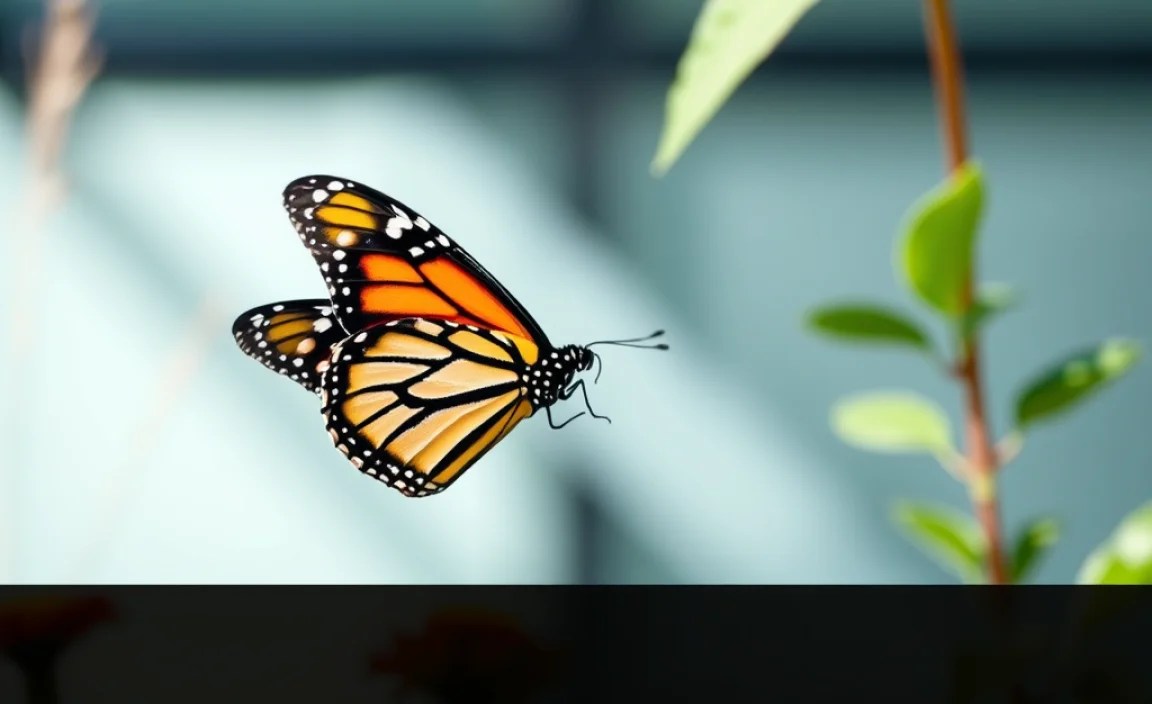
Creating a monarch-friendly habitat in your backyard is a rewarding way to support these beautiful butterflies. Here’s a step-by-step guide to help you get started:
- Choose a Sunny Location: Monarch butterflies need sunlight to warm their bodies and nectar plants need sunlight to bloom. Select a location in your yard that receives at least six hours of sunlight per day.
- Prepare the Soil: Monarch butterflies prefer well-drained soil. If your soil is heavy clay, amend it with compost or other organic matter to improve drainage.
- Plant Milkweed: Choose native milkweed species that are well-suited to your local climate and ecosystem. Plant milkweed in clusters to create a mini-habitat for monarch caterpillars.
- Add Nectar Plants: Select a variety of nectar-rich flowers that bloom throughout the growing season. Choose a mix of colors and shapes to attract a wide range of butterflies.
- Provide Water: Butterflies need water to stay hydrated. Provide a shallow dish of water with pebbles or stones for them to land on.
- Avoid Pesticides: Pesticides can harm or kill monarch butterflies and other pollinators. Avoid using pesticides in your garden.
- Monitor Your Garden: Keep an eye on your milkweed and nectar plants. Look for monarch eggs, caterpillars, and butterflies. Remove any invasive plants that may compete with your milkweed and nectar plants.
Monarch Butterfly Overwintering Sites in California

During the winter months, monarch butterflies migrate to specific overwintering sites along the California coast. These sites provide the shelter and resources they need to survive the cold winter months.
Key Overwintering Locations
Monarchs gather in groves of trees, often eucalyptus, Monterey pine, and Monterey cypress, forming large clusters that provide warmth and protection. Some of the most important overwintering sites in California include:
- Pismo State Beach Monarch Butterfly Grove: Located in Pismo Beach, this is one of the largest and most well-known overwintering sites in California.
- Natural Bridges State Beach: Located in Santa Cruz, this park has a beautiful natural bridge and a monarch butterfly grove.
- Andrew Molera State Park: Located in Big Sur, this park offers a more secluded overwintering experience.
- Goleta Butterfly Grove: Located near Santa Barbara, this smaller grove is still an important overwintering site.
Visiting Overwintering Sites Responsibly
If you plan to visit an overwintering site, it’s important to do so responsibly to avoid disturbing the butterflies:
- Stay on Marked Trails: Avoid walking through the butterfly groves to prevent disturbing the butterflies.
- Keep a Respectful Distance: Observe the butterflies from a distance. Do not touch or handle them.
- Avoid Loud Noises: Keep your voice down and avoid making loud noises that could disturb the butterflies.
- Do Not Use Flash Photography: Flash photography can disorient the butterflies.
- Respect Closures: Some areas may be closed to protect the butterflies. Respect these closures and follow the instructions of park staff.
| Overwintering Site | Location | Description |
|---|---|---|
| Pismo State Beach Monarch Butterfly Grove | Pismo Beach | One of the largest and most accessible overwintering sites |
| Natural Bridges State Beach | Santa Cruz | Features a monarch butterfly grove and a natural bridge |
| Andrew Molera State Park | Big Sur | A more secluded overwintering site in a beautiful natural setting |
| Goleta Butterfly Grove | Santa Barbara | A smaller but still important overwintering site |
Frequently Asked Questions (FAQ)
Here are some common questions about monarch butterflies in California:
- What is the best time to see monarch butterflies in California?
- The best time to see monarch butterflies in California is during the overwintering season, from November to February. During this time, the butterflies gather in large clusters in coastal groves.
- What kind of milkweed should I plant for monarch butterflies in California?
- It is best to plant native milkweed species, such as Narrowleaf Milkweed (*Asclepias fascicularis*), California Milkweed (*Asclepias californica*), or Showy Milkweed (*Asclepias speciosa*). These species are well-suited to California’s climate and ecosystem.
- Are monarch butterflies endangered in California?
- While monarch butterflies are not officially listed as endangered, their populations have declined dramatically in recent years. They are considered a species of concern and are at risk of extinction.
- What can I do to help monarch butterflies if I don’t have a garden?
- Even if you don’t have a garden, you can still help monarch butterflies by supporting conservation organizations, advocating for monarch conservation, and reducing pesticide use in your community.
- How long do monarch butterflies live?
- Monarch butterflies have a relatively short lifespan. The butterflies that emerge in the spring and summer live for only a few weeks. However, the generation that migrates to California can live for several months.
- Why are monarch butterflies orange and black?
- The bright orange and black coloring of monarch butterflies serves as a warning to predators. Monarch caterpillars feed on milkweed, which contains toxic compounds called cardiac glycosides. These compounds make the butterflies taste bad and can even be poisonous to some predators.
- How can I tell the difference between a male and female monarch butterfly?
- Male monarch butterflies have two black spots on their hindwings, while females do not. Males also have slightly thinner wing veins than females.
Conclusion
The monarch butterfly is a true icon of California’s natural beauty. While these amazing creatures face significant challenges, each of us has the power to make a difference. By planting milkweed, creating butterfly-friendly habitats, reducing pesticide use, and supporting conservation efforts, we can help ensure that monarch butterflies continue to grace our gardens and landscapes for generations to come.
So, let’s roll up our sleeves, get our hands dirty, and create a brighter future for the monarch butterfly! Every little bit counts, and together, we can make a real impact on the survival of this incredible species. Happy butterfly gardening!


