
Is the Monarch Endangered? Powerful Facts Revealed

Quick Summary:
The monarch butterfly is currently classified as endangered by the International Union for Conservation of Nature (IUCN). While not yet listed under the U.S. Endangered Species Act, its populations have significantly declined due to habitat loss, climate change, and pesticide use. Ongoing conservation efforts are crucial to ensure the monarch’s survival.
Have you ever watched a monarch butterfly flutter by and wondered about its future? These beautiful creatures, with their striking orange and black wings, are facing serious challenges. Habitat loss and climate change are making it harder for them to survive. It’s a worrying situation, but there’s still hope! In this article, we’ll explore the current status of the monarch butterfly and what we can do to help protect them. Together, we can make a difference and ensure these amazing butterflies continue to grace our world.
Is the Monarch Butterfly Endangered? A Naturalist’s Guide

As a naturalist and butterfly enthusiast, I’ve spent years observing and studying these amazing insects. The question of whether the monarch butterfly is endangered is one I hear often, and it’s a complex issue with a lot of factors to consider. Let’s dive into the details and understand the current situation.
Understanding the Monarch Butterfly’s Status
The monarch butterfly (Danaus plexippus) is famous for its incredible annual migration, one of the most remarkable feats in the insect world. Monarchs travel thousands of miles from Canada and the United States to overwintering sites in Mexico and California. This journey is not only impressive but also essential for their survival.
However, over the past few decades, monarch populations have declined dramatically. This decline has raised serious concerns about their long-term survival and led to various conservation efforts.
Official Conservation Status
The International Union for Conservation of Nature (IUCN) Red List, a comprehensive inventory of the global conservation status of biological species, has officially listed the monarch butterfly as endangered. This assessment, released in 2022, highlights the severe threats facing these butterflies and underscores the urgent need for conservation action. You can read more about the IUCN’s assessment here.
In the United States, the monarch butterfly is currently a candidate for listing under the Endangered Species Act (ESA). While it is not yet officially listed, the U.S. Fish and Wildlife Service (USFWS) has recognized the significant threats to the monarch population and is actively reviewing its status. The Xerces Society is a great resource to check for updates. You can find more information on their website at xerces.org.
Why Are Monarch Butterflies Declining?
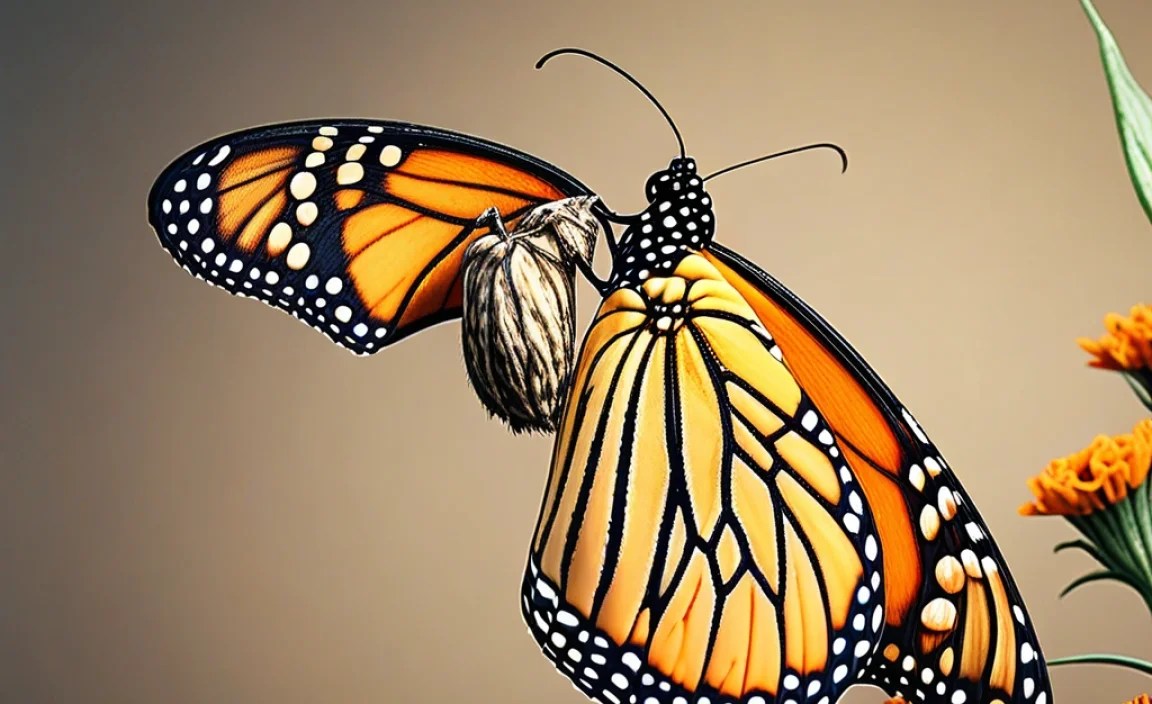
Several factors contribute to the decline of monarch butterflies. Understanding these threats is crucial for developing effective conservation strategies.
Habitat Loss
One of the primary reasons for the monarch’s decline is the loss of its habitat, particularly milkweed plants. Milkweed is the only food source for monarch caterpillars, and its decline directly impacts the monarch population.
- Agricultural Practices: The widespread use of herbicides in agriculture has destroyed milkweed plants in farm fields and along roadsides.
- Development: Urban sprawl and development have reduced the amount of natural habitat available for monarchs.
- Logging: Illegal logging in the monarch’s overwintering sites in Mexico has destroyed critical habitat.
Climate Change
Climate change poses a significant threat to monarch butterflies, disrupting their migration patterns and breeding cycles. Extreme weather events, such as droughts and severe storms, can also devastate monarch populations.
- Temperature Changes: Altered temperatures can affect the timing of milkweed emergence and monarch migration, leading to mismatches between the two.
- Extreme Weather: Droughts can reduce milkweed availability, while severe storms can destroy breeding and overwintering habitats.
Pesticide Use
The use of pesticides, particularly neonicotinoids, can harm monarch butterflies. These pesticides are toxic to insects and can affect monarch caterpillars and adults.
- Direct Exposure: Monarchs can be directly exposed to pesticides when they feed on nectar or when caterpillars consume treated milkweed.
- Indirect Effects: Pesticides can also indirectly affect monarchs by reducing the availability of other nectar sources.
Disease and Parasites
Monarchs are susceptible to various diseases and parasites, which can weaken them and reduce their survival rates. One common parasite is Ophryocystis elektroscirrha (OE), which infects monarch caterpillars and adults.
- OE Infection: OE infection can reduce monarch lifespan, flight ability, and reproductive success.
- Habitat Overlap: Concentrated breeding in small areas can increase the spread of OE and other diseases.
How to Help Monarch Butterflies: Practical Steps
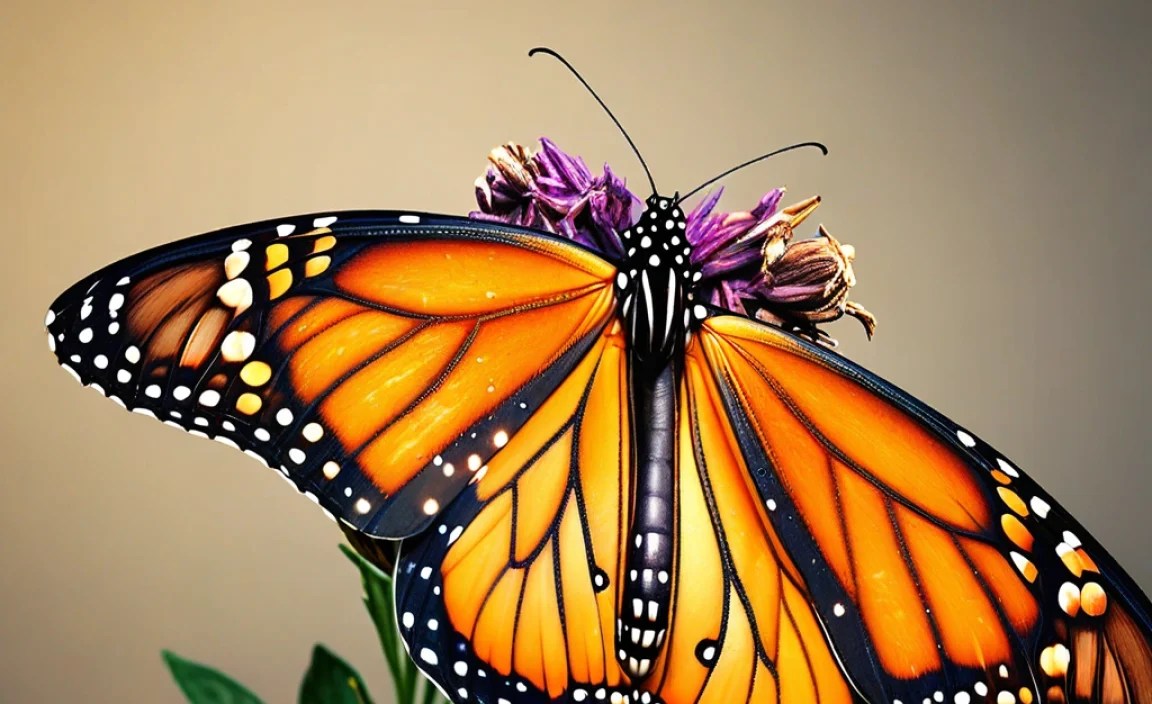
Despite the challenges, there are many ways we can help protect monarch butterflies and support their recovery. Here are some practical steps you can take:
1. Plant Milkweed
Planting milkweed is one of the most effective ways to help monarch butterflies. Milkweed is the only plant that monarch caterpillars can eat, so providing a steady supply is essential for their survival.
- Choose Native Milkweed: Select milkweed species that are native to your area. Native plants are best adapted to local conditions and provide the best habitat for monarchs.
- Plant a Variety: Plant different species of milkweed to provide a continuous food source throughout the monarch breeding season.
- Avoid Pesticides: Do not use pesticides on or near your milkweed plants, as they can harm monarch caterpillars.
2. Create a Butterfly Garden
In addition to milkweed, providing other nectar-rich flowers can help support adult monarch butterflies. A butterfly garden can provide a valuable food source and habitat for monarchs and other pollinators.
- Choose Nectar-Rich Flowers: Select flowers that are rich in nectar and bloom at different times of the year.
- Plant in Sunny Locations: Butterflies prefer sunny locations, so plant your butterfly garden in an area that receives plenty of sunlight.
- Provide Water: Provide a shallow dish of water with pebbles or stones for butterflies to drink from.
3. Reduce Pesticide Use
Reducing or eliminating pesticide use in your garden and community can help protect monarch butterflies and other beneficial insects.
- Use Natural Pest Control: Opt for natural pest control methods, such as hand-picking pests, using beneficial insects, or applying organic insecticides.
- Avoid Neonicotinoids: Avoid using neonicotinoid pesticides, as they are highly toxic to insects and can harm monarch butterflies.
- Advocate for Change: Encourage your community and local government to reduce pesticide use in public spaces.
4. Support Conservation Organizations
Many organizations are working to protect monarch butterflies and their habitat. Supporting these organizations can help fund research, habitat restoration, and education programs.
- Donate: Donate to organizations that are working to protect monarch butterflies.
- Volunteer: Volunteer your time to help with habitat restoration or monitoring projects.
- Spread Awareness: Share information about monarch butterflies and their conservation with your friends, family, and community.
5. Participate in Citizen Science
Citizen science projects allow you to contribute to monarch research and conservation efforts. By participating in these projects, you can help scientists track monarch populations, monitor their migration patterns, and assess the effectiveness of conservation efforts.
- Monarch Watch: Participate in Monarch Watch’s tagging program to help track monarch migration patterns.
- Journey North: Report your monarch sightings to Journey North to help track their migration progress.
- iNaturalist: Use iNaturalist to document monarch sightings and contribute to a global database of biodiversity observations.
6. Advocate for Policy Changes
Advocating for policy changes that protect monarch butterflies and their habitat can have a significant impact. Contact your elected officials and urge them to support legislation that promotes monarch conservation.
- Support Habitat Protection: Advocate for policies that protect and restore monarch habitat, such as milkweed and nectar-rich flower patches.
- Reduce Pesticide Use: Support policies that restrict the use of harmful pesticides, particularly neonicotinoids.
- Fund Conservation Programs: Advocate for increased funding for monarch conservation programs.
Monarch Butterfly Conservation Efforts: Current Initiatives

Various conservation efforts are underway to protect monarch butterflies and their habitat. These initiatives involve governments, organizations, and individuals working together to support monarch recovery.
Habitat Restoration
Habitat restoration projects aim to restore and enhance monarch habitat by planting milkweed and nectar-rich flowers. These projects often involve partnerships between government agencies, conservation organizations, and private landowners.
- Milkweed Planting: Large-scale milkweed planting initiatives are underway in many regions to provide a critical food source for monarch caterpillars.
- Nectar Corridor Creation: Creating corridors of nectar-rich flowers can help provide adult monarchs with the energy they need to migrate and reproduce.
Research and Monitoring
Research and monitoring programs are essential for tracking monarch populations, understanding their migration patterns, and assessing the effectiveness of conservation efforts.
- Population Monitoring: Scientists use various methods to monitor monarch populations, including counting butterflies at overwintering sites and tracking their numbers during the breeding season.
- Migration Tracking: Tagging and other tracking methods are used to study monarch migration patterns and identify important stopover sites.
Education and Outreach
Education and outreach programs play a crucial role in raising awareness about monarch butterflies and their conservation needs. These programs aim to engage the public and inspire them to take action to help monarchs.
- School Programs: Educational programs in schools teach students about monarch biology, conservation, and how they can help protect these butterflies.
- Community Events: Community events, such as butterfly festivals and garden tours, provide opportunities for people to learn about monarchs and get involved in conservation efforts.
The Impact of Climate Change on Monarchs

Climate change is a significant threat to monarch butterflies, affecting their migration patterns, breeding cycles, and habitat availability. Understanding these impacts is crucial for developing effective conservation strategies.
Disrupted Migration Patterns
Changes in temperature and precipitation patterns can disrupt monarch migration, causing them to arrive at their overwintering sites at the wrong time or in poor condition.
- Altered Timing: Warmer temperatures can cause milkweed to emerge earlier in the spring, leading to a mismatch between the timing of monarch migration and the availability of food for caterpillars.
- Increased Mortality: Extreme weather events, such as droughts and severe storms, can increase monarch mortality during migration.
Habitat Degradation
Climate change can also degrade monarch habitat, reducing the availability of milkweed and nectar-rich flowers.
- Drought: Droughts can reduce milkweed growth and nectar production, limiting food availability for monarchs.
- Habitat Shifts: Changes in temperature and precipitation can cause shifts in plant distributions, potentially reducing the amount of suitable habitat for monarchs.
Increased Disease Risk
Climate change can increase the risk of disease and parasite outbreaks in monarch populations.
- Warmer Temperatures: Warmer temperatures can favor the spread of diseases and parasites, such as OE.
- Habitat Concentration: Concentrated breeding in small areas due to habitat loss can increase the transmission of diseases and parasites.
The Role of Milkweed in Monarch Conservation
Milkweed is essential for monarch survival. It is the only food source for monarch caterpillars, and its decline has significantly contributed to the monarch’s population decline.
Why Milkweed Matters
Monarch caterpillars are completely dependent on milkweed for their nutrition. Milkweed contains compounds that make the caterpillars toxic to predators, providing them with a natural defense mechanism.
- Food Source: Milkweed is the sole food source for monarch caterpillars.
- Defense Mechanism: Milkweed contains compounds that make monarchs toxic to predators.
- Habitat: Milkweed provides habitat for monarchs and other beneficial insects.
Types of Milkweed
There are many different species of milkweed, each with its own unique characteristics. Choosing native milkweed species is essential for supporting monarch populations.
Here’s a comparison of common milkweed species:
| Species | Description | Native Range | Benefits |
|---|---|---|---|
| Common Milkweed (Asclepias syriaca) | Tall plant with large leaves and fragrant pink flowers. | Eastern and Central North America | Provides abundant food for monarch caterpillars and nectar for adult butterflies. |
| Swamp Milkweed (Asclepias incarnata) | Medium-sized plant with narrow leaves and pink flowers. | Eastern and Central North America | Tolerates wet conditions and attracts a variety of pollinators. |
| Butterfly Weed (Asclepias tuberosa) | Low-growing plant with bright orange flowers. | Eastern and Central North America | Drought-tolerant and provides nectar for adult butterflies. |
| Showy Milkweed (Asclepias speciosa) | Tall plant with large, showy pink flowers. | Western North America | Provides abundant food for monarch caterpillars and nectar for adult butterflies. |
How to Grow Milkweed
Growing milkweed is easy and rewarding. Here are some tips for successfully growing milkweed in your garden:
- Choose the Right Location: Milkweed prefers sunny locations with well-drained soil.
- Prepare the Soil: Amend the soil with compost or other organic matter to improve its fertility.
- Plant Seeds or Seedlings: You can grow milkweed from seeds or purchase seedlings from a local nursery.
- Water Regularly: Water milkweed plants regularly, especially during dry periods.
- Avoid Pesticides: Do not use pesticides on or near your milkweed plants.
FAQ: Common Questions About Monarch Butterflies
1. What is the monarch butterfly’s current conservation status?
The monarch butterfly is currently classified as endangered by the International Union for Conservation of Nature (IUCN). In the United States, it is a candidate for listing under the Endangered Species Act (ESA) but is not yet officially listed.
2. Why are monarch butterflies declining?
Monarch butterflies are declining due to habitat loss, climate change, pesticide use, and disease. Habitat loss, particularly the decline of milkweed, is a major factor.
3. What can I do to help monarch butterflies?
You can help monarch butterflies by planting milkweed, creating a butterfly garden, reducing pesticide use, supporting conservation organizations, participating in citizen science, and advocating for policy changes.
4. What is milkweed, and why is it important for monarchs?
Milkweed is the only food source for monarch caterpillars. It contains compounds that make the caterpillars toxic to predators, providing them with a natural defense mechanism.
5. Are there different types of milkweed?
Yes, there are many different species of milkweed, each with its own unique characteristics. Choosing native milkweed species is essential for supporting monarch populations.
6. How does climate change affect monarch butterflies?
Climate change can disrupt monarch migration patterns, degrade their habitat, and increase the risk of disease outbreaks. Extreme weather events can also increase monarch mortality.
7. Where do monarch butterflies migrate to in the winter?
Monarch butterflies migrate to overwintering sites in Mexico and California. Eastern monarch populations migrate to Mexico, while western populations migrate to California.
Conclusion: Hope for the Monarch Butterfly
The monarch butterfly is facing serious challenges, but there is hope for its recovery. By understanding the threats to monarchs and taking action to support their conservation, we can help ensure that these beautiful butterflies continue to grace our world for generations to come. Planting milkweed, reducing pesticide use, supporting conservation organizations, and advocating for policy changes are all important steps we can take to protect monarch butterflies. Together, we can make a difference and help these amazing insects thrive.


