
Glasswing Butterfly Mimicry: Discover the Secret!

Glasswing butterflies use mimicry as a clever survival strategy. Their transparent wings make them appear invisible, helping them avoid predators. Some also mimic the appearance of toxic butterflies to further deter being eaten. This double defense – camouflage and mimicry – is key to their survival in the rainforest.
Have you ever wondered how some butterflies seem to disappear right before your eyes? It’s not magic, but a fascinating adaptation called mimicry, especially perfected by the glasswing butterfly. These delicate creatures have evolved incredible strategies to survive in the rainforest, where danger lurks around every leaf.
The glasswing butterfly’s clear wings provide camouflage, making them hard to spot. But that’s not all! Some glasswings also mimic the patterns and colors of toxic butterflies, adding an extra layer of protection. Want to learn more about this amazing survival technique? Keep reading to discover how glasswing butterfly mimicry works and why it’s so important.
What is Mimicry?
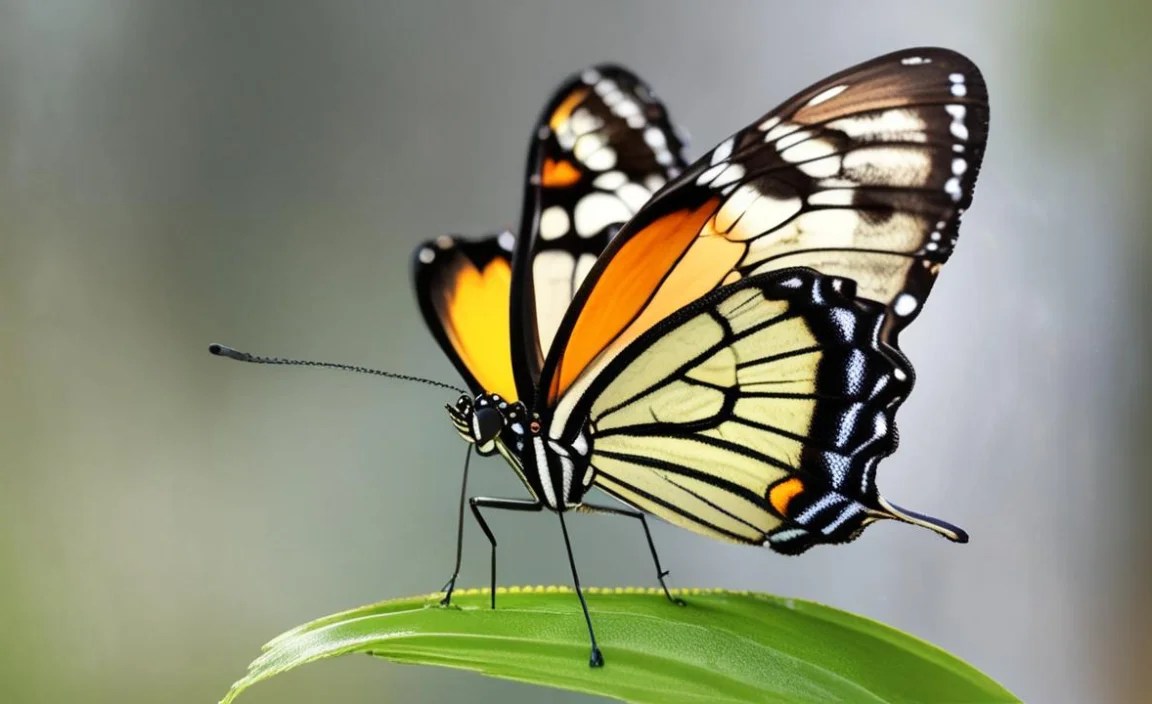
Mimicry, in the simplest terms, is when one species evolves to resemble another. This can involve appearance, behavior, sound, or even scent. It’s a survival tactic used by many animals, including butterflies, to gain an advantage. For example, a harmless butterfly might mimic a poisonous one to avoid being eaten by birds.
There are two main types of mimicry:
- Batesian Mimicry: A harmless species mimics a harmful one. The mimic benefits from the predator’s learned avoidance of the harmful species.
- Müllerian Mimicry: Two or more harmful species mimic each other. This reinforces the warning signal to predators, benefiting all species involved.
In the case of the glasswing butterfly, we see a combination of camouflage and mimicry, making their survival strategy particularly effective.
The Glasswing Butterfly: A Master of Disguise

The glasswing butterfly (Greta oto) is famous for its transparent wings, which make it a marvel of nature. Native to Central and South America, these butterflies live in rainforests, where their unique wings provide excellent camouflage. But their survival strategy doesn’t stop there. They also employ mimicry to further protect themselves from predators.
Transparent Wings: Nature’s Cloak of Invisibility
The glasswing butterfly’s wings are transparent because they lack the colorful scales that cover the wings of most other butterflies. This transparency is due to the unique structure of their wing surface, which minimizes light reflection. This allows them to blend seamlessly into their surroundings.
Here’s how their transparent wings work:
- Reduced Light Reflection: The wing surface has nanoscale pillars that reduce light reflection, making the wings appear transparent.
- Camouflage: The transparency allows the butterfly to blend with the background, making it difficult for predators to spot them.
- Evasion: By being nearly invisible, they can evade predators like birds and reptiles.
Mimicking Toxic Butterflies: An Extra Layer of Defense
In addition to their transparent wings, some glasswing butterflies mimic the appearance of toxic butterflies, such as those in the Ithomiini tribe. These toxic butterflies are brightly colored and have distinct patterns that predators recognize as a warning sign.
By mimicking these toxic butterflies, glasswings gain an extra layer of protection. Predators that have learned to avoid the toxic butterflies will also avoid the glasswings, even though the glasswings themselves are not toxic.
How Glasswing Butterfly Mimicry Works

The mimicry of glasswing butterflies involves several key elements:
Visual Mimicry
The most obvious form of mimicry is visual. Glasswing butterflies mimic the colors and patterns of toxic butterflies. This can include:
- Wing Patterns: Copying the spots, stripes, and other markings of toxic butterflies.
- Coloration: Adopting similar color schemes, such as orange, black, and yellow, which are common warning colors in nature.
- Size and Shape: Mimicking the overall size and shape of the toxic butterfly to create a convincing disguise.
Behavioral Mimicry
In some cases, glasswing butterflies also mimic the behavior of toxic butterflies. This can include:
- Flight Patterns: Adopting similar flight patterns, such as slow, deliberate movements that signal toxicity.
- Resting Postures: Resting in the same way as toxic butterflies, with their wings spread open to display their warning colors.
Chemical Mimicry
Although less common, some glasswing butterflies may also engage in chemical mimicry. This involves acquiring or producing chemicals that mimic the taste or smell of toxic butterflies.
The combination of visual, behavioral, and chemical mimicry makes the glasswing butterfly a highly effective mimic.
The Benefits of Mimicry for Glasswing Butterflies

Mimicry provides several key benefits for glasswing butterflies:
Predator Avoidance
The primary benefit of mimicry is predator avoidance. By resembling toxic butterflies, glasswings can deter predators from attacking them. This increases their chances of survival and reproduction.
Increased Survival Rates
Mimicry directly contributes to higher survival rates. Predators learn to avoid the warning signals of toxic butterflies, and this avoidance extends to the glasswings that mimic them.
Expanded Habitat Range
Mimicry can also allow glasswing butterflies to expand their habitat range. By mimicking local toxic butterflies, they can blend into new environments and avoid being targeted by unfamiliar predators.
Examples of Glasswing Butterfly Mimicry

There are several fascinating examples of glasswing butterfly mimicry:
Mimicking Ithomiini Butterflies
Many glasswing butterflies mimic butterflies from the Ithomiini tribe. These butterflies are known for their toxicity, which they acquire from the plants they eat as caterpillars. Glasswings mimic the bright colors and patterns of Ithomiini butterflies to deter predators.
Here’s a table comparing the characteristics of Ithomiini butterflies and their glasswing mimics:
| Characteristic | Ithomiini Butterfly | Glasswing Butterfly (Mimic) |
|---|---|---|
| Toxicity | Toxic (acquired from host plants) | Non-toxic |
| Coloration | Bright, warning colors (orange, black, yellow) | Similar bright colors and patterns |
| Wing Patterns | Distinct spots and stripes | Mimics spots and stripes of Ithomiini |
| Flight Pattern | Slow, deliberate | Mimics slow, deliberate flight |
Specific Mimicry Cases
Some glasswing butterflies have evolved to mimic specific species of toxic butterflies. For example, certain glasswing butterflies mimic the appearance of specific Ithomiini species in their local area. This localized mimicry makes the disguise even more effective.
The Science Behind Glasswing Butterfly Mimicry

The science behind glasswing butterfly mimicry is complex and fascinating. It involves genetics, evolution, and ecology.
Genetic Basis of Mimicry
The genetic basis of mimicry is still being studied, but scientists have identified some of the genes involved. These genes control the development of wing patterns, colors, and other traits that contribute to mimicry. Research suggests that mimicry can evolve relatively quickly through changes in a few key genes.
Evolutionary Processes
Mimicry evolves through natural selection. Predators that avoid toxic butterflies are more likely to survive and reproduce. This creates selective pressure that favors butterflies that mimic toxic species. Over time, the mimics become more and more similar to the toxic models.
Ecological Factors
Ecological factors also play a role in mimicry. The abundance of toxic butterflies, the presence of predators, and the availability of suitable habitats all influence the evolution and maintenance of mimicry.
How to Observe Glasswing Butterfly Mimicry in Nature

If you’re interested in observing glasswing butterfly mimicry in nature, here are some tips:
Visit Rainforests
Glasswing butterflies are found in the rainforests of Central and South America. Visiting these regions is the best way to observe them in their natural habitat. Countries like Costa Rica, Panama, and Brazil are great places to see glasswing butterflies.
Look for Toxic Butterfly Species
Identify the toxic butterfly species in the area you’re visiting. Glasswing butterflies are likely to mimic these species. Look for butterflies with bright colors and distinct patterns, such as those in the Ithomiini tribe.
Observe Butterfly Behavior
Pay attention to the behavior of butterflies. Look for butterflies that fly slowly and deliberately, or that rest with their wings spread open. These behaviors may indicate mimicry of toxic species.
Use Binoculars and Cameras
Use binoculars to get a closer look at butterflies without disturbing them. Take photos to document your observations and compare different species.
The Future of Glasswing Butterfly Mimicry
The future of glasswing butterfly mimicry is uncertain, as these butterflies face several threats:
Habitat Loss
Habitat loss is a major threat to glasswing butterflies. Deforestation and habitat destruction reduce the availability of suitable habitats and disrupt the ecological interactions that support mimicry.
Climate Change
Climate change can also impact glasswing butterflies. Changes in temperature and rainfall patterns can alter the distribution of host plants and toxic butterfly species, affecting the evolution and maintenance of mimicry.
Conservation Efforts
Conservation efforts are needed to protect glasswing butterflies and their habitats. This includes:
- Habitat Preservation: Protecting and restoring rainforest habitats.
- Sustainable Agriculture: Promoting sustainable agricultural practices that reduce deforestation.
- Climate Change Mitigation: Reducing greenhouse gas emissions to mitigate the impacts of climate change.
- Education and Awareness: Raising awareness about the importance of glasswing butterflies and their mimicry.
How You Can Help Protect Glasswing Butterflies
Even if you don’t live in the rainforest, there are still things you can do to help protect glasswing butterflies:
Support Conservation Organizations
Donate to conservation organizations that work to protect rainforests and other butterfly habitats. Organizations like the Rainforest Alliance and the Xerces Society are good choices. The Xerces Society has great resources on butterfly conservation.
Reduce Your Carbon Footprint
Reduce your carbon footprint by using less energy, driving less, and eating sustainably. This helps mitigate the impacts of climate change on butterfly habitats.
Educate Others
Educate your friends, family, and community about the importance of butterflies and their habitats. Share information about glasswing butterfly mimicry and the threats they face.
Plant Butterfly-Friendly Gardens
If you have a garden, plant butterfly-friendly flowers and host plants. This provides food and shelter for butterflies and other pollinators.
FAQ About Glasswing Butterfly Mimicry
Here are some frequently asked questions about glasswing butterfly mimicry:
What makes glasswing butterflies unique?
Glasswing butterflies are unique because of their transparent wings, which help them camouflage in their rainforest habitat. Some species also mimic toxic butterflies for added protection.
How do glasswing butterflies mimic other species?
Glasswing butterflies mimic other species through visual, behavioral, and sometimes chemical means. They copy the colors, patterns, and behaviors of toxic butterflies to deter predators.
Why do glasswing butterflies mimic toxic butterflies?
Glasswing butterflies mimic toxic butterflies to avoid being eaten by predators. Predators learn to avoid the warning signals of toxic butterflies, and this avoidance extends to the glasswings that mimic them.
Where can I find glasswing butterflies?
Glasswing butterflies are found in the rainforests of Central and South America. Countries like Costa Rica, Panama, and Brazil are good places to see them.
Are glasswing butterflies poisonous?
No, glasswing butterflies are not poisonous. They are non-toxic and rely on mimicry to protect themselves from predators.
What threats do glasswing butterflies face?
Glasswing butterflies face threats such as habitat loss, climate change, and pesticide use. Conservation efforts are needed to protect them and their habitats.
How can I help protect glasswing butterflies?
You can help protect glasswing butterflies by supporting conservation organizations, reducing your carbon footprint, educating others, and planting butterfly-friendly gardens.
Conclusion
Glasswing butterfly mimicry is a remarkable example of nature’s ingenuity. These delicate creatures have evolved incredible strategies to survive in the rainforest, using both camouflage and mimicry to avoid predators. By understanding and appreciating these adaptations, we can better protect glasswing butterflies and their habitats for future generations.
From their transparent wings to their uncanny resemblance to toxic butterflies, glasswings teach us about the power of adaptation and the interconnectedness of life. Let’s continue to explore, learn, and take action to conserve these beautiful creatures and the ecosystems they call home. Every small effort counts towards ensuring their survival and preserving the wonders of the natural world.


