
Glasswing Butterfly in Panama: A Secret Paradise

Quick Summary: The Glasswing Butterfly (Greta oto) is a fascinating insect found in Panama, easily recognized by its transparent wings. These delicate creatures live in rainforests, where they feed on nectar and play a vital role in pollination. Spotting a glasswing involves patience and a keen eye, as their transparent wings make them masters of camouflage. Their unique wings help them avoid predators, making them a marvel of natural adaptation.
Have you ever dreamed of seeing a butterfly with wings so clear, they seem to disappear? The Glasswing Butterfly, found in the lush rainforests of Panama, is a true marvel of nature. These incredible insects possess wings that are mostly transparent, making them blend seamlessly into their surroundings. But how can you find these elusive creatures, and what makes them so special? Don’t worry, we’ll guide you through everything you need to know! In this article, we’ll explore where to find them, what they eat, and why their transparent wings are so important.
Understanding the Glasswing Butterfly

The Glasswing Butterfly (Greta oto) is a member of the nymphalid family, known for their striking appearance and ecological importance. What sets them apart is the unique transparency of their wings, a rare adaptation in the butterfly world. This transparency isn’t just a visual curiosity; it plays a crucial role in their survival.
Habitat and Distribution
Glasswing Butterflies are primarily found in the rainforests of Central and South America, including Panama. They thrive in humid, shaded environments, typically at elevations ranging from sea level up to about 1,200 meters. Panama’s diverse ecosystems provide an ideal habitat, with plenty of host plants for their larvae and nectar sources for the adults. You can find them flitting through the understory of the rainforest, often near streams and damp areas.
Physical Characteristics
The most distinctive feature of the Glasswing Butterfly is, of course, its transparent wings. The tissue between the veins lacks the colorful scales that cover the wings of most butterflies. This transparency is achieved through a combination of factors, including the structure of the wing surface and the arrangement of the chitin, a material that makes up the wings. The wings typically have a wingspan of about 5.5 to 6 centimeters. The borders of the wings are usually a dark brown or reddish-brown color, which helps to make the transparent sections even more striking.
Life Cycle
Like all butterflies, the Glasswing Butterfly undergoes complete metamorphosis, with four distinct life stages: egg, larva (caterpillar), pupa (chrysalis), and adult. The eggs are typically laid on host plants in the genus Cestrum. The caterpillars are green with bright purple stripes and feed voraciously on the leaves of these plants. The pupa is a shimmering silver or gold color, often resembling a droplet of water. The entire life cycle, from egg to adult, takes about 40 to 50 days.
Why Transparent Wings?
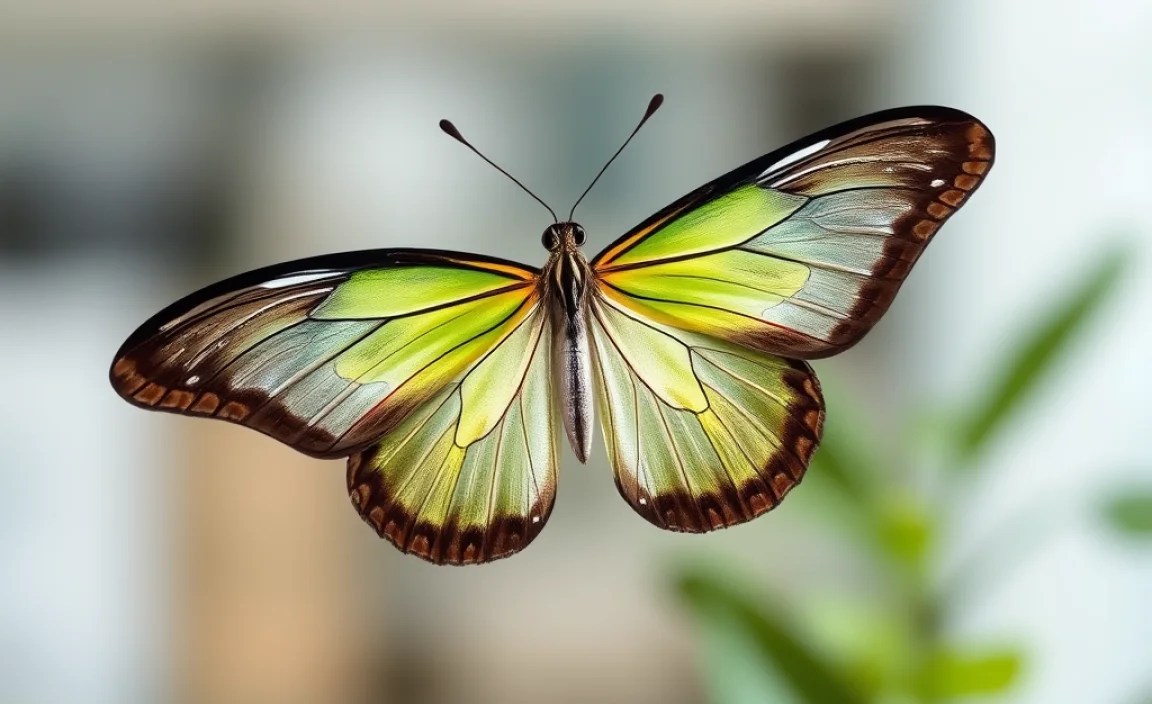
The transparency of the Glasswing Butterfly’s wings is a remarkable adaptation that serves several important functions. The primary advantage is camouflage. In the dense rainforest, the clear wings allow the butterfly to blend seamlessly into its surroundings, making it difficult for predators to spot. This is especially useful when the butterfly is resting on leaves or flying through dappled sunlight. The transparency helps them avoid becoming a meal for birds, reptiles, and other insectivorous animals.
Camouflage and Predator Avoidance
The transparent wings reduce the butterfly’s visibility, making it harder for predators to detect them. This is a form of crypsis, where an animal blends into its environment to avoid detection. The Glasswing Butterfly’s transparency is particularly effective in the shaded understory of the rainforest, where light is filtered and fragmented. As noted in research from the Smithsonian Tropical Research Institute, such adaptations are vital for survival in competitive ecosystems.
Thermoregulation
While camouflage is the primary benefit, the transparency of the wings may also play a role in thermoregulation. Unlike dark-colored wings that absorb more heat, transparent wings allow sunlight to pass through, potentially helping the butterfly to stay cooler in the hot, humid rainforest environment. Further research is needed to fully understand the role of transparency in thermoregulation, but it’s a fascinating area of study.
Finding Glasswing Butterflies in Panama

Spotting a Glasswing Butterfly in Panama requires patience and a keen eye. These butterflies are masters of camouflage, so you’ll need to know where to look and what to look for.
Best Locations in Panama
Several locations in Panama are known for their Glasswing Butterfly populations. Here are some of the best places to increase your chances of seeing these incredible insects:
- Soberanía National Park: Located near the Panama Canal, this park is easily accessible and offers a rich biodiversity, including Glasswing Butterflies.
- Pipeline Road: Within Soberanía National Park, Pipeline Road is a famous birdwatching and wildlife observation spot where you can often find Glasswing Butterflies.
- Barro Colorado Island: This island in Gatun Lake is a research station managed by the Smithsonian Tropical Research Institute and is home to a diverse array of flora and fauna, including Glasswing Butterflies.
- La Amistad International Park: Spanning the border between Panama and Costa Rica, this park is one of the largest and most remote protected areas in Central America, offering pristine rainforest habitats for Glasswing Butterflies.
- El Valle de Antón: This town is located in a volcanic crater and surrounded by mountains, creating a unique microclimate that supports a variety of butterfly species, including Glasswing Butterflies.
Tips for Spotting Glasswing Butterflies
Here are some tips to help you spot Glasswing Butterflies in their natural habitat:
- Visit during the rainy season: Glasswing Butterflies are more active during the rainy season (May to December) when host plants and nectar sources are abundant.
- Look in shaded areas: Focus your search on the shaded understory of the rainforest, where the butterflies are more likely to be found.
- Check near streams and damp areas: Glasswing Butterflies are often found near water sources.
- Be patient: These butterflies are masters of camouflage, so it may take time to spot them. Scan leaves and branches carefully.
- Bring binoculars: Binoculars can help you get a closer look at potential sightings without disturbing the butterflies.
- Learn about their host plants: Familiarize yourself with the appearance of Cestrum plants, as these are where the butterflies lay their eggs and where you might find caterpillars.
Ethical Considerations
When observing Glasswing Butterflies, it’s essential to do so responsibly and ethically. Avoid disturbing their habitat, and never attempt to capture or handle them. Observe from a distance, and respect their natural behavior. Support local conservation efforts and ecotourism initiatives that promote the protection of rainforest habitats. Remember, these delicate creatures are an integral part of the ecosystem, and their survival depends on our respect and stewardship.
The Diet of Glasswing Butterflies

Understanding the diet of Glasswing Butterflies can help you appreciate their ecological role and attract them to your garden, if you live in an area where they are found.
Larval Diet
The larvae (caterpillars) of Glasswing Butterflies feed exclusively on plants in the genus Cestrum, also known as Jessamine or Willowleaf Jessamine. These plants are toxic to many other insects, but the Glasswing Butterfly caterpillars have evolved to tolerate and even sequester these toxins for their own defense. The caterpillars are green with purple stripes, which serve as a warning signal to potential predators. They consume large quantities of leaves to fuel their growth and development.
Adult Diet
Adult Glasswing Butterflies feed on nectar from a variety of flowering plants. They have a long proboscis (a straw-like mouthpart) that they use to extract nectar from flowers. Some of their favorite nectar sources include:
- Lantana
- Salvia
- Pentas
- বিভিন্ন অন্যান্য স্থানীয় ফুল
In addition to nectar, adult Glasswing Butterflies also obtain nutrients from other sources, such as rotting fruit and animal droppings. These sources provide essential minerals and amino acids that are not readily available in nectar. This diverse diet helps them maintain their health and reproductive success.
Conservation Status and Threats
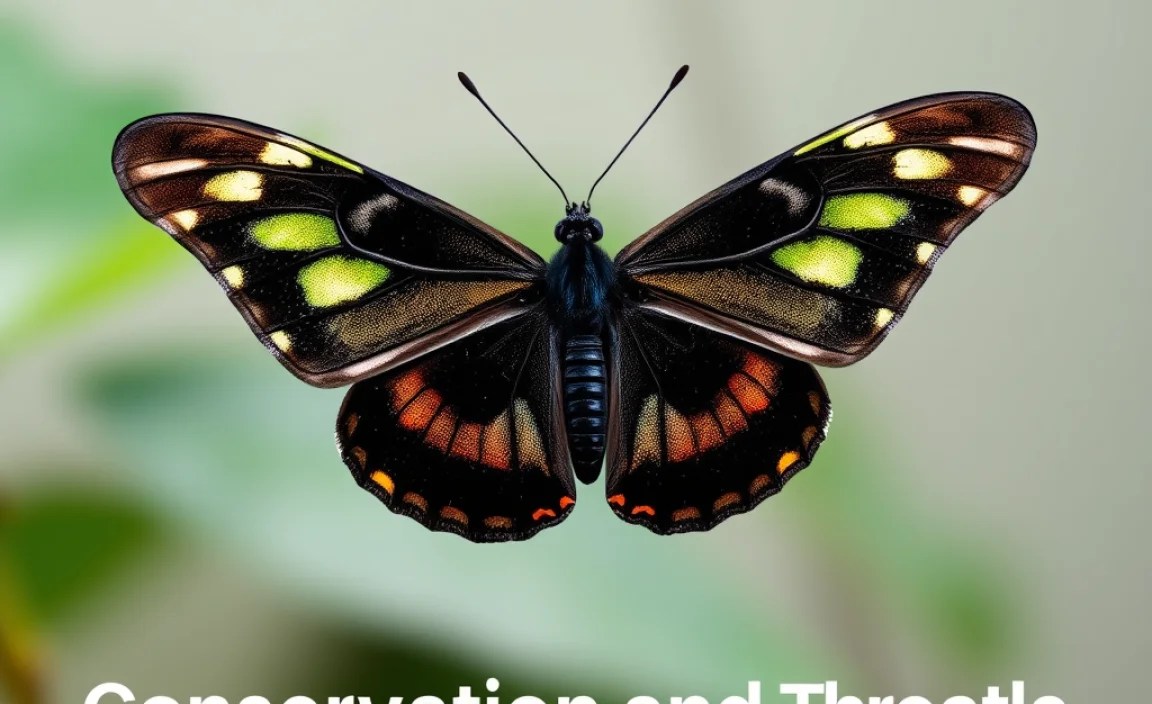
While the Glasswing Butterfly is not currently listed as endangered, it faces several threats that could impact its populations in the future. Understanding these threats is crucial for developing effective conservation strategies.
Habitat Loss
The primary threat to Glasswing Butterflies is habitat loss due to deforestation. Rainforests are being cleared for agriculture, logging, and development, destroying the butterflies’ natural habitat and reducing the availability of host plants and nectar sources. Protecting rainforest habitats is essential for the survival of Glasswing Butterflies and many other species.
Climate Change
Climate change is another significant threat. Changes in temperature and rainfall patterns can disrupt the butterflies’ life cycle and alter the distribution of their host plants and nectar sources. Extreme weather events, such as droughts and floods, can also negatively impact butterfly populations. Mitigating climate change through reducing greenhouse gas emissions and promoting sustainable land use practices is crucial for protecting Glasswing Butterflies.
Pesticide Use
Pesticide use in agriculture and forestry can also harm Glasswing Butterflies. Pesticides can directly kill butterflies or contaminate their host plants and nectar sources. Promoting integrated pest management practices that minimize pesticide use is essential for protecting butterfly populations.
Conservation Efforts
Several organizations and initiatives are working to protect Glasswing Butterflies and their habitats. These efforts include:
- Protecting rainforest habitats: Establishing and managing protected areas, such as national parks and reserves, is crucial for conserving Glasswing Butterfly habitats.
- Promoting sustainable land use practices: Encouraging sustainable agriculture, forestry, and tourism practices that minimize habitat destruction and pollution.
- Raising awareness: Educating the public about the importance of Glasswing Butterflies and their habitats, and promoting responsible ecotourism.
- Supporting research: Conducting research to better understand the butterflies’ ecology and conservation needs.
You can support these efforts by donating to conservation organizations, volunteering your time, and making sustainable choices in your daily life.
Attracting Glasswing Butterflies to Your Garden
If you live in an area where Glasswing Butterflies are found, you can attract them to your garden by providing the right host plants and nectar sources. Here’s how:
Plant Host Plants
Planting Cestrum species in your garden will provide a food source for the caterpillars. These plants are attractive and easy to grow, and they will attract Glasswing Butterflies to lay their eggs in your garden.
Provide Nectar Sources
Plant a variety of flowering plants that provide nectar for adult butterflies. Choose plants with different colors, shapes, and bloom times to provide a continuous supply of nectar throughout the year. Some good choices include Lantana, Salvia, and Pentas.
Create a Butterfly-Friendly Habitat
In addition to host plants and nectar sources, create a butterfly-friendly habitat by providing:
- A water source: Butterflies need water to stay hydrated. Provide a shallow dish of water with pebbles or stones for them to land on.
- Shelter: Plant shrubs and trees to provide shelter from wind and rain.
- Sunlight: Butterflies need sunlight to warm their bodies. Provide sunny spots in your garden where they can bask.
- Avoid pesticides: Pesticides can harm butterflies and other beneficial insects. Avoid using pesticides in your garden, and choose organic gardening methods instead.
By creating a butterfly-friendly garden, you can help support Glasswing Butterfly populations and enjoy the beauty of these incredible insects in your own backyard.
Glasswing Butterfly Facts
Here’s a table summarizing some key facts about the Glasswing Butterfly:
| Fact | Description |
|---|---|
| Scientific Name | Greta oto |
| Common Name | Glasswing Butterfly |
| Habitat | Rainforests of Central and South America, including Panama |
| Wingspan | Approximately 5.5 to 6 centimeters |
| Wing Appearance | Mostly transparent with dark brown or reddish-brown borders |
| Larval Host Plants | Plants in the genus Cestrum |
| Adult Nectar Sources | Lantana, Salvia, Pentas, and other flowering plants |
| Conservation Status | Not currently listed as endangered but faces threats from habitat loss, climate change, and pesticide use |
Glasswing Butterfly FAQs
What makes Glasswing Butterfly wings transparent?
The transparency is due to a unique structure that minimizes light reflection and scattering. The wing surface lacks the dense scales found in other butterflies, allowing light to pass through.
Where is the best place to see Glasswing Butterflies?
Panama’s Soberanía National Park, Pipeline Road, and Barro Colorado Island are excellent spots. These areas offer the humid, shaded rainforest environments where they thrive.
What do Glasswing Butterfly caterpillars eat?
The caterpillars exclusively feed on plants in the Cestrum genus. These plants are toxic to many insects, but the caterpillars have adapted to tolerate them.
Are Glasswing Butterflies endangered?
While not currently endangered, they face threats from habitat loss, climate change, and pesticide use. Conservation efforts are vital to protect their populations.
How can I help protect Glasswing Butterflies?
Support conservation organizations, promote sustainable land use, reduce pesticide use, and educate others about their importance. Every action helps!
What time of year is best for seeing Glasswing Butterflies in Panama?
The rainy season (May to December) is generally best. During this time, host plants and nectar sources are more abundant, making the butterflies more active.
Can I attract Glasswing Butterflies to my garden?
Yes, if you live in their native range. Plant Cestrum species for caterpillars and nectar-rich flowers like Lantana and Salvia for adults.
Conclusion
The Glasswing Butterfly in Panama is a testament to the wonders of nature and the power of adaptation. Its transparent wings, a marvel of evolutionary engineering, allow it to thrive in the complex ecosystems of the rainforest. By understanding their habitat, diet, and the threats they face, we can all play a part in ensuring their survival. Whether you’re planning a trip to Panama or simply curious about these incredible insects, we hope this guide has inspired you to appreciate the beauty and importance of the Glasswing Butterfly. Let’s continue to explore, learn, and protect these delicate creatures and the habitats they call home.


