
Glasswing Butterfly Blog Post Topics: The Ultimate List

Quick Summary: Glasswing butterflies are known for their unique transparent wings, which they achieve through specialized nanostructures that minimize light reflection. These delicate creatures live in Central and South American rainforests, feeding on nectar and exhibiting fascinating camouflage. Understanding their habitat, diet, and life cycle is crucial for appreciating and protecting these incredible insects.
Have you ever seen a butterfly that seems to disappear before your eyes? The glasswing butterfly is a marvel of nature, famous for its see-through wings. These stunning insects aren’t just beautiful; they’re also masters of disguise, blending seamlessly into their rainforest homes. It can be frustrating trying to spot one, but learning about their habits can help you appreciate their beauty and understand their importance in the ecosystem. Let’s explore the world of the glasswing butterfly and uncover the secrets behind its transparent wings and fascinating life!
What Makes the Glasswing Butterfly Special?

The glasswing butterfly (Greta oto) is truly one-of-a-kind. Its most distinctive feature, of course, is its transparent wings. Unlike most butterflies, whose wings are covered in colorful scales, the glasswing has wings with areas that are almost entirely see-through. This remarkable adaptation helps it to avoid predators and blend in with its surroundings.
Why are the Wings Transparent?
The secret to the glasswing’s transparency lies in the nanostructures on its wings. These tiny structures are arranged in a way that minimizes the reflection of light. Instead of reflecting light, the light passes right through the wings, making them appear transparent. According to research published in the Journal of the Royal Society Interface, these structures also help the butterfly stay clean by repelling water and preventing the buildup of debris.
Other Unique Features
- Camouflage: The transparent wings help the glasswing butterfly blend into its environment, making it harder for predators to spot.
- Slow Flight: They have a slow, deliberate flight pattern, which further aids in camouflage.
- Nectar Feeding: Glasswings feed on the nectar of various plants, playing a role in pollination.
Where Do Glasswing Butterflies Live?
Glasswing butterflies are native to the rainforests of Central and South America. They can be found from Mexico to Panama and as far south as Argentina. These butterflies thrive in humid, tropical environments where they can find the specific plants they need for both food and reproduction.
Habitat Preferences
- Tropical Rainforests: They prefer areas with high humidity, abundant rainfall, and dense vegetation.
- Understory: Glasswings are often found in the understory of the rainforest, where they are protected from direct sunlight and strong winds.
- Specific Host Plants: They rely on certain host plants for their larvae to feed on, limiting their range to areas where these plants are available.
What Do Glasswing Butterflies Eat?

Like all butterflies, glasswings have two distinct dietary phases: as larvae (caterpillars) and as adults. The diet differs greatly between these stages.
Larval Diet
Glasswing caterpillars are picky eaters, feeding on specific host plants in the Solanaceae family, commonly known as nightshades. These plants contain toxic compounds called alkaloids, which the caterpillars ingest and store in their bodies. This makes the caterpillars, and later the butterflies, unpalatable to predators. According to the U.S. Forest Service, this is a common defense mechanism among many insect species.
Adult Diet
Adult glasswing butterflies primarily feed on nectar from various flowering plants. They have a long proboscis, a straw-like appendage, which they use to sip nectar from deep within flowers. They also obtain essential nutrients from the pollen and juices of rotting fruits.
Glasswing Butterfly Life Cycle
The life cycle of the glasswing butterfly is a fascinating process that involves several distinct stages: egg, larva (caterpillar), pupa (chrysalis), and adult.
Egg Stage
The female glasswing butterfly lays her eggs on the underside of host plant leaves. The eggs are small and typically green or yellowish in color. They are usually laid in clusters to maximize the chances of survival.
Larval Stage (Caterpillar)
Once the eggs hatch, the larvae emerge. These caterpillars are voracious eaters, consuming large quantities of leaves to fuel their growth. They go through several molts, shedding their skin as they grow larger. The larval stage can last for several weeks, depending on environmental conditions.
Pupal Stage (Chrysalis)
When the caterpillar is fully grown, it enters the pupal stage. It forms a chrysalis, a protective shell in which it undergoes metamorphosis. The chrysalis of the glasswing butterfly is often metallic silver or gold, providing additional camouflage. This stage typically lasts for about two weeks.
Adult Stage
After about two weeks, the adult butterfly emerges from the chrysalis. Its wings are initially crumpled, but they quickly expand as they fill with hemolymph (the insect equivalent of blood). Once the wings are fully expanded and hardened, the butterfly is ready to fly and reproduce. Adult glasswing butterflies typically live for several weeks to a few months.
| Stage | Description | Duration |
|---|---|---|
| Egg | Small, green or yellowish eggs laid on host plant leaves. | Several days |
| Larva (Caterpillar) | Voracious eaters that consume host plant leaves and undergo several molts. | Several weeks |
| Pupa (Chrysalis) | Metallic silver or gold chrysalis in which metamorphosis occurs. | About two weeks |
| Adult | Butterfly emerges with transparent wings and feeds on nectar. | Several weeks to a few months |
Predators and Defense Mechanisms
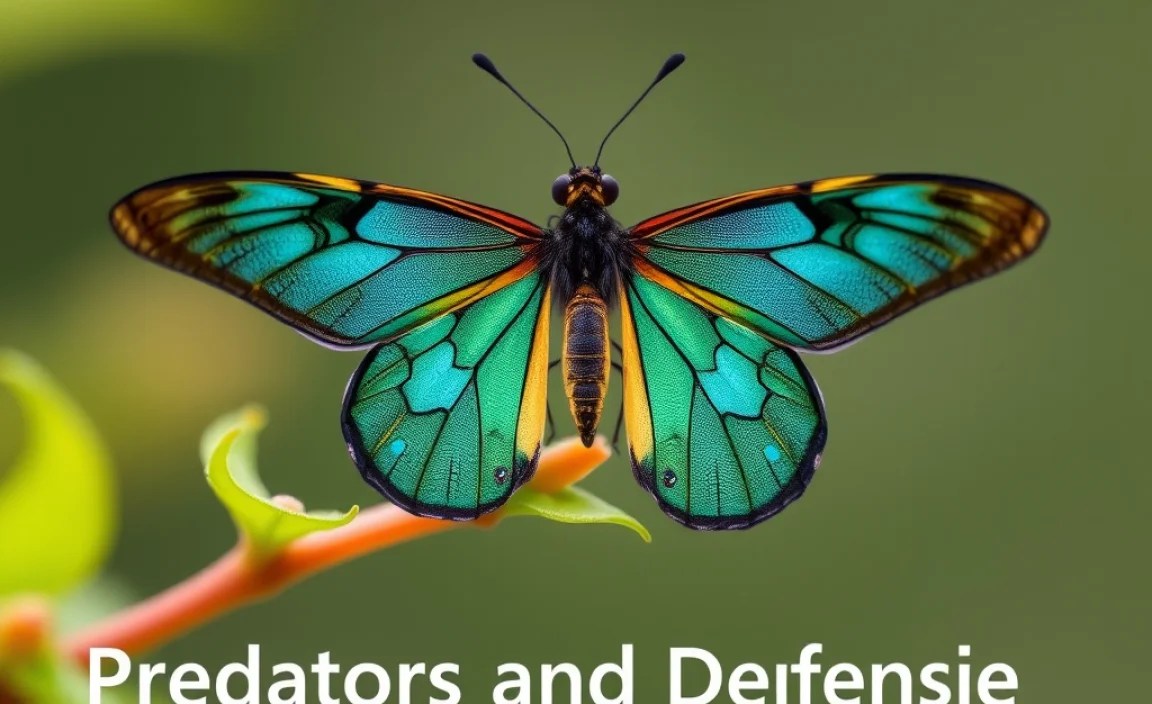
Despite their camouflage, glasswing butterflies are still vulnerable to predators. Birds, lizards, and spiders are among the animals that prey on these delicate insects. However, glasswings have evolved several defense mechanisms to protect themselves.
Camouflage
The transparent wings are the primary form of camouflage. By blending in with their surroundings, glasswings can avoid detection by predators. This is especially effective in the dappled light of the rainforest understory.
Toxicity
As mentioned earlier, glasswing caterpillars ingest toxic alkaloids from their host plants. These toxins remain in their bodies throughout their lives, making them unpalatable to many predators. If a predator does eat a glasswing butterfly, it is likely to experience an unpleasant taste or even become sick, which will deter it from preying on glasswings in the future.
Flight Behavior
The slow, deliberate flight of the glasswing butterfly also helps it avoid predators. By moving slowly and erratically, it can be difficult for predators to track and capture. This flight pattern also allows the butterfly to blend in with the swaying vegetation.
Conservation Status and Threats
While the glasswing butterfly is not currently listed as an endangered species, it faces several threats that could impact its populations in the future. Habitat loss, pesticide use, and climate change are among the primary concerns.
Habitat Loss
Deforestation and habitat destruction are major threats to glasswing butterflies. As rainforests are cleared for agriculture, logging, and development, the butterflies lose their habitat and food sources. This can lead to population declines and even local extinctions. Organizations like the World Wildlife Fund (WWF) are working to protect rainforests and other critical habitats around the world.
Pesticide Use
Pesticides can also harm glasswing butterflies, both directly and indirectly. Direct exposure to pesticides can kill butterflies and other beneficial insects. Indirectly, pesticides can reduce the availability of host plants and nectar sources, impacting the butterflies’ ability to feed and reproduce.
Climate Change
Climate change poses a long-term threat to glasswing butterflies. Changes in temperature and rainfall patterns can disrupt their life cycle and alter the distribution of their host plants. Extreme weather events, such as droughts and floods, can also damage their habitat and reduce their populations.
How to Help Glasswing Butterflies
There are several things that you can do to help protect glasswing butterflies and their habitat:
- Support Conservation Organizations: Donate to or volunteer with organizations that are working to protect rainforests and other critical habitats.
- Reduce Pesticide Use: Avoid using pesticides in your garden and support organic farming practices.
- Plant Native Plants: Plant native flowering plants in your garden to provide nectar sources for butterflies and other pollinators.
- Educate Others: Spread awareness about the importance of protecting glasswing butterflies and their habitat.
- Reduce Your Carbon Footprint: Take steps to reduce your carbon footprint, such as using public transportation, conserving energy, and reducing waste.
Glasswing Butterfly in Culture and Symbolism
The glasswing butterfly, with its ethereal transparency, holds a special place in various cultures and carries rich symbolic meanings.
Symbolism
- Transformation: Like all butterflies, the glasswing symbolizes transformation and change. Its clear wings can represent clarity, seeing through illusions, and embracing new beginnings.
- Adaptability: The unique adaptation of transparent wings signifies the ability to adapt to changing environments and circumstances.
- Delicacy: The fragile appearance of the glasswing embodies delicacy, beauty, and the preciousness of life.
- Spirituality: In some cultures, the butterfly is seen as a messenger of the spirit world, representing departed souls or spiritual guidance.
Cultural Significance
In Central and South America, where the glasswing butterfly is native, it often features in local folklore and art. Its unique appearance makes it a popular subject for jewelry, textiles, and other crafts. The butterfly’s association with transformation and adaptability also resonates with many indigenous cultures.
Interesting Facts About Glasswing Butterflies
Here are some more fascinating facts about glasswing butterflies that you might find interesting:
- Scientific Name: The scientific name Greta oto comes from the Greek muse Erato and the Incan word for butterfly, “oto.”
- Wing Size: Their wings typically measure between 5.6 to 6.1 cm (2.2 to 2.4 inches).
- Migration: While not migratory like Monarch butterflies, glasswings can travel considerable distances in search of food and suitable habitat.
- Taste Receptors: Butterflies taste with their feet! Sensors on their feet help them identify suitable host plants for laying eggs.
- Transparency Variations: The degree of transparency can vary among individual glasswing butterflies, depending on factors such as age and environmental conditions.
FAQ About Glasswing Butterflies
What is the most interesting thing about glasswing butterflies?
The most interesting thing is definitely their transparent wings! It’s a unique adaptation that helps them camouflage and avoid predators in the rainforest.
Where can I find glasswing butterflies?
You can find them in the rainforests of Central and South America, from Mexico to Argentina. They prefer humid, tropical environments.
What do glasswing caterpillars eat?
Glasswing caterpillars eat plants in the nightshade family (Solanaceae). These plants contain toxins that make the caterpillars and butterflies unpalatable to predators.
Are glasswing butterflies endangered?
No, they are not currently listed as endangered, but they face threats from habitat loss, pesticide use, and climate change.
How can I help protect glasswing butterflies?
You can support conservation organizations, reduce pesticide use, plant native plants, educate others, and reduce your carbon footprint.
Do glasswing butterflies migrate?
No, they are not migratory like Monarch butterflies, but they can travel considerable distances in search of food and habitat.
How long do glasswing butterflies live?
Adult glasswing butterflies typically live for several weeks to a few months, depending on environmental conditions and other factors.
Conclusion
The glasswing butterfly is a remarkable creature that showcases the beauty and ingenuity of nature. Its transparent wings, unique diet, and fascinating life cycle make it a subject of endless fascination. By understanding the challenges that glasswing butterflies face and taking steps to protect their habitat, we can help ensure that these incredible insects continue to grace our planet for generations to come. So, the next time you’re in a rainforest, keep an eye out for these ethereal butterflies—you might just catch a glimpse of nature’s magic!


