
European Butterflies in Alps Region: Ultimate Guide

Quick Summary: Exploring European butterflies in the Alps reveals a vibrant world! Key species include the Apollo, Mountain Alcon Blue, and Alpine Blue. These butterflies thrive in specific Alpine habitats, from flower-rich meadows to rocky slopes. Understanding their life cycles and conservation needs is crucial to protect these beautiful insects and their fragile environment. Join us as we discover the unique butterfly fauna of the Alps and how you can help preserve them.
The Alps, a majestic mountain range stretching across Europe, are home to a stunning array of butterflies. These delicate creatures add splashes of color to the alpine meadows and rocky slopes, each species uniquely adapted to this challenging environment. But identifying and appreciating these butterflies can seem daunting, especially if you’re new to butterfly watching. Don’t worry! This guide breaks down the world of European butterflies in the Alps, offering a step-by-step exploration. Ready to discover the wonders of alpine butterflies? Let’s begin!
Discovering European Butterflies in the Alps: A Beginner’s Guide

The Alps are a biodiversity hotspot, and their butterflies are a key part of this richness. From the high-altitude meadows to the lower valleys, different butterfly species have carved out their niches. This article will introduce you to some of the most fascinating butterflies you can find in the Alps, their habitats, and how to identify them.
Why Study Alpine Butterflies?
Butterflies are more than just pretty insects; they’re vital indicators of environmental health. Their presence and abundance reflect the condition of their habitats. By studying Alpine butterflies, we gain insights into the overall health of the Alpine ecosystem and the impact of climate change and other environmental pressures.
- Ecological Indicators: Butterflies are sensitive to changes in their environment, making them valuable indicators of habitat quality.
- Pollinators: They play a crucial role in pollinating Alpine flowers, supporting plant diversity.
- Conservation Importance: Many Alpine butterfly species are threatened by habitat loss and climate change, making their study essential for conservation efforts.
Identifying Common Alpine Butterflies

Let’s explore some of the butterflies you are most likely to encounter in the Alps. Learning to identify these butterflies is the first step in appreciating their beauty and understanding their ecological roles.
Apollo Butterfly (Parnassius apollo)
The Apollo butterfly is one of the most iconic Alpine butterflies. With its large size and striking red spots, it’s hard to miss.
- Appearance: Large white wings with distinctive red spots on the hindwings.
- Habitat: Rocky slopes and alpine meadows.
- Flight Period: June to August.
- Conservation Status: Protected in many European countries due to habitat loss.
Fun Fact: The Apollo butterfly’s red spots are thought to mimic the appearance of poisonous insects, deterring predators.
Mountain Alcon Blue (Phengaris alcon rebeli)
This butterfly is a subspecies of the Alcon Blue and is specially adapted to the alpine environment.
- Appearance: Bright blue wings in males, brownish-blue in females, with dark spots.
- Habitat:湿润的草地和沼泽。
- Flight Period: July to August.
- Conservation Status: Dependent on the presence of its host plant, Gentiana pneumonanthe, and specific ant species.
Fun Fact: The Mountain Alcon Blue has a fascinating life cycle, relying on specific ant species to raise their larvae inside the ant nest.
Alpine Blue (Plebejus glandon)
As the name suggests, the Alpine Blue is a common sight in the high-altitude meadows of the Alps.
- Appearance: Small butterfly with bright blue wings in males, brownish in females, and a checkered fringe.
- Habitat: Alpine meadows and grasslands.
- Flight Period: June to September.
- Conservation Status: Relatively common, but sensitive to habitat degradation.
Fun Fact: The Alpine Blue often rests with its wings closed, displaying the intricate patterns on its underwings.
Duke of Burgundy (Hamearis lucina)
This small but striking butterfly can be found in the lower alpine regions.
- Appearance: Orange and brown checkered pattern on the wings.
- Habitat: Woodland edges and scrub.
- Flight Period: May to June.
- Conservation Status: Declining in some areas due to habitat loss.
Fun Fact: The Duke of Burgundy is named after the historical region of Burgundy in France, where it was first discovered.
Large Blue (Phengaris arion)
The Large Blue is another fascinating species with a complex life cycle involving specific host plants and ant species.
- Appearance: Bright blue wings with black spots.
- Habitat: Grasslands with wild thyme and specific ant species.
- Flight Period: July to August.
- Conservation Status: Recovering in some areas thanks to targeted conservation efforts.
Fun Fact: The Large Blue caterpillar tricks ants into carrying it back to their nest, where it feeds on ant larvae.
Alpine Butterfly Habitats

Alpine butterflies are highly specialized to their habitats. Understanding these habitats is crucial for finding and identifying different species. Here are some key Alpine habitats and the butterflies you might find there:
Alpine Meadows
Alpine meadows are flower-rich grasslands at high altitudes. These meadows are home to a diverse range of butterflies, including the Apollo, Alpine Blue, and various fritillary species.
- Key Features: Abundant wildflowers, sunny slopes, well-drained soils.
- Butterfly Species: Apollo (Parnassius apollo), Alpine Blue (Plebejus glandon), various fritillaries (Boloria species).
Rocky Slopes
Rocky slopes provide shelter and basking sites for many butterfly species. The Apollo butterfly is particularly fond of these habitats.
- Key Features: Sparse vegetation, rocky outcrops, sunny exposure.
- Butterfly Species: Apollo (Parnassius apollo), various skippers (Hesperiidae).
Woodland Edges
The edges of woodlands offer a mix of sun and shade, creating a suitable habitat for butterflies like the Duke of Burgundy.
- Key Features: Transition zones between forests and open areas, diverse plant life.
- Butterfly Species: Duke of Burgundy (Hamearis lucina), various browns (Satyrinae).
Damp Grasslands and Marshes
These areas provide the specific conditions needed for the Mountain Alcon Blue, including the presence of its host plant and specific ant species.
- Key Features: Moist soils, presence of Gentiana pneumonanthe, specific ant colonies.
- Butterfly Species: Mountain Alcon Blue (Phengaris alcon rebeli).
Tools for Butterfly Identification
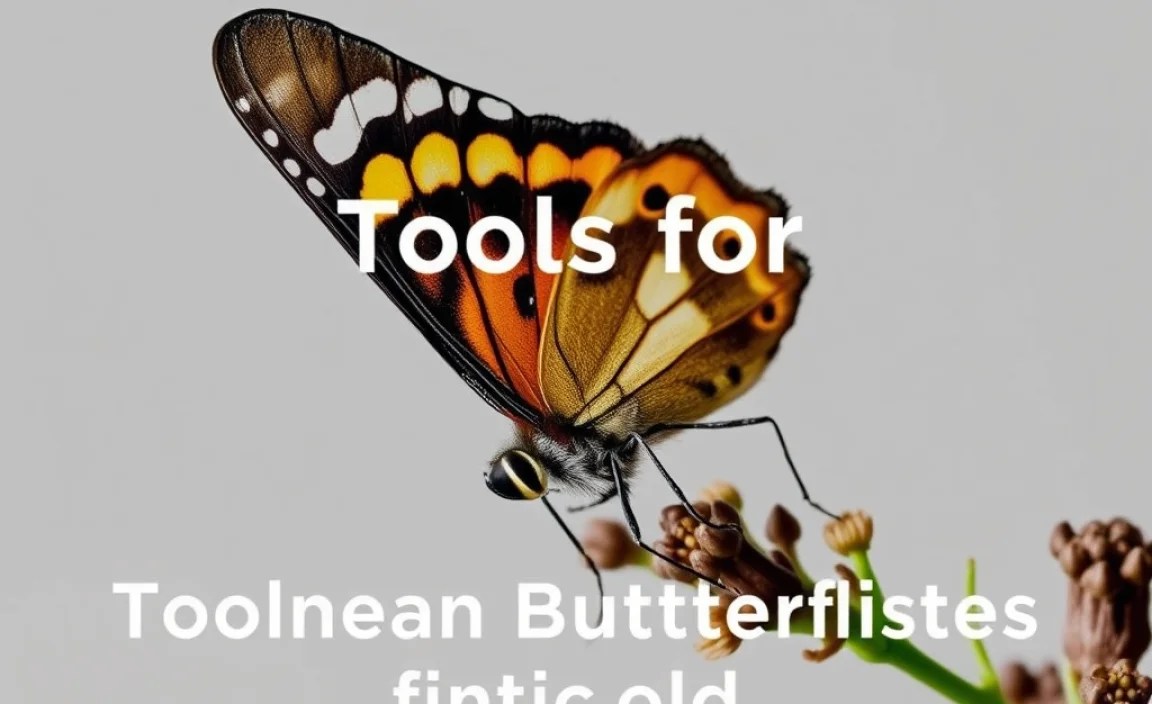
Identifying butterflies can be challenging, but with the right tools, it becomes much easier. Here are some essential tools for butterfly identification:
- Butterfly Field Guides: A good field guide is indispensable. Look for guides that cover the butterflies of Europe and include detailed descriptions and illustrations. Some popular choices include “Butterflies of Britain and Europe” by Tom Tolman and Richard Lewington.
- Binoculars: Binoculars allow you to get a closer look at butterflies without disturbing them. A pair with 8x or 10x magnification is ideal.
- Camera: A camera can help you capture images of butterflies for later identification. Even a smartphone camera can be useful.
- Magnifying Glass: A magnifying glass can help you examine small details, such as wing patterns and markings.
- Notebook and Pen: Keep a notebook to record your observations, including the date, location, and any distinguishing features of the butterflies you see.
- Butterfly Net (Optional): While not always necessary, a butterfly net can be useful for catching butterflies for closer examination. However, be sure to handle them carefully and release them unharmed.
Butterfly Identification Table

This table summarises the key features of the butterflies discussed, helping you to quickly identify them in the field.
| Butterfly Species | Appearance | Habitat | Flight Period |
|---|---|---|---|
| Apollo (Parnassius apollo) | Large white wings with red spots | Rocky slopes, alpine meadows | June to August |
| Mountain Alcon Blue (Phengaris alcon rebeli) | Bright blue wings (males), brownish-blue (females) | Damp grasslands, marshes | July to August |
| Alpine Blue (Plebejus glandon) | Small, bright blue wings (males), brownish (females) | Alpine meadows, grasslands | June to September |
| Duke of Burgundy (Hamearis lucina) | Orange and brown checkered pattern | Woodland edges, scrub | May to June |
| Large Blue (Phengaris arion) | Bright blue wings with black spots | Grasslands with wild thyme | July to August |
Tips for Butterfly Watching in the Alps
Butterfly watching can be a rewarding experience. Here are some tips to help you make the most of your butterfly observations in the Alps:
- Time of Day: Butterflies are most active on warm, sunny days. The best time to see them is usually between late morning and mid-afternoon.
- Weather Conditions: Avoid butterfly watching on windy or rainy days, as butterflies tend to seek shelter in these conditions.
- Location: Choose locations with a variety of habitats, such as meadows, woodlands, and rocky slopes.
- Patience: Butterfly watching requires patience. Take your time, observe carefully, and enjoy the process.
- Respect the Environment: Stay on marked trails, avoid disturbing plants and animals, and take your litter home with you.
- Dress Appropriately: Wear comfortable shoes and clothing suitable for hiking. Bring a hat, sunscreen, and insect repellent.
- Bring Water and Snacks: Stay hydrated and energized, especially if you’re planning a long hike.
Conservation Efforts for Alpine Butterflies
Many Alpine butterfly species are threatened by habitat loss, climate change, and other factors. Conservation efforts are essential to protect these butterflies and their habitats.
Habitat Preservation
Protecting and restoring Alpine habitats is crucial for butterfly conservation. This includes preserving meadows, woodlands, and rocky slopes, and managing them in a way that benefits butterflies.
- Protected Areas: Supporting the establishment and management of protected areas, such as national parks and nature reserves.
- Sustainable Land Management: Promoting sustainable agricultural practices that minimize the impact on butterfly habitats.
- Habitat Restoration: Restoring degraded habitats through planting native plants and removing invasive species.
Climate Change Mitigation
Climate change is a major threat to Alpine butterflies. Reducing greenhouse gas emissions and adapting to the impacts of climate change are essential for their survival. The National Geographic provides valuable insights into fighting climate change.
- Reducing Emissions: Supporting policies and initiatives that reduce greenhouse gas emissions.
- Adaptation Measures: Implementing measures to help butterflies adapt to climate change, such as creating cooler microclimates and providing alternative food sources.
Raising Awareness
Educating the public about the importance of Alpine butterflies and the threats they face is crucial for garnering support for conservation efforts. Organizations like the Xerces Society provide resources for raising awareness.
- Educational Programs: Supporting educational programs that teach people about butterflies and their conservation.
- Citizen Science: Encouraging people to participate in citizen science projects, such as butterfly monitoring programs.
- Public Outreach: Raising awareness through social media, websites, and public events.
How You Can Help
You can play a role in protecting Alpine butterflies. Here are some actions you can take:
- Support Conservation Organizations: Donate to or volunteer with organizations that work to protect butterflies and their habitats.
- Create Butterfly-Friendly Gardens: Plant native flowers that provide nectar for butterflies and host plants for caterpillars.
- Reduce Pesticide Use: Avoid using pesticides in your garden, as they can harm butterflies and other beneficial insects.
- Educate Others: Share your knowledge about butterflies with friends, family, and community members.
- Participate in Citizen Science: Join butterfly monitoring programs and contribute valuable data to scientific research.
- Advocate for Conservation Policies: Support policies that protect butterfly habitats and promote sustainable land management.
FAQ about Alpine Butterflies
Here are some frequently asked questions about butterflies in the Alps.
What is the best time of year to see butterflies in the Alps?
The best time to see butterflies in the Alps is during the summer months, from June to August. This is when most species are active and the weather is warm and sunny.
Where are the best places to find butterflies in the Alps?
Alpine meadows, rocky slopes, and woodland edges are all good places to find butterflies in the Alps. Look for areas with abundant wildflowers and sunny exposure.
Are Alpine butterflies protected?
Many Alpine butterfly species are protected under national and international laws. It is important to respect these laws and avoid disturbing butterflies or their habitats.
What are the main threats to Alpine butterflies?
The main threats to Alpine butterflies include habitat loss, climate change, pollution, and over-collection.
How can I attract butterflies to my garden?
You can attract butterflies to your garden by planting native flowers that provide nectar for butterflies and host plants for caterpillars. Avoid using pesticides and provide a source of water.
What should I do if I find an injured butterfly?
If you find an injured butterfly, you can try to help it by placing it in a safe, sheltered location with access to nectar. You can also contact a local butterfly expert or conservation organization for advice.
Are butterflies important for the Alpine ecosystem?
Yes, butterflies are crucial for the Alpine ecosystem. They act as pollinators, supporting plant diversity, and serve as indicators of environmental health.
Conclusion
Exploring the world of European butterflies in the Alps is a journey into a realm of beauty and ecological significance. From the iconic Apollo to the elusive Mountain Alcon Blue, each species plays a vital role in the Alpine ecosystem. By learning to identify these butterflies, understanding their habitats, and supporting conservation efforts, you can contribute to their protection. So, grab your field guide, head to the Alps, and immerse yourself in the fascinating world of Alpine butterflies. Every flutter of their wings is a testament to the beauty and resilience of nature, and a reminder of the importance of preserving these delicate creatures for future generations. Happy butterfly watching!


