
European Butterflies Simple Identification: Easy Guide

Quick Summary: Identifying European butterflies is easier than you think! Start by observing size, color, and wing patterns. Note the butterfly’s habitat and behavior, such as flight style and preferred flowers. Use field guides or online resources to match your observations. With practice, you’ll be identifying butterflies like a pro in no time!
Have you ever strolled through a meadow in Europe and been mesmerized by the flutter of colorful wings, wondering what butterfly just danced past you? Identifying these beautiful creatures can seem daunting at first, but it’s a rewarding skill that deepens your connection with nature. Don’t worry if you’re a beginner – this guide will break down the process into simple, manageable steps. We’ll explore key features, habitats, and helpful resources to transform you into a butterfly identifier!
Getting Started with European Butterfly Identification
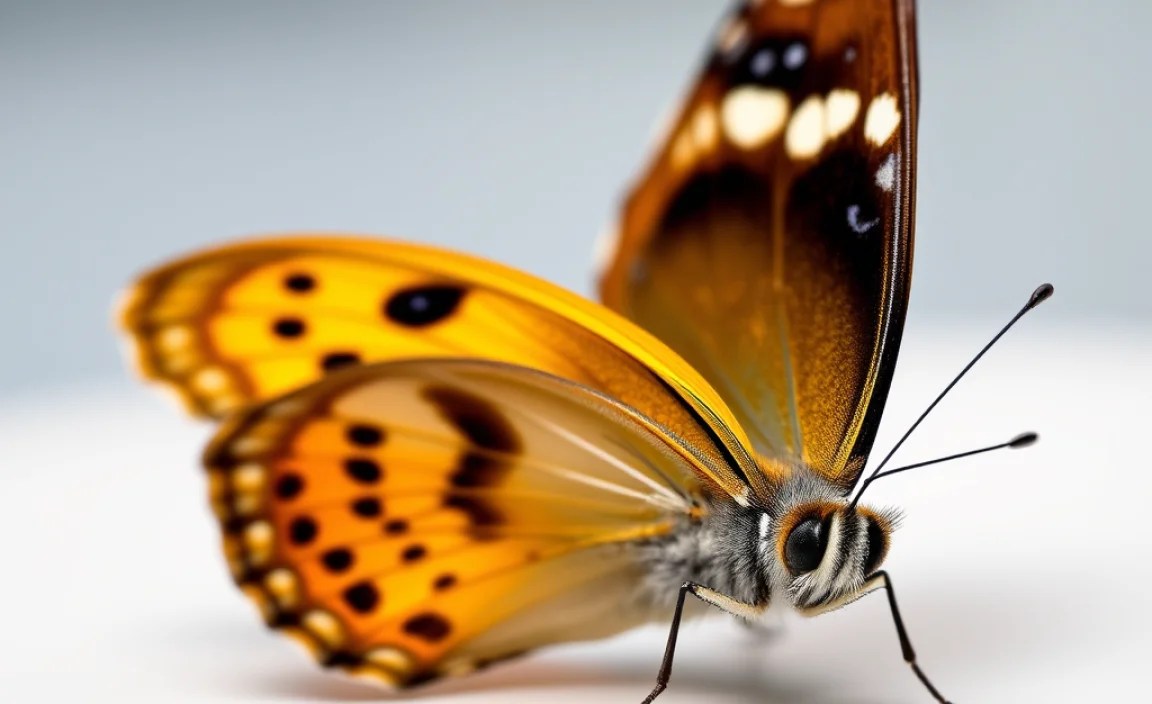
Identifying butterflies relies on careful observation and a bit of detective work. Let’s explore the key factors that will help you distinguish one species from another. Remember, it’s a journey of discovery, so enjoy the process!
Key Features to Observe
When trying to identify a butterfly, focus on these key characteristics:
- Size: Is it a small, medium, or large butterfly?
- Color: Note the dominant colors and any patterns on the wings (spots, stripes, borders).
- Wing Shape: Are the wings rounded, pointed, or scalloped?
- Flight Pattern: Does it flutter, glide, or fly rapidly?
- Habitat: Where did you see the butterfly (meadow, forest, garden)?
Essential Tools for Identification
Having the right tools can make butterfly identification much easier:
- Field Guide: A good field guide is invaluable. Look for one specific to European butterflies.
- Binoculars: Helps to get a closer look without disturbing the butterfly.
- Camera: Taking photos allows you to study the butterfly later.
- Notebook: Jot down observations about the butterfly’s appearance, behavior, and location.
- Magnifying Glass: Useful for examining small details on the wings.
Step-by-Step Guide to Butterfly Identification
Let’s walk through a step-by-step process to help you identify those fluttering beauties.
Step 1: Observe the Butterfly’s Size and Shape
First impressions matter! Start by noting the overall size of the butterfly. Is it tiny like a Small Blue, or larger like a Swallowtail? Also, observe the shape of its wings. Are they rounded, pointed, or do they have tails?
Step 2: Identify the Colors and Patterns
This is where things get interesting. Pay close attention to the colors on the butterfly’s wings. Are they vibrant and bold, or muted and subtle? Look for distinct patterns like spots, stripes, or eye-spots. Note whether the patterns are symmetrical on both wings.
Consider these examples:
- Peacock Butterfly: Easily recognized by its distinctive eye-spots on the wings.
- Red Admiral: Known for its striking black wings with red bands and white spots.
- Common Blue: Males are bright blue, while females have varying amounts of brown and blue.
Step 3: Consider the Habitat and Location
Butterflies are often found in specific habitats. Knowing where you saw the butterfly can narrow down the possibilities. For example, some species prefer meadows, while others are found in woodlands or gardens.
Here are some common European butterfly habitats:
- Meadows: Home to many species, including Common Blues, Meadow Browns, and Skippers.
- Woodlands: Speckled Woods, White Admirals, and Purple Emperors are often found here.
- Gardens: Attract Red Admirals, Peacocks, Small Tortoiseshells, and Swallowtails.
- Heathlands: Silver-studded Blues and Graylings thrive in these areas.
Step 4: Observe the Butterfly’s Behavior
How does the butterfly behave? Does it flutter gently, or does it have a rapid, direct flight? What flowers does it visit? Some butterflies are picky eaters and only feed on specific plants.
Consider these behavioral traits:
- Flight Style: Some butterflies have a distinctive flight pattern that can aid identification.
- Feeding Habits: Note the types of flowers the butterfly visits.
- Sunbathing: Many butterflies bask in the sun to warm up. How does it hold its wings while basking?
Step 5: Use a Field Guide or Online Resource
Now it’s time to put your observations to the test. Use a field guide or a reliable online resource to compare your notes with known butterfly species. Look for photos or illustrations that match your butterfly’s appearance.
Here are some excellent resources:
- “Butterflies of Britain and Europe” by Tom Tolman and Richard Lewington: A comprehensive field guide with detailed illustrations.
- UK Butterflies: A website with photos, descriptions, and distribution maps of British butterflies. (UKButterflies.co.uk)
- Butterfly Conservation: A UK charity dedicated to saving butterflies, moths, and their habitats. (Butterfly-conservation.org)
Step 6: Confirm Your Identification
Once you’ve tentatively identified the butterfly, double-check your findings. Compare your notes with multiple sources to ensure accuracy. If possible, consult with an experienced butterfly enthusiast or naturalist.
Common European Butterflies: A Quick Guide
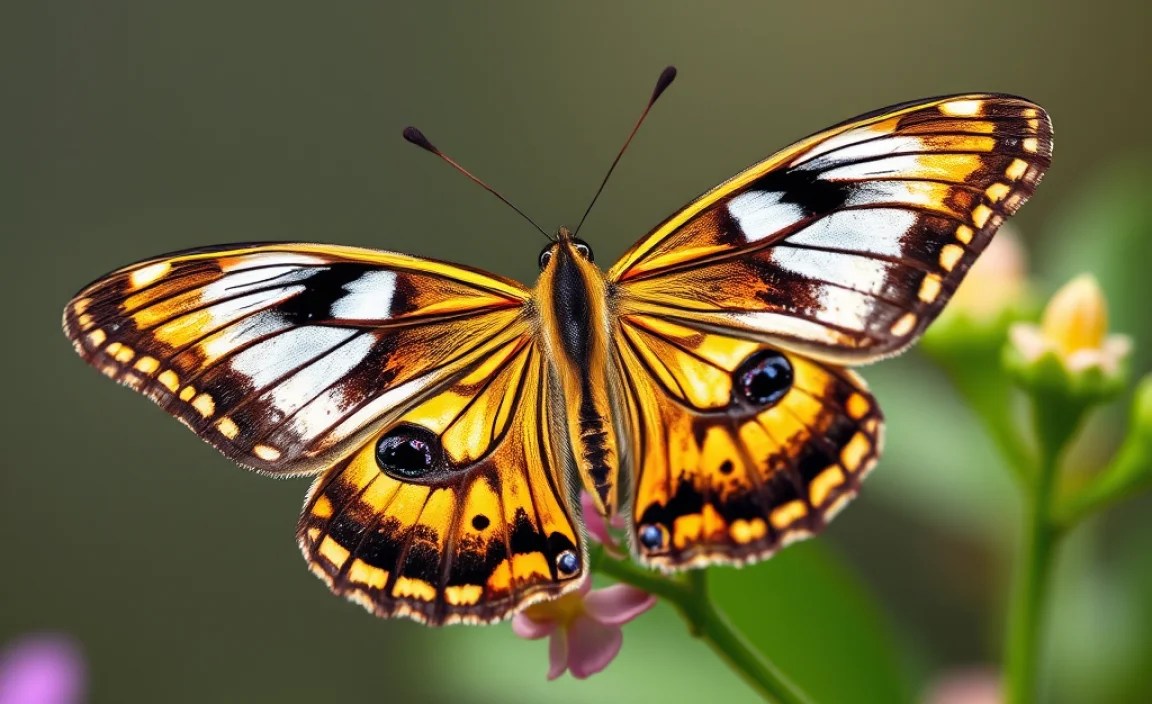
Let’s take a look at some of the most common European butterflies and their key identification features. This table will help you get started.
| Butterfly Species | Size | Color and Pattern | Habitat | Key Features |
|---|---|---|---|---|
| Peacock Butterfly (Aglais io) | Medium | Reddish-brown with distinctive eye-spots on wings | Gardens, meadows, woodlands | Large eye-spots on both upper and lower wings |
| Red Admiral (Vanessa atalanta) | Medium | Black with red bands and white spots on wings | Gardens, woodlands, coastal areas | Striking red bands on forewings |
| Small Tortoiseshell (Aglais urticae) | Small | Orange with black spots and blue crescents along wing edges | Gardens, meadows, woodlands | Bright orange wings with a row of blue spots |
| Common Blue (Polyommatus icarus) | Small | Males are bright blue; females are brown with some blue | Meadows, grasslands | Males have vibrant blue upperwings |
| Speckled Wood (Pararge aegeria) | Medium | Brown with creamy yellow spots | Woodlands, shady areas | Prefers dappled sunlight in woodlands |
| Brimstone (Gonepteryx rhamni) | Medium | Lemon-yellow (male) or greenish-white (female) | Woodlands, hedgerows | Distinctive leaf-like shape when wings are closed |
| Swallowtail (Papilio machaon) | Large | Yellow with black veins and a tail on each hindwing | Gardens, meadows, coastal areas | Large size and distinctive “swallowtail” extensions |
Understanding Butterfly Wing Patterns
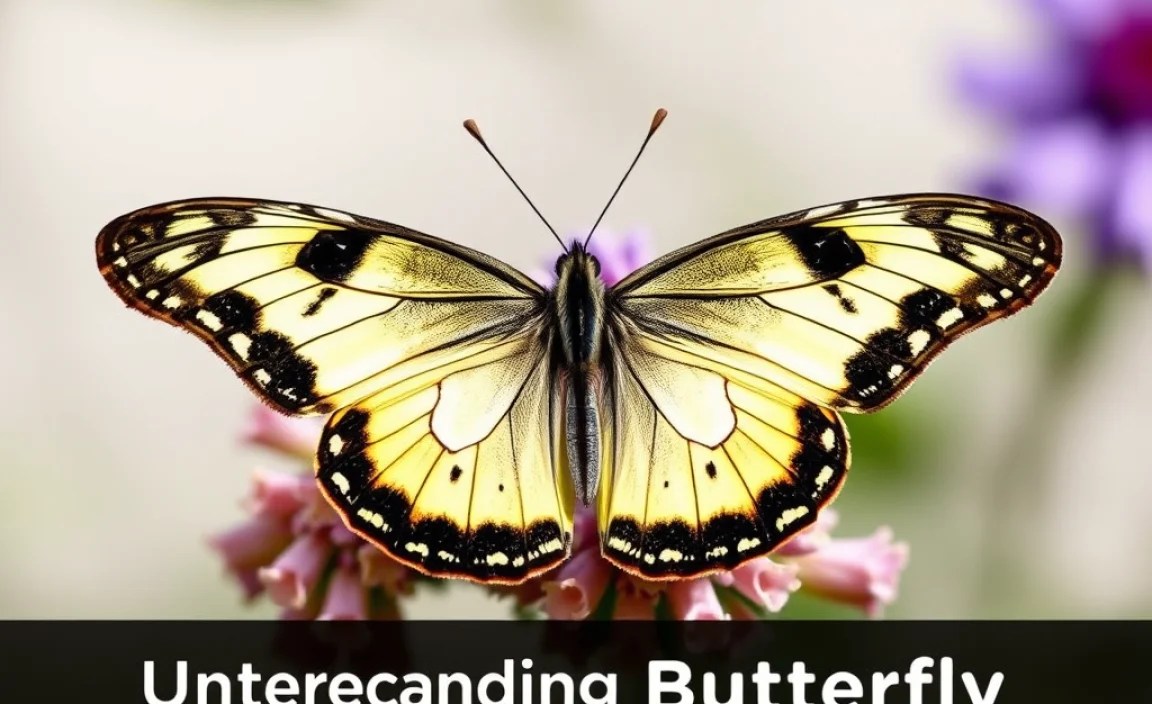
Butterfly wings display a fascinating array of patterns, each serving a purpose. Understanding these patterns can significantly aid in identification.
Camouflage and Mimicry
Some butterflies use camouflage to blend in with their surroundings, while others mimic poisonous species to deter predators. For example, the Viceroy butterfly mimics the Monarch, which is toxic to birds. Learn more about mimicry on sites like National Geographic.
Eye-spots
Eye-spots are common patterns that resemble eyes. These can startle predators or deflect attacks away from vital body parts. The Peacock butterfly is a classic example of a species with prominent eye-spots.
Coloration and Thermoregulation
Darker colored wings absorb more heat, helping butterflies warm up in cooler climates. Lighter colors reflect sunlight, preventing overheating in warmer regions. This adaptation is crucial for their survival.
Attracting Butterflies to Your Garden

Want to see more butterflies up close? Create a butterfly-friendly garden! Here’s how:
- Plant Nectar-Rich Flowers: Choose flowers that provide nectar for adult butterflies, such as Buddleja (Butterfly Bush), Lavender, and Verbena.
- Provide Host Plants: Caterpillars need specific plants to feed on. Plant host plants like Milkweed for Monarchs, Nettles for Red Admirals and Small Tortoiseshells, and Thistles for Painted Ladies.
- Offer a Water Source: Butterflies need water. Provide a shallow dish of water with pebbles for them to land on.
- Avoid Pesticides: Pesticides can harm or kill butterflies and caterpillars. Opt for organic gardening practices.
- Provide Shelter: Plant shrubs and trees to offer shelter from wind and rain.
The Importance of Butterfly Conservation
Butterflies are more than just beautiful insects; they play a crucial role in our ecosystem. They are important pollinators, helping to fertilize plants and maintain biodiversity. Unfortunately, many butterfly species are threatened by habitat loss, climate change, and pesticide use.
Here are some ways you can help protect butterflies:
- Support Conservation Organizations: Donate to or volunteer with organizations dedicated to butterfly conservation, such as the Xerces Society.
- Create Butterfly-Friendly Habitats: Plant native flowers and host plants in your garden or community.
- Reduce Pesticide Use: Opt for organic gardening practices and avoid using pesticides.
- Raise Awareness: Educate others about the importance of butterfly conservation.
FAQ: European Butterfly Identification
Here are some frequently asked questions about identifying European butterflies:
- Q: What is the best field guide for European butterflies?
- A: “Butterflies of Britain and Europe” by Tom Tolman and Richard Lewington is a highly recommended field guide with detailed illustrations and descriptions.
- Q: How can I attract more butterflies to my garden?
- A: Plant nectar-rich flowers, provide host plants for caterpillars, offer a water source, and avoid using pesticides.
- Q: What is the difference between a butterfly and a moth?
- A: Butterflies typically have brightly colored wings, slender antennae with clubbed tips, and are active during the day. Moths often have duller colors, feathery or comb-like antennae, and are mostly active at night.
- Q: Why are butterflies important?
- A: Butterflies are important pollinators, helping to fertilize plants and maintain biodiversity. They also serve as indicators of environmental health.
- Q: How can I tell if a butterfly is male or female?
- A: In some species, males and females have different colors or patterns. For example, male Common Blue butterflies are bright blue, while females are brown with some blue. Size and wing shape can also vary between sexes in some species.
- Q: What should I do if I find an injured butterfly?
- A: Gently move the butterfly to a safe, sheltered location. Provide a shallow dish of sugar water (one part sugar to four parts water) for it to feed on. If the butterfly is severely injured, consider contacting a local wildlife rehabilitator.
- Q: Where can I report butterfly sightings?
- A: Many conservation organizations, such as Butterfly Conservation, have online platforms where you can report butterfly sightings. This data helps track butterfly populations and distribution.
Conclusion
Identifying European butterflies is a rewarding journey that connects you with the natural world. By observing their size, color, patterns, and behavior, and by using field guides and online resources, you can unlock the secrets of these beautiful creatures. Remember, every butterfly you identify contributes to your understanding of the environment and helps support conservation efforts. So grab your binoculars, head out into nature, and start exploring the wonderful world of butterflies!


