
European Monarch vs Painted Lady: Ultimate ID Guide

Quick Summary: Telling the difference between a European monarch and a painted lady butterfly can be tricky! Look for size: monarchs are larger. Check the wing patterns: monarchs have bolder black lines and distinct orange coloring, while painted ladies have a mottled, mosaic-like pattern with orange, brown, and black. Habitat also differs; monarchs prefer milkweed areas, while painted ladies are found in diverse environments.
Have you ever been strolling through a garden, admiring the fluttering butterflies, and wondered, “Is that a monarch or a painted lady?” It’s a common question! These two beauties often get mixed up. But don’t worry, discerning one from the other is easier than you might think. This guide will walk you through identifying key differences so you can confidently name these lovely winged creatures. Let’s explore their unique features, habitats, and behaviors together!
Unveiling the Butterfly World: European Monarch vs. Painted Lady

Let’s dive into the fascinating world of butterflies and learn how to tell apart the European monarch and the painted lady. Both are captivating insects, but they have unique characteristics that set them apart. Understanding these differences will deepen your appreciation for these delicate creatures.
Size Matters: Observing the Wingspan

One of the first things you’ll notice is the size difference. Monarchs are generally larger than painted ladies. Here’s a simple breakdown:
- Monarch: Wingspan typically ranges from 3.5 to 4 inches (8.9 to 10.2 cm).
- Painted Lady: Wingspan usually measures between 2 to 2.875 inches (5.1 to 7.3 cm).
So, if you see a larger butterfly, it’s more likely to be a monarch. However, size alone isn’t always a definitive indicator, as there can be some overlap.
Decoding the Wing Patterns: A Close-Up Look

The patterns on their wings are where you’ll find the most significant differences. Let’s examine the details:
Monarch Butterfly Wing Patterns
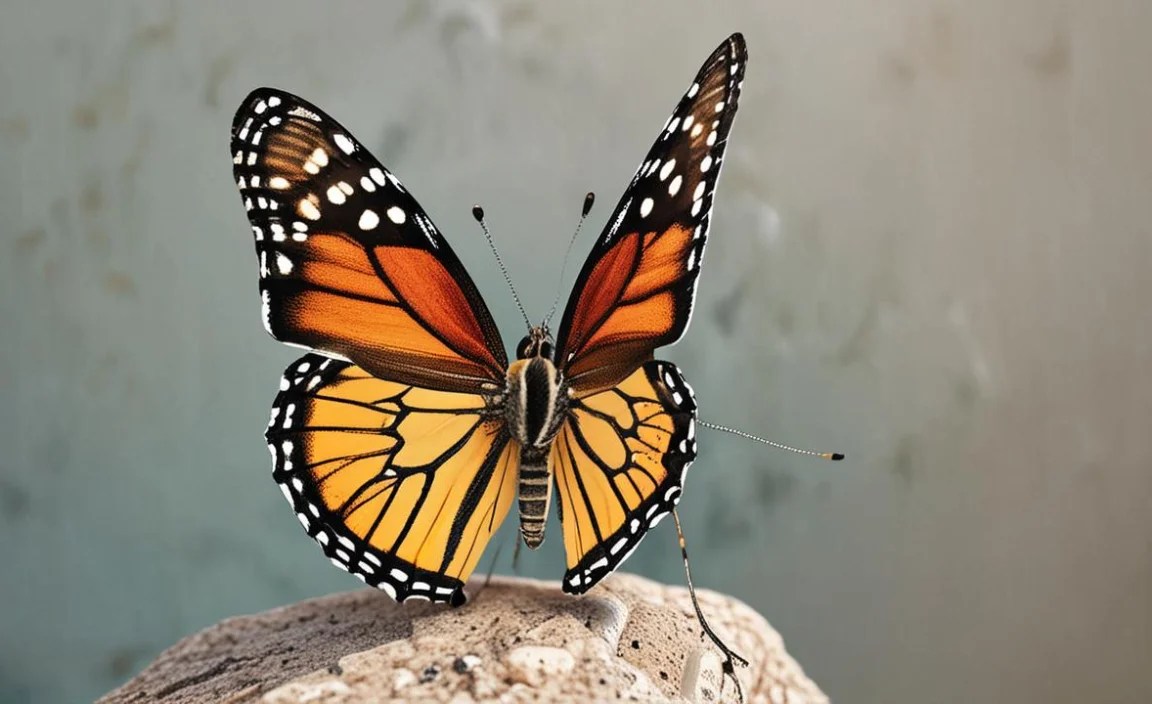
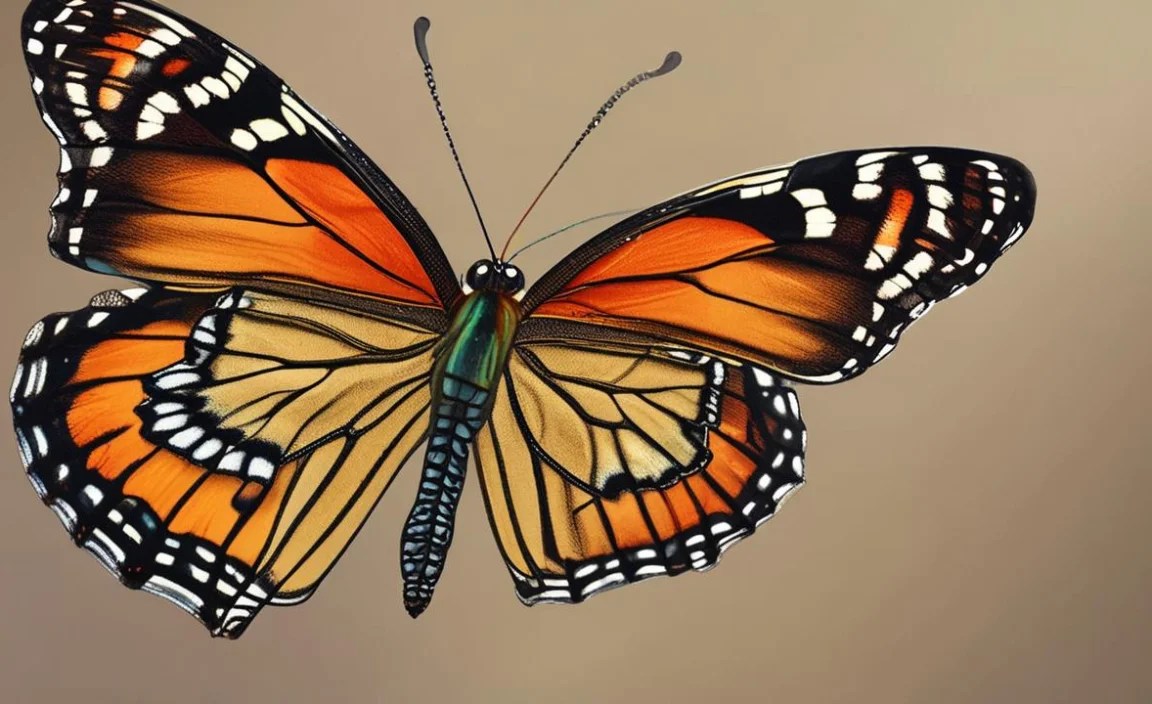
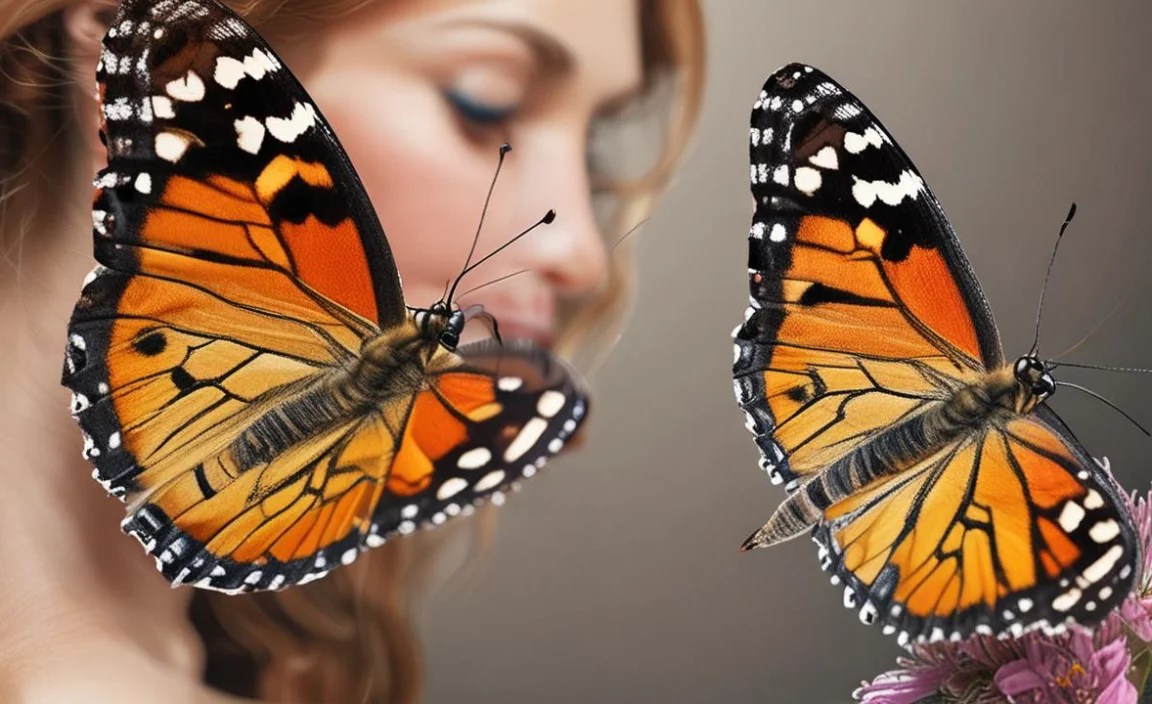
Monarchs are known for their striking orange wings with bold black veins and a black border. Here’s what to look for:
- Color: Bright, vibrant orange.
- Veins: Thick black lines running across the wings.
- Border: Wide black border with distinct white spots.
- Hindwings: Similar pattern to the forewings, with a consistent orange color.
These bold patterns serve as a warning to predators, indicating that the monarch is toxic due to the milkweed it consumes as a caterpillar.
Painted Lady Butterfly Wing Patterns
Painted ladies have a more intricate and mottled pattern. The colors are a mix of orange, brown, and black, creating a mosaic-like appearance.
- Color: A blend of orange, brown, and black, giving a mottled appearance.
- Veins: Finer black lines compared to the monarch.
- Border: Black border with smaller white spots, less defined than the monarch.
- Hindwings: A row of small, distinct eyespots. This is a key identifier!
The painted lady’s camouflage helps it blend into various environments, making it less conspicuous to predators.
Habitat and Range: Where Do They Live?
Understanding where these butterflies are commonly found can also aid in identification. While both can be widespread, their preferred habitats differ.
Monarch Habitat

Monarchs are closely associated with milkweed plants, which are essential for their survival. They are commonly found in:
- North America: Especially in areas with milkweed, such as fields, meadows, and gardens.
- Migration Routes: Known for their long migration from Canada and the US to Mexico and California.
- Gardens: Often attracted to gardens with milkweed and nectar-rich flowers.
Monarchs rely on milkweed as the sole food source for their caterpillars, making milkweed conservation critical to their survival. You can learn more about monarch conservation efforts from organizations like the U.S. Fish & Wildlife Service.
Painted Lady Habitat

Painted ladies are more adaptable and can be found in a wider variety of habitats. They are considered one of the most widespread butterflies in the world.
- Global Distribution: Found on every continent except Australia and Antarctica.
- Diverse Habitats: Meadows, fields, gardens, and even disturbed areas.
- Adaptability: Can thrive in various climates and landscapes.
Their adaptability allows them to colonize new areas quickly, making them a common sight in many different environments. You can explore the painted lady’s global distribution on iNaturalist.
Behavioral Traits: Flight and Feeding Habits

Observing how these butterflies behave can also offer clues to their identity.
Monarch Behavior
- Flight: Strong, gliding flight, often seen migrating in large groups.
- Feeding: Primarily feeds on milkweed nectar as caterpillars and various flower nectars as adults.
- Migration: Famous for their multi-generational migration, covering thousands of miles.
Monarchs’ migratory behavior is one of the most remarkable phenomena in the natural world. Learn more about their migration patterns from the World Wildlife Fund.
Painted Lady Behavior
- Flight: Quick, erratic flight, often moving rapidly from flower to flower.
- Feeding: Feeds on a wide range of nectar sources, including thistles, asters, and other wildflowers.
- Migration: Also migrates, but their movements are less predictable and more opportunistic.
Painted ladies are known for their opportunistic migration, often following favorable weather conditions and abundant food sources. The Xerces Society offers valuable insights into their migration patterns.
Caterpillar Characteristics: A Tale of Two Larvae

Identifying the caterpillars is another way to distinguish between these butterflies. Both feed on different host plants and have unique appearances.
Monarch Caterpillar
- Appearance: Striking black, white, and yellow stripes.
- Host Plant: Exclusively feeds on milkweed.
- Location: Typically found on milkweed plants.
The monarch caterpillar’s bright colors warn predators of its toxicity, which it acquires from the milkweed. You can find more information about monarch caterpillars on the Monarch Joint Venture website.
Painted Lady Caterpillar
- Appearance: Dark color with spiky bristles and variable patterns.
- Host Plant: Feeds on a wide range of plants, including thistles, mallows, and legumes.
- Location: Can be found on various host plants in different habitats.
Painted lady caterpillars are less picky eaters than monarch caterpillars, contributing to their wider distribution. Learn more about painted lady caterpillars from the University of Nebraska-Lincoln Entomology Department.
Comparative Table: European Monarch vs. Painted Lady
Here’s a table summarizing the key differences between the European monarch and the painted lady:
| Feature | European Monarch | Painted Lady |
|---|---|---|
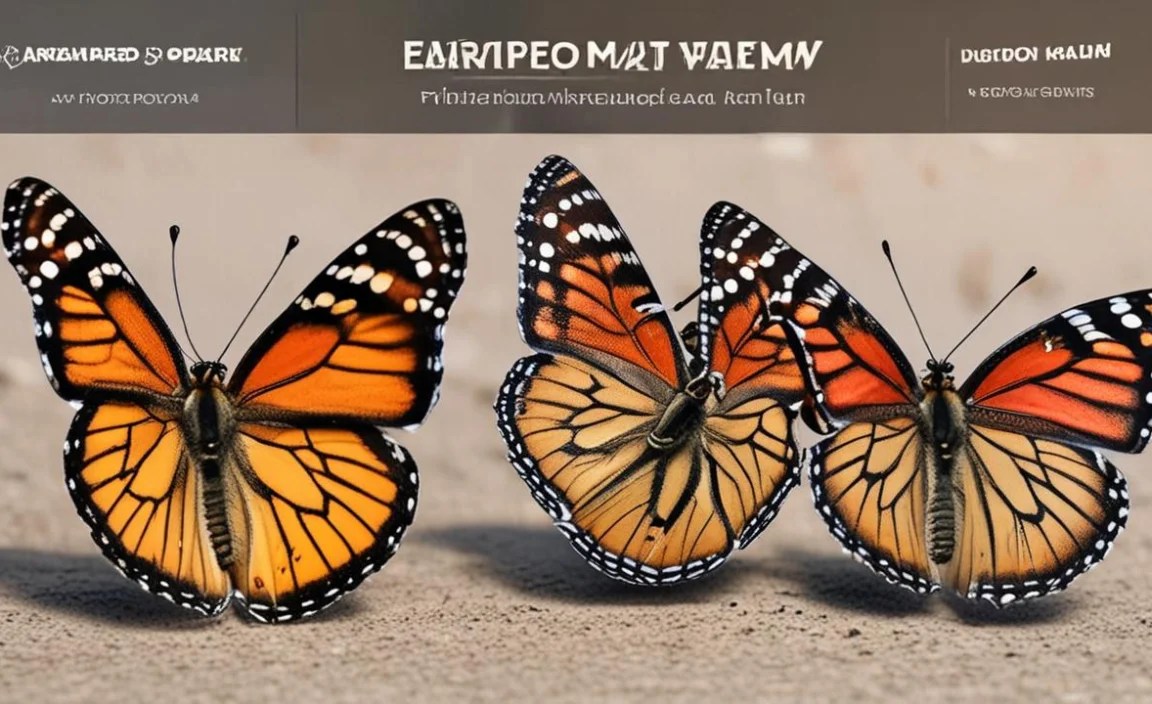
| Size (Wingspan) | 3.5 – 4 inches (8.9 – 10.2 cm) | 2 – 2.875 inches (5.1 – 7.3 cm) |
| Wing Color | Bright orange with bold black lines | Mottled orange, brown, and black |
| Wing Border | Wide black border with large white spots | Black border with small white spots |
| Hindwings | Consistent orange color | Distinct row of eyespots |
| Habitat | Areas with milkweed, migration routes | Diverse, widespread habitats |
| Flight | Strong, gliding | Quick, erratic |
| Caterpillar | Black, white, and yellow stripes; feeds on milkweed | Dark with spiky bristles; feeds on various plants |
Visual Identification Tips: A Checklist

To quickly identify these butterflies, use this checklist:
- Size: Is it a large butterfly (monarch) or a smaller one (painted lady)?
- Wing Color: Is it a vibrant orange (monarch) or a mottled mix of colors (painted lady)?
- Wing Patterns: Does it have bold black lines and large white spots (monarch) or finer lines and smaller spots (painted lady)?
- Hindwings: Does it have a row of distinct eyespots (painted lady)?
- Habitat: Is it in an area with milkweed (monarch) or a more general environment (painted lady)?
Conservation Status and What You Can Do
Both monarchs and painted ladies face various threats, including habitat loss and climate change. Here’s what you can do to help:
- Plant Milkweed: For monarchs, providing milkweed is crucial.
- Plant Nectar-Rich Flowers: For both species, providing a variety of nectar sources supports adult butterflies.
- Avoid Pesticides: Pesticides can harm butterflies and other beneficial insects.
- Support Conservation Organizations: Donate to or volunteer with organizations working to protect butterfly habitats.
- Educate Others: Share your knowledge and inspire others to care about butterflies.
By taking these steps, you can contribute to the conservation of these beautiful creatures. The National Wildlife Federation offers valuable resources for supporting monarch conservation.
FAQ: Your Butterfly Questions Answered
Here are some frequently asked questions to further clarify the differences between European monarchs and painted ladies:
- Are European monarchs and painted ladies related?
- No, they belong to different genera within the butterfly family. Monarchs are in the genus Danaus, while painted ladies are in the genus Vanessa.
- Do painted ladies migrate like monarchs?
- Yes, painted ladies also migrate, but their migration patterns are less predictable and more opportunistic than those of monarchs. They often follow favorable weather conditions and abundant food sources.
- What is the main threat to monarch butterflies?
- The main threat to monarch butterflies is habitat loss, particularly the decline of milkweed due to herbicide use and development.
- Can painted ladies be found in Europe?
- Yes, painted ladies are found in Europe. In fact, they are one of the most widespread butterfly species in the world, found on almost every continent.
- How can I attract monarchs to my garden?
- Plant milkweed! Monarch caterpillars exclusively feed on milkweed. Also, plant nectar-rich flowers to provide food for adult monarchs.
- Are painted lady caterpillars picky eaters?
- No, painted lady caterpillars are not picky eaters. They feed on a wide range of plants, including thistles, mallows, and legumes.
- Why are monarch butterflies orange?
- The monarch’s bright orange color serves as a warning to predators. Monarch caterpillars feed on milkweed, which contains toxins that make the butterflies poisonous. The orange color signals this toxicity to potential predators.
Conclusion: Appreciating Nature’s Delicate Wonders
Distinguishing between the European monarch and the painted lady butterfly is a delightful way to connect with nature. By observing their size, wing patterns, habitats, and behaviors, you can confidently identify these beautiful insects and deepen your appreciation for their unique characteristics. Remember, every effort to conserve their habitats, plant milkweed, and avoid pesticides helps these delicate creatures thrive for generations to come. So, venture out, observe, and celebrate the enchanting world of butterflies!


