
European Butterflies in France List: Spot Them All!

France is home to a stunning variety of butterflies! This guide introduces some common species you might spot, from the vibrant Swallowtail to the elusive Camberwell Beauty. We’ll explore their key features, habitats, and what makes each one special. Get ready to discover the beautiful world of French butterflies!
Have you ever strolled through a sunny meadow in France and been mesmerized by the fluttering wings of butterflies? France boasts a rich diversity of these delicate creatures, each with its unique beauty and ecological role. But with so many species, identifying them can be a delightful challenge.
This guide will help you discover some of the most beautiful butterflies in France. We’ll explore their key characteristics, preferred habitats, and fascinating life cycles. Get ready to become a butterfly expert!
Exploring the Butterfly Diversity of France

France’s diverse landscapes, from the Mediterranean coast to the Alpine mountains, provide habitats for a wide range of butterfly species. These butterflies play an essential role in the ecosystem as pollinators and indicators of environmental health. Let’s explore some notable examples:
Common Butterfly Species in France
Here are some of the butterflies you’re most likely to encounter in France:
- Swallowtail (Papilio machaon): A large, striking butterfly with yellow wings and black markings, known for its elegant flight.
- Small Tortoiseshell (Aglais urticae): A familiar sight in gardens, with bright orange wings and a pattern of black spots and blue crescents.
- Peacock (Aglais io): Easily recognized by the distinctive eyespots on its wings, which it uses to startle predators.
- Large White (Pieris brassicae): A common white butterfly, sometimes considered a pest due to its caterpillars feeding on cabbage crops.
- Small Blue (Cupido minimus): One of the smallest European butterflies, often found in areas with kidney vetch plants.
- Adonis Blue (Lysandra bellargus): A vibrant blue butterfly, the male has bright blue wings while the female has brown wings with a blue dusting.
- Silver-washed Fritillary (Argynnis paphia): A large fritillary with silver streaks on the underside of its wings, often seen in woodland areas.
Less Common, but Equally Fascinating Butterflies
Keep an eye out for these less frequently seen, but equally fascinating species:
- Camberwell Beauty (Nymphalis antiopa): A large, dark butterfly with a distinctive yellow border on its wings.
- Duke of Burgundy (Hamearis lucina): A small, orange and brown butterfly found in woodland clearings.
- Clouded Yellow (Colias croceus): A migratory butterfly with bright yellow wings, often seen in fields and meadows.
Butterfly Identification Guide: Key Features and Habitats
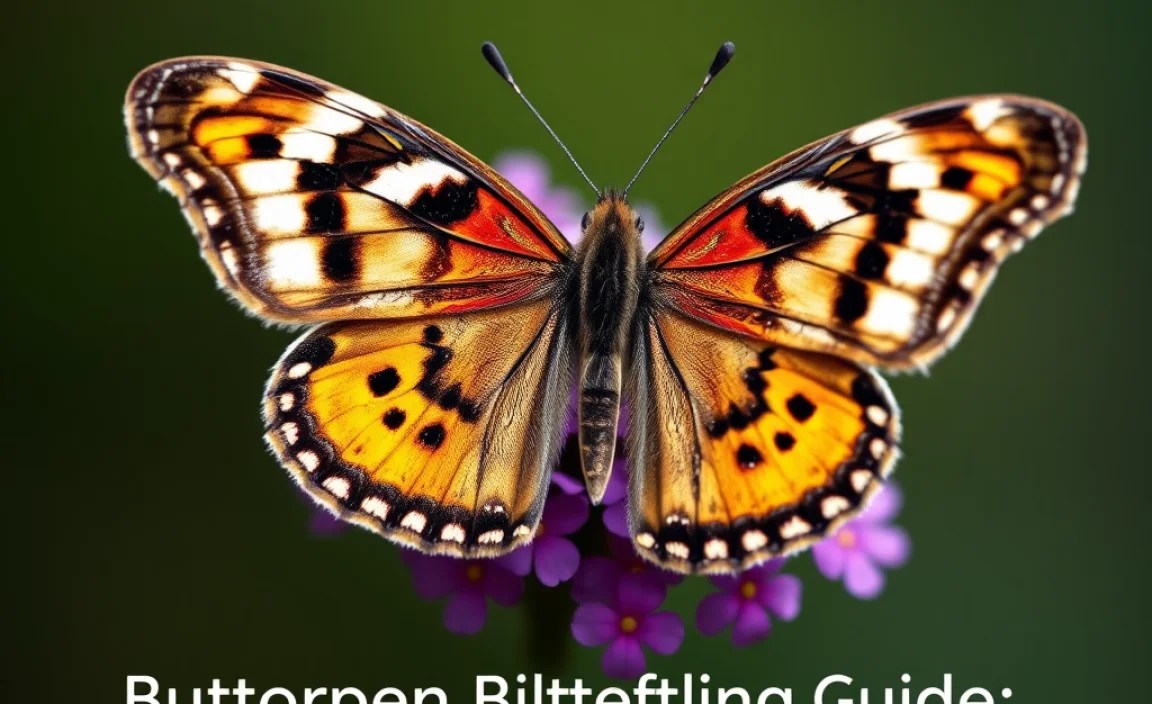
Identifying butterflies can be a rewarding experience. Here’s a guide to help you recognize some common species based on their key features and habitats:
Table: Butterfly Identification in France
| Butterfly Species | Key Features | Habitat | Flight Period |
|---|---|---|---|
| Swallowtail (Papilio machaon) | Large, yellow wings with black markings and a tail-like extension. | Gardens, meadows, and open countryside. | May to September |
| Small Tortoiseshell (Aglais urticae) | Orange wings with black spots and blue crescents along the edges. | Gardens, parks, and woodlands. | March to October |
| Peacock (Aglais io) | Dark reddish-brown wings with prominent eyespots. | Woodlands, gardens, and meadows. | July to May (overwinters as an adult) |
| Large White (Pieris brassicae) | White wings with black tips (more pronounced in females). | Gardens, fields, and cultivated areas. | April to September |
| Small Blue (Cupido minimus) | Small, blue wings (male) or brown wings (female) with a greyish tinge. | Grasslands and areas with kidney vetch plants. | May to August |
| Adonis Blue (Lysandra bellargus) | Bright blue wings (male), brown wings with blue dusting (female), white-fringed wings. | Chalk and limestone grasslands. | May to October (two broods) |
| Silver-washed Fritillary (Argynnis paphia) | Orange wings with black markings, silver streaks on the underside. | Woodland areas, particularly near oak trees. | June to September |
| Camberwell Beauty (Nymphalis antiopa) | Dark brown wings with a yellow border and blue spots. | Woodlands, parks, and gardens. | July to May (overwinters as an adult) |
| Duke of Burgundy (Hamearis lucina) | Small, orange and brown wings with intricate patterns. | Woodland clearings and scrub. | May to June |
| Clouded Yellow (Colias croceus) | Bright yellow wings with a black border. | Fields, meadows, and coastal areas. | May to October |
Understanding Butterfly Habitats
Butterflies are highly dependent on specific habitats for their survival. These habitats provide food sources for caterpillars and adults, as well as shelter and breeding sites. Here’s a look at some key butterfly habitats in France:
- Grasslands: Many butterfly species rely on grasslands for their larval food plants and nectar sources. These include the Adonis Blue and Small Blue.
- Woodlands: Woodlands provide shelter and food for various butterfly species, such as the Silver-washed Fritillary and Camberwell Beauty.
- Gardens: Gardens can be havens for butterflies if they provide nectar-rich flowers and larval host plants. The Swallowtail, Small Tortoiseshell, and Peacock are commonly found in gardens.
- Coastal Areas: Coastal habitats support unique butterfly communities adapted to the salty conditions. The Clouded Yellow is often seen in coastal areas.
Attracting Butterflies to Your Garden

Want to see more butterflies in your garden? Here’s how to create a butterfly-friendly habitat:
Planting Butterfly-Friendly Flowers
Choose flowers that provide nectar for adult butterflies. Some excellent options include:
- Buddleja (Butterfly Bush): A classic butterfly magnet, available in various colors.
- Lavender: A fragrant herb that attracts many butterfly species.
- Sedum (Stonecrop): A late-blooming plant that provides nectar in the autumn.
- Verbena: A long-blooming flower that is highly attractive to butterflies.
- Echinacea (Coneflower): A popular choice with daisy-like flowers.
Providing Larval Host Plants
Don’t forget to plant host plants for butterfly caterpillars. Some examples include:
- Nettles: The food plant for Small Tortoiseshell and Peacock caterpillars.
- Cabbage family plants: Host plants for Large White caterpillars.
- Kidney Vetch: The food plant for Small Blue caterpillars.
- Oak Trees: A host plant for the Silver-washed Fritillary.
Other Tips for Attracting Butterflies
- Provide a water source: Butterflies need water to drink. A shallow dish of water with pebbles will do the trick.
- Offer shelter: Plant shrubs and trees to provide shelter from the wind and sun.
- Avoid pesticides: Pesticides can harm or kill butterflies and other beneficial insects.
- Let a patch of grass grow long: This provides habitat for caterpillars and other insects.
- Provide a sunny spot: Butterflies need sunlight to warm their bodies.
Butterfly Conservation in France

Many butterfly species are facing threats due to habitat loss, climate change, and pesticide use. Conservation efforts are crucial to protect these beautiful creatures and their habitats.
Threats to Butterflies
- Habitat Loss: The destruction and fragmentation of habitats due to agriculture, urbanization, and deforestation.
- Climate Change: Changes in temperature and rainfall patterns can disrupt butterfly life cycles and distribution.
- Pesticide Use: Pesticides can directly harm or kill butterflies and their caterpillars.
- Pollution: Air and water pollution can negatively impact butterfly habitats and food sources.
Conservation Strategies
- Habitat Restoration: Restoring and managing butterfly habitats, such as grasslands and woodlands.
- Sustainable Agriculture: Promoting farming practices that minimize pesticide use and protect butterfly habitats.
- Protected Areas: Establishing and managing protected areas to safeguard butterfly populations and their habitats.
- Citizen Science: Encouraging public participation in butterfly monitoring and conservation efforts.
- Raising Awareness: Educating the public about the importance of butterflies and their conservation.
Organizations like the Ligue pour la Protection des Oiseaux (LPO) and local conservation groups are actively involved in butterfly conservation in France. You can support their efforts by volunteering, donating, or simply spreading awareness about the importance of butterfly conservation.
Learn more about the LPO’s conservation efforts.
Tela Botanica is also a great resource for information.
Butterfly Symbolism and Cultural Significance

Butterflies have captivated humans for centuries, appearing in art, literature, and mythology. Their transformation from caterpillar to butterfly symbolizes change, rebirth, and hope.
Butterflies in Art and Literature
Butterflies have been a popular subject for artists and writers throughout history. They often represent beauty, fragility, and the fleeting nature of life. In many cultures, butterflies are associated with the soul or spirit.
Butterflies in Mythology and Folklore
In some cultures, butterflies are believed to be messengers from the spirit world. They may represent departed loved ones or serve as symbols of good luck. In Greek mythology, Psyche, the goddess of the soul, is often depicted with butterfly wings.
Table: Butterfly Symbolism Across Cultures
| Culture | Symbolism |
|---|---|
| Greek | Soul, immortality |
| Chinese | Love, joy, immortality |
| Japanese | Soul, happiness, marital bliss |
| Native American | Transformation, hope |
| Mexican | Souls of the deceased |
Frequently Asked Questions (FAQ)
What is the most common butterfly in France?
The Small Tortoiseshell is one of the most commonly seen butterflies in France, often found in gardens and woodlands.
What is the largest butterfly in France?
The Swallowtail is one of the largest and most striking butterflies in France, easily recognizable by its yellow wings and black markings.
Are butterflies endangered in France?
Yes, many butterfly species in France are facing threats due to habitat loss, climate change, and pesticide use. Conservation efforts are crucial to protect these species.
How can I attract butterflies to my garden?
Plant nectar-rich flowers, provide larval host plants, offer a water source, and avoid using pesticides to create a butterfly-friendly habitat.
What do butterfly caterpillars eat?
Butterfly caterpillars eat specific host plants, such as nettles (for Small Tortoiseshell caterpillars), cabbage family plants (for Large White caterpillars), and kidney vetch (for Small Blue caterpillars).
When is the best time to see butterflies in France?
The best time to see butterflies in France is from late spring to early autumn, when many species are active and flowers are in bloom.
Where can I learn more about butterflies in France?
You can learn more about butterflies in France from field guides, websites like the LPO and Tela Botanica, and local nature organizations.
Conclusion
France’s butterfly diversity is a treasure worth exploring and protecting. By learning about these beautiful creatures, creating butterfly-friendly habitats, and supporting conservation efforts, we can ensure that future generations will continue to be enchanted by the fluttering wings of butterflies in French meadows and gardens. So, grab your field guide, head outdoors, and start discovering the wonderful world of French butterflies!


