
European Butterfly Distribution Map: Find Yours!

Quick Summary: Understanding European butterfly distribution is easy with online maps and field guides. These resources show where different butterfly species live across Europe, helping you identify butterflies in your area. Knowing butterfly ranges is vital for conservation and appreciating these beautiful insects. With the right tools, you can explore the fascinating world of European butterfly habitats.
Have you ever wondered which butterflies you might spot in your garden or while hiking through the European countryside? Figuring out where different butterfly species live can be tricky. Fortunately, there are many tools available to help you explore the fascinating world of European butterfly distribution. Knowing where to look makes butterfly watching even more exciting. This guide will show you how to use maps and other resources to discover the butterflies around you!
Understanding European Butterfly Distribution Maps

Butterfly distribution maps are essential tools for anyone interested in butterflies. These maps provide a visual representation of where different butterfly species can be found across Europe. They are incredibly helpful for identification, conservation efforts, and simply appreciating the diversity of these beautiful insects.
Why Use Butterfly Distribution Maps?
Butterfly distribution maps serve several important purposes:
- Identification: Knowing the range of a species helps narrow down the possibilities when identifying a butterfly.
- Conservation: Understanding where butterflies live allows conservationists to focus their efforts on protecting critical habitats.
- Education: Maps are a great way to learn about the biogeography of butterflies and how their ranges are influenced by environmental factors.
- Citizen Science: By using maps, you can contribute to citizen science projects by reporting butterfly sightings in specific areas.
Key Features of a Good Butterfly Distribution Map
When using butterfly distribution maps, look for the following features:
- Accuracy: The map should be based on reliable data and updated regularly.
- Clarity: The map should be easy to read, with clear boundaries and labels.
- Detail: A good map will show the distribution of individual species, not just broader groups.
- Interactive Features: Interactive maps allow you to zoom in on specific regions and access additional information about each species.
Where to Find European Butterfly Distribution Maps
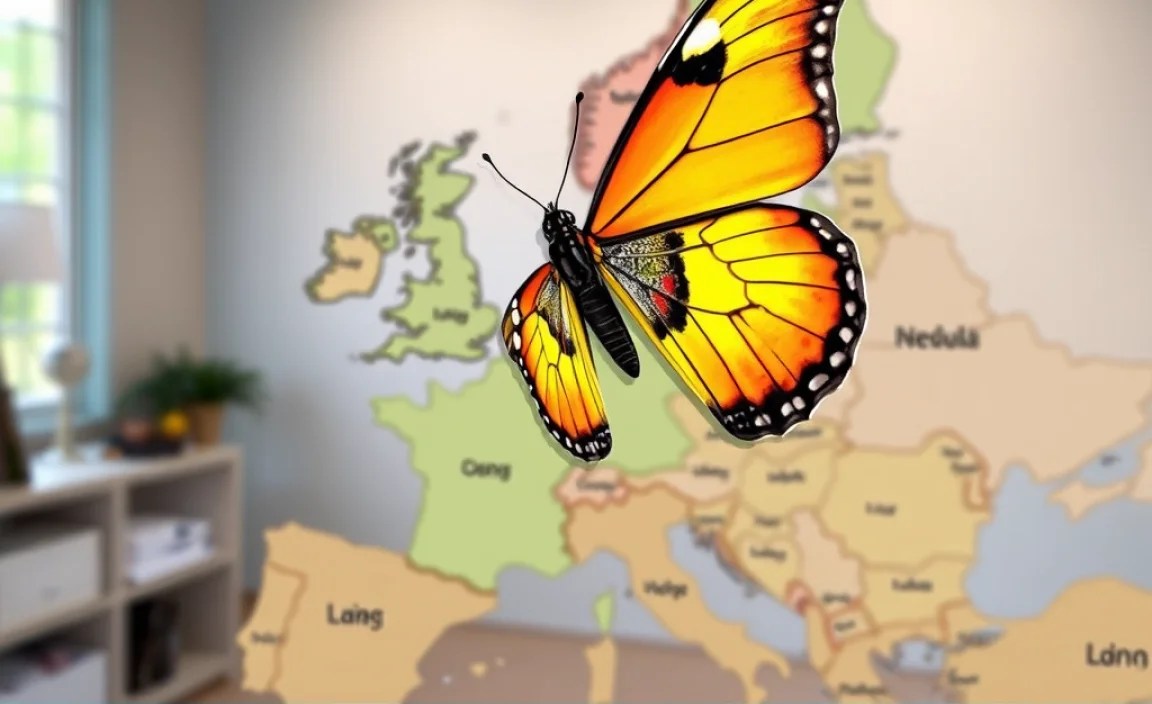
Several online resources and field guides offer detailed butterfly distribution maps for Europe.
Online Resources
Many websites provide interactive maps and databases of European butterfly distributions. Here are some of the best:
- GBIF (Global Biodiversity Information Facility): GBIF is a global database that aggregates data from various sources, including museum specimens and citizen science observations. You can search for butterfly species and view their distribution on a map.
- Discover Life: Discover Life offers interactive maps showing the distribution of various butterfly species. You can zoom in on specific regions and view photos and information about each species.
- iNaturalist: iNaturalist is a citizen science platform where users can record their observations of plants and animals, including butterflies. The data collected on iNaturalist can be used to create distribution maps.
- Butterfly Conservation Europe: This organization offers resources and information about European butterflies, including distribution maps and conservation efforts.
Field Guides
Field guides are another valuable resource for butterfly distribution information. Many guides include maps showing the range of each species, along with photos and descriptions to aid in identification. Here are a few recommended field guides:
- “Butterflies of Britain and Europe” by Tom Tolman and Richard Lewington: This comprehensive guide covers over 400 species of butterflies found in Europe. It includes detailed illustrations, descriptions, and distribution maps.
- “Field Guide to the Butterflies of Britain and Ireland” by Jeremy Thomas and Richard Lewington: This guide focuses specifically on the butterflies of Britain and Ireland. It includes detailed information on identification, habitat, and behavior.
- “Collins Butterfly Guide” by Michael Chinery: This guide is a concise and easy-to-use resource for identifying butterflies in Europe. It includes photos and distribution maps for each species.
How to Use Butterfly Distribution Maps Effectively
Using butterfly distribution maps effectively involves understanding how to interpret the information they provide and combining it with other identification techniques.
Step-by-Step Guide to Using Distribution Maps
- Identify the Butterfly: Observe the butterfly carefully, noting its size, color, wing patterns, and behavior. Take photos if possible.
- Consult a Field Guide or Online Resource: Use a field guide or online resource to narrow down the possibilities based on the butterfly’s appearance.
- Check the Distribution Map: Once you have a few potential species, check their distribution maps to see if they occur in your area.
- Consider Habitat and Time of Year: Butterflies are often found in specific habitats and during certain times of the year. Use this information to further narrow down the possibilities.
- Confirm Identification: Compare your observations with detailed descriptions and photos to confirm the identification.
Tips for Accurate Identification
Here are some tips to help you accurately identify butterflies using distribution maps and other resources:
- Pay Attention to Detail: Look closely at the butterfly’s wing patterns, colors, and markings. Even small details can be important for identification.
- Consider the Context: Note the butterfly’s habitat, behavior, and time of year. These factors can provide valuable clues.
- Use Multiple Resources: Consult multiple field guides and online resources to get a well-rounded view of the species.
- Join a Butterfly Club or Group: Connecting with other butterfly enthusiasts can provide valuable learning opportunities and support.
- Take Photos: Taking clear photos of the butterfly from different angles can help with identification later on.
Factors Affecting Butterfly Distribution
Butterfly distribution is influenced by a variety of factors, including climate, habitat, food availability, and human activities.
Climate
Climate plays a significant role in determining where butterflies can survive. Temperature, rainfall, and seasonality all affect butterfly development, reproduction, and survival. For example, some species are adapted to cold climates and can be found in mountainous regions, while others prefer warmer temperatures and are found in southern Europe.
Habitat
Butterflies are often closely associated with specific habitats, such as grasslands, forests, and wetlands. The availability of suitable host plants for caterpillars and nectar sources for adults is crucial for their survival. Habitat loss and fragmentation can have a significant impact on butterfly populations.
Food Availability
Caterpillars feed on specific host plants, and adult butterflies rely on nectar from flowers. The availability of these food sources is essential for butterfly survival. Changes in land use, such as the conversion of grasslands to agricultural land, can reduce the availability of food for butterflies.
Human Activities
Human activities, such as habitat destruction, pollution, and climate change, can have a significant impact on butterfly distribution. Habitat loss due to urbanization and agriculture is a major threat to many butterfly species. Pollution can also affect butterfly health and survival. Climate change can alter butterfly ranges, as species shift their distributions in response to changing temperatures and rainfall patterns.
Conservation Efforts and Butterfly Distribution
Understanding butterfly distribution is crucial for effective conservation efforts. By knowing where different species live, conservationists can focus their efforts on protecting critical habitats and addressing threats to butterfly populations.
Importance of Conservation
Butterflies play important roles in ecosystems as pollinators and indicators of environmental health. They are also a source of beauty and inspiration for many people. Conserving butterflies is essential for maintaining biodiversity and ensuring the health of our planet.
Conservation Strategies
Several conservation strategies can be used to protect butterflies and their habitats:
- Habitat Protection: Protecting and restoring butterfly habitats is crucial for their survival. This can involve setting aside protected areas, managing land in a butterfly-friendly way, and restoring degraded habitats.
- Habitat Management: Managing habitats to benefit butterflies can involve activities such as mowing grasslands at specific times of year, planting native wildflowers, and controlling invasive species.
- Species-Specific Conservation: Some butterfly species require specific conservation measures, such as captive breeding and reintroduction programs.
- Raising Awareness: Educating the public about the importance of butterflies and their conservation can help to garner support for conservation efforts.
How to Get Involved
There are many ways to get involved in butterfly conservation:
- Plant a Butterfly Garden: Planting a butterfly garden with native host plants and nectar sources can provide valuable habitat for butterflies.
- Participate in Citizen Science Projects: You can contribute to butterfly conservation by participating in citizen science projects, such as butterfly counts and monitoring programs.
- Support Conservation Organizations: Support conservation organizations that are working to protect butterflies and their habitats.
- Educate Others: Share your knowledge about butterflies with others and encourage them to get involved in conservation efforts.
Examples of Butterfly Distribution in Europe
Let’s explore a few examples of how butterfly distribution varies across Europe.
The Swallowtail (Papilio machaon)
The Swallowtail is a large, striking butterfly found throughout Europe. Its distribution is influenced by the availability of its host plants, which include fennel, dill, and parsley. In northern Europe, it is more localized, while in southern Europe, it is more widespread.
The Adonis Blue (Polyommatus bellargus)
The Adonis Blue is a small, brightly colored butterfly found in calcareous grasslands in southern England and parts of Europe. Its distribution is limited by the availability of its host plant, horseshoe vetch. Conservation efforts have focused on managing grasslands to benefit this species.
The Camberwell Beauty (Nymphalis antiopa)
The Camberwell Beauty is a large, dark butterfly that is a rare migrant to Britain from Europe. Its distribution varies from year to year, depending on weather conditions and the availability of its host plants, which include birch, willow, and elm.
Tools for Creating Your Own Butterfly Distribution Map
If you are interested in creating your own butterfly distribution map, here are some tools and resources that can help.
Software and Platforms
Several software programs and online platforms can be used to create butterfly distribution maps:
- QGIS: QGIS is a free and open-source geographic information system (GIS) software that can be used to create maps and analyze spatial data.
- ArcGIS: ArcGIS is a commercial GIS software that offers a wide range of mapping and analysis tools.
- Google My Maps: Google My Maps is a free online tool that allows you to create custom maps and share them with others.
Data Sources
To create a butterfly distribution map, you will need data on butterfly sightings. Here are some sources of data:
- GBIF: As mentioned earlier, GBIF is a global database that aggregates data from various sources, including museum specimens and citizen science observations.
- iNaturalist: iNaturalist is a citizen science platform where users can record their observations of plants and animals, including butterflies.
- National Butterfly Recording Schemes: Many countries have national butterfly recording schemes that collect data on butterfly sightings.
Steps to Create a Map
- Collect Data: Gather data on butterfly sightings from various sources.
- Prepare Data: Clean and format the data so that it can be used in your mapping software.
- Create a Base Map: Create a base map using a GIS software or online platform.
- Add Data to the Map: Add the butterfly sighting data to the map, using symbols or colors to represent different species.
- Customize the Map: Customize the map by adding labels, legends, and other features to make it easy to read.
- Share the Map: Share the map with others by publishing it online or printing it out.
Table: Butterfly Distribution Resources
| Resource | Type | Description | Link |
|---|---|---|---|
| GBIF | Online Database | Global database of species occurrences. | GBIF |
| Discover Life | Online Resource | Interactive maps of butterfly distributions. | Discover Life |
| iNaturalist | Citizen Science Platform | Platform for recording and sharing observations of nature. | iNaturalist |
| “Butterflies of Britain and Europe” | Field Guide | Comprehensive guide with detailed illustrations and maps. | N/A (Available at major book retailers) |
Table: Factors Affecting Butterfly Distribution
| Factor | Description | Impact |
|---|---|---|
| Climate | Temperature, rainfall, seasonality | Affects development, reproduction, and survival. |
| Habitat | Grasslands, forests, wetlands | Provides food and shelter. |
| Food Availability | Host plants for caterpillars, nectar sources for adults | Essential for survival. |
| Human Activities | Habitat destruction, pollution, climate change | Negative impact on butterfly populations. |
FAQ: European Butterfly Distribution
Here are some frequently asked questions about European butterfly distribution.
What is a butterfly distribution map?
A butterfly distribution map is a visual tool that shows where different butterfly species can be found in a specific region. It helps in identifying species and understanding their habitat ranges.
Why are butterfly distribution maps important?
These maps are essential for conservation efforts, helping scientists and enthusiasts track butterfly populations and understand the impact of environmental changes on their habitats.
Where can I find European butterfly distribution maps?
You can find them online at resources like GBIF and Discover Life, or in field guides such as “Butterflies of Britain and Europe” by Tom Tolman and Richard Lewington.
What factors affect butterfly distribution?
Climate, habitat availability, food sources (like host plants and nectar), and human activities all play a role in determining where butterflies can thrive.
How can I use a butterfly distribution map to identify a butterfly?
First, note the butterfly’s appearance and location. Then, consult the map to see if the species is known to inhabit that area. Combine this with other identification methods for accuracy.
Can butterfly distribution change over time?
Yes, climate change, habitat loss, and other environmental factors can cause butterfly ranges to shift over time. Monitoring these changes is crucial for conservation.
How can I contribute to butterfly distribution data?
You can participate in citizen science projects like iNaturalist, where you can record your butterfly sightings and contribute to a growing database of butterfly distribution information.
Conclusion
Exploring the distribution of European butterflies is a rewarding journey that combines scientific understanding with a deep appreciation for nature. By using the resources and techniques discussed in this guide, you can enhance your butterfly identification skills, contribute to conservation efforts, and gain a greater understanding of the factors that influence butterfly populations. Whether you are a seasoned naturalist or a beginner, there is always something new to discover in the fascinating world of European butterflies. So, grab your field guide, explore your local habitats, and start mapping the butterflies around you!


