
Rare European Butterflies Identification: The Ultimate Guide

Identifying rare European butterflies can be tricky, but focusing on key features like wing patterns, size, and habitat is essential. Observing their flight behavior and knowing their specific host plants also greatly helps. Field guides and online resources are invaluable tools for accurate identification and conservation efforts.
Have you ever been captivated by a butterfly, only to wonder what species it was? Identifying butterflies, especially the rare ones in Europe, can feel like solving a delicate puzzle. It’s a common challenge for nature lovers, but don’t worry! With a few simple techniques and a bit of practice, you can confidently identify these beautiful creatures. We’ll guide you through the essential steps, from recognizing key features to using helpful resources. Get ready to unlock the secrets of rare European butterflies!
Understanding Butterfly Identification Basics
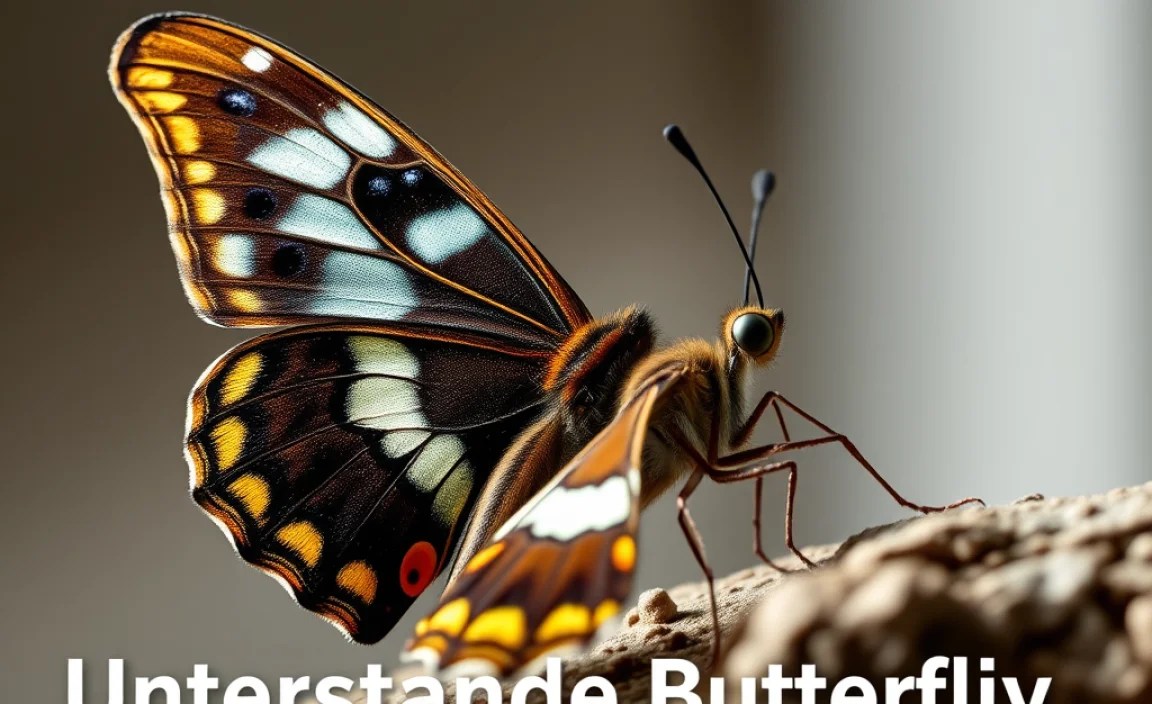
Butterfly identification isn’t just about spotting a pretty insect; it’s about understanding the intricate web of life around us. Each butterfly species plays a unique role in its ecosystem, and being able to identify them helps us appreciate and protect their habitats. Let’s start with some fundamental aspects of butterfly identification.
Key Features to Observe
When trying to identify a butterfly, pay close attention to these features:
- Wing Patterns: The colors, spots, and lines on a butterfly’s wings are like its fingerprints. Note the arrangement and shapes of these markings.
- Size and Shape: Is it a large butterfly or a small one? Are the wings rounded or more angular? Size can vary, so consider it along with other features.
- Coloration: Describe the colors you see. Are they vibrant and iridescent, or more muted and earthy?
- Flight Behavior: Does it flutter gently, or does it have a fast, erratic flight?
- Habitat: Where did you spot the butterfly? Different species prefer different environments.
Essential Tools for Identification
Having the right tools can make butterfly identification much easier:
- Field Guides: A good field guide is your best friend. Look for one specific to European butterflies, with detailed descriptions and photos.
- Binoculars: A pair of binoculars can help you get a closer look at wing patterns without disturbing the butterfly.
- Camera: Taking photos allows you to study the butterfly later and compare it with images in your field guide.
- Notebook and Pen: Jot down notes about the butterfly’s appearance, behavior, and location.
- Online Resources: Websites and apps dedicated to butterfly identification can provide additional information and images.
Spotting Rare European Butterflies

Identifying common butterflies is one thing, but recognizing rare species requires extra attention and knowledge. Here’s how to approach the challenge.
Knowing the Region
Europe is a diverse continent with varying climates and habitats. Understanding the regional distribution of butterfly species is crucial.
- Alpine Regions: Home to unique species adapted to high altitudes, such as the Apollo butterfly (Parnassius apollo).
- Mediterranean Areas: Warmer climates support species like the Two-tailed Pasha (Charaxes jasius).
- Northern Europe: Bogs and forests are habitats for species like the Cranberry Fritillary (Boloria aquilonaris).
Researching Specific Habitats
Rare butterflies often have very specific habitat requirements. Knowing these can significantly narrow down your search.
- Woodland Butterflies: Species like the White Admiral (Limenitis camilla) thrive in deciduous woodlands.
- Grassland Butterflies: The Scarce Large Blue (Phengaris teleius) depends on specific grassland habitats.
- Heathland Butterflies: Look for the Silver-studded Blue (Plebejus argus) in heathland areas.
Identifying Host Plants
Many rare butterflies are highly dependent on specific host plants for their larvae. Spotting these plants can lead you to the butterflies themselves.
- Apollo Butterfly: Larvae feed on stonecrop plants (Sedum species).
- Large Blue Butterfly: Larvae initially feed on Knautia arvensis flowers, then rely on Myrmica ants.
- Swallowtail Butterfly: Larvae feed on fennel and rue.
Detailed Identification of Selected Rare Butterflies

Let’s take a closer look at some specific rare European butterflies. We’ll examine their key characteristics, habitat preferences, and host plants to give you a better idea of what to look for.
Apollo Butterfly (Parnassius apollo)
The Apollo is a striking butterfly with translucent white wings adorned with black spots and distinctive red eyespots on the hindwings. It’s found in mountainous regions and is known for its slow, graceful flight.
- Key Features: Large size, white wings, black and red spots.
- Habitat: Alpine meadows and rocky slopes.
- Host Plant: Stonecrop (Sedum species).
- Conservation Status: Vulnerable
Large Blue Butterfly (Phengaris arion)
The Large Blue is a fascinating butterfly with a complex life cycle. The larvae feed on Knautia arvensis flowers before being adopted by Myrmica ants, which carry them to their nests. It’s a rare sight, highly dependent on specific grassland conditions.
- Key Features: Bright blue wings with dark borders (males), brownish-blue (females).
- Habitat: Calcareous grasslands.
- Host Plant: Knautia arvensis and Myrmica ants.
- Conservation Status: Near Threatened
Swallowtail Butterfly (Papilio machaon)
The Swallowtail is one of Europe’s largest and most recognizable butterflies. Its vibrant yellow wings are marked with black veins and striking blue and red spots on the hindwings. It is often found in gardens and open countryside.
- Key Features: Yellow wings, black veins, “tails” on hindwings.
- Habitat: Gardens, fields, and open countryside.
- Host Plant: Fennel, rue, and other umbellifers.
- Conservation Status: Least Concern
Cranberry Fritillary (Boloria aquilonaris)
The Cranberry Fritillary is a small butterfly with orange wings marked with black spots. It thrives in boggy and wet heathland environments.
- Key Features: Small size, orange wings with black spots.
- Habitat: Bogs and wet heathlands.
- Host Plant: Cranberry (Vaccinium oxycoccos).
- Conservation Status: Least Concern
Two-Tailed Pasha (Charaxes jasius)
The Two-Tailed Pasha is a large, impressive butterfly found in the Mediterranean region. Its wings are a rich brown with distinctive “tails” on the hindwings.
- Key Features: Large size, brown wings, two “tails” on hindwings.
- Habitat: Warm, wooded areas.
- Host Plant: Strawberry tree (Arbutus unedo).
- Conservation Status: Least Concern
Using Field Guides and Online Resources Effectively
Field guides and online resources are essential for accurate butterfly identification. Here’s how to make the most of them.
Choosing the Right Field Guide
A good field guide should have:
- Detailed Descriptions: Clear, accurate descriptions of each species.
- High-Quality Photos: Images showing variations in color and pattern.
- Range Maps: Indicating where each species is found.
- Identification Keys: Step-by-step guides to narrow down possibilities.
Navigating Online Resources
The internet offers a wealth of information:
- Butterfly Identification Websites: Sites like Butterfly Identification offer extensive databases and images.
- Online Forums: Connect with other butterfly enthusiasts and experts for help.
- Citizen Science Projects: Contribute your sightings to help track butterfly populations (e.g., iNaturalist).
Comparing Multiple Sources
Don’t rely on just one source. Cross-reference information from multiple field guides and websites to ensure accuracy. Note any discrepancies and look for consensus.
Butterfly Conservation and How You Can Help
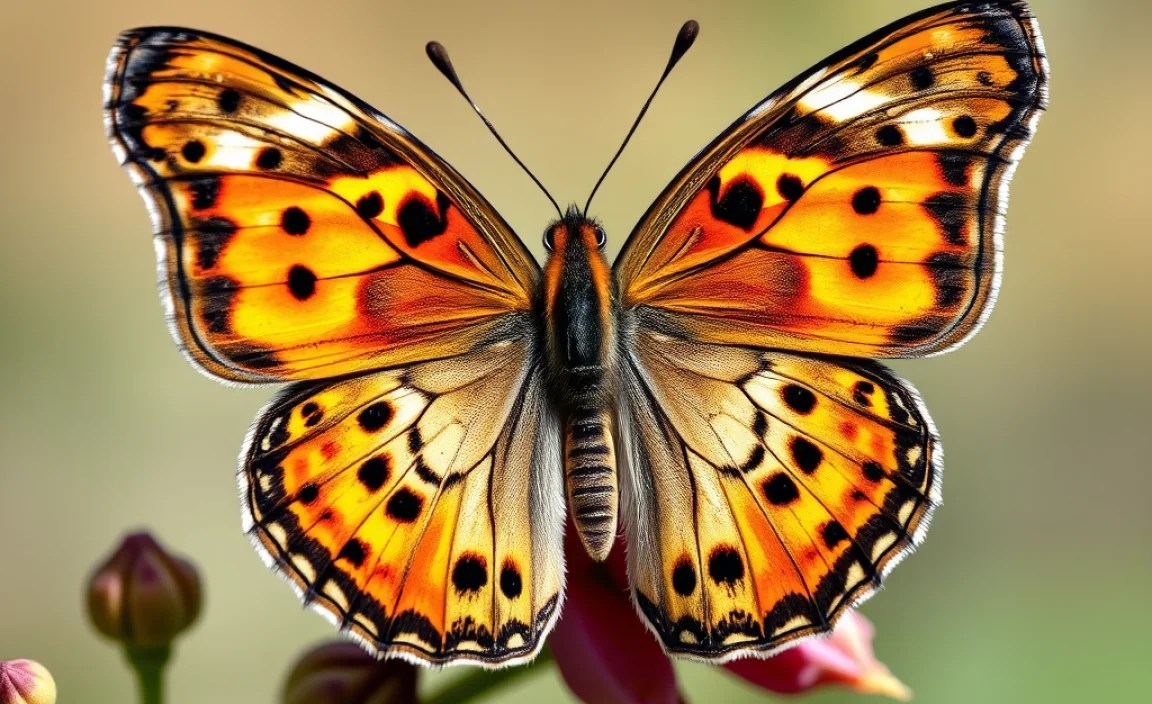
Many European butterflies are facing threats due to habitat loss, climate change, and pesticide use. By learning about these challenges, you can contribute to their conservation.
Threats to Butterfly Populations
Understanding the threats is the first step:
- Habitat Loss: Destruction of grasslands, woodlands, and wetlands.
- Climate Change: Altered weather patterns affecting butterfly life cycles.
- Pesticide Use: Harmful chemicals impacting butterfly health.
- Agricultural Intensification: Changes in farming practices reducing butterfly habitats.
Creating Butterfly-Friendly Habitats
You can make a difference in your own backyard:
- Plant Native Flowers: Provide nectar sources for adult butterflies.
- Grow Host Plants: Support butterfly larvae with their specific food plants.
- Reduce Pesticide Use: Opt for natural pest control methods.
- Provide Water Sources: A shallow dish of water with pebbles can be a lifesaver.
Supporting Conservation Organizations
Many organizations are working to protect butterflies and their habitats:
- Butterfly Conservation Europe: Works to conserve butterflies, moths, and their habitats.
- Local Conservation Groups: Support groups in your area that focus on habitat restoration and species monitoring.
- The Xerces Society: An international non-profit organization that protects wildlife through the conservation of invertebrates and their habitat. Learn more.
Advanced Techniques for Butterfly Identification
Once you have a solid grasp of the basics, you can explore more advanced techniques for butterfly identification.
Examining Wing Venation
Wing venation, the pattern of veins on a butterfly’s wings, can be a useful identification tool. Different species have distinct venation patterns.
- Use a Magnifying Glass: A magnifying glass can help you see the veins more clearly.
- Compare with Diagrams: Field guides often include diagrams of wing venation patterns.
- Note Key Features: Look for the number and arrangement of veins in specific areas of the wing.
Analyzing Genitalia
In some cases, the only way to definitively identify a butterfly species is to examine its genitalia. This requires specialized knowledge and equipment and is typically done by experts.
- Microscopic Examination: Genitalia are examined under a microscope.
- Species-Specific Structures: Look for unique structures that distinguish different species.
- Consult Experts: If you need to identify a butterfly using genitalia, consult with a professional entomologist.
Understanding Genetic Analysis
Genetic analysis is becoming increasingly important in butterfly identification and conservation. DNA barcoding can be used to identify species and subspecies, and to track genetic diversity within populations.
- DNA Barcoding: Uses a short DNA sequence to identify species.
- Phylogenetic Analysis: Examines evolutionary relationships between species.
- Conservation Applications: Helps to identify and protect genetically distinct populations.
Ethical Considerations for Butterfly Observation
It’s important to observe butterflies ethically, minimizing your impact on their habitats and populations.
Respecting Habitats
Always be mindful of the environment:
- Stay on Trails: Avoid trampling vegetation.
- Do Not Disturb Butterflies: Observe from a distance.
- Leave No Trace: Pack out everything you pack in.
Avoiding Capture
Collecting butterflies can harm populations, especially rare species. Avoid capturing butterflies unless you have a specific scientific purpose and the necessary permits.
- Photography Instead of Capture: Take photos to document your observations.
- Scientific Permits: Obtain permits for collecting specimens for research.
- Release After Study: If you do collect a butterfly for study, release it back into its habitat afterwards.
Reporting Sightings Responsibly
Report your sightings to citizen science projects or conservation organizations. This helps track butterfly populations and identify areas that need protection.
- Accurate Data: Provide accurate information about the location, date, and time of your sighting.
- Photographic Evidence: Include photos to verify your identification.
- Respect Privacy: Be mindful of sharing sensitive location data, especially for rare species.
Frequently Asked Questions
Here are some common questions about identifying rare European butterflies:
- What is the best field guide for European butterflies?
- Several excellent field guides are available, including “Butterflies of Britain and Europe” by Tom Tolman and Richard Lewington. Look for guides with detailed descriptions, high-quality photos, and range maps.
- How can I attract rare butterflies to my garden?
- Plant native flowers and host plants that are specific to the butterfly species you want to attract. Avoid using pesticides and provide a water source.
- What should I do if I find a butterfly that I can’t identify?
- Take photos of the butterfly and note its key features, habitat, and behavior. Compare your observations with field guides and online resources, and consult with experts if needed.
- Are there any apps that can help me identify butterflies?
- Yes, several apps are available, such as iNaturalist and Picture Insect. These apps use image recognition technology to identify butterflies and other insects.
- How can I contribute to butterfly conservation efforts?
- Support conservation organizations, create butterfly-friendly habitats in your garden, reduce pesticide use, and report your sightings to citizen science projects.
- What are the biggest threats to rare European butterflies?
- The main threats include habitat loss, climate change, pesticide use, and agricultural intensification.
- Is it legal to collect butterflies in Europe?
- Collecting butterflies is restricted or prohibited in many areas. Check local regulations before collecting any specimens. In most cases, photography is a better option.
Conclusion
Identifying rare European butterflies is a rewarding journey that combines observation, research, and a deep appreciation for nature. By mastering the key features, utilizing the right tools, and understanding the specific habitats and host plants of these beautiful creatures, you can unlock their secrets. Remember to observe ethically, respect their habitats, and contribute to their conservation. Every sighting, every garden planted, and every effort to protect these butterflies makes a difference. Happy butterflying!


