
European Butterfly Pupation Times: The Ultimate Guide

The pupation time for European butterflies varies widely depending on the species and environmental conditions. Generally, it ranges from a few weeks to several months. Some butterflies, like the Small Tortoiseshell, might emerge in as little as two weeks, while others, such as the Swallowtail, can take several months, especially if they pupate during the colder months and overwinter as pupae.
Have you ever wondered how long it takes for a beautiful butterfly to emerge from its chrysalis? It’s a fascinating process, but the exact timing can be a bit of a mystery. The truth is, pupation times vary greatly among different European butterfly species. The duration is also influenced by factors like temperature and the availability of resources. It can be a bit frustrating not knowing exactly when to expect a butterfly to emerge. But don’t worry! I’m here to guide you through the typical pupation periods for some common European butterflies, explaining what affects these timelines and offering tips for observing this amazing transformation.
Understanding Butterfly Pupation
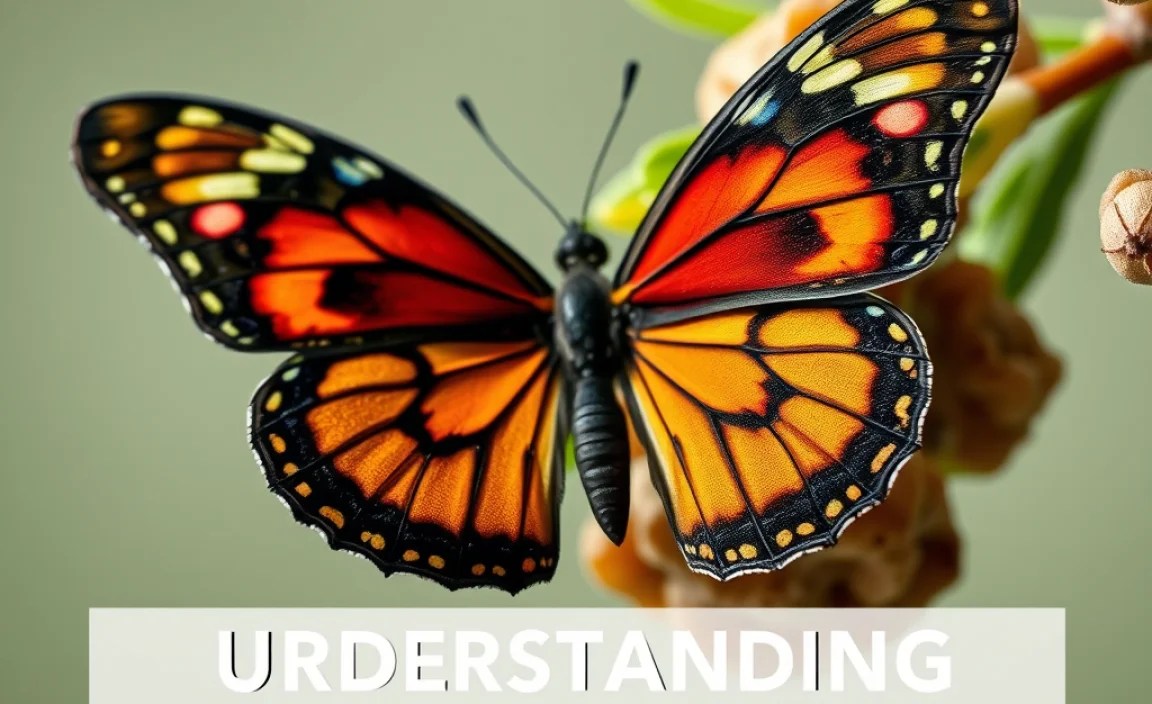
Before we dive into specific pupation times, let’s understand what pupation is and why it’s such a crucial stage in a butterfly’s life cycle.
What is Pupation?
Pupation is the transformative stage where a butterfly larva (caterpillar) turns into an adult butterfly. The caterpillar forms a protective shell around itself, called a pupa or chrysalis. Inside this shell, the caterpillar’s body undergoes a complete metamorphosis, reorganizing its tissues and cells to form the wings, legs, antennae, and other features of the adult butterfly. Think of it as nature’s ultimate makeover!
Factors Affecting Pupation Time
Several factors can influence how long a butterfly spends in its pupal stage:
- Species: Different butterfly species have genetically determined pupation times. Some species are simply faster developers than others.
- Temperature: Temperature is a major factor. Warmer temperatures generally speed up the pupation process, while colder temperatures slow it down.
- Humidity: Proper humidity levels are essential for the pupa to develop correctly. Too dry, and the pupa can desiccate; too humid, and it can become susceptible to fungal infections.
- Food Quality: The quality of food the caterpillar consumed before pupation can affect the pupation time and the overall health of the emerging butterfly.
- Photoperiod: The length of daylight hours can also play a role, especially for butterflies that pupate during different seasons.
Typical Pupation Times for Common European Butterflies

Let’s explore the pupation times for some of the butterflies you might encounter in Europe.
Small Tortoiseshell (Aglais urticae)
The Small Tortoiseshell is a familiar sight in gardens and meadows across Europe. Known for its vibrant orange, black, and blue markings, this butterfly has a relatively quick pupation period.
- Pupation Time: Approximately 10-14 days.
- Habitat: Gardens, meadows, and woodland edges.
- Host Plant: Nettle (Urtica dioica).
Peacock Butterfly (Aglais io)
The Peacock butterfly, with its distinctive eyespots on its wings, is another common and beautiful species. Its pupation time is similar to that of the Small Tortoiseshell.
- Pupation Time: Around 12-16 days.
- Habitat: Gardens, parks, and woodlands.
- Host Plant: Nettle (Urtica dioica).
Swallowtail (Papilio machaon)
The Swallowtail is one of Europe’s largest and most striking butterflies. Its pupation time can vary depending on the time of year.
- Pupation Time: 3-4 weeks in summer; can overwinter as a pupa (several months).
- Habitat: Open countryside, gardens, and coastal areas.
- Host Plants: Wild carrot, fennel, and other umbellifers.
Large White (Pieris brassicae)
The Large White, often seen in gardens and farmland, is known for its cabbage-eating caterpillars. Its pupation time is relatively short.
- Pupation Time: About 10-18 days.
- Habitat: Gardens, agricultural fields, and open areas.
- Host Plants: Cabbage, broccoli, and other brassicas.
Small Blue (Cupido minimus)
The Small Blue is one of the smallest butterflies in Europe. Its pupation time is slightly longer compared to some other species.
- Pupation Time: Approximately 3-4 weeks.
- Habitat: Grasslands and calcareous soils.
- Host Plant: Kidney Vetch (Anthyllis vulneraria).
Orange-tip (Anthocharis cardamines)
The Orange-tip butterfly, with its distinctive orange wingtips (in males), has a unique pupation strategy.
- Pupation Time: Overwinters as a pupa (several months).
- Habitat: Damp meadows, woodland rides, and gardens.
- Host Plants: Cuckooflower (Cardamine pratensis) and Garlic Mustard (Alliaria petiolata).
Brimstone (Gonepteryx rhamni)
The Brimstone is one of the longest-lived butterflies in Europe, often overwintering as an adult. Its pupation time is also adapted to this extended life cycle.
- Pupation Time: Overwinters as a pupa (several months).
- Habitat: Woodlands, hedgerows, and gardens.
- Host Plant: Buckthorn (Rhamnus cathartica) and Alder Buckthorn (Frangula alnus).
Table of European Butterfly Pupation Times

| Butterfly Species | Approximate Pupation Time | Notes |
|---|---|---|
| Small Tortoiseshell (Aglais urticae) | 10-14 days | Common garden butterfly |
| Peacock Butterfly (Aglais io) | 12-16 days | Distinctive eyespots on wings |
| Swallowtail (Papilio machaon) | 3-4 weeks (summer), Overwinters (several months) | Largest European butterfly |
| Large White (Pieris brassicae) | 10-18 days | Common in gardens and farmland |
| Small Blue (Cupido minimus) | 3-4 weeks | One of the smallest butterflies |
| Orange-tip (Anthocharis cardamines) | Overwinters (several months) | Orange wingtips (males) |
| Brimstone (Gonepteryx rhamni) | Overwinters (several months) | Longest-lived butterfly |
How to Observe Butterfly Pupation

Observing butterfly pupation can be an incredibly rewarding experience. Here are some tips to help you witness this amazing transformation:
1. Find Caterpillars
Start by looking for caterpillars on their host plants. Knowing the host plants for different butterfly species is key. For example, look for Small Tortoiseshell caterpillars on nettles or Swallowtail caterpillars on fennel.
2. Create a Suitable Habitat
If you want to observe the entire pupation process, you can bring caterpillars indoors and create a suitable habitat. A mesh cage or a clear plastic container with ventilation works well. Add fresh host plant leaves daily and keep the habitat clean.
3. Provide Pupation Sites
Caterpillars will often wander before pupating, looking for a suitable site. Provide twigs or a piece of netting for them to hang from. Some caterpillars may pupate on the side of the container.
4. Monitor Temperature and Humidity
Keep the temperature and humidity levels consistent. Avoid direct sunlight, which can overheat the pupa. A light misting of water can help maintain humidity.
5. Be Patient and Observe
Once the caterpillar pupates, be patient. Avoid disturbing the pupa. Observe it daily, noting any changes in color or appearance. The pupa may become transparent just before the butterfly emerges.
6. Prepare for Emergence
As the butterfly is about to emerge, make sure there is enough space for it to fully extend its wings. A vertical twig or netting will provide a surface for the butterfly to climb onto.
Overwintering Pupae
Some butterfly species, like the Swallowtail, Orange-tip, and Brimstone, overwinter as pupae. This means they spend the winter months in their pupal stage, waiting for warmer temperatures to trigger their emergence. Here’s what you need to know about overwintering pupae:
Protecting Overwintering Pupae
If you find overwintering pupae in your garden, it’s important to protect them from harsh weather conditions and predators. Here are some tips:
- Leave them undisturbed: Avoid moving or disturbing the pupae. They are best left in their natural environment.
- Provide shelter: If the pupae are exposed, you can provide some shelter by covering them with a layer of leaves or a small branch.
- Protect from predators: Keep an eye out for predators such as birds or rodents. You can use netting to protect the pupae if necessary.
Simulating Winter Conditions
If you’ve brought overwintering pupae indoors, you’ll need to simulate winter conditions to ensure they develop properly. Here’s how:
- Cold temperatures: Place the pupae in a cool, unheated room or garage where the temperature stays consistently cold but doesn’t drop below freezing.
- Maintain humidity: Keep the humidity levels consistent by misting the pupae occasionally.
- Provide darkness: Keep the pupae in a dark location or cover them with a cloth to simulate the reduced daylight hours of winter.
Common Problems During Pupation
Even under the best conditions, problems can sometimes arise during pupation. Here are some common issues and how to address them:
Desiccation
If the pupa becomes too dry, it can desiccate and fail to develop properly. To prevent desiccation, maintain adequate humidity levels by misting the pupa with water as needed.
Fungal Infections
High humidity can lead to fungal infections, which can also be fatal to the pupa. Ensure good ventilation and avoid over-misting. If you notice signs of fungal growth, gently remove the affected pupa to prevent the spread of infection.
Parasites
Parasitic wasps and flies can lay their eggs inside caterpillars, and the larvae of these parasites can kill the pupa. Inspect caterpillars regularly for signs of parasitism, such as small holes or unusual behavior.
Physical Damage
Physical damage to the pupa can also prevent it from developing properly. Handle pupae carefully and avoid dropping or bumping them.
Resources for Further Learning
To deepen your understanding of butterfly pupation and butterfly conservation, here are some valuable resources:
- The Xerces Society: https://xerces.org/ – A non-profit organization dedicated to protecting invertebrates and their habitats.
- Butterfly Conservation: https://butterfly-conservation.org/ – A UK-based organization focused on conserving butterflies and moths.
- Local Butterfly Groups: Search for local butterfly groups or nature organizations in your area. These groups often offer workshops, field trips, and other educational opportunities.
FAQ About European Butterfly Pupation
How long does it take for a butterfly to emerge from its chrysalis?
The pupation time varies by species, ranging from about 10 days to several months. Some butterflies overwinter as pupae, emerging in the spring.
What factors affect butterfly pupation time?
Temperature, humidity, species, food quality, and photoperiod all play a role in determining how long a butterfly spends in its pupal stage.
Can I move a butterfly pupa?
It’s best to avoid moving a pupa if possible. If you must move it, handle it very gently and place it in a similar environment to where you found it.
How can I tell if a butterfly pupa is healthy?
A healthy pupa should have a firm, consistent color. Signs of problems include discoloration, softness, or the presence of mold.
What should I do if I find a butterfly pupa in my garden?
Leave it undisturbed and protect it from predators and harsh weather. You can provide some shelter with a layer of leaves or netting if necessary.
Do all butterflies overwinter as pupae?
No, some butterflies overwinter as adults, caterpillars, or even eggs. The overwintering stage varies by species.
How can I help butterflies in my garden?
Plant host plants for caterpillars and nectar-rich flowers for adult butterflies. Avoid using pesticides and provide a water source for butterflies.
Conclusion
Understanding the pupation times of European butterflies is a rewarding journey into the intricate world of these beautiful creatures. From the speedy transformations of the Small Tortoiseshell to the patient overwintering of the Brimstone, each species has its own unique rhythm. By creating suitable habitats, observing carefully, and protecting pupae from harm, we can all play a part in supporting butterfly populations and enjoying the magic of metamorphosis. So, get out there, explore your gardens and meadows, and witness the wonder of butterfly pupation for yourself. You might just discover a new appreciation for the delicate balance of nature.


