
European Butterfly Photography Tips: Your Ultimate Guide

Photographing European butterflies can be easy with the right approach! Focus on understanding their behavior, using the best lighting, and choosing the right equipment. With patience and practice, you’ll capture stunning images of these beautiful creatures. This guide will show you how!
Have you ever tried to photograph a butterfly, only to end up with a blurry mess or an empty frame? It’s a common frustration! These delicate creatures are fast, and getting a good shot requires a little know-how. Don’t worry, it’s easier than you think. With a few simple tips and tricks, you can capture breathtaking photos of European butterflies. We’ll cover everything from the best camera settings to finding the perfect location. Get ready to transform your butterfly photos from frustrating to fantastic!
European Butterfly Photography Tips: A Beginner’s Guide

Understanding Butterfly Behavior
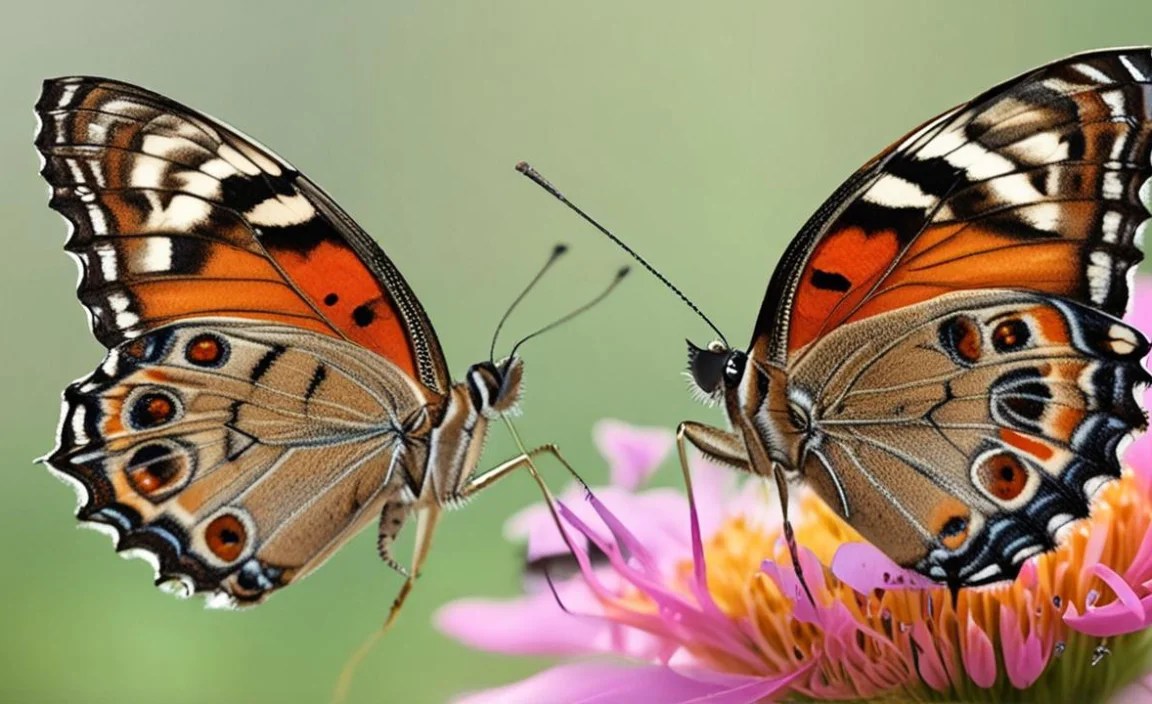
The first step to great butterfly photography is understanding their behavior. Knowing when and where to find them, and what they’re likely to be doing, will significantly improve your chances of getting a good shot. Butterflies are most active when the sun is shining, and the air is warm. Cool temperatures will make them less active.
- Best Time of Day: Early morning, when they’re warming up, or late afternoon, when they’re feeding.
- Habitat: Look for wildflowers, meadows, and woodland edges. These are prime butterfly habitats.
- Weather: Sunny, calm days are best. Butterflies avoid wind and rain.
Essential Equipment for Butterfly Photography

You don’t need the most expensive gear to take beautiful butterfly photos, but having the right equipment will definitely help. Here’s a breakdown of essential equipment:
- Camera: A DSLR or mirrorless camera gives you the most control over settings. However, even a smartphone can capture decent shots in good light.
- Lens: A macro lens is ideal for close-up shots. A telephoto lens can also work, allowing you to photograph butterflies from a distance without disturbing them. Lenses with image stabilization can also be helpful for getting sharp shots.
- Tripod: A tripod is useful for keeping your camera steady, especially when using a macro lens.
- Reflector: A small reflector can bounce sunlight onto your subject, filling in shadows and adding detail.
Camera Settings for Stunning Butterfly Photos

Mastering your camera settings is crucial for capturing sharp, well-exposed butterfly photos. Here are some key settings to focus on:
- Aperture: Use a wide aperture (e.g., f/2.8 to f/5.6) to create a shallow depth of field, which will blur the background and make the butterfly stand out.
- Shutter Speed: A fast shutter speed (e.g., 1/250th of a second or faster) is essential for freezing the butterfly’s movement.
- ISO: Keep the ISO as low as possible (e.g., 100 or 200) to minimize noise. Increase it only if necessary to maintain a fast shutter speed.
- Focus Mode: Use single-point autofocus to ensure the butterfly is sharp. Focus on the eyes for the most impact.
- Shooting Mode: Aperture Priority mode allows you to control the depth of field while the camera automatically adjusts the shutter speed.
Finding the Best Light for Butterfly Photography

Light is everything in photography, and butterfly photography is no exception. Soft, diffused light is ideal for bringing out the vibrant colors and intricate details of butterflies. Avoid harsh, direct sunlight, which can create strong shadows and wash out colors. Overcast days can also be great for photography, as they provide even, soft light.
- Golden Hour: The hour after sunrise and the hour before sunset offer warm, beautiful light.
- Cloudy Days: Overcast days provide soft, even light that’s perfect for capturing detail.
- Reflectors: Use a reflector to bounce light onto your subject and fill in shadows.
Composing Your Butterfly Photos
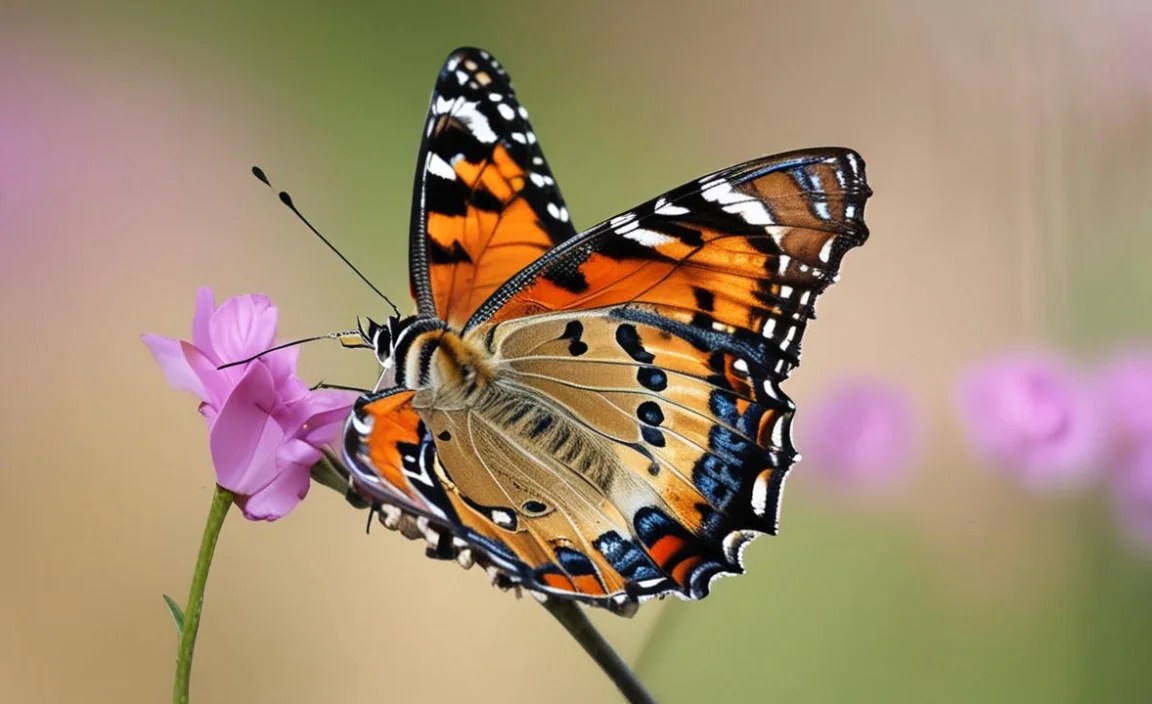
Composition is the art of arranging elements within your frame to create a visually appealing image. Here are some tips for composing beautiful butterfly photos:
- Rule of Thirds: Place the butterfly at one of the intersections of an imaginary grid dividing your frame into thirds.
- Leading Lines: Use lines in the environment, such as stems or leaves, to lead the viewer’s eye to the butterfly.
- Background: Choose a clean, uncluttered background to avoid distractions.
- Angle: Experiment with different angles. Shooting from a low angle can create a more dramatic perspective.
- Fill the Frame: Get close to the butterfly to capture its intricate details.
Approaching Butterflies Without Scaring Them
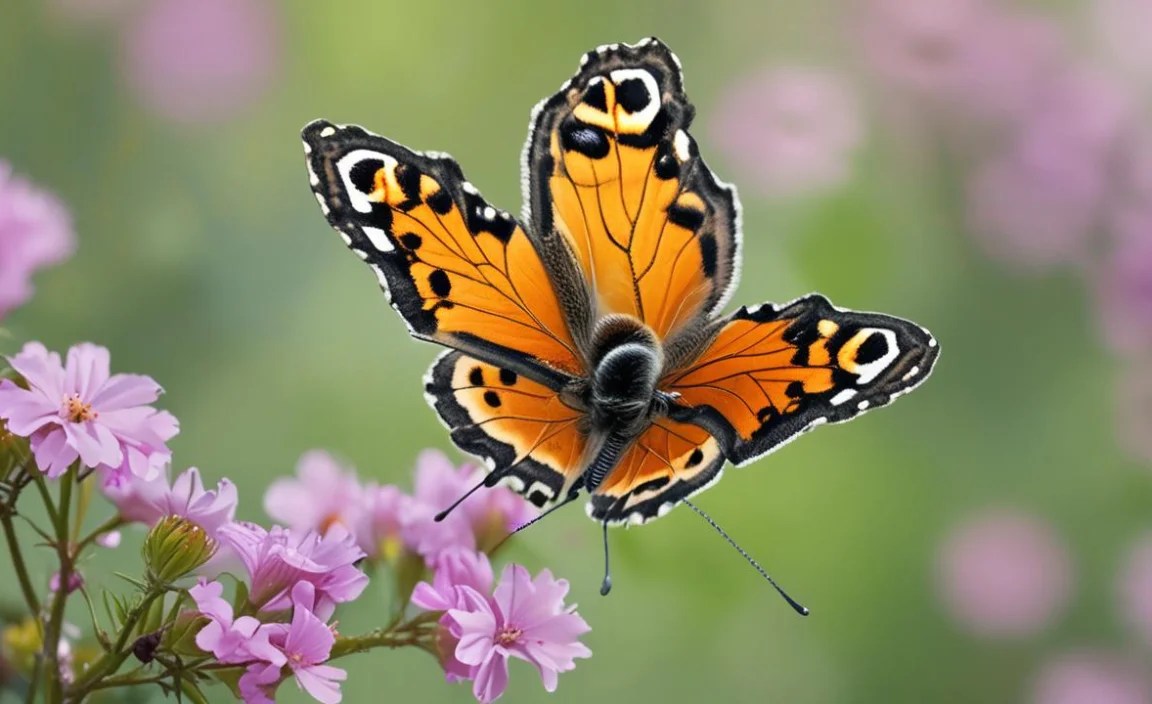
Butterflies are easily startled, so it’s important to approach them slowly and carefully. Avoid sudden movements or loud noises. Here are some tips for getting close without scaring them:
- Move Slowly: Approach the butterfly gradually, taking small steps.
- Be Patient: Wait for the butterfly to become comfortable with your presence.
- Use a Telephoto Lens: If you can’t get close, use a telephoto lens to photograph the butterfly from a distance.
- Approach from the Side: Butterflies are more likely to fly away if you approach them from directly in front.
Identifying European Butterflies
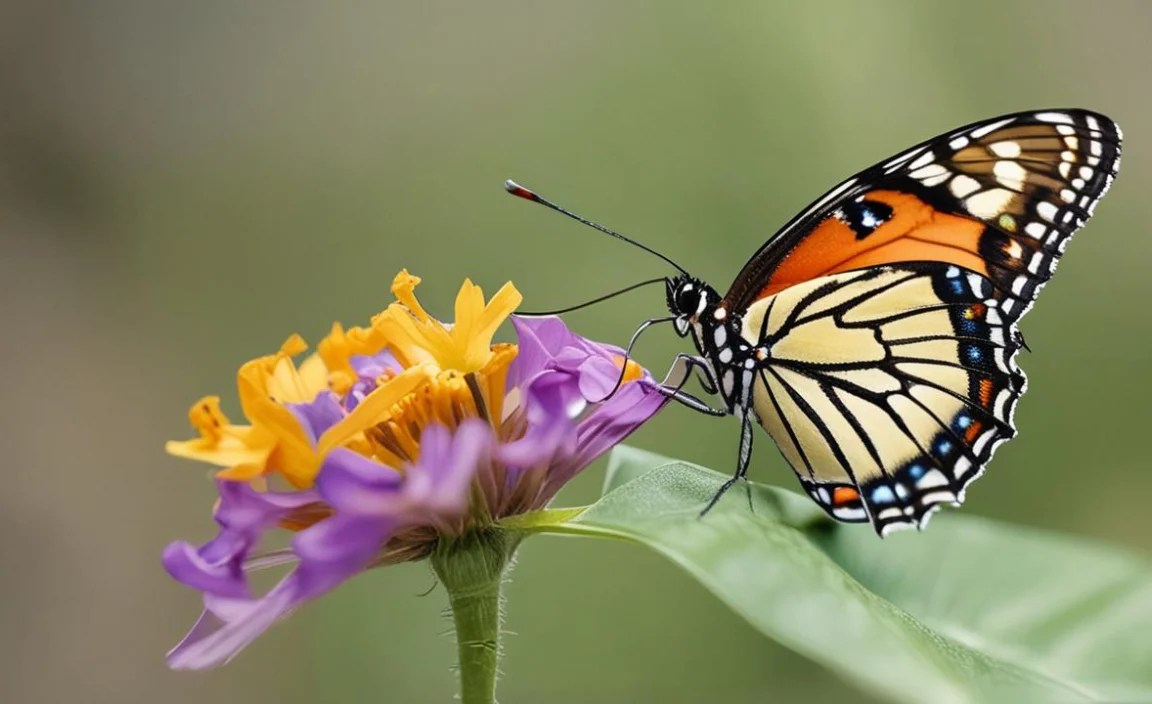
Part of the fun of butterfly photography is identifying the species you’ve photographed. There are many resources available to help you identify European butterflies, including field guides, websites, and apps. Here are some popular resources:
- Field Guides: “Butterflies of Britain and Europe” by Tom Tolman and Richard Lewington is a comprehensive guide.
- Websites: Butterfly Conservation (UK) and Euro Butterflies provide information and identification resources.
- Apps: Picture Insect uses AI to identify insects from photos.
Ethical Considerations in Butterfly Photography

It’s important to practice ethical photography and respect the butterflies and their environment. Never disturb or damage their habitat, and avoid handling butterflies unless absolutely necessary. Here are some guidelines for ethical butterfly photography:
- Don’t Disturb: Avoid disturbing butterflies or their habitat.
- No Handling: Do not handle butterflies unless it’s necessary for conservation purposes.
- Stay on Trails: Stay on marked trails to avoid trampling plants and disturbing wildlife.
- Leave No Trace: Pack out everything you pack in and leave the environment as you found it.
Post-Processing Tips for Butterfly Photos
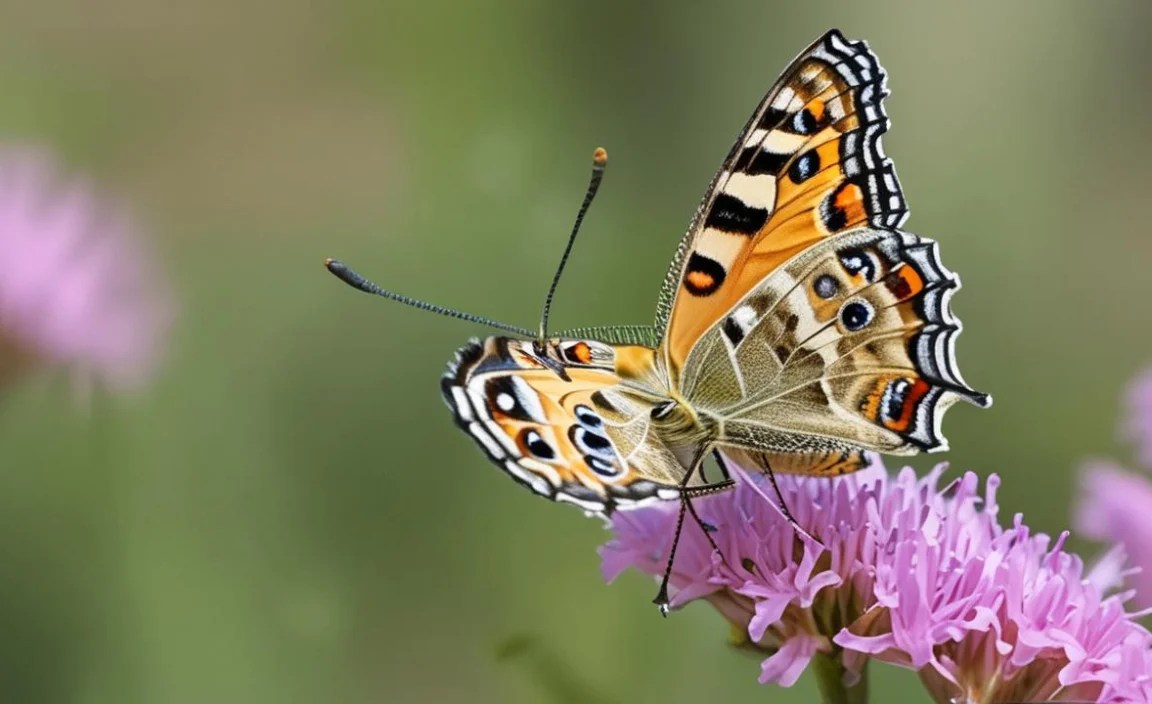
Post-processing can enhance your butterfly photos and bring out their full potential. Here are some basic editing techniques you can use:
- Adjust Exposure: Correct the brightness of your image.
- Adjust Contrast: Enhance the contrast to make the colors pop.
- Sharpen: Sharpen the image to bring out details.
- Remove Noise: Reduce noise, especially if you shot at a high ISO.
- Crop: Crop the image to improve the composition.
Attracting Butterflies to Your Garden

One of the best ways to improve your butterfly photography is to attract them to your garden. By planting butterfly-friendly plants, you can create a haven for these beautiful creatures and have them readily available for photos. Here are some tips for creating a butterfly garden:
- Plant Nectar-Rich Flowers: Choose flowers that provide nectar, such as buddleja, lavender, and echinacea.
- Provide Host Plants: Plant host plants for caterpillars, such as milkweed for monarch butterflies and nettles for red admirals.
- Provide Water: Offer a shallow dish of water with pebbles for butterflies to drink from.
- Avoid Pesticides: Avoid using pesticides, which can harm butterflies and other beneficial insects.
- Provide Shelter: Plant shrubs and trees to provide shelter from wind and rain.
Table: Butterfly Photography Gear Essentials
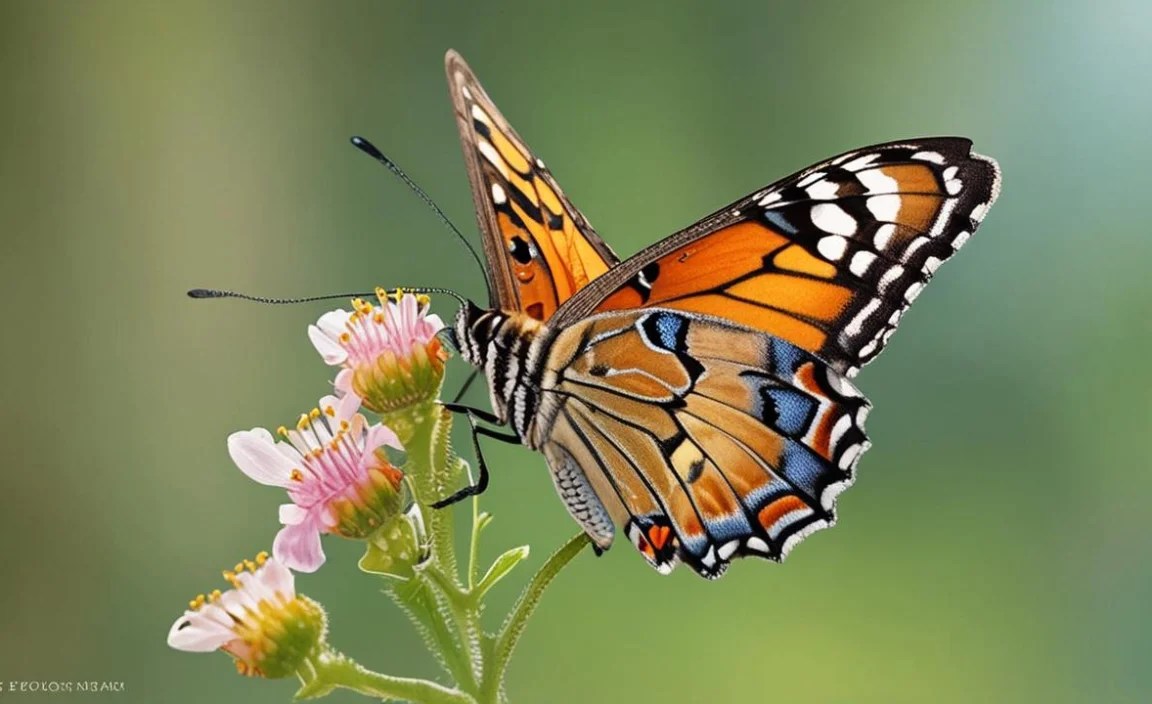
| Gear | Description | Purpose |
|---|---|---|
| Camera | DSLR or Mirrorless | Capturing high-quality images |
| Macro Lens | Lens for close-up shots | Capturing detailed images of butterflies |
| Telephoto Lens | Lens for shooting from a distance | Photographing butterflies without disturbing them |
| Tripod | Stabilizes the camera | Ensuring sharp images, especially in low light |
| Reflector | Bounces light onto the subject | Filling in shadows and enhancing detail |
Table: Common European Butterflies and Their Habitats

| Butterfly Species | Habitat | Key Identification Features |
|---|---|---|
| Peacock Butterfly (Aglais io) | Gardens, meadows, woodland edges | Distinctive eyespots on wings |
| Small Tortoiseshell (Aglais urticae) | Gardens, parks, hedgerows | Orange and black wings with blue spots |
| Red Admiral (Vanessa atalanta) | Gardens, woodlands, coastal areas | Black wings with red bands and white spots |
| Common Blue (Polyommatus icarus) | Grasslands, meadows, dunes | Bright blue wings (male), brown with orange spots (female) |
| Brimstone (Gonepteryx rhamni) | Woodlands, hedgerows, gardens | Pale yellow wings with pointed shape |
FAQ: European Butterfly Photography
What is the best time of day to photograph butterflies?

The best time is early morning or late afternoon when the light is soft, and butterflies are less active, making them easier to approach.
What camera settings should I use for butterfly photography?

Use a wide aperture (f/2.8-f/5.6), fast shutter speed (1/250s or faster), and low ISO (100-400) to capture sharp, detailed images.
How can I get close to butterflies without scaring them?
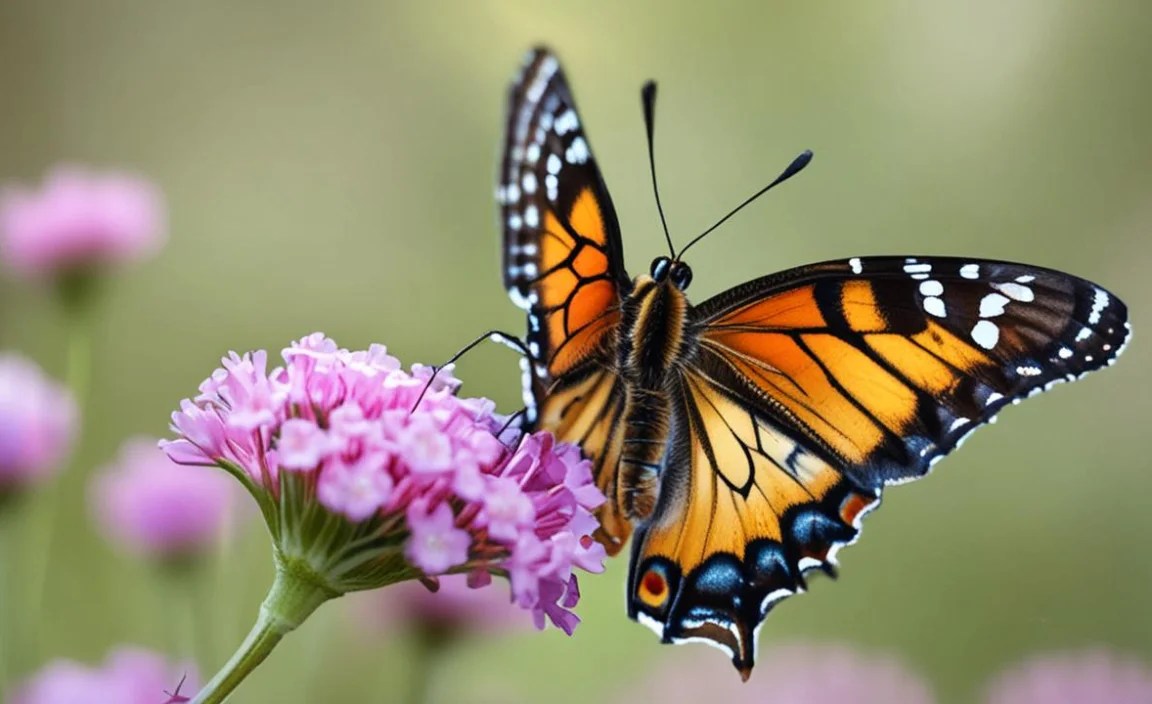
Move slowly, avoid sudden movements, and approach from the side. Patience is key!
What equipment do I need for butterfly photography?

A DSLR or mirrorless camera with a macro lens is ideal. A tripod and reflector can also be helpful.
What are some common European butterflies to look for?

Look for Peacock, Small Tortoiseshell, Red Admiral, Common Blue, and Brimstone butterflies in gardens, meadows, and woodlands.
How can I attract butterflies to my garden?

Plant nectar-rich flowers, provide host plants for caterpillars, and avoid using pesticides.
Is it ethical to handle butterflies for photography?

It’s best to avoid handling butterflies unless necessary for conservation. Always prioritize their well-being and habitat.
Conclusion
Photographing European butterflies is a rewarding and enjoyable pursuit. By understanding their behavior, using the right equipment, and practicing ethical photography, you can capture stunning images of these beautiful creatures. Remember to be patient, observant, and respectful of their environment. As you hone your skills, you’ll not only create beautiful photos but also develop a deeper appreciation for the natural world. So grab your camera, head out to your nearest garden or meadow, and start capturing the magic of European butterflies!


