
European Grassland Butterflies: Your Easy ID Guide

European grassland butterflies are a diverse and beautiful group, vital for healthy ecosystems. This guide will help you identify common species, understand their habitats, and learn how you can contribute to their conservation. Discover the joy of butterfly watching and the importance of protecting these delicate creatures!
Have you ever strolled through a sun-drenched meadow in Europe and been captivated by the sight of butterflies flitting among the wildflowers? It’s a magical experience! But identifying these fluttering beauties can be tricky. And with habitat loss and climate change threatening their populations, understanding and protecting these butterflies is more important than ever. Don’t worry; you’re not alone! This guide will walk you through the fascinating world of European grassland butterflies, teaching you how to identify them and what you can do to help them thrive. Get ready to discover the secrets of these amazing insects and become a butterfly champion!
Frequently Asked Questions About European Grassland Butterflies
- What is a grassland butterfly?
- A grassland butterfly is a butterfly species that primarily lives and breeds in grassland habitats, such as meadows, pastures, and open fields.
- Why are grassland butterflies important?
- They are important pollinators, contributing to the health of plant communities. They also serve as food for birds and other animals, playing a vital role in the food chain.
- What are some common threats to grassland butterflies?
- Habitat loss due to agricultural intensification, urbanization, and afforestation, as well as climate change, pesticide use, and overgrazing, are major threats.
- How can I identify a grassland butterfly?
- Observe the butterfly’s size, wing color and patterns, and behavior. Use field guides and online resources for comparison.
- What can I do to help grassland butterflies?
- Plant native wildflowers in your garden, avoid using pesticides, support conservation organizations, and advocate for butterfly-friendly policies.
- When is the best time to see grassland butterflies?
- The peak season for most grassland butterflies is during the spring and summer months, from May to September.
- Are European grassland butterflies endangered?
- Many species are facing population declines, and some are classified as threatened or endangered. Conservation efforts are crucial to protect these vulnerable butterflies.
Identifying European Grassland Butterflies

Identifying butterflies can seem daunting at first, but with a little practice, you’ll be able to distinguish different species. Here’s a step-by-step guide to help you get started:
Step 1: Observe the Butterfly’s Size and Shape
Start by noting the overall size of the butterfly. Is it small, medium, or large? Also, pay attention to the shape of its wings. Are they rounded, pointed, or elongated?
Step 2: Examine the Wing Color and Patterns
The color and patterns on a butterfly’s wings are key to identification. Note the dominant colors (e.g., orange, brown, blue, white) and any distinctive markings, such as spots, stripes, or borders. Look closely at both the upper and lower sides of the wings, as they may have different patterns.
Step 3: Consider the Habitat and Location
Where did you see the butterfly? Different species prefer different habitats, such as meadows, woodland edges, or heathlands. Knowing the location can help narrow down the possibilities. Also, consider the region of Europe you’re in, as some species are more common in certain areas.
Step 4: Use a Field Guide or Online Resource
A good field guide or online resource is essential for butterfly identification. Look for guides that include detailed descriptions, photographs, and range maps. Some popular resources include:
- Field Guide to Butterflies of Britain and Europe by Tristan Lafranchis
- Butterflies of Europe by Tom Tolman and Richard Lewington
- UK Butterflies (website: www.ukbutterflies.co.uk)
- Butterfly Conservation (website: butterfly-conservation.org)
Step 5: Observe the Butterfly’s Behavior
How is the butterfly behaving? Is it actively flying, basking in the sun, or feeding on flowers? Some species have distinctive behaviors that can aid in identification. For example, some butterflies have a characteristic flight pattern, while others prefer certain types of flowers.
Common European Grassland Butterflies

Here are some of the most common and easily recognizable grassland butterflies in Europe:
The Meadow Brown (Maniola jurtina)
The Meadow Brown is one of the most widespread grassland butterflies in Europe. It’s a medium-sized butterfly with brown wings and a distinctive black spot with a white center on the forewing. Males are generally darker than females. You’ll often see them flitting through meadows and pastures.
The Small Heath (Coenonympha pamphilus)
The Small Heath is a small, delicate butterfly with orange-brown wings and a single black spot on the forewing. It’s found in a variety of grassland habitats, including dry meadows, heaths, and dunes. They have a weak, fluttering flight and often perch on grasses.
The Common Blue (Polyommatus icarus)
The Common Blue is a vibrant butterfly, with males having bright blue wings and females having brown wings with varying amounts of blue. Both sexes have a row of orange spots along the edge of the hindwing. It’s a widespread species found in grasslands, meadows, and gardens.
The Small Copper (Lycaena phlaeas)
The Small Copper is a small, fiery butterfly with bright orange wings and black spots. It’s often seen basking in sunny spots on grasslands, heaths, and roadside verges. It’s a fast-flying butterfly and can be quite territorial.
The Gatekeeper (Pyronia tithonus)
The Gatekeeper, also known as the Hedge Brown, is a medium-sized butterfly with orange-brown wings and two black spots on the forewing. It’s commonly found along hedgerows, woodland edges, and grassy lanes. They are often seen feeding on bramble flowers.
The Marbled White (Melanargia galathea)
The Marbled White is a striking butterfly with black and white checkered wings. It’s found in grasslands and meadows, particularly those with calcareous soils. Its distinctive pattern makes it easy to identify.
The Ringlet (Aphantopus hyperantus)
The Ringlet is a medium-sized butterfly with dark brown wings and a series of small black spots with pale rings around them. It prefers damp, shady grasslands and woodland edges. It’s often seen flying in overcast conditions.
Creating a Butterfly-Friendly Habitat
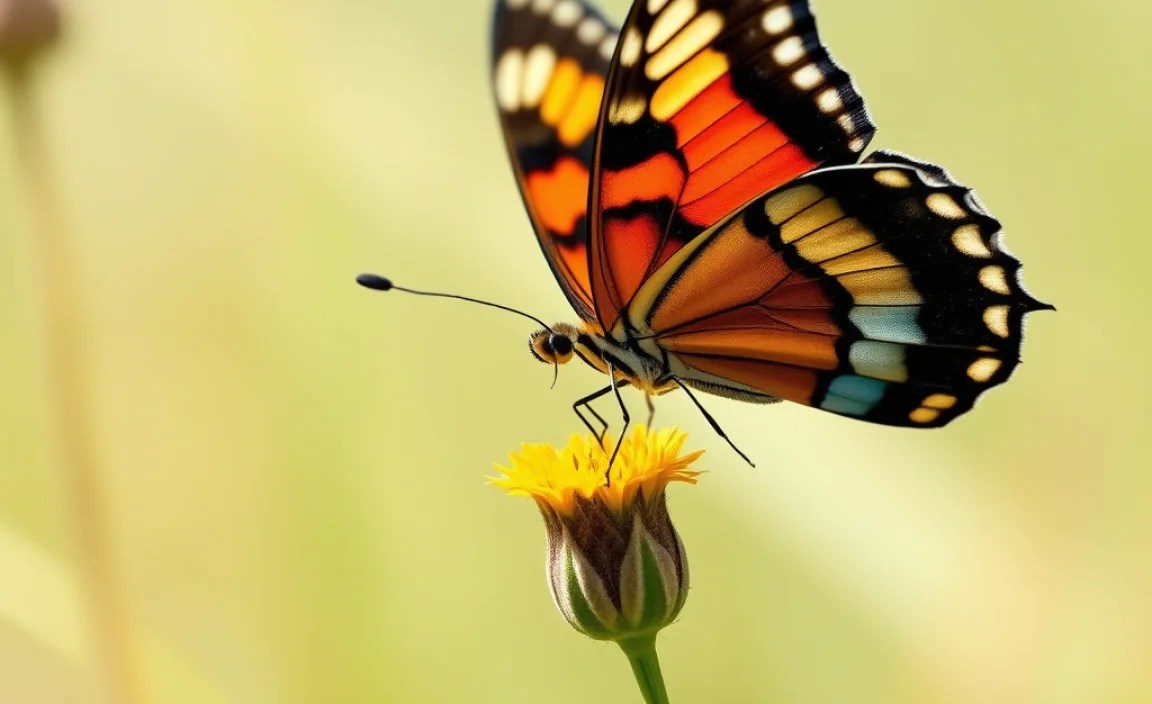
One of the best ways to help European grassland butterflies is to create a butterfly-friendly habitat in your garden or local area. Here’s how:
Plant Native Wildflowers
Butterflies need nectar-rich flowers for food. Choose native wildflowers that are adapted to your local climate and soil conditions. Some good choices include:
- Knapweed (Centaurea nigra)
- Scabious (Scabiosa columbaria)
- Thistles (Cirsium and Carduus species)
- Wild Marjoram (Origanum vulgare)
- Bugle (Ajuga reptans)
- Bird’s-foot Trefoil (Lotus corniculatus)
Provide Host Plants for Caterpillars
Butterflies lay their eggs on specific host plants that their caterpillars can feed on. Research which host plants are preferred by the butterflies in your area and include them in your garden. Some examples include:
- Grasses for Meadow Browns, Skippers, and Ringlets
- Bird’s-foot Trefoil for Common Blues
- Sorrel (Rumex species) for Small Coppers
- Thistles for Painted Ladies
Avoid Using Pesticides
Pesticides can harm or kill butterflies and other beneficial insects. Avoid using pesticides in your garden and encourage others to do the same. Opt for natural pest control methods instead.
Provide a Water Source
Butterflies need water to drink. Create a shallow puddle or place a dish of water with pebbles in your garden. The pebbles will provide a safe place for butterflies to land and drink.
Create a Sunny Basking Spot
Butterflies need to bask in the sun to warm up their bodies. Provide a sunny spot in your garden where they can rest and warm up. A flat rock or a patch of bare earth will do the trick.
Leave Some Areas Unmown
Leaving some areas of your garden unmown will provide shelter and food for butterflies and their caterpillars. Long grass and wildflowers can create a valuable habitat for these insects.
Threats to European Grassland Butterflies

European grassland butterflies face numerous threats, including:
- Habitat Loss: The conversion of grasslands to agricultural land, urban areas, and forests is a major threat.
- Agricultural Intensification: The use of pesticides, fertilizers, and intensive grazing practices can harm butterflies and their habitats.
- Climate Change: Changes in temperature and rainfall patterns can disrupt butterfly life cycles and alter their distribution.
- Overgrazing: Excessive grazing can damage grassland habitats and reduce the availability of food plants for butterflies.
- Afforestation: Planting trees on grasslands can reduce the amount of open habitat available for butterflies.
The impacts of these threats are significant. Many butterfly populations are declining, and some species are at risk of extinction. According to a report by Butterfly Conservation Europe, almost one-third of European butterfly species are declining. Protecting these butterflies requires a concerted effort to address these threats.
Conservation Efforts and How You Can Help
Many organizations are working to protect European grassland butterflies. Here are some ways you can get involved:
- Support Conservation Organizations: Donate to or volunteer with organizations like Butterfly Conservation Europe, which are working to protect butterflies and their habitats.
- Participate in Butterfly Monitoring Programs: Help scientists track butterfly populations by participating in monitoring programs. This involves counting butterflies in designated areas and submitting your data.
- Advocate for Butterfly-Friendly Policies: Contact your elected officials and urge them to support policies that protect grasslands and promote sustainable agriculture.
- Educate Others: Share your knowledge about butterflies with friends, family, and community members. Raise awareness about the importance of butterfly conservation.
- Create Butterfly-Friendly Gardens: As mentioned earlier, creating a butterfly-friendly garden is a great way to help butterflies.
Here’s a table summarizing actions you can take and their impact:
| Action | Impact |
|---|---|
| Plant native wildflowers | Provides nectar for adult butterflies and food for caterpillars. |
| Avoid using pesticides | Protects butterflies and other beneficial insects from harmful chemicals. |
| Support conservation organizations | Funds research, habitat restoration, and advocacy efforts. |
| Participate in butterfly monitoring | Provides valuable data on butterfly populations and trends. |
| Advocate for butterfly-friendly policies | Influences government decisions to protect butterflies and their habitats. |
The Ecological Importance of Grassland Butterflies
Grassland butterflies play a crucial role in the ecosystem. They are important pollinators, transferring pollen from one flower to another as they feed on nectar. This pollination is essential for the reproduction of many plant species, including wildflowers and crops. Butterflies also serve as a food source for birds, bats, and other animals. Their caterpillars are an important part of the food chain, providing nourishment for many insectivorous species.
Beyond their ecological role, butterflies have cultural and aesthetic value. They are symbols of beauty, transformation, and freedom. They inspire artists, writers, and nature lovers around the world. Protecting grassland butterflies is not only important for the environment but also for our cultural heritage.
A healthy grassland ecosystem supports a diverse range of other species, including birds, mammals, and insects. By protecting grassland butterflies, we are also protecting the entire ecosystem.
Butterfly Symbolism and Cultural Significance
Butterflies have captivated human imagination for centuries, embodying deep symbolism across cultures. They often represent transformation, rebirth, and the ephemeral nature of life. In many traditions, the butterfly symbolizes the soul or spirit, undergoing a metamorphosis from its earthly form to a higher state of being.
In ancient Greece, the word for butterfly, “psyche,” also meant soul. The butterfly was seen as a symbol of immortality and the human soul’s journey after death. Similarly, in some Native American cultures, butterflies are believed to carry prayers to the Great Spirit.
In Chinese culture, butterflies are associated with love, joy, and marital bliss. They are often depicted in art and literature as symbols of happy relationships and long life. In Japan, butterflies are also associated with marital happiness and are often released at weddings.
The butterfly’s transformation from a crawling caterpillar to a beautiful flying insect has made it a universal symbol of hope and renewal. It reminds us that even in the darkest of times, change is possible, and we can emerge stronger and more beautiful than before.
Further Exploration
Want to learn more about European grassland butterflies? Here are some additional resources:
- Books:
- Collins Butterfly Guide by Tom Tolman
- Butterflies of Britain & Europe: A Photographic Guide by David Newland, Robert Still
- Websites:
- Butterfly Conservation Europe: butterfly-conservation-europe.org
- European Butterflies: www.europeanbutterflies.com
- iNaturalist: www.inaturalist.org (a great resource for identifying butterflies based on photos)
- Apps:
- Picture Insect: (Butterfly identification app)
Conclusion
Exploring the world of European grassland butterflies is a rewarding experience that connects us to the beauty and fragility of nature. By learning to identify these fascinating creatures, understanding their habitats, and taking action to protect them, we can all play a role in ensuring their survival. From planting native wildflowers in our gardens to supporting conservation organizations, every effort counts. As we watch these delicate butterflies flit through the meadows, let us remember the importance of preserving their habitats and protecting their future. Let’s work together to create a world where butterflies thrive and continue to inspire us with their beauty and grace. Happy butterfly watching!


