
European Butterflies in Mediterranean Islands: A Secret?

Discover the diverse world of European butterflies in the Mediterranean islands! This guide will help you identify common species like the Swallowtail and Painted Lady, understand their unique island adaptations, and learn how to support these beautiful creatures through butterfly-friendly gardening. Explore the enchanting world of Mediterranean butterflies and contribute to their conservation.
Ever dreamed of strolling through sun-drenched Mediterranean landscapes, surrounded by the flutter of vibrant butterflies? The islands of the Mediterranean are biodiversity hotspots, offering a unique haven for many European butterfly species. Identifying them and understanding their specific needs can be a challenge. But don’t worry, this guide will take you step-by-step through the fascinating world of Mediterranean butterflies, showing you how to recognize them, why they thrive in these island ecosystems, and how you can help protect them.
Ready to embark on a butterfly adventure? We’ll explore common species, their adaptations, and how to create a butterfly-friendly garden. Let’s dive in!
Exploring the Butterfly Paradise of Mediterranean Islands

The Mediterranean islands are biodiversity hotspots, offering unique habitats for a variety of European butterfly species. These islands, with their diverse landscapes ranging from coastal scrub to mountainous terrain, provide a haven for butterflies adapted to warm, dry climates. Let’s explore why these islands are so important for butterfly conservation and what makes them so special.
Why Mediterranean Islands?
Mediterranean islands serve as crucial stepping stones for butterfly migration and offer isolated environments where unique subspecies can evolve. The mild winters and hot, dry summers create specific ecological niches that certain butterfly species have adapted to fill. Factors contributing to the rich butterfly diversity on these islands include:
- Geographic Isolation: Islands provide natural barriers, leading to the evolution of distinct subspecies.
- Diverse Habitats: From coastal dunes to mountain peaks, a wide range of habitats supports various butterfly species.
- Climate: The Mediterranean climate offers a favorable environment for butterflies, with long, warm summers and mild winters.
- Abundant Flora: A rich variety of flowering plants provides nectar sources for adult butterflies and food for caterpillars.
Common European Butterflies Found in Mediterranean Islands

Many European butterfly species can be found on Mediterranean islands. Here are some of the most common and easily recognizable ones:
1. Swallowtail (Papilio machaon)
The Swallowtail is one of the largest and most striking butterflies in Europe. With its bright yellow wings adorned with black veins and a distinctive “tail” on each hindwing, it’s a sight to behold.
- Identification: Yellow wings with black veins and a tail-like extension on each hindwing.
- Habitat: Open grasslands, gardens, and meadows.
- Host Plants: Fennel, rue, and other members of the parsley family (Apiaceae).
2. Painted Lady (Vanessa cardui)
The Painted Lady is a migratory butterfly found worldwide. Its orange and brown wings with black and white markings make it easily identifiable.
- Identification: Orange and brown wings with black spots and white markings.
- Habitat: A wide range of habitats, including gardens, fields, and open areas.
- Host Plants: Thistles, nettles, and various other herbaceous plants.
3. Cleopatra (Gonepteryx cleopatra)
The Cleopatra is a vibrant butterfly, particularly the male, which has bright orange patches on its wings. Females are paler, with a greenish-white hue.
- Identification: Males have orange patches on their wings, while females are greenish-white.
- Habitat: Woodlands, scrubland, and gardens.
- Host Plants: Buckthorn (Rhamnus species).
4. Two-Tailed Pasha (Charaxes jasius)
A large and impressive butterfly, the Two-Tailed Pasha is known for its striking patterns and the two “tails” on its hindwings.
- Identification: Brown wings with intricate patterns and two distinct “tails” on each hindwing.
- Habitat: Warm woodlands and scrubland.
- Host Plants: Strawberry tree (Arbutus unedo).
5. Southern White Admiral (Limenitis reducta)
The Southern White Admiral is a beautiful butterfly with dark wings adorned with white bands. It is often found near woodlands and streams.
- Identification: Dark wings with prominent white bands.
- Habitat: Woodlands, especially near streams.
- Host Plants: Honeysuckle (Lonicera species).
6. Meadow Brown (Maniola jurtina)
A very common butterfly, the Meadow Brown is often seen fluttering in grasslands and meadows. It’s a relatively small butterfly with brown wings and a distinctive eyespot on the forewing.
- Identification: Brown wings with a prominent eyespot on the forewing.
- Habitat: Grasslands, meadows, and open fields.
- Host Plants: Various grasses.
Identifying Butterflies: A Step-by-Step Guide
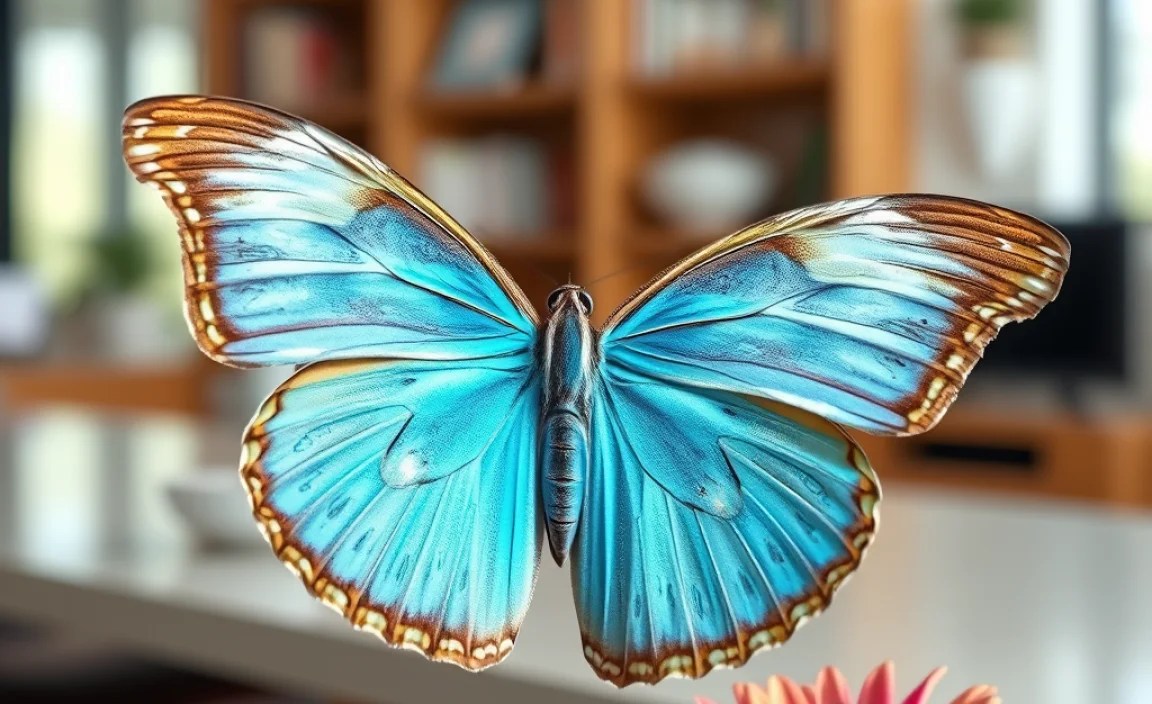
Identifying butterflies can be a rewarding experience. Here’s a simple guide to help you get started:
- Observe the Butterfly: Note its size, color, and wing patterns.
- Identify the Habitat: Where did you find the butterfly? Different species prefer different habitats.
- Check the Flight Pattern: Some butterflies have a distinctive flight pattern. For example, Swallowtails have a strong, gliding flight.
- Look at the Underside of the Wings: The underside often has different patterns than the upper side, which can aid in identification.
- Use a Field Guide: A good field guide with pictures and descriptions is invaluable.
- Use a Butterfly Identification App: Several apps can help identify butterflies based on photos.
Butterfly Identification Table
| Butterfly Species | Wing Color | Distinctive Features | Habitat | Host Plants |
|---|---|---|---|---|
| Swallowtail (Papilio machaon) | Yellow with black veins | Tails on hindwings | Open grasslands, gardens | Fennel, rue |
| Painted Lady (Vanessa cardui) | Orange and brown | Black spots, white markings | Gardens, fields | Thistles, nettles |
| Cleopatra (Gonepteryx cleopatra) | Male: Orange, Female: Greenish-white | Bright orange patches (male) | Woodlands, scrubland | Buckthorn |
| Two-Tailed Pasha (Charaxes jasius) | Brown | Two tails on hindwings | Warm woodlands | Strawberry tree |
| Southern White Admiral (Limenitis reducta) | Dark with white bands | Prominent white bands | Woodlands near streams | Honeysuckle |
| Meadow Brown (Maniola jurtina) | Brown | Eyespot on forewing | Grasslands, meadows | Grasses |
Butterfly Habitats in Mediterranean Islands

Understanding the habitats where butterflies thrive is key to finding and identifying them. Here’s a look at some common habitats in the Mediterranean islands:
- Coastal Areas: Sandy dunes and coastal scrub provide habitats for species adapted to salty conditions and strong winds.
- Grasslands and Meadows: Open grasslands are home to many butterfly species, especially those that feed on grasses and herbaceous plants.
- Woodlands: Forests and woodlands offer shelter and food sources for various butterfly species.
- Gardens and Parks: Cultivated areas can provide nectar sources and host plants for butterflies, making them important habitats in urban and rural settings.
- Mountainous Regions: Higher altitudes offer unique microclimates and habitats for specialized butterfly species.
Creating a Butterfly-Friendly Garden
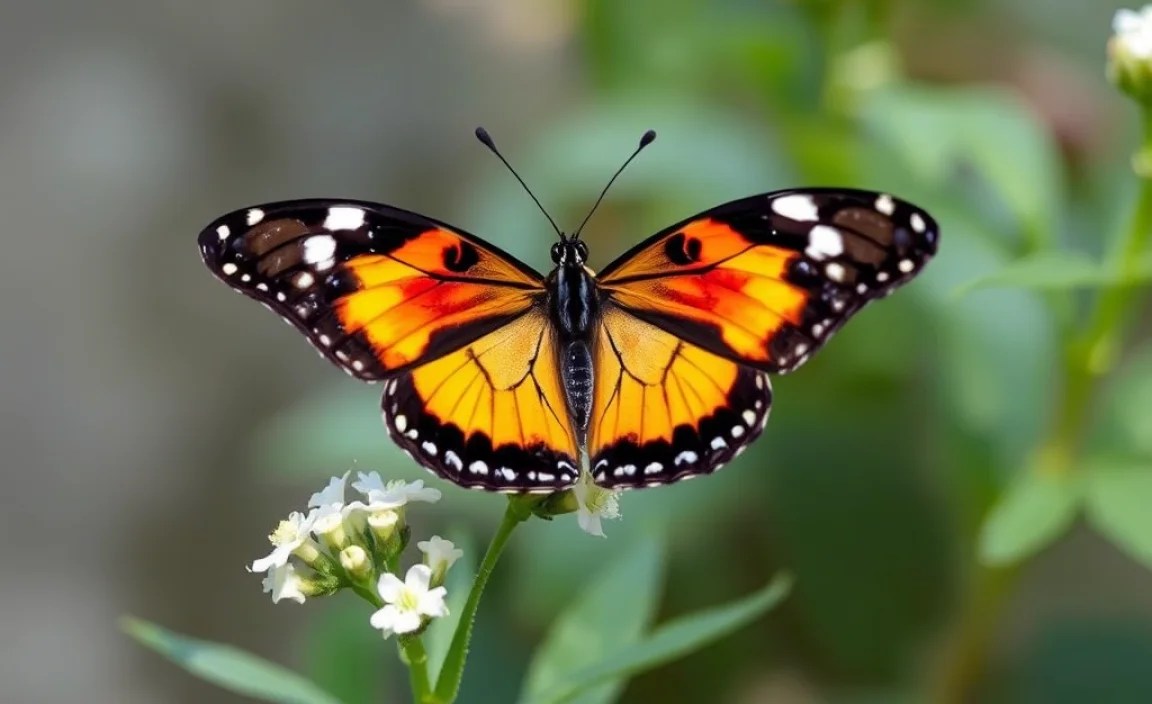
You can play a vital role in supporting butterfly populations by creating a butterfly-friendly garden. Here’s how:
1. Plant Nectar-Rich Flowers
Butterflies need nectar for energy. Choose a variety of flowering plants that bloom at different times of the year to provide a continuous food source. Good choices include:
- Lavender
- Buddleja (Butterfly Bush)
- Sedum
- Verbena
- Echinacea
2. Provide Host Plants
Caterpillars need specific plants to feed on. Research which butterflies are common in your area and plant their host plants. Some popular options include:
- Fennel and Rue for Swallowtails
- Thistles and Nettles for Painted Ladies
- Buckthorn for Cleopatras
3. Offer a Water Source
Butterflies need water, but they can’t drink from deep puddles. Provide a shallow dish of water with pebbles or sand for them to land on.
4. Avoid Pesticides
Pesticides can harm or kill butterflies and other beneficial insects. Use organic gardening methods and avoid spraying insecticides.
5. Provide Shelter
Butterflies need shelter from wind and predators. Plant shrubs and trees to create protected areas in your garden.
Butterfly-Friendly Plants Table
| Plant Name | Type | Attracts | Bloom Time |
|---|---|---|---|
| Lavender (Lavandula) | Nectar plant | Various butterflies | Summer |
| Butterfly Bush (Buddleja davidii) | Nectar plant | Various butterflies | Summer-Autumn |
| Sedum (Hylotelephium) | Nectar plant | Various butterflies | Autumn |
| Fennel (Foeniculum vulgare) | Host plant (Swallowtail) | Swallowtail caterpillars | Summer |
| Nettles (Urtica dioica) | Host plant (Painted Lady) | Painted Lady caterpillars | Summer |
| Buckthorn (Rhamnus) | Host plant (Cleopatra) | Cleopatra caterpillars | Spring |
Conservation Efforts and Protecting Butterflies
Butterfly populations are declining worldwide due to habitat loss, climate change, and pesticide use. Several organizations are working to protect butterflies and their habitats. Here are some ways you can get involved:
- Support Conservation Organizations: Donate to organizations that work to protect butterfly habitats and promote sustainable land management practices.
- Participate in Citizen Science Projects: Help monitor butterfly populations by participating in citizen science projects. This data is valuable for tracking trends and identifying areas where conservation efforts are needed. The Xerces Society is a great place to find such opportunities.
- Advocate for Butterfly-Friendly Policies: Support policies that protect butterfly habitats and reduce pesticide use.
- Educate Others: Share your knowledge about butterflies with friends, family, and community members. The more people who care about butterflies, the better their chances of survival.
The Role of Butterflies in the Ecosystem
Butterflies play a crucial role in the ecosystem. They are important pollinators, transferring pollen from one flower to another as they feed on nectar. This pollination is essential for the reproduction of many plants, including crops that we rely on for food. Butterflies also serve as a food source for birds, bats, and other animals.
Additionally, butterflies are indicators of environmental health. Their presence or absence can reflect the quality of the habitat and the overall health of the ecosystem. A decline in butterfly populations can be a warning sign of environmental problems.
Butterfly Migration in the Mediterranean
Some butterfly species, like the Painted Lady, are migratory and travel long distances across continents. The Mediterranean islands can serve as important stopover points for these migrating butterflies. Understanding butterfly migration patterns is crucial for conservation efforts.
Scientists use various methods to study butterfly migration, including:
- Tagging: Attaching small tags to butterflies to track their movements.
- Radar: Using radar to detect and track large groups of migrating butterflies.
- Citizen Science: Engaging volunteers to report sightings of migrating butterflies.
Fun Facts About European Butterflies
Here are some fascinating facts about European butterflies:
- The wings of a butterfly are covered in thousands of tiny scales, which give them their color and pattern.
- Butterflies taste with their feet. They have taste receptors on their feet that allow them to determine if a plant is suitable for laying eggs.
- Some butterflies hibernate during the winter. They find a sheltered spot and enter a state of dormancy until the weather warms up.
- The lifespan of a butterfly varies depending on the species. Some butterflies live only a few weeks, while others can live for several months.
- Butterflies are cold-blooded and rely on the sun to warm their bodies.
Resources for Butterfly Identification and Information
Here are some helpful resources for learning more about butterflies:
- Field Guides: Purchase a field guide to European butterflies. These guides typically include pictures, descriptions, and range maps.
- Websites: Visit websites like the Butterfly Conservation for information on butterfly identification, conservation, and gardening.
- Apps: Download a butterfly identification app to help you identify butterflies in the field.
- Local Butterfly Groups: Join a local butterfly group or nature club to learn from experienced butterfly enthusiasts.
FAQ About European Butterflies in Mediterranean Islands
1. What is the most common butterfly in the Mediterranean islands?
The Meadow Brown (Maniola jurtina) is one of the most common butterflies found in the Mediterranean islands, often seen in grasslands and meadows.
2. How can I attract butterflies to my garden in the Mediterranean?
Plant nectar-rich flowers like lavender and butterfly bush, provide host plants for caterpillars, offer a shallow water source, avoid pesticides, and provide shelter.
3. What is the lifespan of a butterfly in the Mediterranean region?
The lifespan varies by species, but many Mediterranean butterflies live for a few weeks to several months, depending on the environmental conditions and species-specific life cycles.
4. Are there any endangered butterfly species in the Mediterranean islands?
Yes, some butterfly species are threatened due to habitat loss and climate change. Conservation efforts are crucial to protect these vulnerable species.
5. What is the role of butterflies in the Mediterranean ecosystem?
Butterflies are important pollinators, contributing to plant reproduction. They also serve as a food source for birds and other animals, and their presence indicates the health of the ecosystem.
6. How do Mediterranean islands help butterfly migration?
Mediterranean islands act as stepping stones for migratory butterflies, providing resting and feeding stops during their long journeys across continents.
7. What can I do to help protect butterflies in the Mediterranean?
Support conservation organizations, participate in citizen science projects, advocate for butterfly-friendly policies, educate others, and create a butterfly-friendly garden.
Conclusion
The butterflies of the Mediterranean islands are a treasure trove of biodiversity, offering a glimpse into the intricate web of life that connects us all. By learning to identify these beautiful creatures, understanding their habitats, and creating butterfly-friendly gardens, we can all play a part in their conservation. So, grab your field guide, head out into nature, and discover the enchanting world of European butterflies in the Mediterranean islands. Let’s work together to ensure that these delicate creatures continue to flutter through these landscapes for generations to come.


