
European Butterflies for Kids Guide: Easy ID!

European butterflies offer a fascinating glimpse into nature for kids! This guide introduces common species, their life cycles, and how to attract them to your garden. Learn about bright colours, unique patterns, and the vital role butterflies play in our environment through simple facts and fun activities.
Have you ever watched a butterfly flutter by and wondered what it’s like to be so free and colourful? Butterflies are truly magical creatures, and Europe is home to some of the most beautiful species in the world. But learning about them can sometimes feel overwhelming. Where do you even begin? Don’t worry, this guide is here to help! We’ll explore the amazing world of European butterflies together, making it easy and fun for kids of all ages to discover their secrets.
Get ready to learn about different types of butterflies, what they eat, and how they transform from tiny caterpillars into winged wonders. We’ll also find out how you can create your own butterfly-friendly garden. Let’s get started on this exciting journey!
Frequently Asked Questions About European Butterflies
Here are some common questions kids (and adults!) have about European butterflies:
What is the most common butterfly in Europe?
The Small White butterfly is one of the most common and widespread butterflies in Europe. You’ll often see them fluttering around gardens and fields.
How long do European butterflies live?
Butterfly lifespans vary. Some, like the Brimstone, can live for up to a year, while others, like the Small Blue, live only a few weeks.
What do European butterflies eat?
Adult butterflies mainly feed on nectar from flowers. Caterpillars have a more varied diet, eating leaves of specific plants.
Are butterflies endangered in Europe?
Yes, some butterfly species are endangered due to habitat loss and climate change. Conservation efforts are crucial to protect them.
How can I attract butterflies to my garden?
Plant butterfly-friendly flowers that provide nectar, such as lavender, buddleja, and thyme. Also, avoid using pesticides.
What is the difference between a butterfly and a moth?
Butterflies are usually active during the day, have brightly coloured wings, and hold their wings upright when resting. Moths are often active at night, have duller colours, and rest with their wings spread out.
Where do butterflies go in the winter?
Some butterflies, like the Monarch, migrate to warmer areas. Others overwinter as caterpillars, pupae (chrysalises), or even as adult butterflies in sheltered spots.
Discovering European Butterflies: A Kid’s Guide

Europe is a fantastic place for butterflies! They come in all shapes, sizes, and colours. Let’s explore some of the most interesting ones:
The Small Tortoiseshell (Aglais urticae)
This is a very common butterfly, easy to spot in gardens and parks. It has bright orange wings with black spots and blue crescents around the edges.
- Fun Fact: The caterpillars love to eat nettle leaves!
- Habitat: Gardens, meadows, and woodlands.
- Why it’s special: It’s one of the first butterflies to appear in spring.
The Peacock Butterfly (Aglais io)
The Peacock is famous for the eye-like patterns on its wings. These “eyes” help to scare away predators.
- Fun Fact: The Peacock can make a hissing sound by rubbing its wings together.
- Habitat: Woodlands, parks, and gardens.
- Why it’s special: Its striking colours and patterns make it a favourite among butterfly watchers.
The Brimstone (Gonepteryx rhamni)
The male Brimstone butterfly is a bright yellow colour, while the female is a pale greenish-white. It’s often seen flying around for a very long time as it can live for almost a year!
- Fun Fact: The Brimstone is one of the longest-lived butterflies in Europe.
- Habitat: Woodland edges and hedgerows.
- Why it’s special: Its colour is similar to a brimstone (sulphur) match, hence the name.
The Large White (Pieris brassicae)
Also known as the “Cabbage White,” this butterfly is common in gardens and farmland. It’s white with black tips on its forewings.
- Fun Fact: The caterpillars can sometimes be a pest on cabbage plants.
- Habitat: Gardens, fields, and farmland.
- Why it’s special: It’s a very widespread and easily recognizable butterfly.
The Red Admiral (Vanessa atalanta)
This butterfly has dark brown wings with bright red bands and white spots. It’s a strong flyer and can be seen in many different habitats.
- Fun Fact: Red Admirals migrate from northern Europe to warmer regions in the winter.
- Habitat: Gardens, woodlands, and coastal areas.
- Why it’s special: It’s a migratory butterfly, travelling long distances.
The Common Blue (Polyommatus icarus)
The male Common Blue is bright blue, while the female is usually brown with some blue markings. It’s a widespread butterfly found in grasslands and meadows.
- Fun Fact: The caterpillars are often looked after by ants, who protect them in exchange for a sugary substance they produce.
- Habitat: Grasslands, meadows, and heathlands.
- Why it’s special: It’s one of the most common blue butterflies in Europe.
Butterfly Life Cycle: From Egg to Butterfly

Butterflies go through a complete metamorphosis, which means they have four distinct stages in their life cycle.
Stage 1: Egg
Butterflies lay their eggs on plants that the caterpillars will eat. The eggs can be different shapes and colours, depending on the species.
Stage 2: Caterpillar (Larva)
The caterpillar hatches from the egg and spends its time eating and growing. It sheds its skin several times as it gets bigger.
Stage 3: Pupa (Chrysalis)
When the caterpillar is fully grown, it forms a pupa, also known as a chrysalis. Inside the pupa, the caterpillar transforms into a butterfly.
Stage 4: Butterfly (Adult)
Finally, the butterfly emerges from the pupa. Its wings are soft and crumpled at first, but they soon expand and dry. The butterfly then flies off to find nectar and reproduce.
Attracting Butterflies to Your Garden: A Step-by-Step Guide

Want to see more butterflies in your garden? Here’s how to create a butterfly-friendly habitat:
- Plant Butterfly-Friendly Flowers: Choose flowers that provide nectar, such as buddleja (butterfly bush), lavender, and Verbena.
- Provide Host Plants: Plant the specific plants that caterpillars need to eat. For example, nettles for Small Tortoiseshells and milkweed for Monarchs (if you’re in a region where they migrate).
- Offer a Water Source: Butterflies need water to drink. Place a shallow dish of water with pebbles or marbles in it so they can land and drink safely.
- Provide Shelter: Plant shrubs and trees to provide shelter from wind and rain.
- Avoid Pesticides: Pesticides can harm butterflies and other beneficial insects. Use organic gardening methods instead.
- Create a Sunny Spot: Butterflies need sunshine to warm their bodies. Make sure your garden has a sunny area where they can bask.
Butterfly Identification Tips for Kids
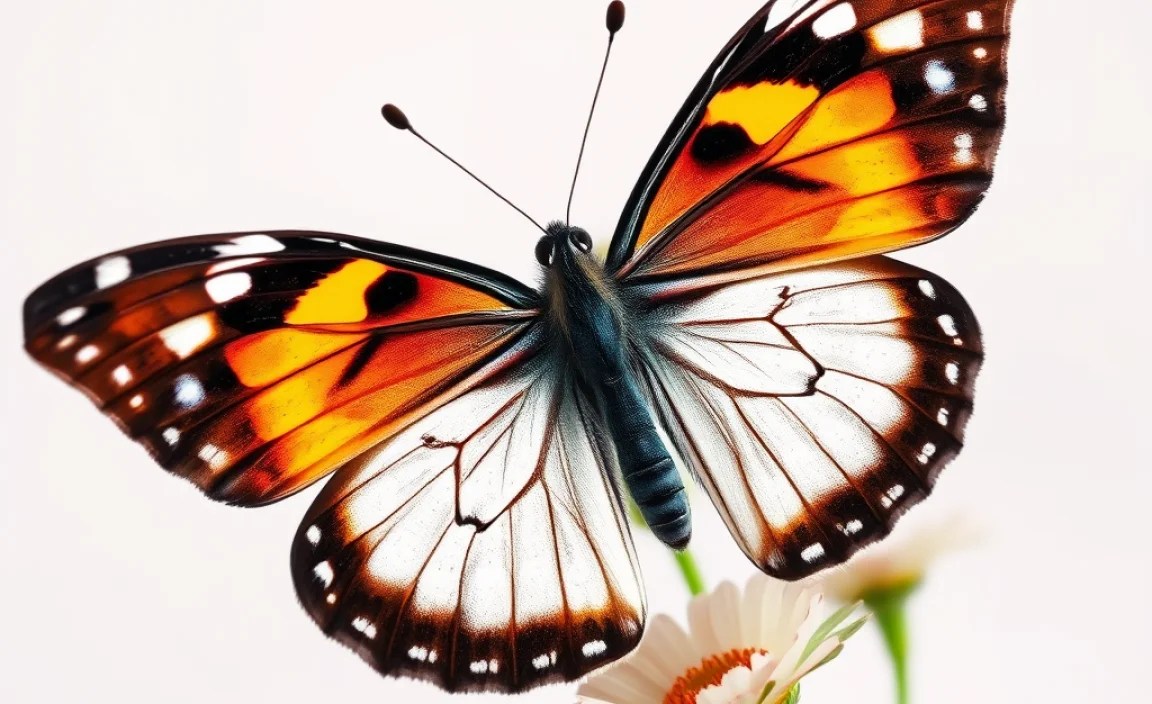
Identifying butterflies can be a fun and rewarding activity. Here are some tips to help you get started:
- Observe the Size and Shape: Is it a large butterfly or a small one? What is the shape of its wings?
- Note the Colours and Patterns: What colours are the wings? Are there any spots, stripes, or other patterns?
- Look at the Habitat: Where did you see the butterfly? Was it in a garden, a woodland, or a meadow?
- Use a Butterfly Field Guide: A field guide can help you identify butterflies based on their characteristics.
- Take Photos: If you can, take a photo of the butterfly. This will help you identify it later.
Butterfly Conservation: Protecting These Delicate Creatures
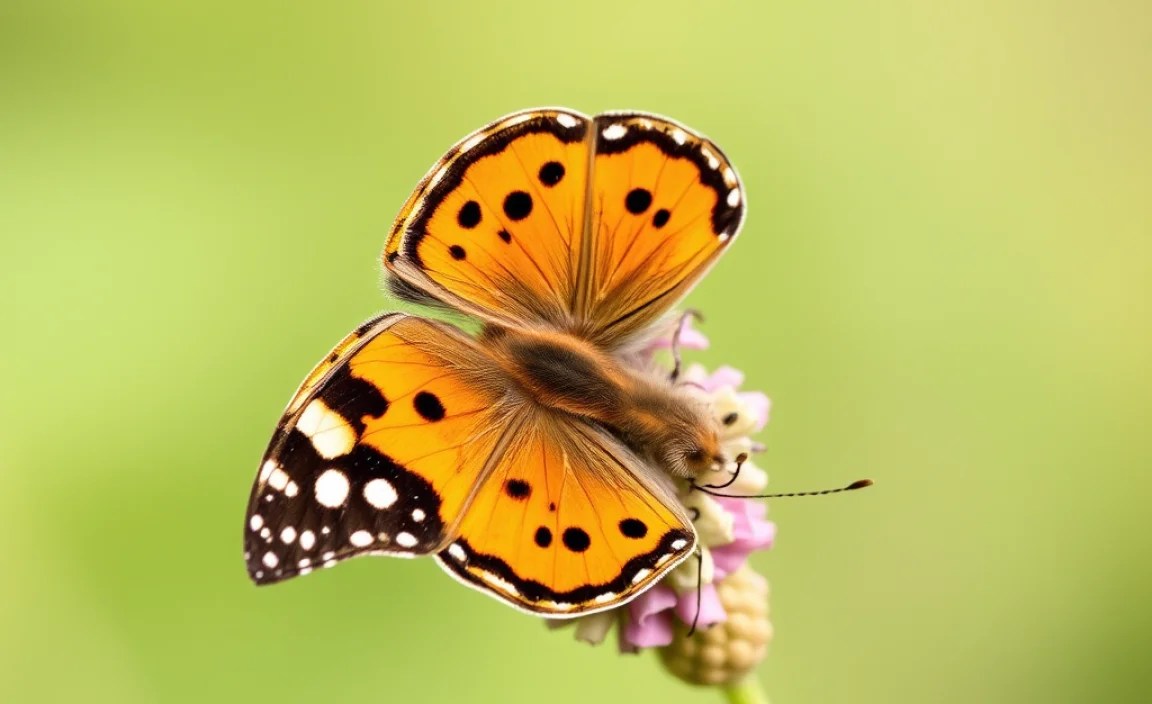
Many butterfly species are threatened by habitat loss, climate change, and pesticide use. Here’s how you can help protect them:
- Create Butterfly-Friendly Habitats: Plant butterfly gardens in your backyard or community.
- Support Conservation Organizations: Donate to or volunteer with organizations that work to protect butterflies and their habitats, such as Butterfly Conservation.
- Reduce Pesticide Use: Choose organic gardening methods and avoid using pesticides in your garden.
- Educate Others: Share your knowledge about butterflies with your friends and family.
- Advocate for Conservation: Support policies that protect butterfly habitats and reduce pollution.
European Butterfly Species Table
Here’s a table summarizing some of the European butterfly species we discussed:
| Butterfly Species | Wing Colour & Pattern | Habitat | Caterpillar Food |
|---|---|---|---|
| Small Tortoiseshell | Orange with black spots and blue crescents | Gardens, meadows, woodlands | Nettle leaves |
| Peacock | Dark brown with eye-like patterns | Woodlands, parks, gardens | Nettle, hop |
| Brimstone | Male: Bright yellow; Female: Greenish-white | Woodland edges, hedgerows | Buckthorn leaves |
| Large White | White with black tips on forewings | Gardens, fields, farmland | Cabbage and other brassicas |
| Red Admiral | Dark brown with red bands and white spots | Gardens, woodlands, coastal areas | Nettles |
| Common Blue | Male: Bright blue; Female: Brown with blue markings | Grasslands, meadows, heathlands | Bird’s-foot trefoil, other legumes |
Butterfly Migration in Europe
While not as famous as the Monarch butterfly migration in North America, some European butterflies also migrate. The Red Admiral is a notable example, flying south from northern Europe to warmer regions for the winter. Other species, like the Painted Lady (Vanessa cardui), undertake impressive migrations depending on environmental conditions. These journeys are often multi-generational, with butterflies breeding along the way, and their offspring continuing the migration.
The Symbolism of Butterflies
Butterflies have been symbols of transformation, hope, and new beginnings for centuries across different cultures. Their metamorphosis from a humble caterpillar to a beautiful winged creature embodies profound change and spiritual rebirth. In ancient Greece, butterflies represented the soul, while in some Asian cultures, they symbolize joy, grace, and marital bliss. The fleeting beauty of a butterfly also serves as a reminder of the preciousness and transience of life. These symbolic meanings add another layer of appreciation for these incredible insects. You can explore the cultural symbolism of butterflies further on websites like WorldBirds.com.
European Butterflies and Climate Change
Climate change poses a significant threat to European butterflies. Changes in temperature and rainfall patterns can disrupt their life cycles, alter their habitats, and affect the availability of food plants. Some species may be able to adapt or move to more suitable areas, but others are at risk of extinction. Conservation efforts, such as habitat restoration and reducing greenhouse gas emissions, are crucial to helping butterflies cope with the impacts of climate change. Organisations like the Butterfly Conservation are actively involved in research and conservation projects aimed at protecting butterflies in a changing world.
Fun Butterfly Activities for Kids
Here are some fun and educational butterfly activities for kids:
- Butterfly Watching: Go on a butterfly walk in your garden or a local park. See how many different species you can identify.
- Butterfly Garden Project: Plan and create a butterfly garden at home or at school.
- Butterfly Art: Draw, paint, or make collages of butterflies.
- Butterfly Life Cycle Model: Create a model of the butterfly life cycle using craft materials.
- Read Butterfly Books: Read books about butterflies to learn more about their biology and behaviour.
Resources for Further Learning
Here are some helpful resources for learning more about European butterflies:
- Butterfly Conservation: https://butterfly-conservation.org/
- European Butterflies Website: Search for dedicated websites with butterfly identification guides specific to your region in Europe.
- Local Nature Centres: Visit local nature centres and parks for guided butterfly walks and educational programs.
Exploring the world of European butterflies is an amazing journey for kids. By learning about these beautiful creatures, their life cycles, and their habitats, we can all help protect them for future generations. So, get outside, explore, and discover the wonders of the butterfly world!


