
Endemic European Butterflies: Discover the Secret

Want to explore Europe’s butterfly biodiversity? This guide introduces you to endemic European butterflies – species found nowhere else! Learn about their habitats, identification tips, and how you can help protect these special creatures. Get ready to be amazed by the beauty and uniqueness of European butterflies!
Have you ever wondered about the incredible variety of butterflies fluttering around Europe? Many of these butterflies are found only on this continent, making them truly special. But identifying them and understanding their unique needs can sometimes feel overwhelming. Don’t worry! This guide will walk you through the fascinating world of endemic European butterflies, providing you with the knowledge and tools to recognize them and contribute to their conservation.
Together, we’ll explore their habitats, learn about their life cycles, and discover simple steps you can take to support these beautiful insects. Let’s embark on this exciting journey into the world of endemic European butterflies!
What are Endemic European Butterflies?

Endemic species are plants and animals that are found exclusively in a specific geographic location. In the case of butterflies, this means that endemic European butterflies are species that evolved and live only within Europe’s borders.
Europe’s diverse landscapes, from sunny Mediterranean hillsides to cool Alpine meadows, have allowed unique butterfly species to flourish. Understanding which butterflies are endemic helps us focus conservation efforts where they are most needed.
Why are Endemic Butterflies Important?
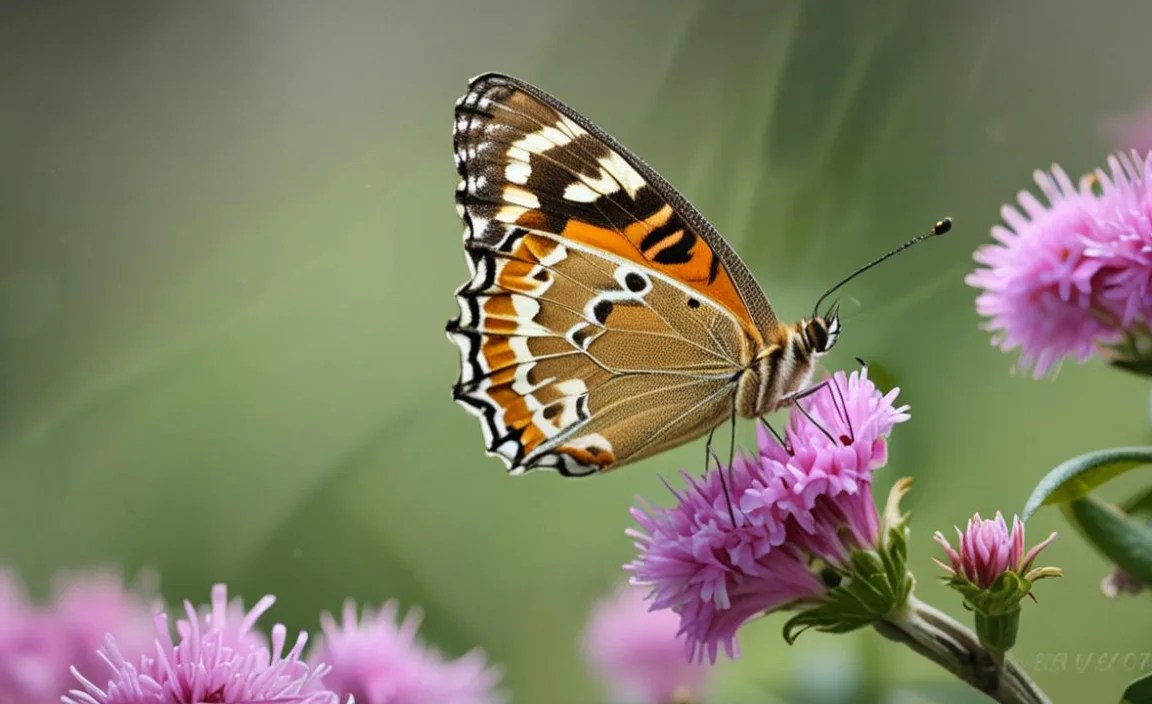
Endemic butterflies are vital indicators of ecosystem health. Their presence or absence can tell us a lot about the state of the environment. They also play essential roles in pollination and as food sources for other animals.
Protecting endemic butterflies helps maintain the balance of Europe’s natural ecosystems. When we conserve these unique species, we’re also protecting the habitats and other creatures that depend on them.
Identifying Endemic European Butterflies: A Step-by-Step Guide

Identifying butterflies can be a rewarding experience. Here’s a simple guide to help you get started:
Step 1: Know Your Region
Europe is a large continent with varied climates and landscapes. Different regions host different butterfly species. Familiarize yourself with the common butterflies in your area.
- Mediterranean Region: Known for warm, dry summers and mild, wet winters. Look for species adapted to these conditions.
- Alpine Region: Characterized by high altitudes and cold temperatures. Expect to find butterflies that can withstand harsh climates.
- Atlantic Region: Influenced by the Atlantic Ocean, with mild temperatures and plenty of rainfall. This region supports a wide variety of butterfly habitats.
Step 2: Observe Key Features
Pay close attention to the butterfly’s size, color, wing patterns, and behavior. These features can provide important clues to its identity.
- Size: Is it a small, medium, or large butterfly?
- Color: What are the dominant colors on its wings? Are there any distinct markings?
- Wing Patterns: Are there spots, stripes, or other patterns? Note the arrangement and shape of these patterns.
- Behavior: How does it fly? What kind of plants does it visit?
Step 3: Use Field Guides and Online Resources
Field guides and online databases are invaluable tools for butterfly identification. Look for resources specific to your region.
- Field Guides: These books provide detailed descriptions and illustrations of butterfly species.
- Online Databases: Websites like Butterfly Conservation Europe and iNaturalist offer photos, distribution maps, and identification tools.
Step 4: Compare and Contrast
Once you have a potential identification, compare your observations with the descriptions and images in your field guide or online resource.
- Check the Details: Pay attention to subtle differences in wing patterns, colors, and sizes.
- Consider the Habitat: Does the butterfly’s habitat match the typical habitat for that species?
Step 5: Take Photos and Seek Expert Advice
If you’re unsure about an identification, take photos of the butterfly and consult with an expert. Many local butterfly clubs and conservation organizations can help.
- Capture Clear Images: Try to get photos of both the upper and lower sides of the wings.
- Join a Butterfly Club: Connect with experienced butterfly enthusiasts who can offer guidance.
Examples of Endemic European Butterflies

Let’s take a closer look at some fascinating examples of endemic European butterflies:
The Corsican Swallowtail (Papilio hospiton)
This striking butterfly is found only on the islands of Corsica and Sardinia. It’s larger than the common swallowtail and has distinctive black stripes on its yellow wings.
- Habitat: Rocky hillsides and open woodlands.
- Conservation Status: Vulnerable. Threats include habitat loss and over-collection.
The Apollo Butterfly (Parnassius apollo)
A majestic butterfly with translucent white wings and distinctive red spots. It’s found in mountainous regions across Europe, but each population is genetically unique.
- Habitat: High-altitude meadows and rocky slopes.
- Conservation Status: Near Threatened. Climate change and habitat fragmentation are major threats.
The Chapman’s Ringlet (Erebia palarica)
This small, dark butterfly is endemic to the Picos de Europa mountains in northern Spain. It’s adapted to the harsh conditions of high-altitude grasslands.
- Habitat: Alpine grasslands above 1,800 meters.
- Conservation Status: Endangered. Its small range and sensitivity to climate change make it particularly vulnerable.
The Portuguese Dappled White (Euchloe tagis)
A delicate white butterfly with distinctive green markings on the underside of its wings, found in Portugal and Spain.
- Habitat: Scrubland and open meadows.
- Conservation Status: Relatively stable.
Creating a Butterfly-Friendly Garden
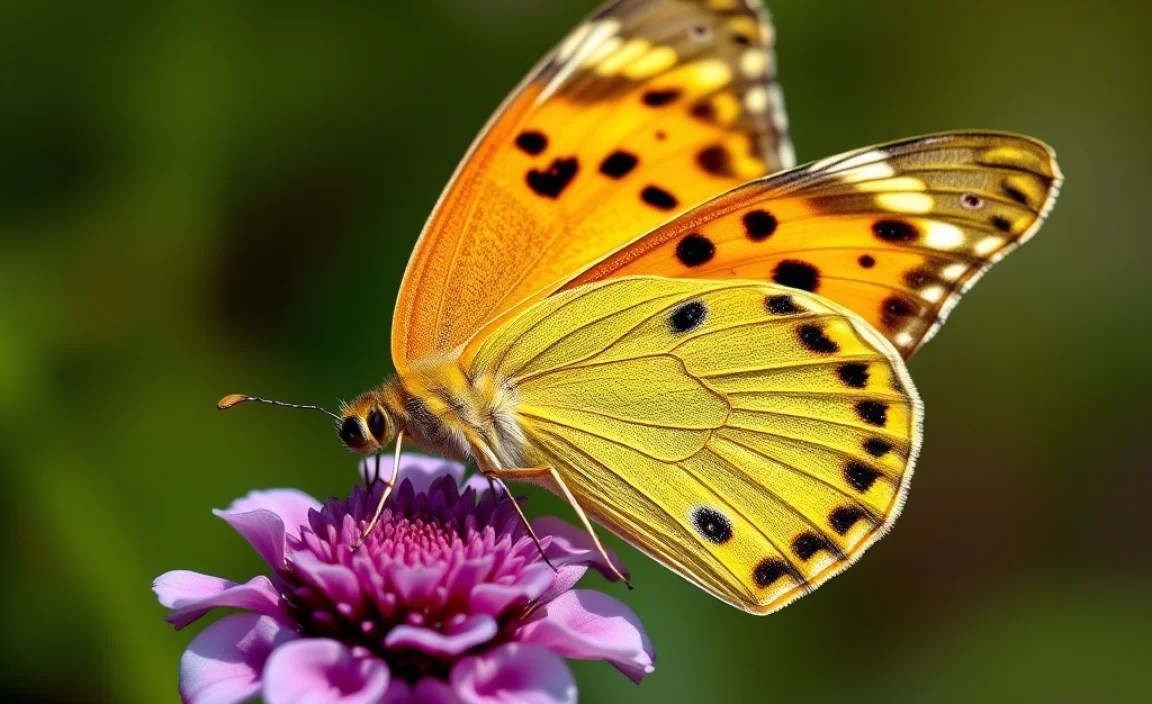
One of the best ways to support endemic European butterflies is to create a butterfly-friendly garden. Here’s how:
1. Plant Native Flowers
Native flowers provide the nectar and host plants that butterflies need to survive. Choose plants that are specific to your region.
- Nectar Plants: Provide energy for adult butterflies. Examples include lavender, thyme, and buddleja.
- Host Plants: Serve as food for caterpillars. Examples include milkweed for monarch butterflies and nettles for red admirals.
2. Provide a Water Source
Butterflies need water to stay hydrated. Create a shallow puddle or place a dish of water with pebbles in your garden.
3. Avoid Pesticides
Pesticides can harm or kill butterflies and other beneficial insects. Use natural pest control methods instead.
4. Offer Shelter
Butterflies need shelter from wind and rain. Plant shrubs and trees to provide protection.
5. Let Your Garden Be a Little Wild
Don’t be too tidy! Leave some areas of your garden undisturbed to provide habitat for caterpillars and other wildlife.
Threats to Endemic European Butterflies

Endemic European butterflies face a variety of threats, including:
- Habitat Loss: The destruction and fragmentation of natural habitats due to agriculture, urbanization, and deforestation.
- Climate Change: Changing temperatures and weather patterns can disrupt butterfly life cycles and alter their habitats.
- Pesticide Use: Pesticides can directly kill butterflies or harm their food sources.
- Over-collection: In some cases, the over-collection of butterflies for scientific or commercial purposes can threaten populations.
Conservation Efforts
Many organizations are working to protect endemic European butterflies. These efforts include:
- Habitat Restoration: Restoring and managing butterfly habitats to provide food and shelter.
- Species Monitoring: Tracking butterfly populations to assess their health and identify threats.
- Public Education: Raising awareness about the importance of butterfly conservation.
- Legislation: Enacting laws to protect endangered species and their habitats.
| Butterfly | Habitat | Threats | Conservation Status |
|---|---|---|---|
| Corsican Swallowtail (Papilio hospiton) | Rocky hillsides, open woodlands | Habitat loss, over-collection | Vulnerable |
| Apollo Butterfly (Parnassius apollo) | High-altitude meadows, rocky slopes | Climate change, habitat fragmentation | Near Threatened |
| Chapman’s Ringlet (Erebia palarica) | Alpine grasslands | Small range, climate change | Endangered |
| Portuguese Dappled White (Euchloe tagis) | Scrubland and open meadows | Habitat loss | Relatively Stable |
How You Can Help
You can play a vital role in protecting endemic European butterflies. Here are some simple steps you can take:
- Plant a Butterfly Garden: Create a habitat for butterflies in your backyard or community garden.
- Support Conservation Organizations: Donate to or volunteer with organizations that are working to protect butterflies and their habitats.
- Reduce Your Carbon Footprint: Take steps to reduce your impact on climate change, such as using public transportation, conserving energy, and eating locally.
- Educate Others: Share your knowledge about butterflies with friends, family, and community members.
- Report Sightings: Contribute to citizen science projects by reporting butterfly sightings to online databases.
Resources for Further Learning
Here are some valuable resources to expand your knowledge of endemic European butterflies:
- Butterfly Conservation Europe: A leading organization dedicated to the conservation of European butterflies.
- The IUCN Red List: A comprehensive database of the conservation status of species worldwide.
- iNaturalist: A citizen science platform where you can record and share your observations of nature.
FAQ About Endemic European Butterflies
What does “endemic” mean?
Endemic means a species is found exclusively in a specific geographic location.
Why are endemic butterflies important?
They are indicators of ecosystem health and play vital roles in pollination and as food sources.
Where can I find endemic butterflies in Europe?
Different regions of Europe host different species, from the Mediterranean to the Alps.
How can I identify a butterfly?
Observe its size, color, wing patterns, and behavior, and use field guides or online resources.
What threatens endemic butterflies?
Habitat loss, climate change, pesticide use, and over-collection.
How can I help protect endemic butterflies?
Plant a butterfly garden, support conservation organizations, and reduce your carbon footprint.
Are endemic butterflies protected by law?
Some species are protected by national and international laws, but protection varies by region.
Conclusion
Exploring the world of endemic European butterflies opens a window into the incredible biodiversity of our continent. By learning to identify these unique creatures, understanding their challenges, and taking action to protect them, we can all contribute to their survival. Every butterfly garden planted, every conservation organization supported, and every conscious decision made to reduce our environmental impact makes a difference.
As a naturalist, I encourage you to continue learning and exploring. Discover the magic of these delicate insects and share your passion with others. Together, we can ensure that future generations will have the opportunity to marvel at the beauty of endemic European butterflies.


