
European Butterflies of the Pyrenees: Spot Them!

Discover the enchanting world of European butterflies in the Pyrenees! This mountain range is a biodiversity hotspot, hosting many butterfly species, some found nowhere else. Learn how to identify them by their unique colors and patterns. Find the best spots to observe these beauties, and discover the plants that attract them. Whether you’re a seasoned naturalist or a curious beginner, get ready to explore the fascinating world of Pyrenean butterflies!
Have you ever been hiking in the Pyrenees Mountains and been mesmerized by the fluttering of colorful wings? The butterflies of this region are a sight to behold, but identifying them can feel overwhelming. It’s like trying to learn a new language without a dictionary! Don’t worry, you’re not alone. Many nature lovers struggle with this.
This guide will provide you with the essential knowledge to recognize and appreciate the diverse butterfly species of the Pyrenees. We’ll explore their habitats, behaviors, and the best places to spot them. Let’s embark on this exciting journey together!
Exploring the Butterfly Diversity of the Pyrenees

The Pyrenees Mountains, stretching along the border between France and Spain, are a haven for butterflies. The varied altitudes and microclimates create a rich tapestry of habitats, supporting a remarkable diversity of butterfly species. From the vibrant colors of the Apollo butterfly to the subtle patterns of the Mountain Ringlet, each species has adapted to thrive in this unique environment.
Why are the Pyrenees so Butterfly-Rich?
Several factors contribute to the butterfly diversity of the Pyrenees:
- Varied Habitats: From lush meadows to rocky slopes and dense forests, the Pyrenees offer a wide range of habitats.
- Altitude Gradient: Different butterfly species are adapted to different altitudes, creating a vertical zonation of butterfly communities.
- Isolation: The Pyrenees act as a natural barrier, leading to the evolution of endemic species found nowhere else.
- Climate: The combination of Mediterranean and Alpine climates creates suitable conditions for a wide range of butterfly species.
Identifying Common Pyrenean Butterflies
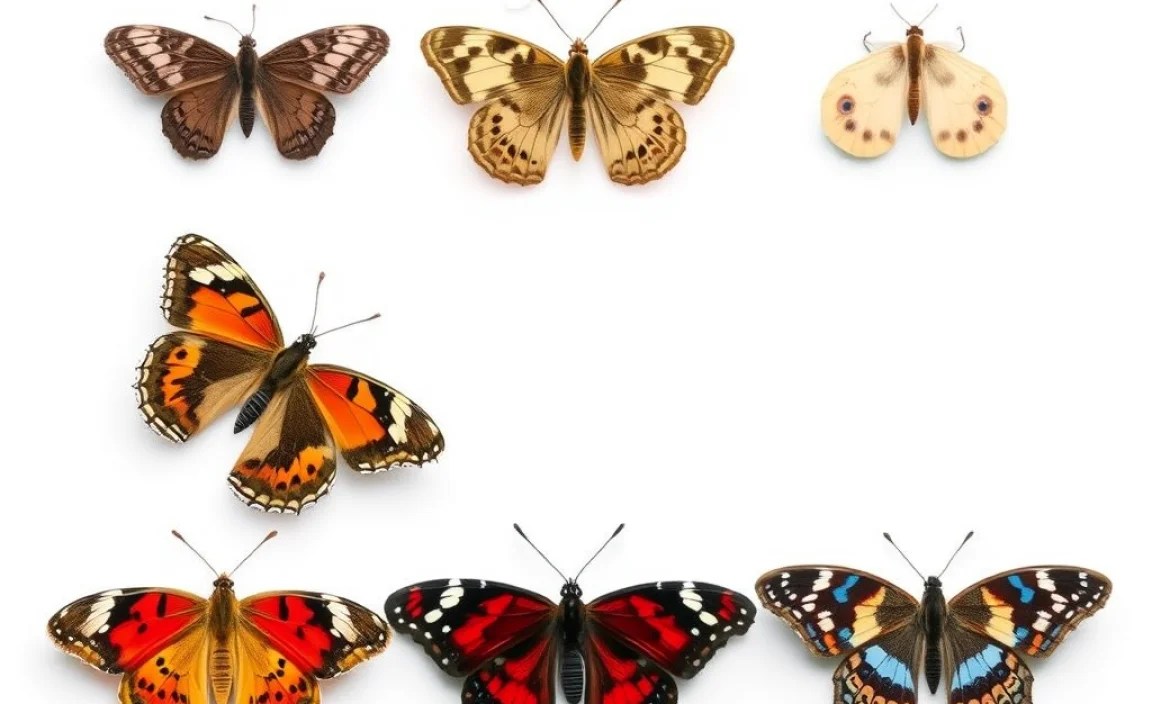
Identifying butterflies can be a rewarding but challenging task. Here are some of the most common and distinctive butterfly species you might encounter in the Pyrenees:
Swallowtail (Papilio machaon)
The Swallowtail is one of Europe’s largest and most recognizable butterflies. Its bright yellow wings are adorned with black markings and distinctive tail-like extensions.
- Key Features: Yellow wings with black stripes, blue spots, and tail-like extensions on hindwings.
- Habitat: Meadows, gardens, and open woodland.
- Flight Period: April to September.
Apollo (Parnassius apollo)
The Apollo is a striking butterfly with translucent white wings and distinctive red spots. It is a protected species due to habitat loss and over-collection.
- Key Features: White wings with black and red spots.
- Habitat: High-altitude meadows and rocky slopes.
- Flight Period: June to August.
Clouded Yellow (Colias croceus)
The Clouded Yellow is a common migratory butterfly with bright yellow wings and a black border. It is often seen flying rapidly across fields and meadows.
- Key Features: Bright yellow wings with black borders, sometimes with orange spots.
- Habitat: Grasslands, fields, and gardens.
- Flight Period: May to October.
Adonis Blue (Lysandra bellargus)
The Adonis Blue is a small but beautiful butterfly with vibrant blue wings (in males) and brown wings with orange spots (in females). It is often found in areas with chalky soil.
- Key Features: Male: Bright blue wings with a white fringe. Female: Brown wings with orange spots.
- Habitat: Chalk grasslands and meadows.
- Flight Period: June to September.
Marbled White (Melanargia galathea)
The Marbled White is a distinctive butterfly with black and white checkered wings. It is a common sight in grasslands and meadows during the summer months.
- Key Features: Black and white checkered pattern on wings.
- Habitat: Grasslands, meadows, and woodland edges.
- Flight Period: June to August.
Mountain Ringlet (Erebia epiphron)
The Mountain Ringlet is a small, dark brown butterfly adapted to high-altitude environments. It is often found on rocky slopes and alpine meadows.
- Key Features: Small, dark brown wings with small orange spots.
- Habitat: High-altitude rocky slopes and alpine meadows.
- Flight Period: July to August.
Large Blue (Phengaris arion)
The Large Blue is a fascinating butterfly with a complex life cycle. Its caterpillars feed on specific plants and are then adopted by certain ant species, which carry them into their nests.
- Key Features: Blue wings with black spots.
- Habitat: Grasslands with specific host plants and ant colonies.
- Flight Period: July to August.
Best Locations for Butterfly Watching in the Pyrenees

The Pyrenees offer numerous excellent locations for butterfly watching. Here are a few suggestions:
- Aigüestortes i Estany de Sant Maurici National Park (Spain): This park features a diverse range of habitats, from high-altitude lakes to lush meadows, supporting a rich butterfly fauna.
- Ordesa y Monte Perdido National Park (Spain): Known for its dramatic canyons and alpine landscapes, this park is home to many butterfly species adapted to high-altitude conditions.
- Pyrénées National Park (France): This park offers a wide variety of habitats, including forests, meadows, and rocky slopes, providing excellent opportunities for butterfly watching.
- Vallée d’Ossau (France): This valley is known for its beautiful landscapes and diverse flora, attracting a wide range of butterfly species.
- Cerdanya (France/Spain): This region offers a mix of Mediterranean and Alpine climates, resulting in a rich butterfly diversity.
Tips for Successful Butterfly Watching
To make the most of your butterfly watching experience, consider the following tips:
- Time of Day: Butterflies are most active on warm, sunny days. The best time to observe them is usually between late morning and mid-afternoon.
- Weather Conditions: Avoid butterfly watching on windy or rainy days, as butterflies tend to seek shelter in such conditions.
- Location: Look for areas with abundant wildflowers, as these provide nectar for butterflies. Sheltered spots, such as woodland edges and sunny slopes, are also good places to search.
- Patience: Butterfly watching requires patience and observation skills. Take your time, move slowly, and observe the butterflies’ behavior.
- Identification Guides: Carry a field guide or use a butterfly identification app to help you identify the species you encounter.
- Binoculars: Binoculars can be helpful for observing butterflies from a distance, especially in open areas.
- Camera: A camera can be used to capture photos of the butterflies you see, allowing you to study them later and share your observations with others.
- Respect the Environment: Avoid disturbing butterflies or their habitats. Stay on marked trails and avoid trampling vegetation.
Attracting Butterflies to Your Garden

Even if you don’t live in the Pyrenees, you can still enjoy the beauty of butterflies by creating a butterfly-friendly garden. Here’s how:
- Plant Nectar-Rich Flowers: Choose a variety of flowers that provide nectar for butterflies throughout the growing season. Some popular choices include lavender, buddleja (butterfly bush), coneflowers, and asters.
- Provide Host Plants: Caterpillars need specific host plants to feed on. Research which butterfly species are common in your area and plant their host plants. For example, milkweed is the host plant for monarch butterflies, and parsley is the host plant for swallowtail butterflies.
- Create a Sunny Spot: Butterflies need warmth to fly. Create a sunny spot in your garden where they can bask in the sun.
- Provide Water: Butterflies need water to drink. Provide a shallow dish of water with pebbles or sand for them to land on.
- Avoid Pesticides: Pesticides can harm or kill butterflies and other beneficial insects. Avoid using pesticides in your garden, or choose organic alternatives.
- Provide Shelter: Butterflies need shelter from wind and rain. Plant shrubs and trees in your garden to provide them with shelter.
Butterfly Conservation in the Pyrenees
Many butterfly species in the Pyrenees are facing threats due to habitat loss, climate change, and other factors. Conservation efforts are essential to protect these beautiful creatures and their habitats.
Threats to Pyrenean Butterflies
Here are some of the main threats:
- Habitat Loss: The destruction and fragmentation of habitats due to agriculture, urbanization, and tourism development.
- Climate Change: Changes in temperature and precipitation patterns can affect butterfly distribution, phenology (timing of life cycle events), and host plant availability.
- Overgrazing: Excessive grazing by livestock can damage butterfly habitats and reduce the availability of host plants.
- Pesticide Use: Pesticides can harm or kill butterflies and other beneficial insects.
- Collection: Over-collection of butterflies can deplete populations, especially of rare or localized species.
Conservation Strategies
Here are some strategies to protect butterflies:
- Habitat Protection and Restoration: Protecting and restoring butterfly habitats through conservation easements, land management agreements, and habitat restoration projects.
- Sustainable Land Management: Promoting sustainable land management practices that minimize the impact on butterfly habitats.
- Climate Change Mitigation: Reducing greenhouse gas emissions to mitigate the effects of climate change on butterfly populations.
- Pesticide Reduction: Reducing the use of pesticides and promoting organic farming practices.
- Public Education: Educating the public about the importance of butterfly conservation and how they can help protect butterflies in their own gardens and communities.
- Monitoring and Research: Monitoring butterfly populations and conducting research to better understand their ecology and conservation needs.
Butterfly Symbolism and Cultural Significance
Butterflies have held symbolic meaning in cultures around the world for centuries. They are often associated with transformation, beauty, and the human soul.
Transformation and Rebirth
The butterfly’s life cycle, from egg to caterpillar to pupa to adult, is a powerful metaphor for transformation and rebirth. This symbolism is reflected in many cultures, where butterflies are seen as symbols of change, growth, and renewal.
Beauty and Grace
Butterflies are admired for their beauty and grace. Their delicate wings, vibrant colors, and fluttering flight have inspired artists, poets, and musicians for centuries.
The Human Soul
In some cultures, butterflies are seen as symbols of the human soul. They are believed to represent the spirit leaving the body at death, or the soul’s journey to the afterlife.
Cultural Significance
Butterflies appear in mythology, folklore, and art around the world. In ancient Greece, butterflies were associated with Psyche, the goddess of the soul. In Japan, butterflies are often seen as symbols of happiness and good fortune. In Mexico, monarch butterflies are associated with the Day of the Dead, when they are believed to carry the souls of the deceased back to their ancestral homes.
Useful Resources for Butterfly Enthusiasts
Here are some resources to deepen your knowledge:
- Butterfly Identification Guides: Field guides such as “Butterflies of Britain and Europe” by Tristan Lafranchis are invaluable for identification.
- Online Databases: Websites like leps.it provide comprehensive information on European butterflies.
- Butterfly Conservation Organizations: Organizations like Butterfly Conservation Europe work to protect butterflies and their habitats.
- Local Nature Centers: Local nature centers often offer butterfly walks and educational programs.
Butterfly Checklist for the Pyrenees
Use this checklist to keep track of the species you’ve identified!
| Species | Observed (Yes/No) | Date | Location |
|---|---|---|---|
| Swallowtail (Papilio machaon) | |||
| Apollo (Parnassius apollo) | |||
| Clouded Yellow (Colias croceus) | |||
| Adonis Blue (Lysandra bellargus) | |||
| Marbled White (Melanargia galathea) | |||
| Mountain Ringlet (Erebia epiphron) | |||
| Large Blue (Phengaris arion) |
Butterfly Flight Periods in the Pyrenees
| Species | Flight Period |
|---|---|
| Swallowtail (Papilio machaon) | April – September |
| Apollo (Parnassius apollo) | June – August |
| Clouded Yellow (Colias croceus) | May – October |
| Adonis Blue (Lysandra bellargus) | June – September |
| Marbled White (Melanargia galathea) | June – August |
| Mountain Ringlet (Erebia epiphron) | July – August |
| Large Blue (Phengaris arion) | July – August |
FAQ: European Butterflies of the Pyrenees
What is the best time of year to see butterflies in the Pyrenees?
The best time to see butterflies in the Pyrenees is during the summer months, from June to August. This is when most species are active and flowering plants are abundant.
Are there any butterflies unique to the Pyrenees?
Yes, the Pyrenees are home to several endemic butterfly species, such as certain subspecies of the Mountain Ringlet (Erebia epiphron), which are found nowhere else in the world.
What should I bring on a butterfly-watching trip?
Bring a field guide, binoculars, a camera, sunscreen, water, and comfortable hiking shoes. Dress in layers, as the weather in the mountains can change quickly.
How can I help protect butterflies in the Pyrenees?
Support conservation organizations, avoid disturbing butterfly habitats, and educate others about the importance of butterfly conservation. You can also create a butterfly-friendly garden in your own backyard.
What are the main threats to butterflies in the Pyrenees?
The main threats include habitat loss, climate change, overgrazing, pesticide use, and over-collection.
Where can I find more information about European butterflies?
Consult field guides, online databases, and butterfly conservation organizations. Local nature centers can also provide valuable information and resources.
What kind of flowers attract butterflies?
Butterflies are attracted to nectar-rich flowers like lavender, buddleja (butterfly bush), coneflowers, and asters.
Conclusion
The European butterflies of the Pyrenees are a treasure trove of natural beauty and ecological significance. By learning to identify these species, exploring their habitats, and supporting conservation efforts, we can help ensure that these delicate creatures continue to thrive in this remarkable mountain range. So, pack your bags, grab your binoculars, and get ready to embark on an unforgettable butterfly-watching adventure in the Pyrenees! Every flutter of a butterfly’s wing reminds us of the beauty and fragility of our natural world, inspiring us to protect it for generations to come.


