
Coastal Butterflies in Europe: Spot Them Now!

Coastal butterflies in Europe face unique challenges and opportunities due to their specific habitats. These butterflies, like the Silver-studded Blue and the Glanville Fritillary, thrive in coastal meadows, dunes, and cliffs. They rely on specific host plants and are vulnerable to habitat loss from coastal development, climate change, and invasive species. Conservation efforts are vital to protect these beautiful and ecologically important insects.
Have you ever strolled along a European coastline and wondered about the fluttery friends you might find there? Coastal butterflies are a special group, adapted to the unique conditions of life by the sea. But these delicate creatures face increasing threats from habitat loss and climate change. Don’t worry! This guide will help you identify these butterflies, understand their needs, and discover how you can help protect them. Let’s dive into the colorful world of Europe’s coastal butterflies!
Discovering Coastal Butterflies in Europe

Europe’s coastlines are incredibly diverse, ranging from sandy dunes and rocky cliffs to salt marshes and coastal meadows. These varied habitats provide a home for a fascinating array of butterfly species, each adapted to the unique conditions of their environment. Let’s explore some of the butterflies you might encounter along the European coast.
Identifying Coastal Butterflies
Identifying butterflies can be a fun and rewarding experience. Here are a few common species you might spot near the coast:
- Silver-studded Blue (Plebejus argus): This small butterfly is often found in heathlands and coastal grasslands. The males have bright blue wings with a dark border, while the females are usually brown with blue scales near the body. Both sexes have distinctive silver studs on the underside of their wings.
- Glanville Fritillary (Melitaea cinxia): This butterfly is known for its striking checkered pattern of orange and brown. It’s often found in coastal grasslands and cliffs where its larval host plant, the narrow-leaved plantain, grows.
- Wall Brown (Lasiommata megera): This butterfly is recognized by its orange-brown wings with dark brown markings and distinctive eyespots. It’s commonly seen in a variety of habitats, including coastal areas, where it basks in sunny spots on walls and rocks.
- Dark Green Fritillary (Argynnis aglaja): A larger butterfly with vibrant orange wings marked with black spots. The underside of the wings has distinctive silver streaks. It prefers grassy coastal habitats and meadows.
- Small Heath (Coenonympha pamphilus): This small, delicate butterfly has pale orange wings with a single eyespot on the forewing. It’s commonly found in grassy areas, including coastal grasslands and dunes.
Understanding Butterfly Habitats
Coastal butterflies depend on specific habitats to survive. These habitats provide food, shelter, and breeding sites. Here’s a closer look at the types of environments where you might find them:
- Coastal Grasslands: These areas are rich in wildflowers and grasses, providing nectar for adult butterflies and food plants for their caterpillars.
- Sand Dunes: Dunes offer a unique environment with specialized plants adapted to sandy soils and salty conditions. These plants support various butterfly species.
- Cliffs and Rocky Outcrops: These provide shelter from the wind and sun, and the plants that grow on them can be important food sources.
- Salt Marshes: While not as common, some butterfly species can tolerate the salty conditions of salt marshes, feeding on specialized plants.
Life Cycle of Coastal Butterflies
Like all butterflies, coastal species undergo a complete metamorphosis, with four distinct life stages:
- Egg: Butterflies lay their eggs on or near the host plant that the caterpillars will feed on.
- Larva (Caterpillar): The caterpillar hatches from the egg and spends its time eating and growing. It molts its skin several times as it grows larger.
- Pupa (Chrysalis): Once the caterpillar is fully grown, it forms a pupa or chrysalis. Inside the pupa, the caterpillar transforms into a butterfly.
- Adult (Butterfly): The adult butterfly emerges from the pupa, ready to reproduce and continue the cycle.
Challenges Faced by Coastal Butterflies

Coastal butterflies face numerous threats that can impact their populations. Understanding these challenges is the first step in protecting them.
Habitat Loss
Coastal development, agriculture, and tourism can lead to the destruction and fragmentation of butterfly habitats. When these habitats are lost, butterflies lose their food sources, breeding sites, and shelter.
Climate Change
Climate change is altering the conditions that butterflies rely on. Rising temperatures, changes in rainfall patterns, and increased frequency of extreme weather events can disrupt butterfly life cycles and alter the distribution of their host plants. According to the Environmental Protection Agency, climate change poses a significant threat to butterfly populations worldwide.
Invasive Species
Invasive plants can outcompete native plants, reducing the availability of food for butterfly caterpillars. Invasive insects can also prey on butterfly eggs and larvae, further impacting their populations.
Pollution
Pollution from agricultural runoff, industrial activities, and urban areas can contaminate butterfly habitats and harm their health. Pesticides, in particular, can be deadly to butterflies and other insects.
Conserving Coastal Butterflies
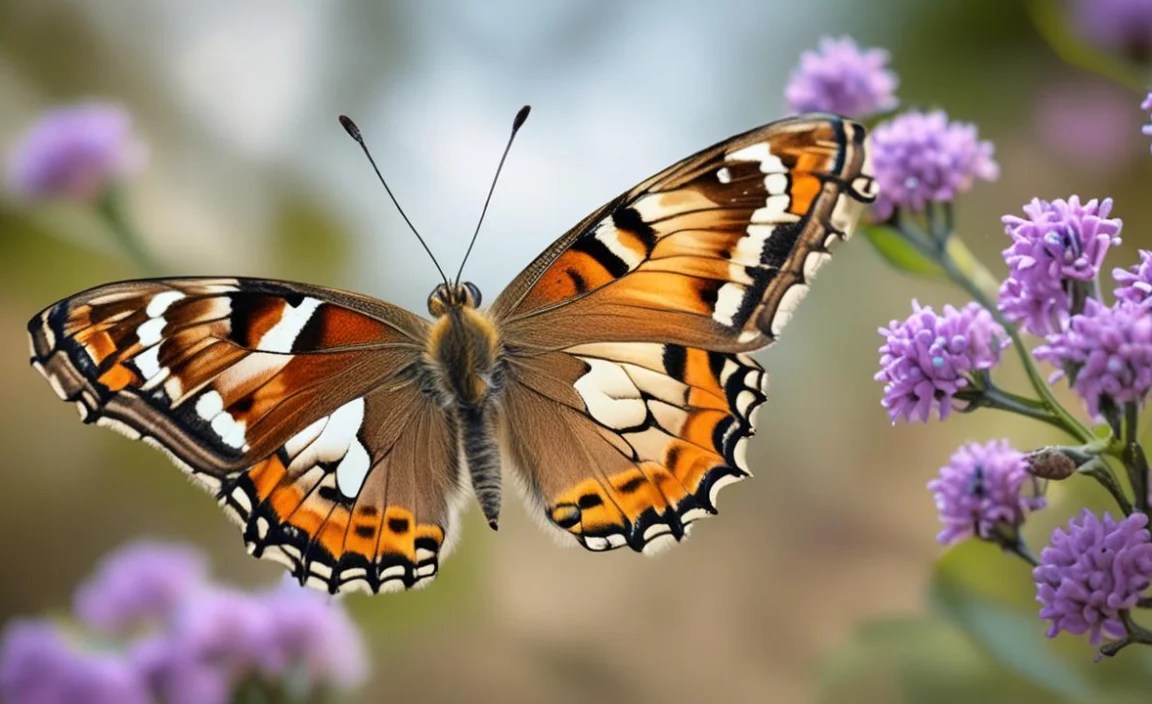
Protecting coastal butterflies requires a multifaceted approach that addresses the various threats they face. Here are some ways you can help:
Creating Butterfly-Friendly Gardens
You can create a butterfly-friendly garden by planting native wildflowers and grasses that provide nectar for adult butterflies and food for their caterpillars. Avoid using pesticides and herbicides, which can harm butterflies and other beneficial insects.
Supporting Habitat Restoration
Volunteer with local conservation organizations to help restore degraded butterfly habitats. This may involve removing invasive plants, planting native species, and creating butterfly-friendly features such as basking sites and shelter.
Advocating for Conservation Policies
Support policies that protect coastal habitats and promote sustainable development. This may involve contacting your elected officials, participating in public hearings, and supporting conservation organizations.
Raising Awareness
Educate others about the importance of coastal butterflies and the threats they face. Share your knowledge with friends, family, and community members, and encourage them to take action to protect these beautiful creatures.
Monitoring Butterfly Populations
Participate in citizen science projects to monitor butterfly populations. This involves counting butterflies in specific areas and submitting your data to researchers. Monitoring butterfly populations can help track changes over time and identify areas where conservation efforts are needed.
Butterfly Species and Their Host Plants

Many butterfly species are highly specific in their host plant preferences. This means that their caterpillars can only feed on certain types of plants. Providing these host plants is crucial for supporting butterfly populations. Here’s a table of some coastal butterflies and their preferred host plants:
| Butterfly Species | Host Plant(s) |
|---|---|
| Silver-studded Blue (Plebejus argus) | Heather (Calluna vulgaris), Gorse (Ulex europaeus) |
| Glanville Fritillary (Melitaea cinxia) | Narrow-leaved Plantain (Plantago lanceolata) |
| Wall Brown (Lasiommata megera) | Various grasses, including Cock’s-foot (Dactylis glomerata) and Meadow Grasses (Poa spp.) |
| Dark Green Fritillary (Argynnis aglaja) | Various violets (Viola spp.) |
| Small Heath (Coenonympha pamphilus) | Various grasses, including Fescues (Festuca spp.) and Bents (Agrostis spp.) |
Coastal Butterfly Hotspots in Europe

Certain coastal regions in Europe are particularly rich in butterfly diversity. These hotspots offer excellent opportunities for butterfly watching and conservation efforts.
- The Isles of Scilly, UK: This archipelago off the coast of Cornwall is home to several rare butterfly species, including the Glanville Fritillary. The islands’ mild climate and varied habitats provide ideal conditions for butterflies.
- The Vendée Coast, France: This region boasts diverse coastal habitats, including dunes, marshes, and grasslands, supporting a wide range of butterfly species.
- The Algarve, Portugal: Known for its stunning cliffs and diverse flora, the Algarve is home to various butterfly species adapted to Mediterranean coastal conditions.
- The Baltic Coast, Poland and Germany: The sandy dunes and coastal heaths along the Baltic Sea provide habitats for species like the Silver-studded Blue and other heathland butterflies.
The Role of Butterflies in Coastal Ecosystems
Butterflies play a vital role in coastal ecosystems. They are important pollinators, transferring pollen from flower to flower as they feed on nectar. This pollination is essential for the reproduction of many coastal plants, which in turn provide food and habitat for other animals.
Butterflies are also an important food source for birds, bats, and other insectivores. Their caterpillars provide food for many species of birds, particularly during the breeding season. By supporting butterfly populations, we can help maintain the health and resilience of coastal ecosystems. You can learn more about the importance of pollinators from organizations like the Pollinator Partnership.
Tips for Butterfly Watching on the Coast
Butterfly watching can be a rewarding way to connect with nature and learn about these fascinating creatures. Here are some tips for butterfly watching on the coast:
- Choose the Right Time: Butterflies are most active on warm, sunny days. The best time to see them is usually in the late morning or early afternoon.
- Dress Appropriately: Wear comfortable shoes and clothing that blends in with the environment. Avoid wearing bright colors, which can scare butterflies away.
- Bring Binoculars: Binoculars can help you get a closer look at butterflies without disturbing them.
- Use a Butterfly Guide: A butterfly guide can help you identify the species you see. There are many excellent field guides available for European butterflies.
- Be Patient: Butterfly watching requires patience. Find a comfortable spot and wait for butterflies to come to you.
- Respect the Environment: Stay on marked trails and avoid disturbing butterfly habitats. Do not collect butterflies or their eggs.
Documenting Your Butterfly Sightings
Keeping a record of the butterflies you see can be a valuable way to contribute to our understanding of butterfly populations and distributions. Here are some tips for documenting your butterfly sightings:
- Take Photos: Photos can help you identify butterflies later and provide a record of your sightings.
- Keep a Notebook: Record the date, time, location, and species of butterfly you saw. Note any interesting behaviors or habitat features.
- Use Online Resources: There are many online resources where you can submit your butterfly sightings. These data can be used by researchers to track butterfly populations and distributions.
Engaging with Local Conservation Efforts
One of the most effective ways to help coastal butterflies is to get involved with local conservation efforts. Here are some ways you can engage with local organizations:
- Volunteer: Many conservation organizations rely on volunteers to help with habitat restoration, butterfly monitoring, and educational programs.
- Donate: Financial contributions can help support conservation efforts.
- Attend Events: Attend workshops, lectures, and field trips to learn more about butterflies and conservation.
- Spread the Word: Share information about conservation efforts with your friends, family, and community members.
Butterfly Symbolism and Cultural Significance
Butterflies have long held symbolic and cultural significance in many societies. They are often seen as symbols of transformation, hope, and new beginnings. In some cultures, butterflies are believed to represent the souls of the departed. Their delicate beauty and ephemeral nature have inspired artists, poets, and writers for centuries.
Understanding the cultural significance of butterflies can deepen our appreciation for these creatures and motivate us to protect them. As we learn more about their ecological importance and cultural value, we can become more effective advocates for their conservation.
Frequently Asked Questions
Here are some frequently asked questions about coastal butterflies in Europe:
What makes a butterfly a “coastal” butterfly?
Coastal butterflies are species that are specifically adapted to live in coastal habitats like grasslands, dunes, and cliffs. They often rely on specific host plants that thrive in these environments.
Why are coastal butterflies important?
Coastal butterflies are important because they are pollinators, contributing to the health of coastal ecosystems. They also serve as a food source for birds and other animals and can indicate environmental health.
What are the main threats to coastal butterflies?
The main threats include habitat loss due to coastal development, climate change, invasive species, and pollution from agricultural and industrial activities.
How can I help protect coastal butterflies in my garden?
You can help by planting native wildflowers and grasses that provide nectar for adult butterflies and food for their caterpillars. Avoid using pesticides and herbicides, and provide a water source.
What should I do if I find an injured butterfly?
If you find an injured butterfly, gently move it to a safe location away from predators. You can offer it a sugar-water solution (one part sugar to four parts water) on a sponge or cotton ball. If the butterfly is severely injured, contact a local wildlife rehabilitation center.
Are there any butterfly conservation organizations I can support?
Yes, there are many organizations dedicated to butterfly conservation. Some examples include Butterfly Conservation Europe and local conservation groups in your area. You can support them by volunteering, donating, or raising awareness.
How does climate change affect coastal butterflies?
Climate change affects coastal butterflies by altering their habitats, disrupting their life cycles, and changing the distribution of their host plants. Rising temperatures and extreme weather events can also directly harm butterfly populations.
Conclusion
Coastal butterflies in Europe are a vital part of our natural heritage. These delicate creatures face numerous challenges, but with our help, they can thrive for generations to come. By creating butterfly-friendly gardens, supporting habitat restoration, advocating for conservation policies, and raising awareness, we can make a difference. Let’s work together to protect these beautiful and ecologically important insects and ensure that future generations can enjoy their beauty along Europe’s stunning coastlines. As a naturalist, I find immense joy in observing these fluttering jewels, and I hope you do too!


