
Butterfly Occurrence Records: Unlock Nature’s Secrets

Butterfly occurrence records are vital for tracking butterfly populations, understanding their distribution, and monitoring environmental changes. By documenting when and where butterflies are seen, we can gain insights into their life cycles, habitat needs, and responses to climate change. These records are essential for conservation efforts and scientific research.
Have you ever wondered how scientists know which butterflies live in your area or how their populations are changing over time? Collecting butterfly occurrence records is the key! It might seem a bit complex at first, but don’t worry. It’s easier than you think, and it’s a fantastic way to connect with nature while contributing to important scientific research. We’ll walk you through each step, from learning about butterfly identification to submitting your observations. By the end of this article, you’ll be a butterfly recording pro!
Here’s what we’ll cover:
- Understanding why butterfly occurrence records matter
- Tools you’ll need for successful butterfly recording
- Step-by-step guide on how to record butterfly sightings
- Tips for accurate identification
- How to submit your records to contribute to science
Why Butterfly Occurrence Records Matter

Butterfly occurrence records are essential for a variety of reasons. They provide valuable data for:
- Monitoring Butterfly Populations: Tracking changes in butterfly numbers over time.
- Understanding Distribution: Mapping where different butterfly species are found.
- Assessing Environmental Health: Butterflies are sensitive indicators of environmental change.
- Conservation Efforts: Informing strategies to protect threatened species.
- Scientific Research: Providing data for studies on butterfly behavior, ecology, and evolution.
Butterflies are like the canaries in the coal mine for our environment. Their presence, absence, and population changes can tell us a lot about the health of our ecosystems. By recording their occurrences, we become citizen scientists, contributing to a larger understanding of the natural world.
The Role of Citizen Science
Citizen science plays a crucial role in collecting butterfly occurrence records. Professional scientists can’t be everywhere at once, so they rely on volunteers like you to gather data. Your observations, no matter how small they seem, can contribute to significant scientific discoveries.
Citizen science projects leverage the power of many individuals to collect data over large areas and long periods. This collective effort provides a more comprehensive picture of butterfly populations and their habitats than any single researcher could achieve alone. Online platforms like iNaturalist and eButterfly facilitate this collaboration, making it easy for anyone to participate.
Historical Significance of Butterfly Records
Butterfly recording has a long history, dating back to the early naturalists who meticulously documented their observations. These historical records provide a baseline for understanding how butterfly populations have changed over time due to habitat loss, climate change, and other factors.
Comparing current butterfly occurrence records with historical data allows scientists to assess the impact of environmental changes on butterfly populations. For example, historical records can reveal whether a particular butterfly species has declined in a certain area or shifted its range due to changing climate conditions.
Tools for Butterfly Recording

To effectively record butterfly occurrences, you’ll need a few essential tools:
- Butterfly Field Guide: A comprehensive guide to help you identify different butterfly species in your region.
- Binoculars: To get a closer look at butterflies without disturbing them.
- Camera or Smartphone: To capture photos for identification and documentation.
- Notebook and Pen: To record your observations in the field.
- GPS Device or Smartphone with GPS: To record the precise location of your sightings.
- Online Resources: Websites and apps like iNaturalist and eButterfly for identification and data submission.
Having the right tools can make butterfly recording easier and more accurate. A good field guide is indispensable for identifying different species, while binoculars and a camera allow you to observe butterflies up close without disturbing them.
Choosing the Right Field Guide
Selecting a field guide specific to your region is crucial for accurate identification. Look for guides that include detailed descriptions, illustrations, and range maps for each butterfly species found in your area. Some popular field guides include:
- “Butterflies of North America” by Jim P. Brock and Kenn Kaufman: A comprehensive guide covering all of North America.
- “National Audubon Society Field Guide to North American Butterflies”: A user-friendly guide with clear photos and descriptions.
- Regional Field Guides: Guides specific to your state or region, which provide more detailed information on local butterfly species.
When choosing a field guide, consider its size, weight, and the quality of its illustrations. A compact, lightweight guide is easier to carry in the field, while clear, accurate illustrations are essential for identifying butterflies correctly.
Using Technology for Butterfly Recording
Technology can greatly enhance your butterfly recording efforts. Smartphones with GPS and camera capabilities make it easy to record sightings and submit data directly from the field. Apps like iNaturalist and eButterfly provide tools for identification, data management, and sharing your observations with other citizen scientists.
GPS devices can pinpoint the exact location of your sightings, which is crucial for accurate mapping of butterfly distributions. Online resources offer a wealth of information on butterfly identification, behavior, and ecology, helping you to become a more knowledgeable and effective butterfly recorder.
Step-by-Step Guide to Recording Butterfly Sightings

Recording butterfly sightings involves several key steps:
- Find a Butterfly: Visit butterfly-friendly habitats like gardens, meadows, or forests.
- Observe the Butterfly: Note its size, color, markings, and behavior.
- Identify the Butterfly: Use your field guide or online resources to identify the species.
- Record the Location: Use a GPS device or smartphone to record the precise coordinates.
- Record the Date and Time: Note the date and time of your sighting.
- Take a Photo: Capture a clear photo of the butterfly for documentation.
- Record Habitat Information: Note the type of habitat where you saw the butterfly (e.g., meadow, forest, garden).
- Submit Your Records: Share your observations with citizen science projects like iNaturalist or eButterfly.
Following these steps will ensure that your butterfly occurrence records are accurate and valuable for scientific research and conservation efforts. Remember to be patient and persistent, as butterfly recording can be challenging but also incredibly rewarding.
Finding Butterflies
To find butterflies, visit habitats that provide them with food, shelter, and breeding sites. Gardens with nectar-rich flowers, meadows with wildflowers, and forests with host plants for caterpillars are all good places to look. The best time to observe butterflies is on warm, sunny days when they are most active.
Different butterfly species prefer different habitats, so exploring a variety of locations can increase your chances of finding a diverse range of butterflies. Researching the specific habitat preferences of butterflies in your area can also help you target your search efforts.
Observing and Identifying Butterflies
When you find a butterfly, take your time to observe its key characteristics. Note its size, color, markings, and behavior. Pay attention to the shape and pattern of its wings, as these features are often used to identify different species. Use your field guide or online resources to compare your observations with known butterfly species.
Identifying butterflies can be challenging, especially for beginners. Don’t be discouraged if you can’t identify every butterfly you see. With practice and patience, you’ll become more familiar with the different species in your area and their distinguishing features.
Recording Data
Accurate data recording is essential for creating valuable butterfly occurrence records. Be sure to record the precise location of your sighting using a GPS device or smartphone. Note the date and time of your observation, as well as any relevant habitat information.
Taking a photo of the butterfly is also important for documentation and verification. If possible, capture multiple photos from different angles to show the butterfly’s key features. Use a notebook or digital device to record all of your observations in a clear and organized manner.
Tips for Accurate Butterfly Identification
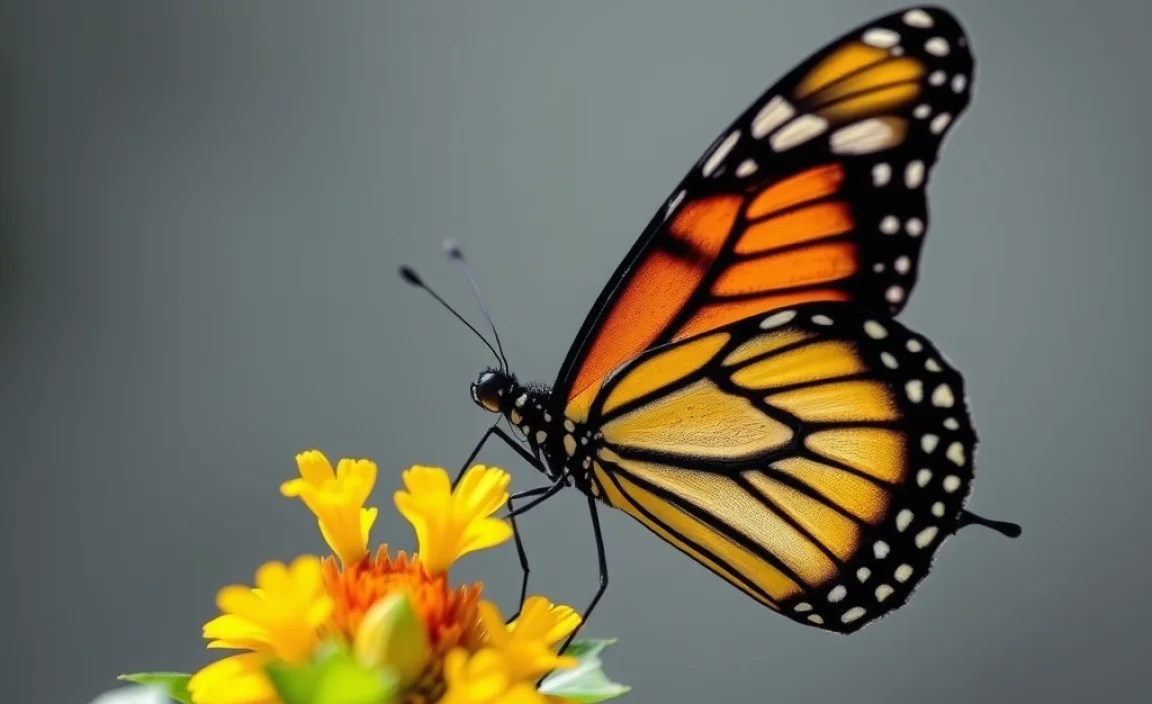
Accurate identification is crucial for creating reliable butterfly occurrence records. Here are some tips to help you identify butterflies correctly:
- Use a Field Guide: Consult a field guide specific to your region for detailed descriptions and illustrations.
- Observe Key Features: Pay attention to the size, color, markings, and wing shape of the butterfly.
- Compare with Photos: Compare your observations with photos of known butterfly species online.
- Consider the Habitat: Note the type of habitat where you found the butterfly, as some species are more common in certain areas.
- Learn from Experts: Join a local butterfly club or online forum to learn from experienced butterfly enthusiasts.
- Practice Regularly: The more you observe and identify butterflies, the better you’ll become at it.
Butterfly identification can be challenging, but it’s also a rewarding skill that will deepen your appreciation for these fascinating creatures. With practice and patience, you’ll become more confident in your ability to identify different butterfly species.
Understanding Butterfly Morphology
Understanding the basic morphology of butterflies can greatly aid in identification. Butterflies have three main body parts: the head, thorax, and abdomen. Their wings are covered in tiny scales, which give them their color and pattern. Key features to observe include:
- Wing Shape: The shape of the wings can vary greatly among different butterfly species.
- Wing Markings: The patterns and colors on the wings are often unique to each species.
- Antennae: The shape and color of the antennae can also be helpful for identification.
- Body Size: The overall size of the butterfly can provide clues about its identity.
By familiarizing yourself with these basic morphological features, you’ll be better equipped to identify different butterfly species in the field.
Using Online Resources for Identification
Online resources can be valuable tools for butterfly identification. Websites like BugGuide.net and Butterflies and Moths of North America (BAMONA) provide photos, descriptions, and range maps for different butterfly species. Apps like iNaturalist and eButterfly use image recognition technology to help you identify butterflies from photos.
When using online resources, be sure to compare your observations with multiple sources to ensure accuracy. Consult with experts in online forums or local butterfly clubs to confirm your identifications.
Submitting Your Butterfly Occurrence Records
Submitting your butterfly occurrence records is a crucial step in contributing to scientific research and conservation efforts. There are several platforms you can use to share your observations:
- iNaturalist: A popular platform for sharing observations of all types of organisms, including butterflies.
- eButterfly: A platform specifically designed for butterfly recording and monitoring.
- Local Butterfly Clubs: Many local butterfly clubs collect occurrence records from their members.
- Research Institutions: Some research institutions may be interested in receiving your data.
By submitting your butterfly occurrence records, you’ll be helping scientists track butterfly populations, understand their distribution, and assess the impact of environmental changes. Your observations can make a real difference in the conservation of these beautiful creatures.
Using iNaturalist
iNaturalist is a user-friendly platform that allows you to record and share your observations of butterflies and other organisms. To submit your records to iNaturalist, simply create an account, upload your photos, and provide information about the location, date, and time of your sighting. The iNaturalist community can help you identify the butterfly species and verify your observations.
iNaturalist data is used by scientists and conservationists around the world to monitor biodiversity and track changes in species distributions. By contributing your observations to iNaturalist, you’ll be joining a global community of citizen scientists and helping to advance our understanding of the natural world.
Using eButterfly
eButterfly is a platform specifically designed for butterfly recording and monitoring. It allows you to submit your observations, create checklists of butterfly species in your area, and track changes in butterfly populations over time. eButterfly data is used by scientists to study butterfly ecology, behavior, and conservation.
To submit your records to eButterfly, create an account, select a location, and enter your observations. You can also upload photos to document your sightings. eButterfly provides tools for identifying butterflies and verifying your observations.
The Impact of Butterfly Occurrence Records on Conservation
Butterfly occurrence records play a vital role in conservation efforts by providing data on:
- Species Distribution: Mapping where different butterfly species are found.
- Population Trends: Tracking changes in butterfly numbers over time.
- Habitat Use: Identifying the habitats that are most important for butterflies.
- Threats to Butterflies: Assessing the impact of habitat loss, climate change, and other threats.
This information is used by conservation organizations and government agencies to develop strategies for protecting threatened butterfly species and their habitats. By contributing your butterfly occurrence records, you’ll be helping to inform conservation decisions and ensure the long-term survival of these beautiful creatures.
Informing Conservation Strategies
Butterfly occurrence records can inform a variety of conservation strategies, including:
- Habitat Restoration: Identifying areas where butterfly habitats need to be restored or enhanced.
- Protected Area Management: Guiding the management of protected areas to benefit butterfly populations.
- Species Recovery Plans: Developing plans to recover populations of threatened butterfly species.
- Policy Decisions: Influencing policy decisions related to land use, development, and environmental protection.
By providing data on butterfly distributions, population trends, and habitat use, butterfly occurrence records help conservationists make informed decisions about how to protect these important insects.
Raising Awareness
Butterfly occurrence records can also be used to raise public awareness about the importance of butterfly conservation. By sharing your observations and photos with others, you can help inspire a sense of wonder and appreciation for these beautiful creatures.
Public awareness is essential for building support for conservation efforts. When people understand the importance of butterflies and the threats they face, they are more likely to take action to protect them.
Frequently Asked Questions (FAQ)
Why are butterfly occurrence records important?
Butterfly occurrence records help scientists track populations, understand distribution, and assess environmental health. They are crucial for conservation efforts and scientific research.
What tools do I need to record butterfly sightings?
You’ll need a butterfly field guide, binoculars, a camera, a notebook, a GPS device (or smartphone with GPS), and access to online resources like iNaturalist or eButterfly.
How do I identify butterflies accurately?
Use a field guide, observe key features (size, color, markings), compare with photos, consider the habitat, learn from experts, and practice regularly.
Where can I submit my butterfly occurrence records?
You can submit your records to platforms like iNaturalist and eButterfly, local butterfly clubs, or research institutions.
How can my butterfly records help with conservation?
Your records provide data on species distribution, population trends, and habitat use, informing conservation strategies and raising awareness about butterfly conservation.
What if I’m not sure about a butterfly identification?
Take a photo and submit it to online forums or platforms like iNaturalist, where experts can help you identify the species.
Do I need special training to record butterfly sightings?
No special training is required! Just a passion for butterflies, a willingness to learn, and the right tools. Online resources and local butterfly clubs can provide additional support and guidance.
Conclusion
Recording butterfly occurrence records is a rewarding way to connect with nature, contribute to scientific research, and support conservation efforts. By following the steps outlined in this article, you can become a valuable citizen scientist and help protect these beautiful and important creatures.
Remember, every butterfly sighting counts! Whether you’re a seasoned naturalist or a beginner, your observations can make a difference. So grab your field guide, head out to your favorite butterfly habitat, and start recording. Together, we can ensure that butterflies continue to thrive for generations to come.
Now, go out there and explore the wonderful world of butterflies! Your observations can truly make a difference in understanding and protecting these amazing creatures. Happy butterflying!


