
Butterfly Poaching Endangered: How YOU Can Help

Quick Summary: Butterfly poaching, while seemingly minor, significantly threatens endangered butterfly species. Habitat loss, climate change, and illegal collecting all contribute to their decline. Conservation efforts, including habitat restoration and stricter regulations, are crucial to protect these fragile creatures. You can help by supporting responsible tourism, reporting illegal activities, and advocating for butterfly-friendly policies.
Have you ever wondered about the beautiful butterflies you see fluttering around? It’s easy to admire their delicate wings and vibrant colors. But did you know that many butterfly species are facing serious threats? Butterfly poaching, along with habitat loss and climate change, is pushing some of these amazing creatures to the brink of extinction. It’s a worrying situation, but there’s hope! This guide will explain why butterfly poaching is a problem and what we can do to protect these vital pollinators.
We’ll explore the impact of illegal collecting, the species most at risk, and simple steps you can take to make a difference. Get ready to discover the secret world of butterfly conservation!
Is Butterfly Poaching Really a Threat?

As a lifelong butterfly enthusiast, I can tell you that butterfly poaching is a very real and growing threat to many species. It might seem harmless to collect a few butterflies, but when done on a large scale, or targeting already vulnerable populations, it can have devastating consequences. Let’s delve into why.
The Allure of Butterflies: A Collector’s Dream (and a Butterfly’s Nightmare)
Butterflies have always captivated us with their beauty. This allure has fueled a demand for butterfly specimens, leading to both legal and illegal collecting. While regulated collecting for scientific research can be beneficial, unregulated poaching for commercial or personal gain is a major problem.
Here’s why:
- Rarity Drives Demand: The rarer a butterfly species is, the more valuable it becomes to collectors. This creates a vicious cycle where increased demand leads to more poaching, further endangering the species.
- Commercial Trade: Butterflies are sold as decorative items, in framed displays, and even incorporated into artwork. This trade can be lucrative, incentivizing poachers to target vulnerable populations.
- Private Collections: Some individuals collect butterflies as a hobby, and are willing to pay high prices for rare or unusual specimens.
The Impact on Butterfly Populations
The impact of butterfly poaching goes beyond simply reducing the number of individuals. It can disrupt entire ecosystems.
- Reduced Genetic Diversity: Removing individuals from a population reduces its genetic diversity, making it less resilient to environmental changes and diseases.
- Disrupted Pollination: Butterflies are important pollinators. When their populations decline, it can affect the plants that rely on them for reproduction, and the animals that feed on those plants.
- Ecosystem Imbalance: The loss of butterflies can have cascading effects throughout the food web, impacting other insects, birds, and mammals.
Which Butterflies are Most at Risk?

Not all butterfly species are equally vulnerable to poaching. Certain characteristics make some species more desirable to collectors and therefore more at risk. These are some of the species under threat:
- Rarer Species: Species with naturally small populations or limited geographic ranges are particularly vulnerable.
- Endemic Species: Butterflies found only in specific locations (endemic species) are at higher risk because their entire population can be wiped out by poaching in a single area.
- Butterflies with Showy Colors or Patterns: Butterflies with striking colors or unusual patterns are highly sought after by collectors.
Examples of Endangered Butterflies
Let’s look at some specific examples of butterflies that are threatened by poaching and other factors:
- Queen Alexandra’s Birdwing (Ornithoptera alexandrae): This magnificent butterfly, found only in Papua New Guinea, is the largest butterfly in the world. It is critically endangered due to habitat loss and poaching for collectors.
- Kaiser-I-Hind (Teinopalpus imperialis): Found in the Himalayas, this stunning butterfly is prized for its iridescent green and gold wings. It is threatened by habitat destruction and illegal collecting.
- Palos Verdes Blue Butterfly (Glaucopsyche lygdamus palosverdesensis): Native to California, this butterfly was once thought to be extinct. Habitat loss and degradation are major threats, and even small-scale collecting could push it over the edge.
The Role of Habitat Loss and Climate Change

While poaching is a direct threat to butterflies, it’s important to remember that it often exacerbates the effects of other environmental stressors. Habitat loss and climate change are two major factors that make butterfly populations more vulnerable to poaching.
Habitat Loss: No Home, No Butterflies
Butterflies need specific habitats to survive, including host plants for their caterpillars and nectar sources for adults. Habitat loss due to deforestation, urbanization, and agriculture is a major threat to many species.
When butterflies lose their habitat, their populations become smaller and more fragmented. This makes them more vulnerable to poaching, as collectors can easily target the remaining individuals.
Climate Change: A Shifting Landscape
Climate change is altering butterfly habitats in many ways. Changes in temperature and rainfall patterns can affect the availability of host plants and nectar sources. Extreme weather events, such as droughts and floods, can also decimate butterfly populations.
Butterflies may also need to shift their ranges to adapt to changing climates. However, if they are unable to find suitable habitat or are blocked by human development, they may not be able to survive.
How Does Butterfly Poaching Happen?
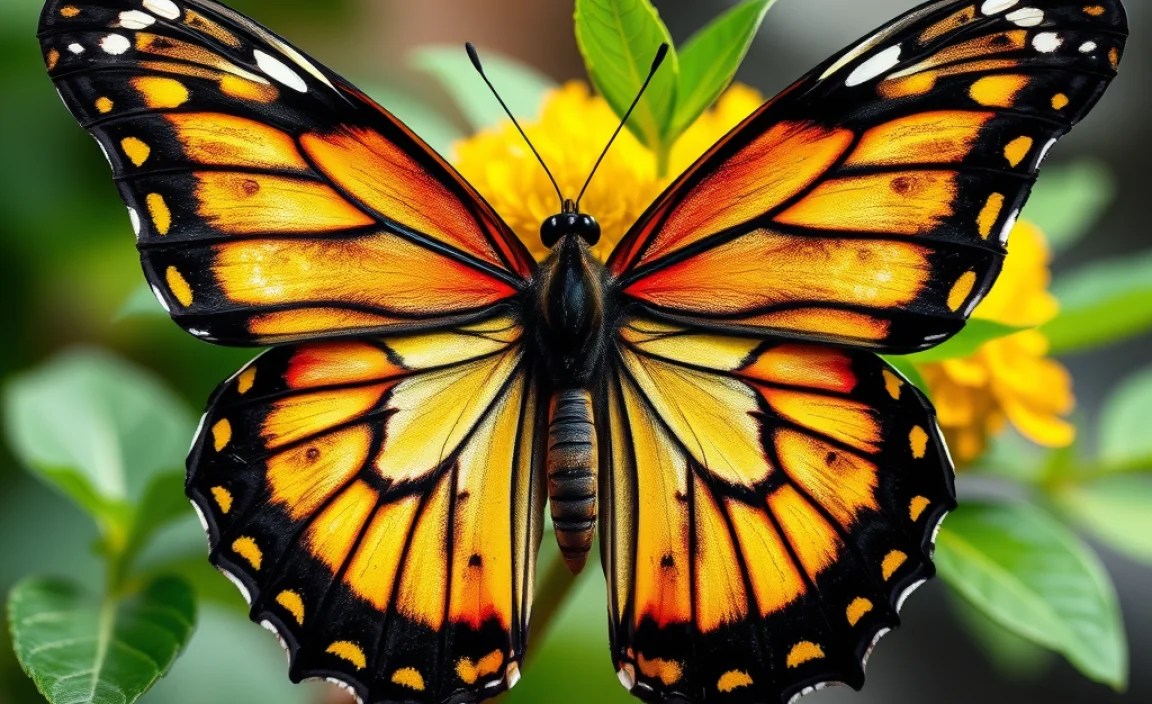
Understanding how butterfly poaching occurs is essential to developing effective conservation strategies. It’s often more complex than simply someone catching a butterfly in a net.
The Methods of Poachers
Poachers use a variety of methods to capture butterflies, ranging from simple nets to more sophisticated techniques.
- Nets: The most common method is using nets to catch butterflies in the wild. This can be particularly effective during breeding season when butterflies are concentrated in specific areas.
- Traps: Some poachers use traps baited with pheromones or other attractants to lure butterflies.
- Collection of Larvae and Pupae: Poachers may also collect butterfly larvae (caterpillars) or pupae (chrysalises) from the wild. These can be raised in captivity and then sold as adults.
The Routes to Market
Once butterflies are captured, they are often sold through a network of dealers and collectors.
- Local Markets: In some areas, butterflies are sold in local markets as souvenirs or decorative items.
- Online Sales: The internet has made it easier for poachers to reach a wider market. Butterflies can be sold through online auction sites, social media, and specialized websites.
- International Trade: Rare and exotic butterflies are often sold to collectors in other countries. This trade can be difficult to regulate, as it often involves smuggling and falsified permits.
What Can Be Done to Protect Butterflies?

Protecting butterflies from poaching and other threats requires a multi-faceted approach involving governments, conservation organizations, and individuals.
Strengthening Laws and Enforcement
One of the most important steps is to strengthen laws and regulations that protect endangered butterfly species. This includes:
- Listing Endangered Species: Adding butterfly species to endangered species lists provides them with legal protection.
- Regulating Collecting: Implementing permits and quotas for butterfly collecting can help to ensure that it is done sustainably.
- Enforcing Laws: Increasing patrols and inspections in areas where poaching is common can help to deter illegal activity.
Habitat Restoration and Conservation
Protecting and restoring butterfly habitats is also crucial. This includes:
- Creating Butterfly Sanctuaries: Establishing protected areas where butterflies can thrive.
- Planting Host Plants and Nectar Sources: Restoring degraded habitats by planting native plants that butterflies need for food and shelter.
- Promoting Sustainable Land Management: Encouraging land owners to use practices that benefit butterflies, such as reducing pesticide use and preserving natural areas.
Raising Awareness and Education
Education and awareness are key to changing attitudes and behaviors. This includes:
- Educating the Public: Raising awareness about the importance of butterflies and the threats they face.
- Promoting Responsible Tourism: Encouraging tourists to visit butterfly gardens and other attractions that support conservation efforts.
- Engaging Local Communities: Involving local communities in conservation efforts can help to ensure their long-term success.
What You Can Do to Help
You don’t have to be a scientist or a conservationist to make a difference. There are many simple things that you can do to help protect butterflies.
- Plant a Butterfly Garden: Plant native host plants and nectar sources in your garden to provide food and shelter for butterflies.
- Avoid Pesticides: Pesticides can harm butterflies and other beneficial insects. Use organic gardening methods instead.
- Support Conservation Organizations: Donate to or volunteer with organizations that are working to protect butterflies. The Xerces Society is a great place to start.
- Report Illegal Activity: If you see someone collecting butterflies in a protected area or selling endangered species, report it to the authorities.
- Spread the Word: Talk to your friends and family about the importance of butterfly conservation.
Butterfly Conservation in Action: Success Stories
Despite the challenges, there are many success stories in butterfly conservation. These examples show that it is possible to protect butterflies and their habitats with dedicated effort and resources.
The Story of the El Segundo Blue Butterfly
The El Segundo blue butterfly ( *Euphilotes battoides allyni* ) is a federally endangered species found only on the coast of southern California. It was once on the brink of extinction due to habitat loss and degradation. However, thanks to the efforts of conservation organizations, government agencies, and private landowners, the El Segundo blue butterfly is now making a comeback. Habitat restoration projects have helped to increase the population of its host plant, coast buckwheat, and reduce threats from invasive species.
Monarch Butterfly Conservation
The monarch butterfly ( *Danaus plexippus* ) is famous for its incredible annual migration from Canada and the United States to Mexico. However, monarch populations have declined dramatically in recent years due to habitat loss and climate change. A large coalition of organizations and individuals are working to protect monarch butterflies by restoring their breeding habitat, reducing pesticide use, and promoting sustainable forestry practices in their overwintering grounds in Mexico.
Butterfly Poaching and Endangered Status: A Summary Table
This table summarizes the key aspects of butterfly poaching and its impact on endangered species:
| Aspect | Description |
|---|---|
| Definition of Butterfly Poaching | The illegal collection of butterflies from the wild, often for commercial purposes or private collections. |
| Impact on Endangered Species | Reduces population size, genetic diversity, and resilience to environmental changes. |
| Species Most at Risk | Rare, endemic, and visually striking butterflies are particularly vulnerable. |
| Contributing Factors | Habitat loss, climate change, and demand from collectors exacerbate the problem. |
| Conservation Strategies | Strengthening laws, habitat restoration, raising awareness, and promoting sustainable practices. |
| Individual Actions | Planting butterfly gardens, avoiding pesticides, supporting conservation organizations, and reporting illegal activity. |
Frequently Asked Questions (FAQs)
1. What exactly is butterfly poaching?
Butterfly poaching is the illegal collection of butterflies from their natural habitats. This is often done to sell them to collectors or use them in decorations. It’s illegal because it threatens the survival of already vulnerable butterfly populations.
2. Why are some butterflies more endangered than others?
Some butterfly species are naturally rare, live only in specific areas, or have striking colors that make them highly desirable to collectors. These factors make them more vulnerable to poaching and habitat loss.
3. How does habitat loss contribute to butterfly endangerment?
Butterflies need specific plants to feed on as caterpillars and as adults. When their habitats are destroyed by deforestation or development, they lose their food sources and places to live, making them more susceptible to poaching.
4. Can climate change affect butterfly populations?
Yes! Climate change can alter the timing of plant growth and butterfly life cycles, disrupting their food supply. Extreme weather events can also destroy butterfly habitats, further endangering them.
5. What can I do to help protect butterflies in my own backyard?
You can plant a butterfly garden with native plants that provide food and shelter. Avoid using pesticides, which can harm butterflies. Support local conservation efforts and educate others about the importance of butterfly conservation.
6. How do I report suspected butterfly poaching activity?
If you suspect illegal butterfly collecting, contact your local wildlife agency or conservation organization. Provide as much detail as possible about the location, time, and individuals involved.
7. Are there any butterflies that have been successfully brought back from the brink of extinction?
Yes! The El Segundo blue butterfly in California is a great example. Through dedicated habitat restoration and conservation efforts, its population has significantly increased, showing that conservation efforts can be successful.
Conclusion: Every Wingbeat Matters
Butterfly poaching is a serious threat to endangered butterfly species, but it’s a threat we can address. By understanding the causes and consequences of poaching, and by taking action to protect butterflies and their habitats, we can make a real difference. Every small action, from planting a butterfly garden to supporting conservation organizations, contributes to a larger effort to protect these beautiful and important creatures. Let’s work together to ensure that future generations can enjoy the wonder and beauty of butterflies for years to come. The survival of these delicate creatures, and the health of our ecosystems, depends on it.


