Butterfly Friendly Urban Design: Your Easy Guide

Quick Summary: Creating butterfly-friendly urban design involves planting native nectar and host plants, providing shelter, reducing pesticide use, and creating sunny, sheltered spots. It’s about integrating elements like butterfly gardens, green roofs, and pollinator pathways into city landscapes to support butterfly populations. This helps butterflies thrive even in urban settings!
Butterflies bring beauty and joy to any space. But, sadly, urban development often leaves these delicate creatures with fewer places to live and feed. Many gardeners and nature lovers feel frustrated that they can’t seem to attract butterflies to their city gardens. The good news is that with a few simple changes, you can transform your urban environment into a butterfly haven. We’ll walk you through the steps to create a welcoming space for butterflies, right in the heart of the city. Let’s explore how to design butterfly-friendly urban spaces!
What is Butterfly-Friendly Urban Design?

Butterfly-friendly urban design means creating city spaces that support butterflies throughout their life cycle. This involves providing food, shelter, and breeding grounds. It’s about integrating natural elements into the urban landscape to help butterflies thrive. Butterflies are more than just beautiful insects. They are important pollinators, and their presence indicates a healthy ecosystem. By creating butterfly-friendly spaces, we contribute to biodiversity and environmental health.
Why is it Important?
- Supports Biodiversity: Butterflies are part of a complex web of life. Supporting them helps other species too.
- Pollination: Butterflies pollinate plants, which is essential for plant reproduction.
- Environmental Indicator: Butterfly populations reflect the health of the environment. Their decline can signal broader ecological problems.
- Educational Opportunities: Butterfly gardens offer learning experiences for children and adults.
- Aesthetic Value: Butterflies add beauty and color to urban environments, improving our quality of life.
Step-by-Step Guide to Creating Butterfly-Friendly Urban Design

Step 1: Choose the Right Location
Butterflies need sunlight and shelter. Look for a spot that gets at least six hours of sunlight per day. Protect the area from strong winds. Consider a location near a building or fence for added shelter. Observe where butterflies naturally occur in your area. This can give you clues about suitable locations.
Step 2: Select Native Host Plants
Host plants are where butterflies lay their eggs and where caterpillars feed. Native plants are best because butterflies have evolved alongside them. Research which butterflies are common in your area. Then, choose host plants that support those species. Some popular host plants include:
- Milkweed: Essential for Monarch butterflies.
- Parsley, Dill, Fennel: Host plants for Swallowtail butterflies.
- Violets: Host plants for Fritillary butterflies.
- Spicebush: Host plant for Spicebush Swallowtail butterflies
You can find a list of native plants suitable for butterflies in your region through resources like the National Wildlife Federation Native Plant Finder.
Step 3: Plant Nectar-Rich Flowers
Nectar provides butterflies with the energy they need to fly and reproduce. Choose a variety of flowers that bloom at different times of the year. This will ensure a continuous food supply. Select flowers with bright colors and simple shapes. Butterflies prefer flowers where they can easily access the nectar. Some excellent nectar plants include:
- Butterfly Bush (Buddleja): A butterfly magnet, but be mindful of its potential invasiveness in some regions. Consider cultivars that are less invasive.
- Zinnia: Easy to grow and available in many colors.
- Lantana: Provides a long bloom season.
- Bee Balm (Monarda): Attracts butterflies and hummingbirds.
- Coneflowers (Echinacea): Drought-tolerant and beautiful.
- Asters: Late-blooming flowers that provide nectar in the fall.
Step 4: Provide Shelter and Water
Butterflies need shelter from wind and rain. Plant shrubs and trees to create protected areas. A shallow dish of water with pebbles provides a place for butterflies to drink. Make sure the pebbles are slightly above the water level. This allows butterflies to land safely. You can also create a “butterfly puddling station” by filling a shallow dish with wet sand and a small amount of sea salt. This provides essential minerals for butterflies.
Step 5: Avoid Pesticides
Pesticides can harm or kill butterflies and caterpillars. Avoid using pesticides in your garden. If you must use them, choose organic options and apply them carefully. Consider using natural pest control methods, such as introducing beneficial insects. Encourage a healthy ecosystem to keep pests in check.
Step 6: Create a Butterfly Garden Design
Plan your garden layout carefully. Group plants with similar needs together. Place taller plants in the back and shorter plants in the front. Consider the color and texture of your plants. Aim for a visually appealing design that attracts butterflies. You can sketch out a design on paper before you start planting. This will help you visualize the final result.
Step 7: Integrate Butterfly-Friendly Elements into Urban Structures
Think beyond traditional gardens. Consider adding butterfly-friendly elements to buildings and infrastructure. Some ideas include:
- Green Roofs: Plant nectar and host plants on rooftops.
- Vertical Gardens: Create living walls with butterfly-attracting plants.
- Pollinator Pathways: Connect green spaces with corridors of butterfly-friendly plants.
- Butterfly-Friendly Street Trees: Choose tree species that provide nectar or host butterfly larvae.
Step 8: Maintain Your Butterfly Garden
Regular maintenance is essential for a thriving butterfly garden. Water plants regularly, especially during dry periods. Remove weeds to prevent them from competing with your plants. Deadhead flowers to encourage more blooms. Prune shrubs and trees as needed. Add compost or other organic matter to the soil to improve its fertility.
Step 9: Educate and Engage Your Community
Share your knowledge and passion for butterflies with others. Organize workshops or tours of your butterfly garden. Encourage your neighbors to create their own butterfly-friendly spaces. Work with local schools and community groups to promote butterfly conservation. The more people who get involved, the better it will be for butterflies.
Examples of Butterfly-Friendly Urban Design in Action

Green Roofs in Chicago
Chicago has implemented green roofs on many buildings. These roofs provide habitat for butterflies and other pollinators. The roofs also help reduce stormwater runoff and urban heat island effect. The City of Chicago offers resources and incentives for green roof development.
Pollinator Pathways in Seattle
Seattle has created pollinator pathways to connect green spaces. These pathways are planted with butterfly-friendly plants. They provide corridors for butterflies to move between habitats. The Seattle Department of Parks and Recreation is leading the effort to expand pollinator pathways throughout the city.
Butterfly Gardens in Schools
Many schools have created butterfly gardens as educational tools. These gardens teach students about butterfly biology and ecology. They also provide habitat for butterflies and other wildlife. These gardens are often used to teach children about life cycles and the importance of insects in our ecosystem. Programs like the Monarch Watch Schoolyard Habitat Program provide resources for creating butterfly gardens in schools.
Choosing the Right Plants: A Detailed Guide
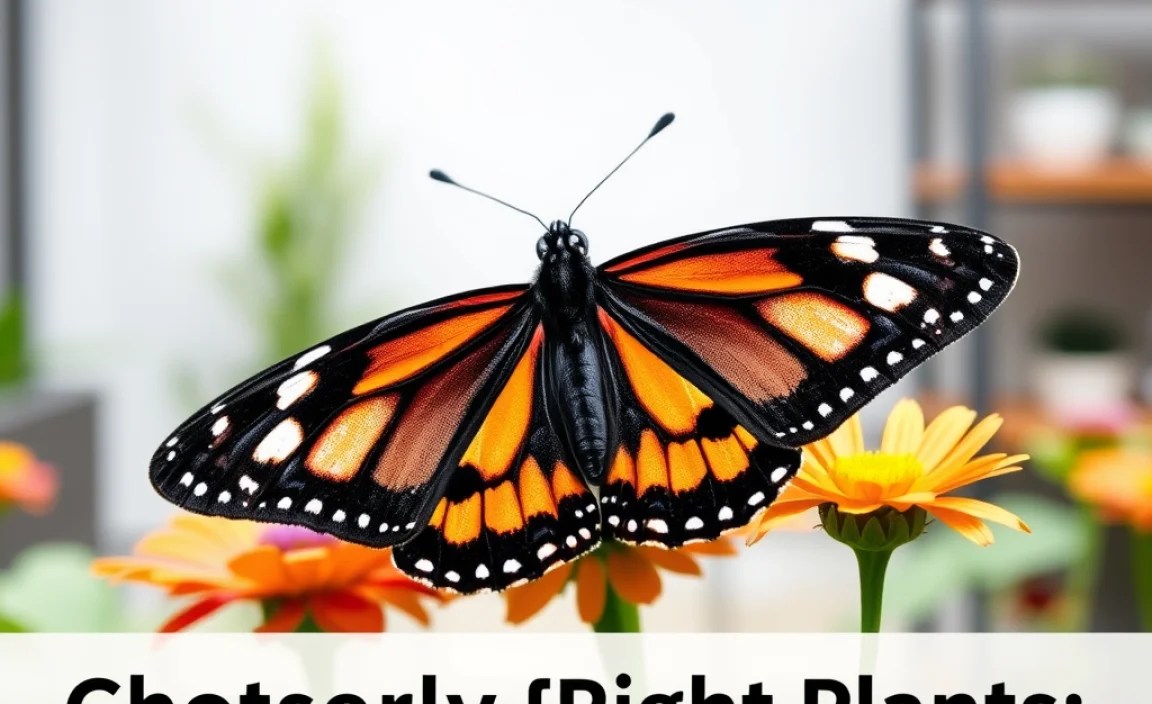
Selecting the right plants is crucial for attracting and supporting butterflies. Here’s a more detailed look at some excellent choices for your butterfly-friendly urban design:
Nectar Plants
| Plant Name | Description | Bloom Time | Sunlight Needs |
|---|---|---|---|
| Butterfly Bush (Buddleja davidii) | Fragrant flowers in various colors. Attracts many butterflies. | Summer to Fall | Full Sun |
| Zinnia (Zinnia elegans) | Bright, colorful flowers. Easy to grow from seed. | Summer to Fall | Full Sun |
| Lantana (Lantana camara) | Clusters of small, vibrant flowers. Long bloom season. | Spring to Fall | Full Sun |
| Bee Balm (Monarda spp.) | Unique, shaggy flowers. Attracts butterflies and hummingbirds. | Summer | Full Sun to Partial Shade |
| Coneflower (Echinacea purpurea) | Daisy-like flowers with a prominent central cone. Drought-tolerant. | Summer to Fall | Full Sun |
| Asters (Symphyotrichum spp.) | Late-blooming flowers that provide nectar in the fall. | Fall | Full Sun to Partial Shade |
Host Plants
| Butterfly Species | Host Plant | Description | Growing Conditions |
|---|---|---|---|
| Monarch (Danaus plexippus) | Milkweed (Asclepias spp.) | Various species of milkweed. Essential for Monarch caterpillars. | Full Sun, Well-drained soil |
| Black Swallowtail (Papilio polyxenes) | Parsley, Dill, Fennel | Common herbs. Caterpillars feed on the foliage. | Full Sun, Well-drained soil |
| Spicebush Swallowtail (Papilio troilus) | Spicebush (Lindera benzoin) | Native shrub. Caterpillars feed on the leaves. | Partial Shade, Moist soil |
| Spring Azure (Celastrina ladon) | Flowering Dogwood (Cornus florida) | Native tree. Caterpillars feed on the flowers and young leaves. | Partial Shade, Well-drained soil |
| Variegated Fritillary (Euptoieta claudia) | Violets (Viola spp.) | Low-growing plants. Caterpillars feed on the leaves. | Partial Shade, Moist soil |
Addressing Common Challenges in Urban Butterfly Gardening

Urban environments can present unique challenges for butterfly gardening. Here are some common issues and how to address them:
Limited Space
- Solution: Use vertical gardening techniques, such as trellises and hanging baskets. Choose compact plant varieties. Focus on high-impact nectar and host plants.
Poor Soil Quality
- Solution: Amend the soil with compost and other organic matter. Consider using raised beds or containers with high-quality potting mix. Test the soil pH and adjust as needed.
Air Pollution
- Solution: Choose plants that are tolerant of air pollution. Water plants regularly to wash off pollutants. Create a buffer zone with trees and shrubs to filter the air.
Lack of Sunlight
- Solution: Select shade-tolerant butterfly plants. Use reflective surfaces to increase sunlight exposure. Prune trees and shrubs to allow more light to reach your garden.
Pest Control
- Solution: Use natural pest control methods, such as introducing beneficial insects. Handpick pests off plants. Use organic pesticides as a last resort. Attract birds and other predators that feed on pests.
Tools and Resources for Butterfly-Friendly Urban Design
Here are some tools and resources to help you create a butterfly-friendly urban space:
- Native Plant Guides: Local nurseries and conservation organizations can provide information on native plants suitable for your area.
- Butterfly Identification Guides: Field guides and online resources can help you identify butterflies and their host plants.
- Soil Testing Kits: These kits allow you to test the pH and nutrient levels of your soil.
- Gardening Tools: Invest in high-quality gardening tools, such as shovels, trowels, and pruners.
- Online Forums and Communities: Connect with other butterfly enthusiasts and share tips and advice.
FAQ About Butterfly-Friendly Urban Design
Q: What is a host plant?
A: A host plant is a specific type of plant where butterflies lay their eggs. The caterpillars that hatch will then feed on this plant. Different butterfly species have different host plant preferences.
Q: How can I attract Monarch butterflies to my garden?
A: Plant milkweed, which is the only host plant for Monarch caterpillars. Also, provide nectar-rich flowers that bloom throughout the season to feed adult Monarchs.
Q: Is it okay to use butterfly houses in my garden?
A: Butterfly houses are often more for decoration than actual use. Butterflies typically prefer natural shelters like shrubs and trees. Focus on providing these natural habitats.
Q: What should I do if I find caterpillars on my plants?
A: Enjoy them! Caterpillars are a sign that your garden is providing a valuable food source for butterflies. Avoid using pesticides that could harm them.
Q: How often should I water my butterfly garden?
A: Water deeply but infrequently, especially during dry periods. Check the soil moisture regularly and water when the top inch feels dry to the touch. Consider using a soaker hose or drip irrigation to conserve water.
Q: Can I create a butterfly garden in a small space like a balcony?
A: Absolutely! Use containers and vertical gardening techniques to maximize space. Choose compact plant varieties and focus on the most attractive nectar and host plants for your area.
Q: How can I prevent my butterfly bush from becoming invasive?
A: Choose sterile or non-invasive cultivars of butterfly bush. Deadhead the flowers regularly to prevent seed production. Monitor the plant for signs of spreading and remove seedlings as needed.
Conclusion
Creating a butterfly-friendly urban design is a rewarding way to enhance our cities and support biodiversity. By choosing the right plants, providing shelter and water, and avoiding pesticides, we can transform urban spaces into havens for these beautiful creatures. Remember to engage your community and share your knowledge to inspire others. Every small effort contributes to a healthier and more vibrant urban ecosystem. So, let’s get planting and watch our cities come alive with butterflies!